Key Takeaways
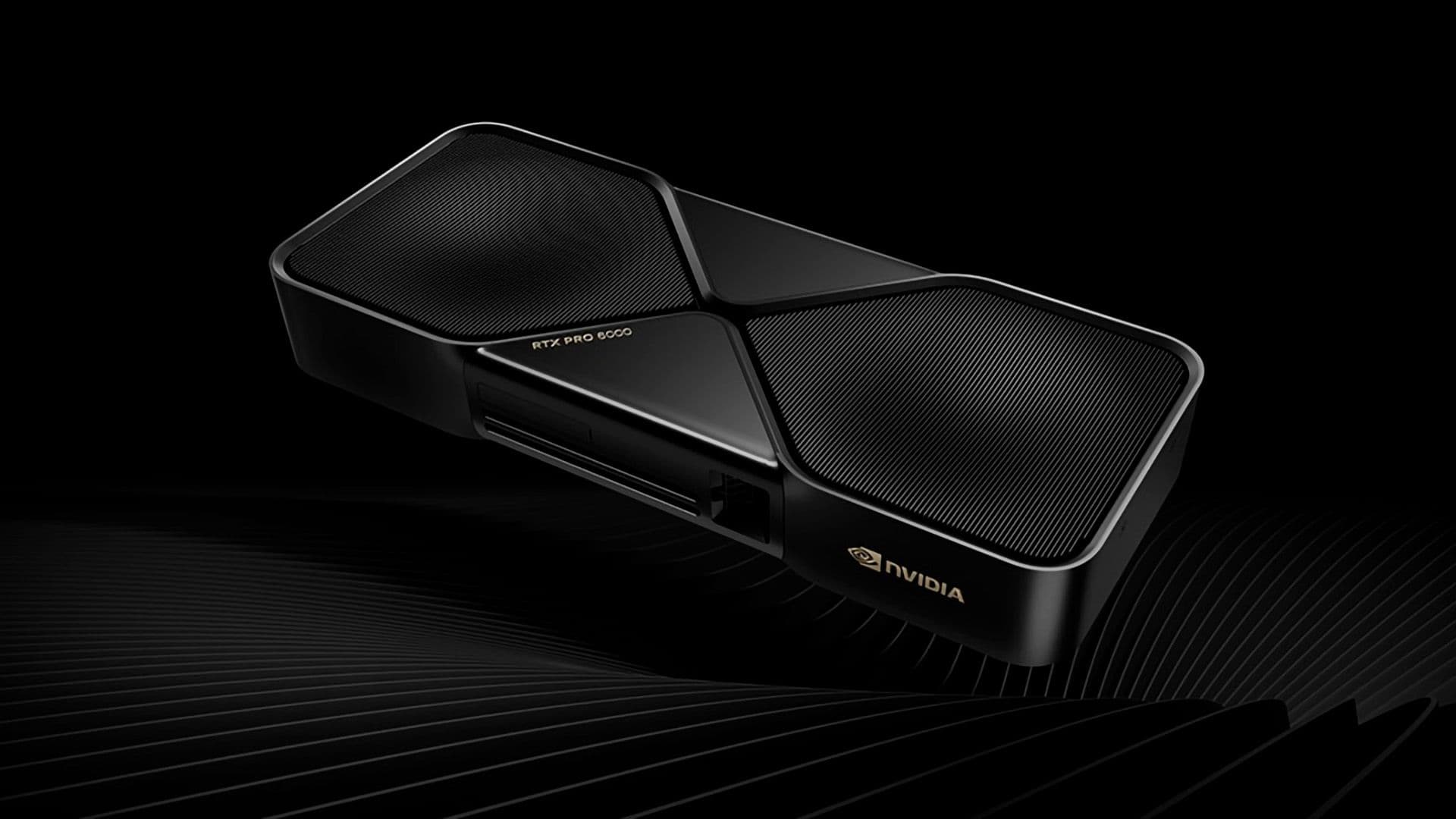
- Nvidia's RTX Pro 6000 Blackwell now costs $13,250, up 55% from its $8,565 launch price in March 2025
- Memory shortages and AI workload demand are driving workstation GPU prices sharply higher
- Third-party retailers like Newegg offer the card for $12,099.99, roughly 9% below Nvidia's official price
The Price Jump
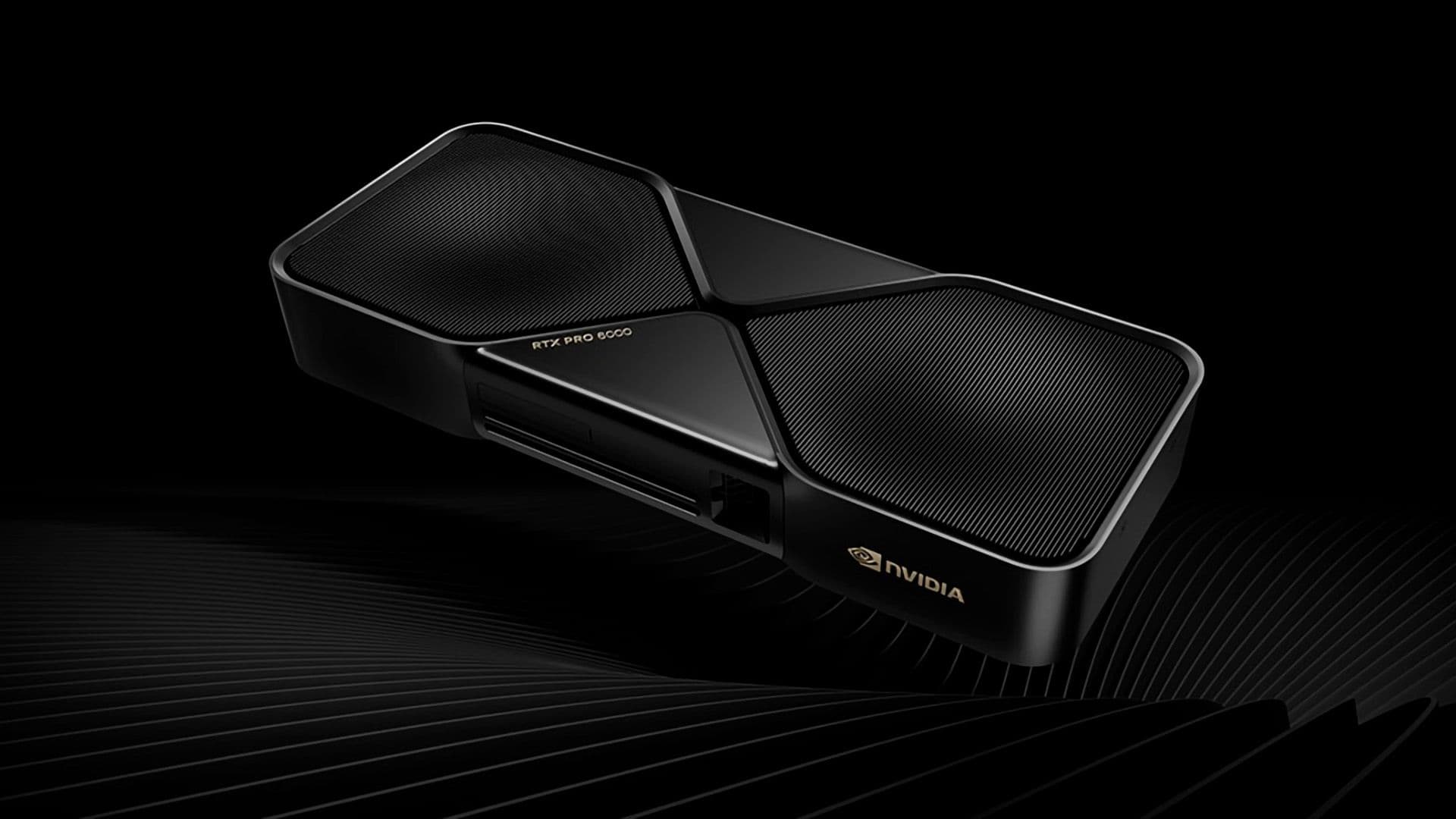
Nvidia has raised the price of its RTX Pro 6000 Blackwell workstation GPU to $13,250. That's a 55% increase from the $8,565 launch price when the card debuted in March 2025. The company made no formal announcement. The new pricing simply appeared on Nvidia's marketplace.
The RTX Pro 6000 sits at the top of Nvidia's Blackwell workstation lineup. It comes in three variants: the standard Workstation Edition, the power-efficient Max-Q Workstation Edition, and the Server Edition for data centers. Both the standard and Max-Q versions now carry the same $13,250 price tag on Nvidia's site.
Where to Find Lower Prices
Nvidia's marketplace isn't always the cheapest option. Newegg currently lists the RTX Pro 6000 Blackwell for $12,099.99, saving buyers about 9% compared to Nvidia's official price. The PNY-branded version sells for $11,359.99 on Nvidia's marketplace, roughly 14% below the standard MSRP.
But pricing gets complicated across variants. For the Max-Q and Server editions, Nvidia's marketplace sometimes beats third-party retailers. Newegg lists the Server Edition at $14,999, though some of those listings come from third-party sellers or are marked as OEM units without retail packaging.
| Variant | Nvidia Marketplace | Newegg | B&H Photo |
|---|---|---|---|
| RTX Pro 6000 Blackwell | $13,250 | $12,099.99 | $13,349 |
| RTX Pro 6000 Blackwell Max-Q | $13,250 | $14,999 | $13,999 |
| RTX Pro 6000 Blackwell Server | N/A | $14,999 | N/A |
| PNY RTX Pro 6000 Blackwell | $11,359.99 | $13,645 | $14,499 |
Why Prices Are Climbing
Two forces are squeezing professional GPU buyers: a global memory shortage and surging AI demand. High-bandwidth memory components have become scarce as AI workloads require increasingly large models. Supply chain sources report significant increases in memory procurement costs for GDDR6, GDDR7, and HBM.
The RTX Pro 6000 Blackwell packs 96GB of GDDR7 memory, making it attractive for enterprise users running large language models or complex simulations. That memory density comes at a cost, and Nvidia appears willing to pass that cost along.
Community Reaction
Online discussions on Reddit's r/hardware and Hacker News reflect frustration among professional users and independent AI developers. Many describe the price increase as effectively gatekeeping enterprise-level AI development. Some users argue the 96GB GDDR7 upgrade doesn't justify a 55% price jump over the previous generation.
A growing number of commenters suggest that cloud-based GPU rental services are becoming the only realistic option for non-corporate buyers. The math has shifted: at $13,250 per card, renting compute time looks more attractive than owning hardware that will depreciate.
Related analysis of how rising AI costs are pushing organizations toward alternatives
What This Means for Buyers
Professional users who delayed purchasing a workstation GPU are now facing a difficult choice. Waiting hasn't brought prices down. If memory shortages persist and AI demand continues growing, further increases aren't out of the question.
For organizations that need the RTX Pro 6000's capabilities, shopping around matters. The 9% gap between Nvidia's marketplace and Newegg translates to roughly $1,150 in savings per card. For multi-GPU workstations, that adds up quickly.

Logicity's Take
Frequently Asked Questions
How much does the Nvidia RTX Pro 6000 Blackwell cost now?
Nvidia's official marketplace lists the RTX Pro 6000 Blackwell at $13,250. Third-party retailers like Newegg offer it for $12,099.99, and the PNY-branded version sells for $11,359.99.
Why did Nvidia raise the RTX Pro 6000 price?
The price increase reflects global memory shortages affecting GDDR7 and HBM components, combined with intense demand from AI workloads requiring high-memory GPUs.
What's the difference between RTX Pro 6000 variants?
Nvidia offers three versions: the standard Workstation Edition, the power-efficient Max-Q Workstation Edition, and the Server Edition designed for data center deployments.
Where can I buy the RTX Pro 6000 for the lowest price?
Currently, Newegg offers the standard RTX Pro 6000 Blackwell for $12,099.99, about 9% below Nvidia's marketplace price. Pricing varies by variant and retailer.
Is renting GPU compute cheaper than buying the RTX Pro 6000?
At $13,250 per card, cloud GPU rental is increasingly competitive for users who don't need 24/7 access. The break-even calculation depends on utilization rates and workload intensity.
Need Help Implementing This?
Source: Latest from Tom's Hardware
Manaal Khan
Tech & Innovation Writer
Produced with AI assistance and reviewed by the Logicity editorial team. Learn more in our Editorial Policy.