Key Takeaways
- B2B contact data decays at 30% annually, making automated enrichment essential for sales teams
- Waterfall enrichment workflows query multiple providers in sequence to maximize contact hit rates
- The B2B data enrichment market is projected to hit $3.26 billion in 2026
Zapier has published its 2026 guide to data enrichment tools, and the recommendations reflect a fundamental shift in how sales teams approach prospecting. The era of relying on a single contact database is ending. In its place: automated waterfall workflows that query dozens of providers until they find verified contact information.
The timing matters. B2B contact data decays at roughly 30% per year. Job changes, company restructuring, and outdated records mean that a lead list from six months ago is already rotting. Sales reps waste an estimated 546 hours annually chasing dead phone numbers and bounced emails. That's more than three months of working days spent on leads that go nowhere.
What is waterfall enrichment and why does it matter?
Traditional data enrichment works like this: you have a lead with a name but no email, so you query a provider like ZoomInfo or Clearbit. If they have the data, great. If not, you're stuck. Waterfall enrichment flips the model. Instead of betting on one provider, an automated workflow queries multiple sources in sequence. If Provider A returns nothing, the system moves to Provider B, then C, then D. The workflow stops only when it finds a verified result.
This approach solves a real coverage problem. No single data provider has complete records for every industry, geography, or company size. A provider excellent for enterprise contacts might have gaps in the mid-market. Waterfall workflows sidestep those limitations by combining multiple sources into one automated pipeline.
Which tools made Zapier's 2026 list?
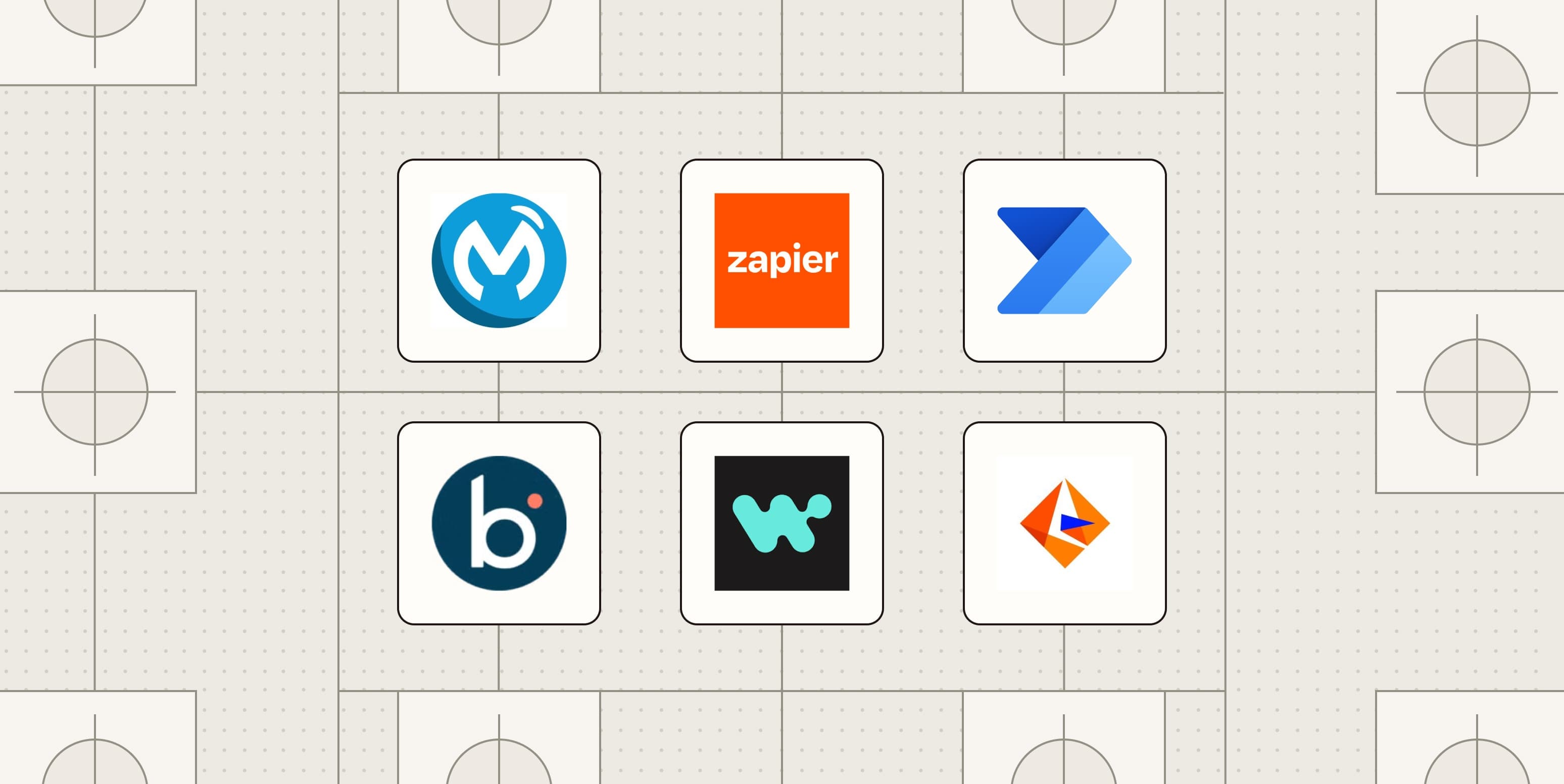
Zapier's guide evaluates 11 tools across criteria like data accuracy, integration options, pricing models, and automation capabilities. The full list spans legacy providers, newer API-first platforms, and workflow builders designed specifically for sales operations. Tools like Clay have gained traction for their modular, pay-per-query approach, which appeals to teams tired of annual contracts with large minimum commitments.
The shift toward modular pricing reflects broader frustration with legacy data providers. On Hacker News and sales-focused subreddits like r/salesops, the conversation has moved from 'which provider is best' to 'how do I build the most resilient automated waterfall.' Developers are piping enrichment data into CRMs like HubSpot and Salesforce using tools like Clay and Zapier itself, often stitching together three or four data sources into a single workflow.
How automation changes the economics
The B2B data enrichment market is projected to reach $3.26 billion in 2026, growing at 14% annually through 2030. That growth is driven partly by companies moving from manual prospecting to automated enrichment. When a workflow can verify and append contact data in seconds, the return on investment becomes obvious. A sales rep who spent 10 hours a week on manual research can redirect that time to actual outreach.
Zapier's guide emphasizes this point directly. The company notes that crawling the web manually for contact info works for a handful of leads, but falls apart at scale. For teams doing volume outreach, the question isn't whether to use enrichment tools. It's which combination delivers the best hit rates at acceptable cost.
What should teams consider when choosing tools?
Three factors matter most. First, data coverage: does the provider have strong records in your target market? A tool optimized for U.S. tech companies may have sparse data for European manufacturing firms. Second, integration depth: can you connect the tool to your existing CRM and workflow automation without custom engineering? Third, pricing structure: per-query models favor teams with variable volumes, while annual contracts can lock you into paying for capacity you don't use.
The guide also highlights verification. Enrichment is only valuable if the appended data is accurate. A phone number that goes to voicemail or an email that bounces wastes more time than having no data at all. The best tools include built-in verification steps, checking that emails are deliverable and phone numbers are active before marking records as enriched.
Logicity's Take
The real story here isn't any single tool. It's the architectural shift. Sales teams are becoming systems integrators, assembling modular data sources into custom pipelines rather than betting on one vendor. This mirrors what happened with marketing automation a decade ago. The winners will be teams that treat data enrichment as infrastructure to be engineered, not software to be purchased.
Where the market is heading
AI is accelerating the trend. Enrichment tools are starting to use machine learning not just to find contact information, but to prioritize which leads are worth enriching in the first place. If a workflow can predict that a prospect is unlikely to convert based on firmographic signals, it can skip the enrichment step entirely, saving both time and money.
Integration with CRM platforms is also deepening. Rather than enriching data in a separate tool and syncing it back, newer platforms handle enrichment inline. When a new lead enters the CRM, enrichment happens automatically before any sales rep sees the record. This keeps data clean from the start rather than requiring periodic cleanup.
Frequently Asked Questions
What is data enrichment in sales?
Data enrichment appends missing information to lead records, such as email addresses, phone numbers, job titles, or company details, using external data providers. It turns incomplete records into actionable contacts.
How fast does B2B contact data decay?
B2B contact data decays at approximately 30% per year due to job changes, company restructuring, and outdated records. A lead list from six months ago may have significant accuracy issues.
What is waterfall enrichment?
Waterfall enrichment is an automated workflow that queries multiple data providers in sequence. If the first provider lacks the requested information, the workflow automatically moves to the next provider until it finds a verified result.
How much does poor data quality cost enterprises?
Poor data quality costs the average enterprise an estimated $15 million annually in lost productivity and missed pipeline opportunities, according to industry estimates.
Which data enrichment tools does Zapier recommend for 2026?
Zapier's 2026 guide evaluates 11 tools including both legacy providers and newer API-first platforms like Clay. The full list emphasizes integration capabilities and waterfall workflow support.
Need Help Implementing This?
Building a waterfall enrichment workflow requires connecting multiple tools and data sources. If you're evaluating vendors or designing your automation stack, reach out to our team at Logicity.in for guidance on selecting the right combination for your sales operations.
Source: The Zapier Blog
Manaal Khan
Tech & Innovation Writer
Produced with AI assistance and reviewed by the Logicity editorial team. Learn more in our Editorial Policy.