Key Takeaways
- Precoro leads for easy setup and purchase-to-pay automation
- Ramp combines corporate cards with holistic spend management
- Enterprise options like SAP Ariba and Coupa target global supply chains
Manual procurement is chaos. Employees chase approvals through email threads. Finance teams discover rogue subscriptions months after signup. Budget visibility exists only in theory.
Zapier's 2026 review of procurement software cuts through the corporate jargon to identify tools that actually work. The team reviewed demos, analyzed user feedback, and talked to business leaders about their real-world choices.
What Makes Procurement Software Worth Buying
If you already pay for an enterprise suite like Workday or NetSuite, a standalone procurement tool may be redundant. But for companies needing purpose-built solutions, the options are overwhelming.
Zapier evaluated tools on three core criteria. First, easy intake: submitting a purchase request should be simple enough that employees actually use it. Second, workflow automation and visibility: approval routing should be customizable, and you should see where requests are stuck. Third, vendor and contract management: procurement is about relationships, not just transactions.
The 10 Best Procurement Tools for 2026
1. Precoro: Easy Setup and P2P Automation
Precoro focuses on quick implementation and purchase-to-pay automation. Companies that want to get running fast without a six-month deployment project should look here first.
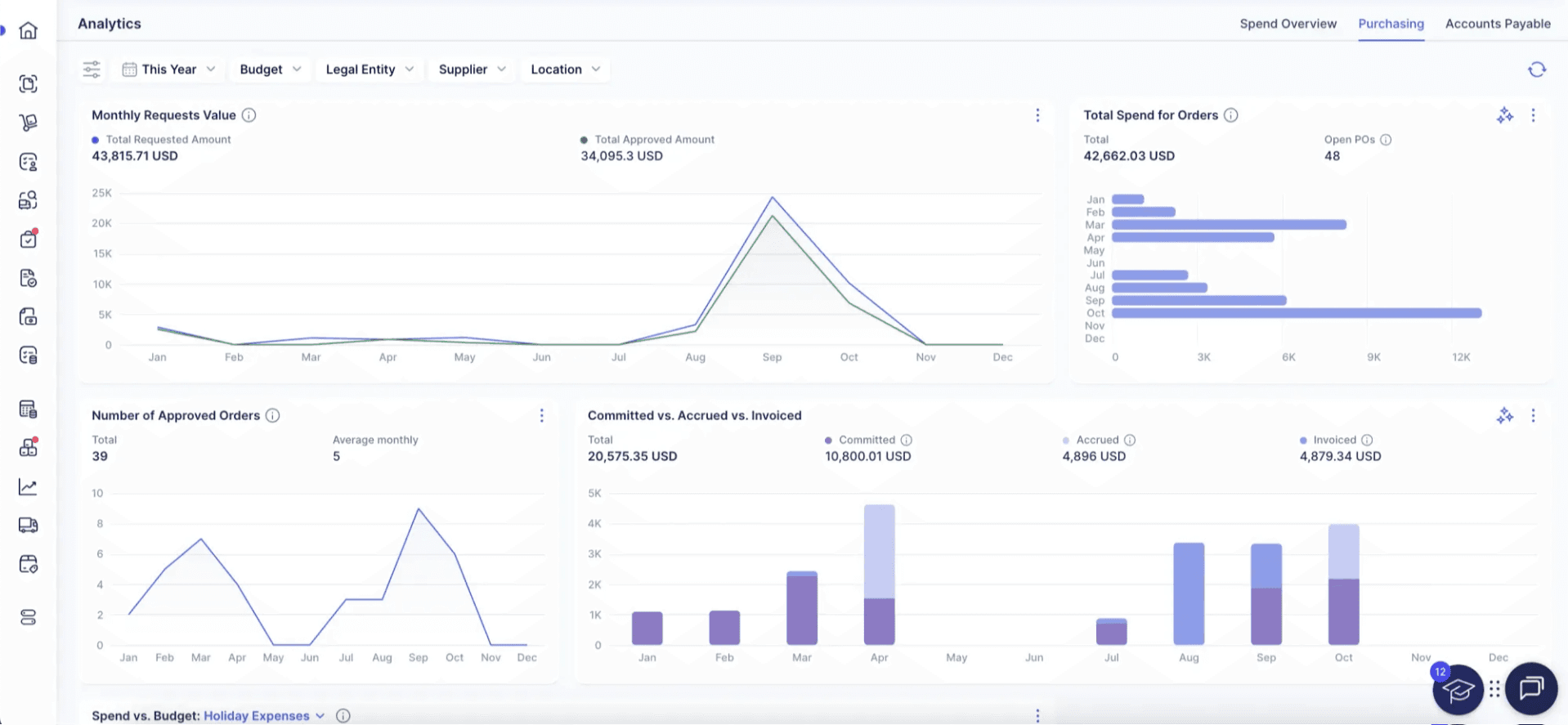
2. Ramp: Corporate Cards Plus Spend Management
Ramp combines corporate cards with spend management in one platform. The holistic approach lets finance teams see all company spending without switching between systems.
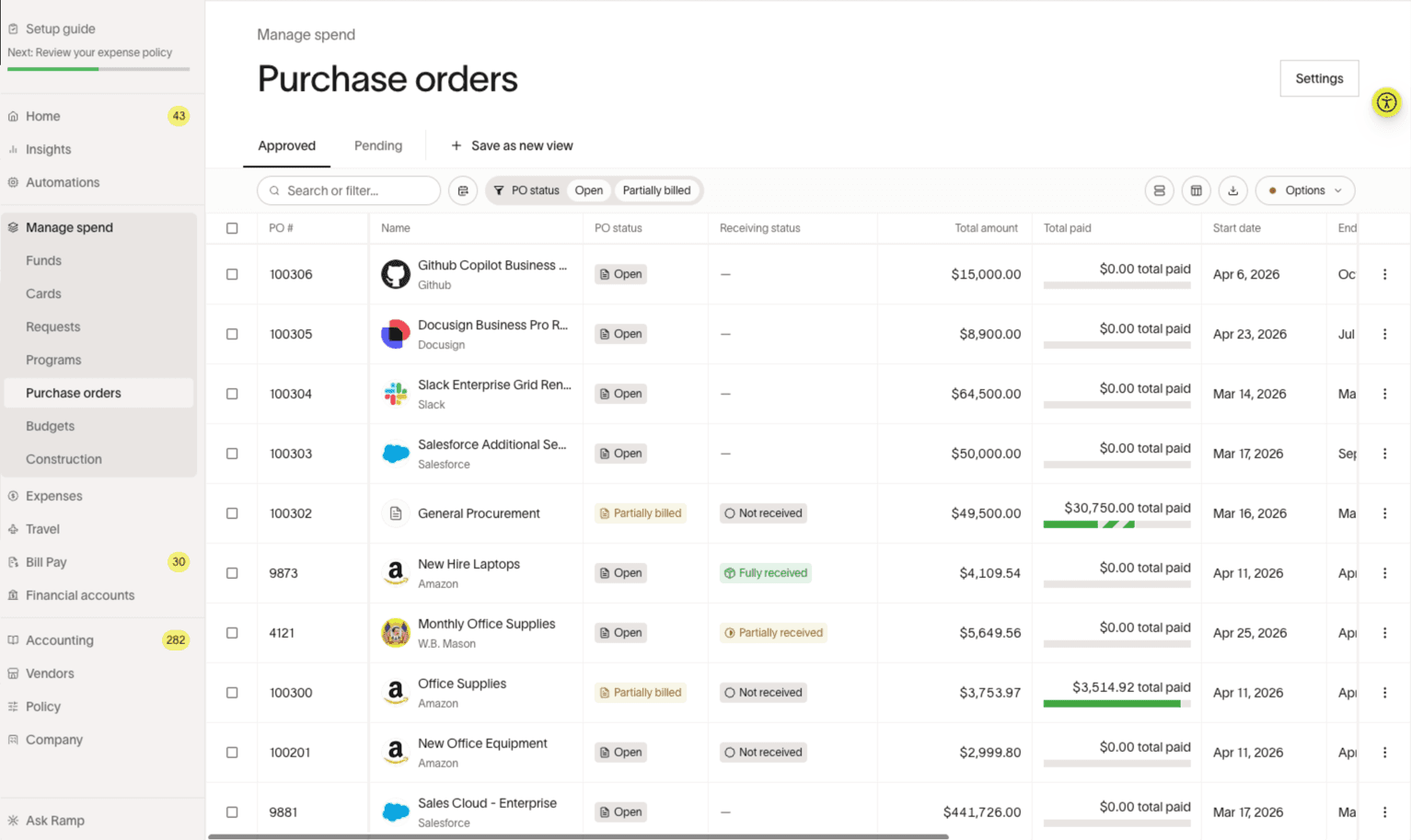
3. Procurify: Mid-Market Budget Visibility
Procurify targets mid-market companies that need budget visibility without enterprise complexity. It sits in the sweet spot between basic tools and full-scale procurement suites.
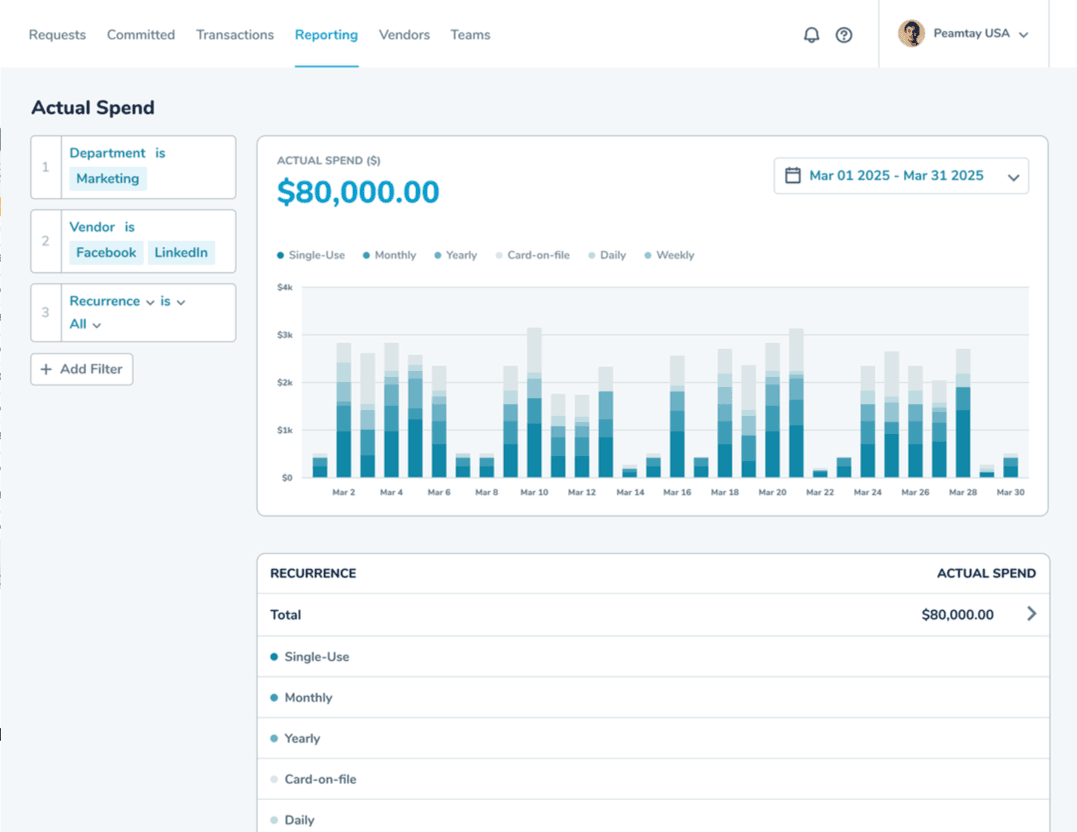
4. Vroozi: Mobile-First E-Procurement
Vroozi takes a mobile-first approach to e-procurement. For companies with field teams or employees who rarely sit at desks, this mobile priority matters.
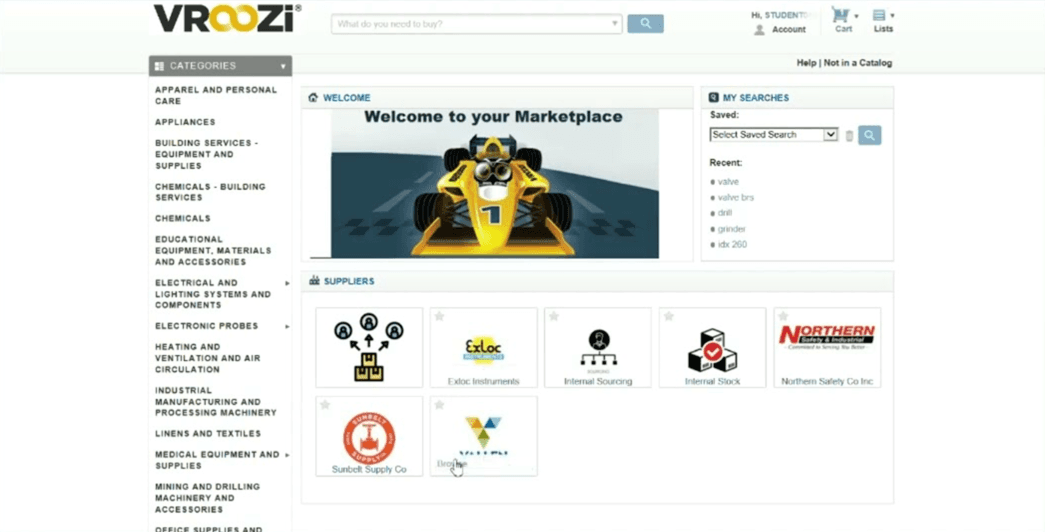
5. Rippling Spend: Employee-Centric Spending
Rippling Spend integrates with Rippling's broader HR and IT platform. Companies already using Rippling for payroll and device management get a unified view of employee-related costs.
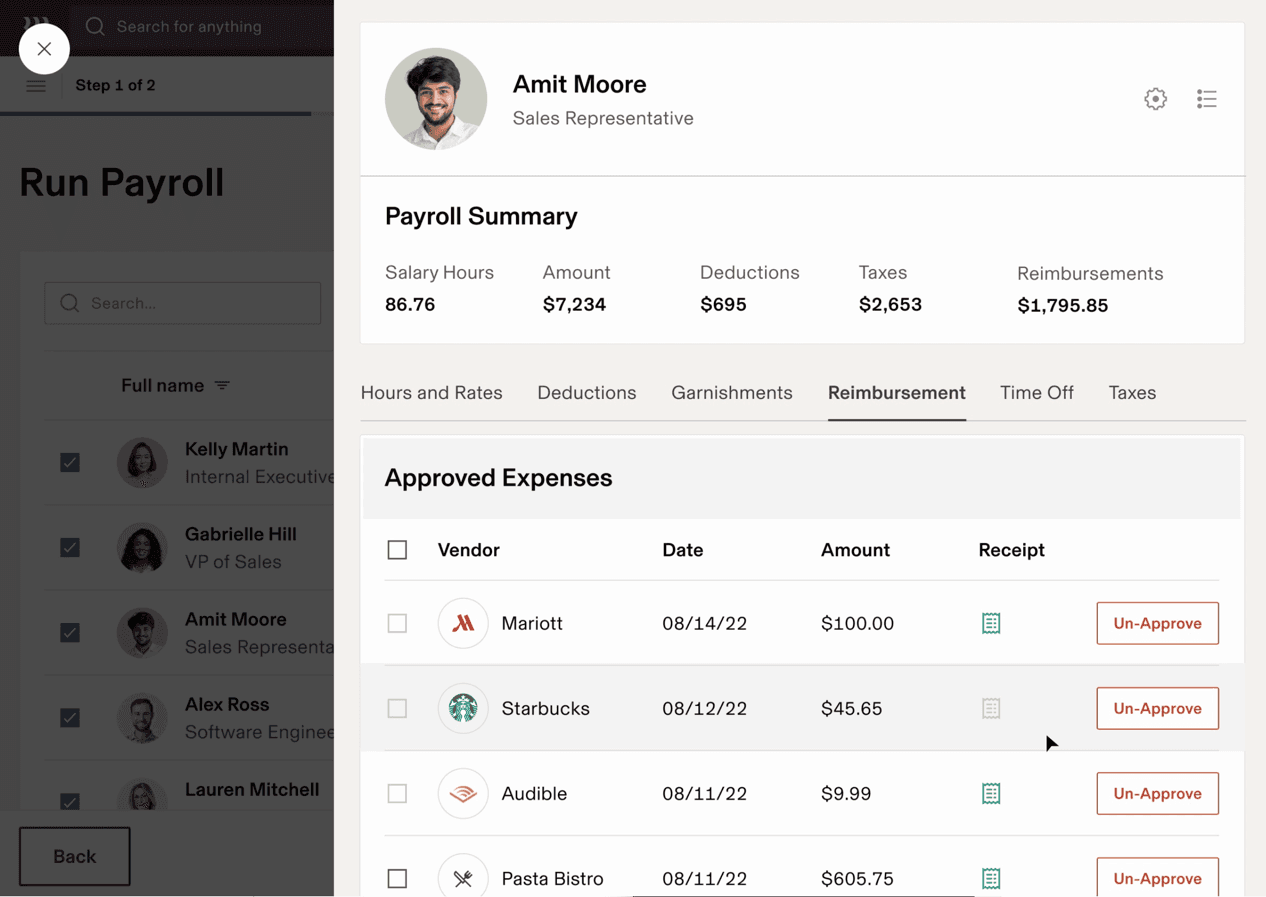
6. Zip: Intake-to-Procure Orchestration
Zip focuses on the intake-to-procure workflow. It orchestrates the process from initial request through final purchase, automating the handoffs that usually slow things down.
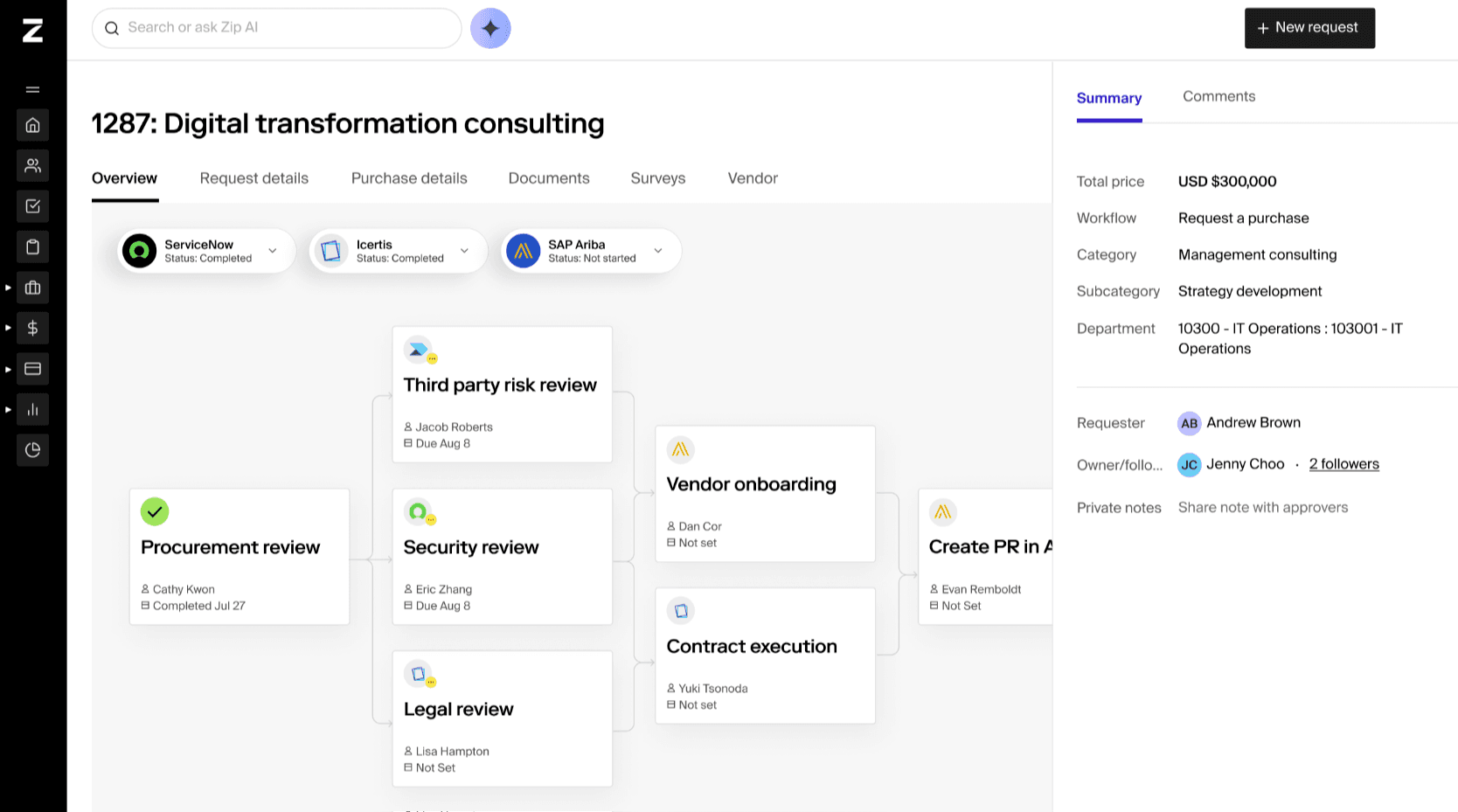
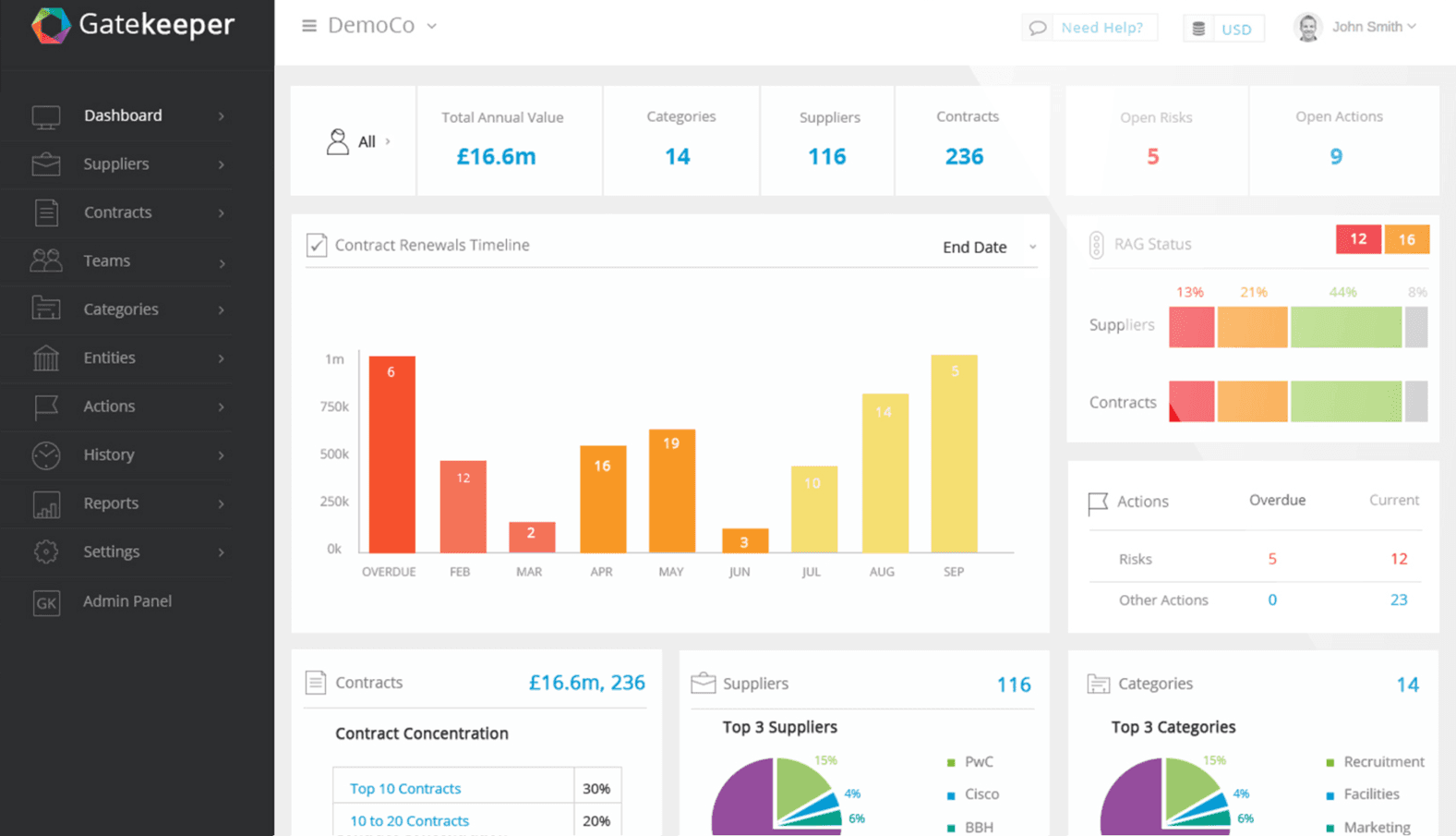
7. Gatekeeper: Vendor and Contract Lifecycle
Gatekeeper specializes in vendor and contract lifecycle management. If your procurement pain points center on supplier relationships and contract renewals, this is the tool to examine.
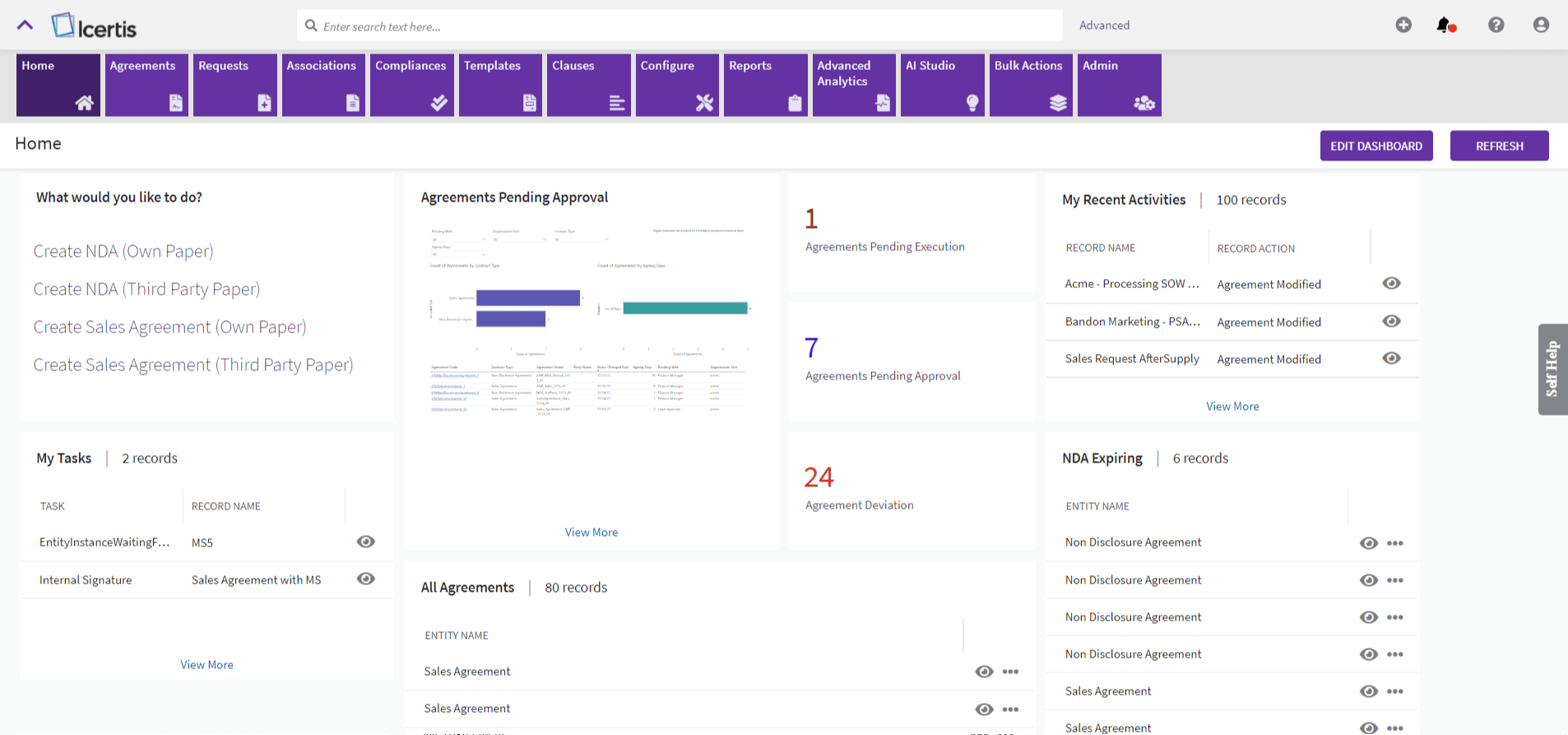
8. Icertis Contract Intelligence: AI for Enterprise Contracts
Icertis applies AI to enterprise contract intelligence. Large companies managing thousands of contracts can use AI to spot risks, track obligations, and surface insights across their portfolio.
9. Coupa: Cloud Business Spend Management
Coupa offers cloud business spend management at enterprise scale. It handles procurement, invoicing, expenses, and payments in one platform.
10. SAP Ariba: Global Supply Chains and Supplier Networks
SAP Ariba targets global supply chains and supplier networks. Companies operating across multiple countries and managing complex supplier relationships will find the global reach valuable.
Choosing the Right Tool for Your Company
The right procurement software depends on company size, existing systems, and specific pain points. A startup with 50 employees needs different capabilities than a multinational with 10,000.
| Tool | Best For | Key Strength |
|---|---|---|
| Precoro | Quick deployment | P2P automation |
| Ramp | Startups and SMBs | Corporate cards + spend |
| Procurify | Mid-market | Budget visibility |
| Vroozi | Field teams | Mobile-first design |
| Rippling Spend | Rippling users | HR/IT integration |
| Zip | Process-heavy orgs | Intake orchestration |
| Gatekeeper | Contract-heavy companies | Vendor lifecycle |
| Icertis | Large enterprises | AI contract analysis |
| Coupa | Enterprise | End-to-end spend |
| SAP Ariba | Global companies | Supplier networks |
Small companies should start with Precoro or Ramp. Mid-market firms should evaluate Procurify and Zip. Enterprises with complex global operations should look at Coupa, Icertis, or SAP Ariba.
Learn how AI-driven analytics can optimize procurement decisions
The Bottom Line
Manual procurement creates the same chaos as an understaffed restaurant kitchen. Everyone storms in, nobody follows a system, and the result is slow service and wasted money.
Modern procurement software automates the approval chase, centralizes vendor management, and gives finance teams actual visibility into spending. The question is which tool fits your specific situation.
Logicity's Take
Frequently Asked Questions
Do I need standalone procurement software if I use NetSuite or Workday?
Probably not. Enterprise suites often include procurement modules. Evaluate whether a standalone tool adds capabilities your current system lacks before buying.
What's the difference between spend management and procurement software?
Spend management tracks all company spending including expenses and cards. Procurement software focuses on purchasing workflows, approvals, and vendor management. Some tools like Ramp combine both.
How long does procurement software take to implement?
It varies widely. Tools like Precoro emphasize quick setup in days or weeks. Enterprise platforms like SAP Ariba or Coupa can take months to fully deploy with integrations.
Which procurement tool is best for startups?
Ramp and Precoro are strong choices for startups. Ramp adds corporate cards to the mix. Precoro offers straightforward P2P automation without enterprise complexity.
Need Help Implementing This?
Source: The Zapier Blog
Manaal Khan
Tech & Innovation Writer
Produced with AI assistance and reviewed by the Logicity editorial team. Learn more in our Editorial Policy.