Key Takeaways
- The August 12, 2026 total solar eclipse will sweep across northern Spain from the Atlantic to the Mediterranean at sunset
- Rural locations with unobstructed western horizons are essential since the sun will be just 1.5 to 10 degrees above the horizon during totality
- Totality duration ranges from about 1 minute to over 2 minutes depending on location, with cloud cover odds between 31% and 53%
On August 12, 2026, the moon's shadow will race across northern Spain from the Atlantic to the Mediterranean. For a few minutes, the sun will vanish behind the moon, revealing the corona, the sun's outer atmosphere, against a twilight sky. What makes this eclipse unusual: it happens at sunset.
By the time totality begins, the sun will be sinking toward the western horizon. In northwestern Spain, it will sit around 10 degrees high. In eastern regions, it will drop to just a few degrees above the horizon. That low angle creates both a challenge and an opportunity.
The challenge: any hills, buildings, or trees to the west will block your view. The opportunity: a sunset eclipse against dramatic terrain could produce once-in-a-lifetime photographs.
Logicity's Take
Why Location Selection Matters for This Eclipse
With the sun so low, wide-open landscapes are essential. You need uninterrupted views to the west-northwest where the sun will set during totality. High plateaus, wetlands, vineyards, and semi-desert terrain work well. Dense forests, city skylines, and mountain valleys facing east do not.
Cloud cover also varies significantly across Spain in August. The locations below include historical cloud cover percentages since 2000, but August weather can shift quickly. Plan for mobility if possible.
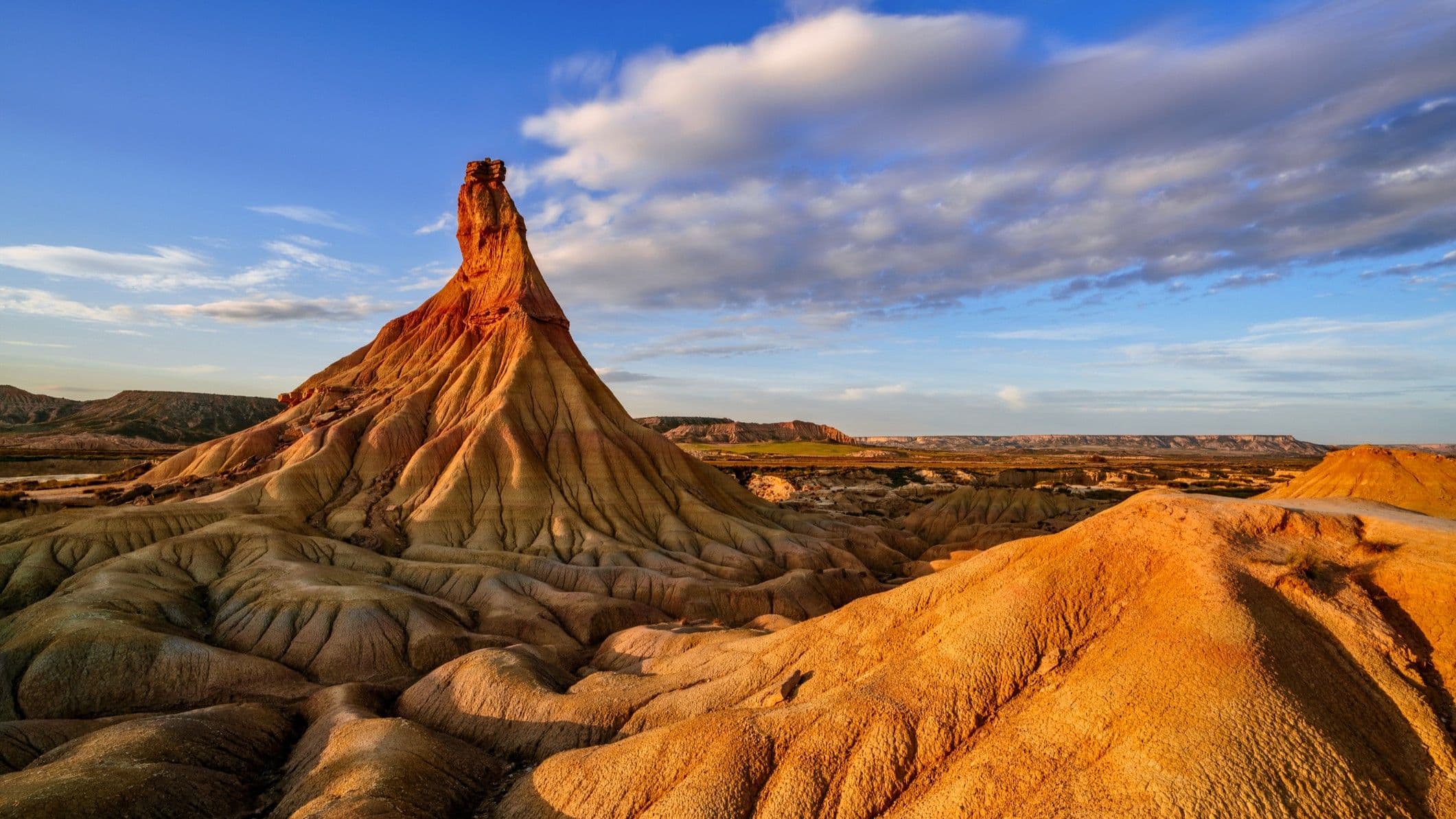
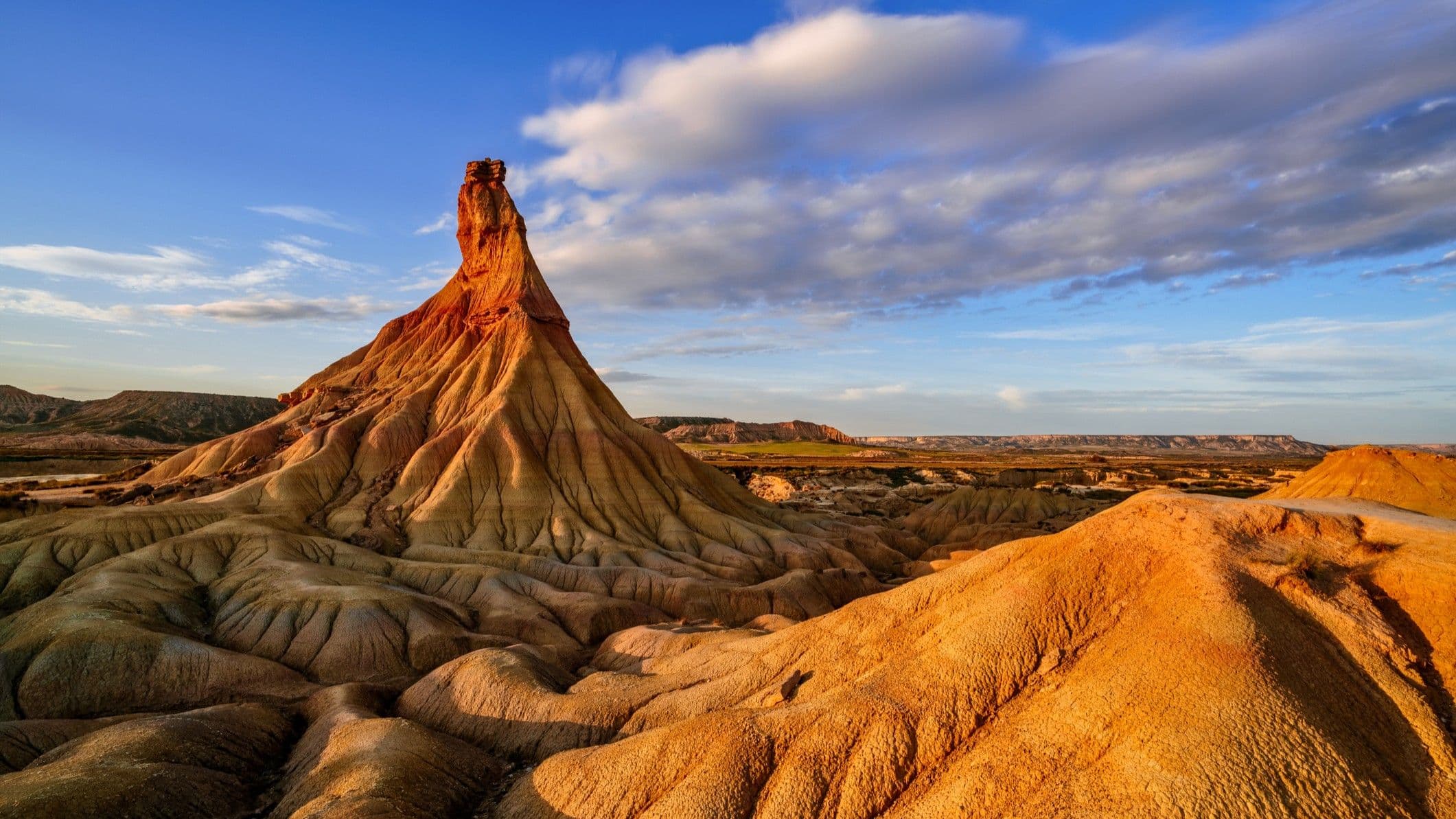
1. Castildetierra (Fairy's Chimney), Navarre
- Location: Tudela, Navarre
- Time of totality: 8:28 p.m. CEST
- Duration: 1 minute, 4 seconds
- Sun height: 6.7 degrees above west-northwest
- Cloud chance: 31%
This eroded rock pillar sits within Bardenas Reales Natural Park, a semi-desert landscape near Tudela. The terrain is flat and open with plenty of parking. At 6.7 degrees, the sun will be comfortably above the horizon during totality, making this one of the safer bets for clear sightlines.
2. Talatí de Dalt, Menorca
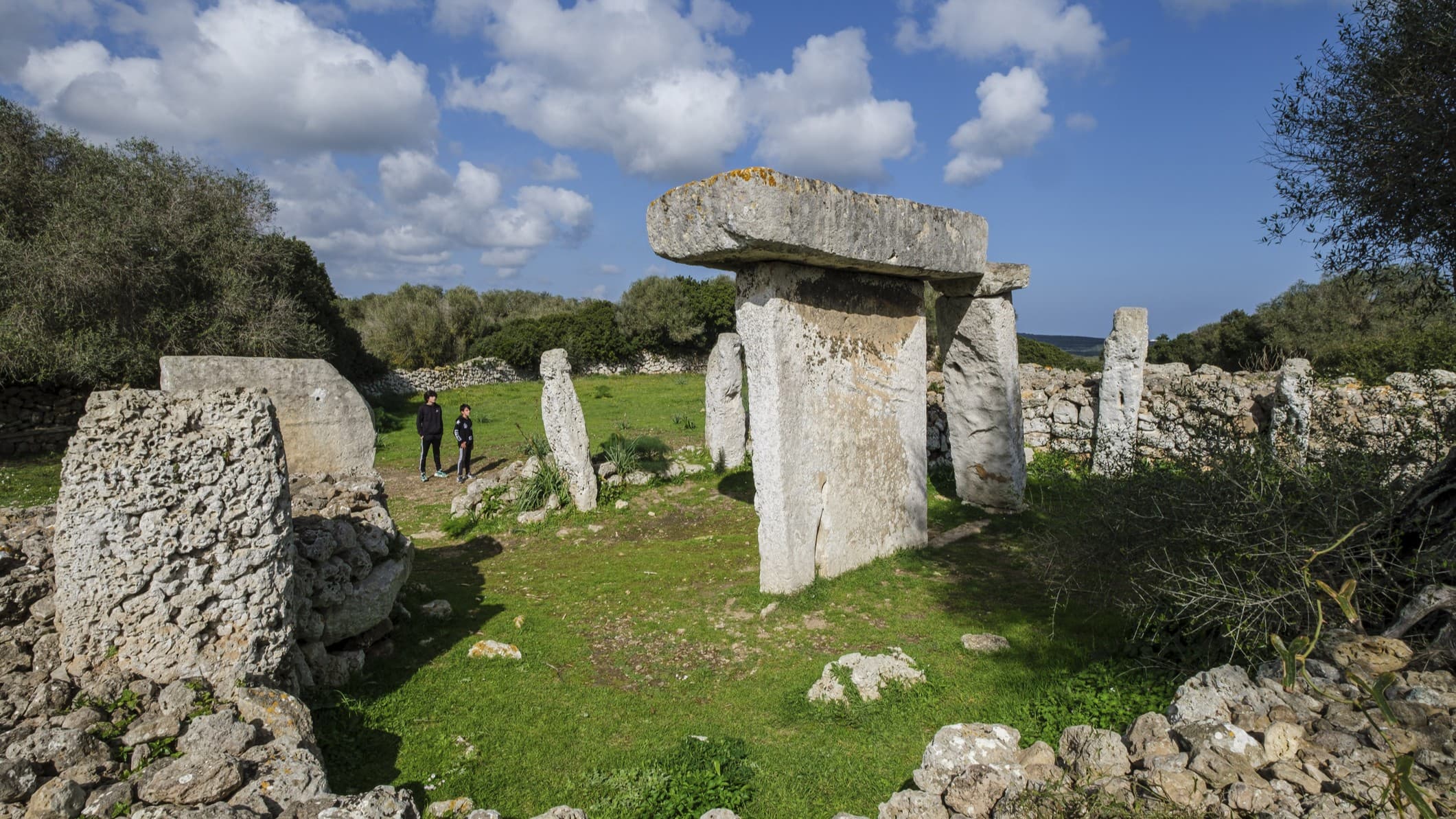
- Location: Maó, Menorca, Balearic Islands
- Time of totality: 8:30 p.m. CEST
- Duration: 1 minute, 7 seconds
- Sun height: 1.5 degrees above west-northwest
- Cloud chance: 36%
Menorca is a Starlight-certified destination, meaning it has low light pollution. The prehistoric site at Talatí de Dalt features ancient standing stones that could frame stunning eclipse photographs. But at just 1.5 degrees above the horizon, the sun will be barely above the treeline. Check your sightlines carefully.
3. Zamarramala, Castile and León
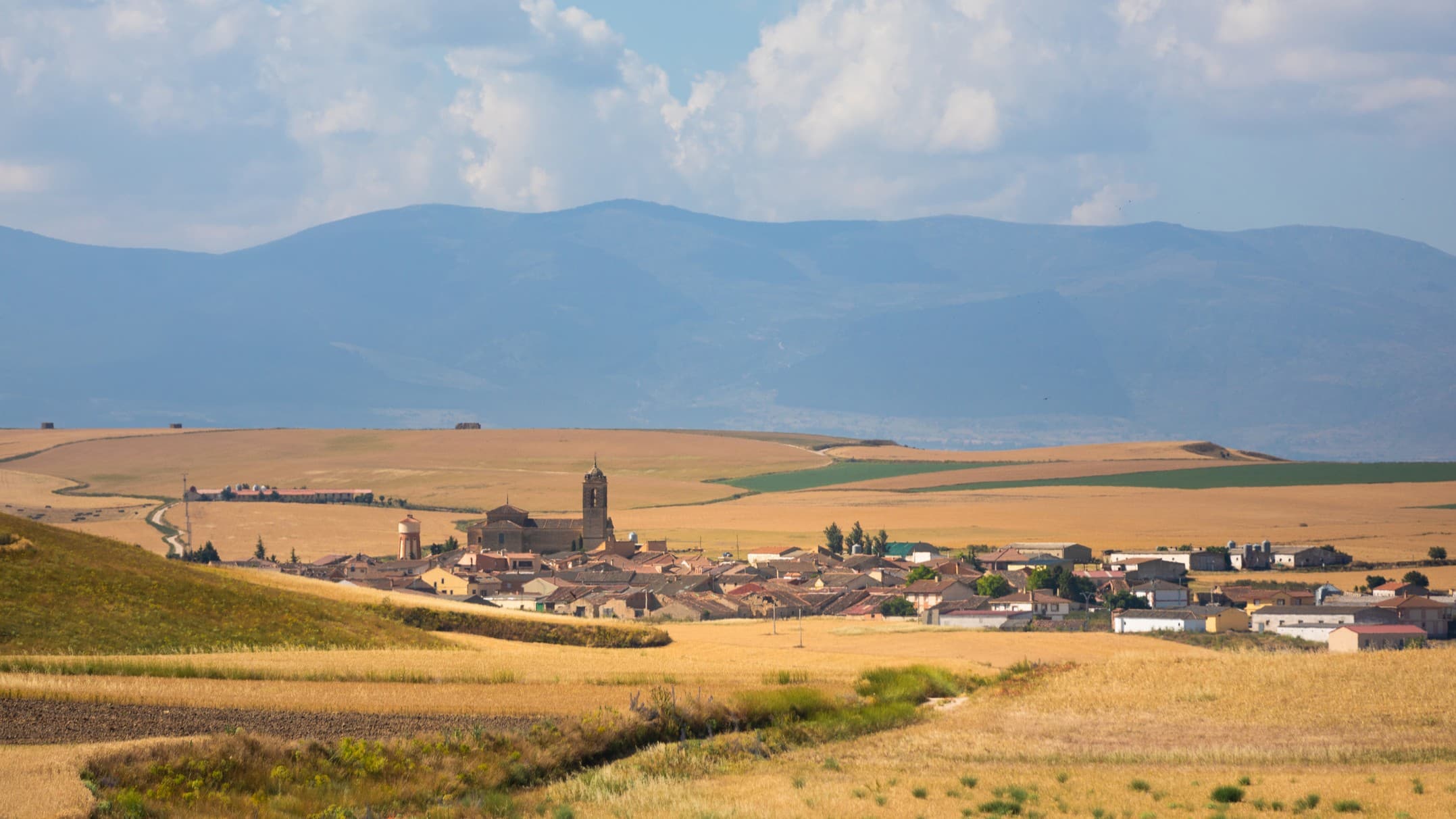
This small village near Segovia sits on a plateau with expansive views across the Castilian countryside. The elevation helps minimize horizon obstructions. Specific timing and duration details require verification through eclipse planning tools, but the region offers solid potential for sunset viewing.
4. Calatañazor, Castile and León
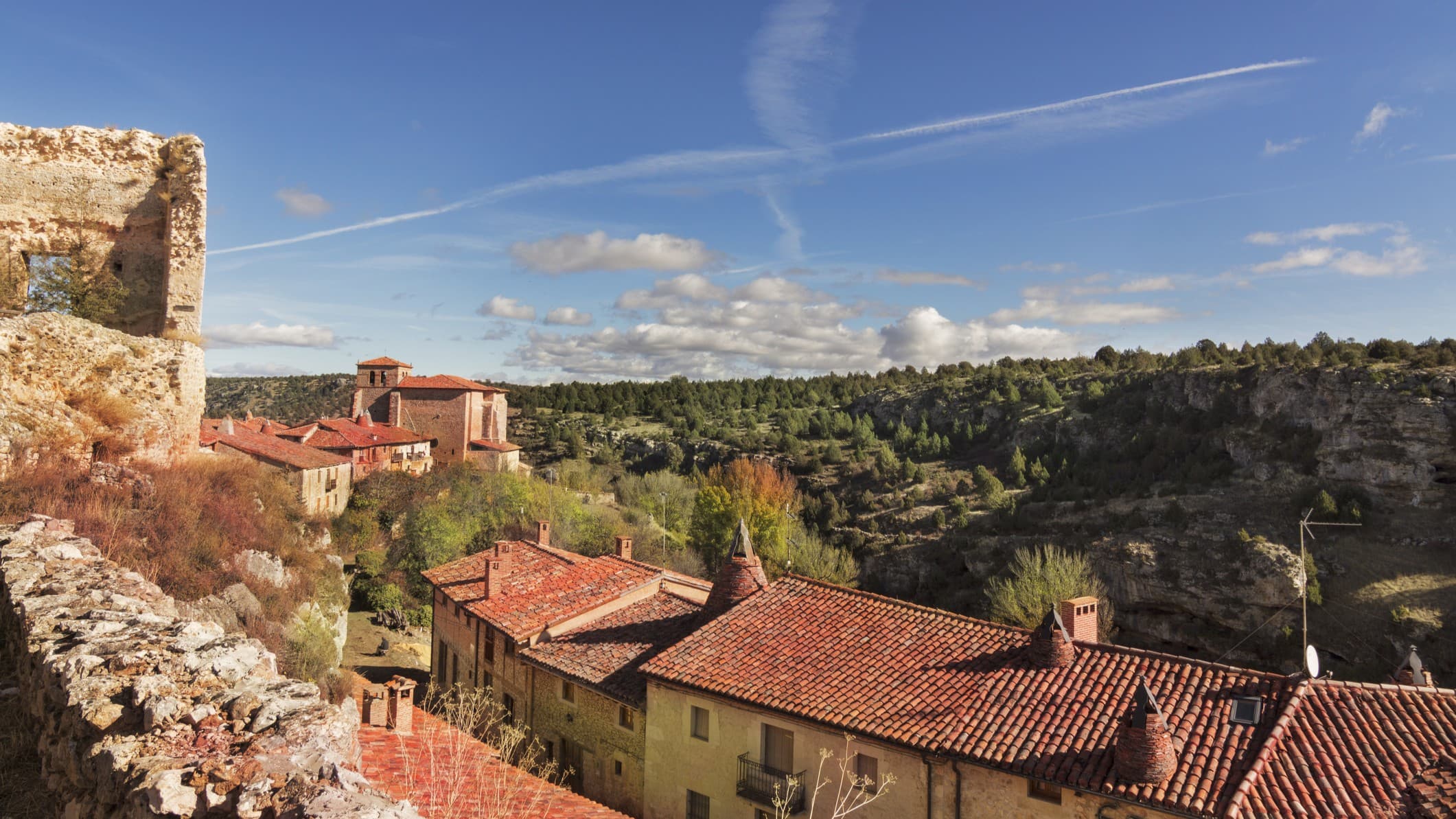
A hilltop medieval village with traditional stone houses, Calatañazor overlooks surrounding plains. The elevated position provides natural advantage for tracking the low sun. It's also a picturesque destination worth visiting regardless of the eclipse.
5. Laguna de Gallocanta
This seasonal lake sits at one of the highest points in the Iberian Peninsula's central plateau. During August, water levels are typically low, exposing flat terrain with unobstructed horizons in all directions. The location is known for bird migrations, though August falls outside the main migration season.
6. Alfaro Wetlands, La Rioja
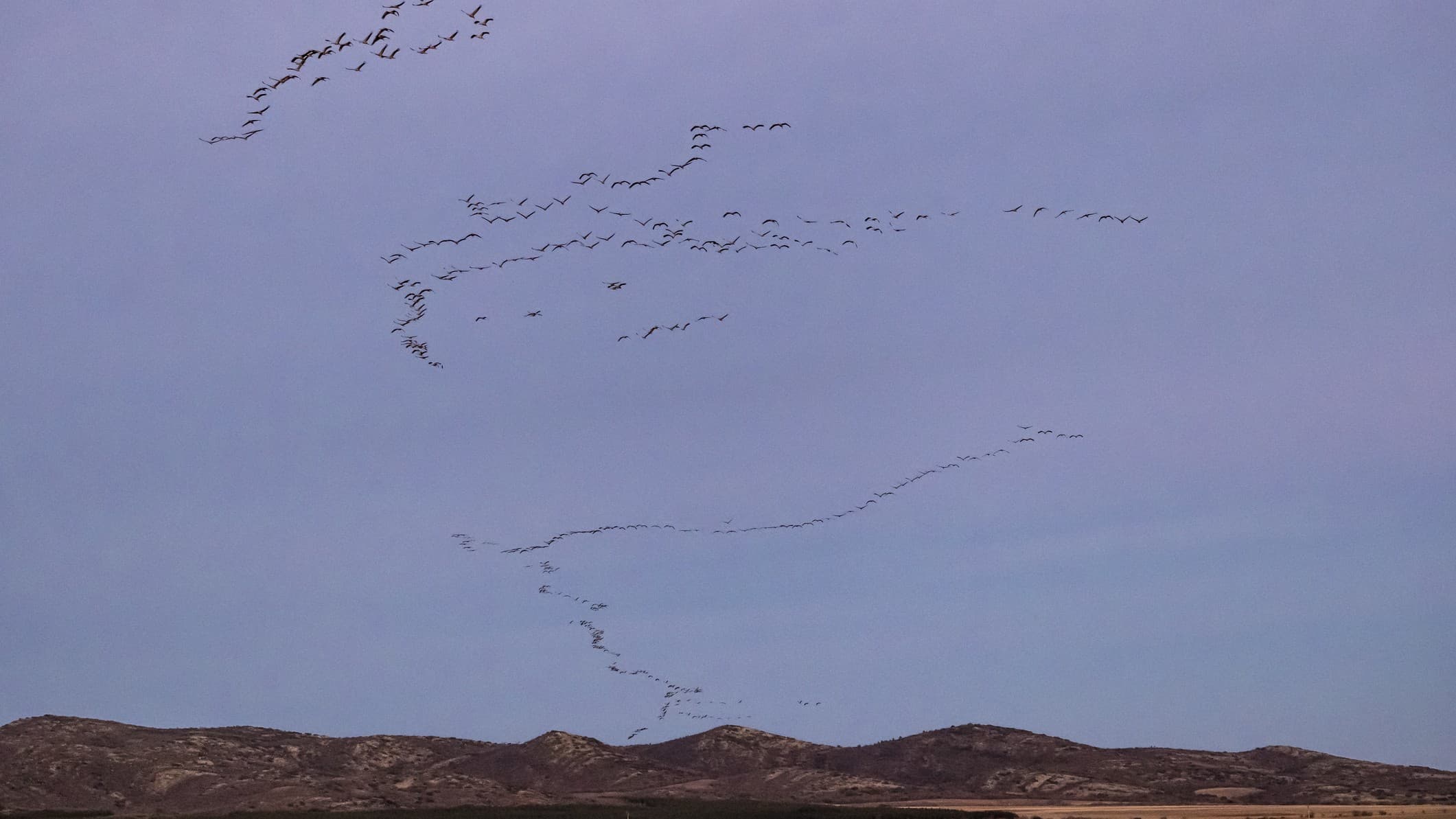
The wetlands near Alfaro in La Rioja provide flat terrain and open skies. The region is home to one of Europe's largest white stork colonies. Birdwatchers and eclipse chasers could combine interests here, though the stork activity peaks earlier in summer.
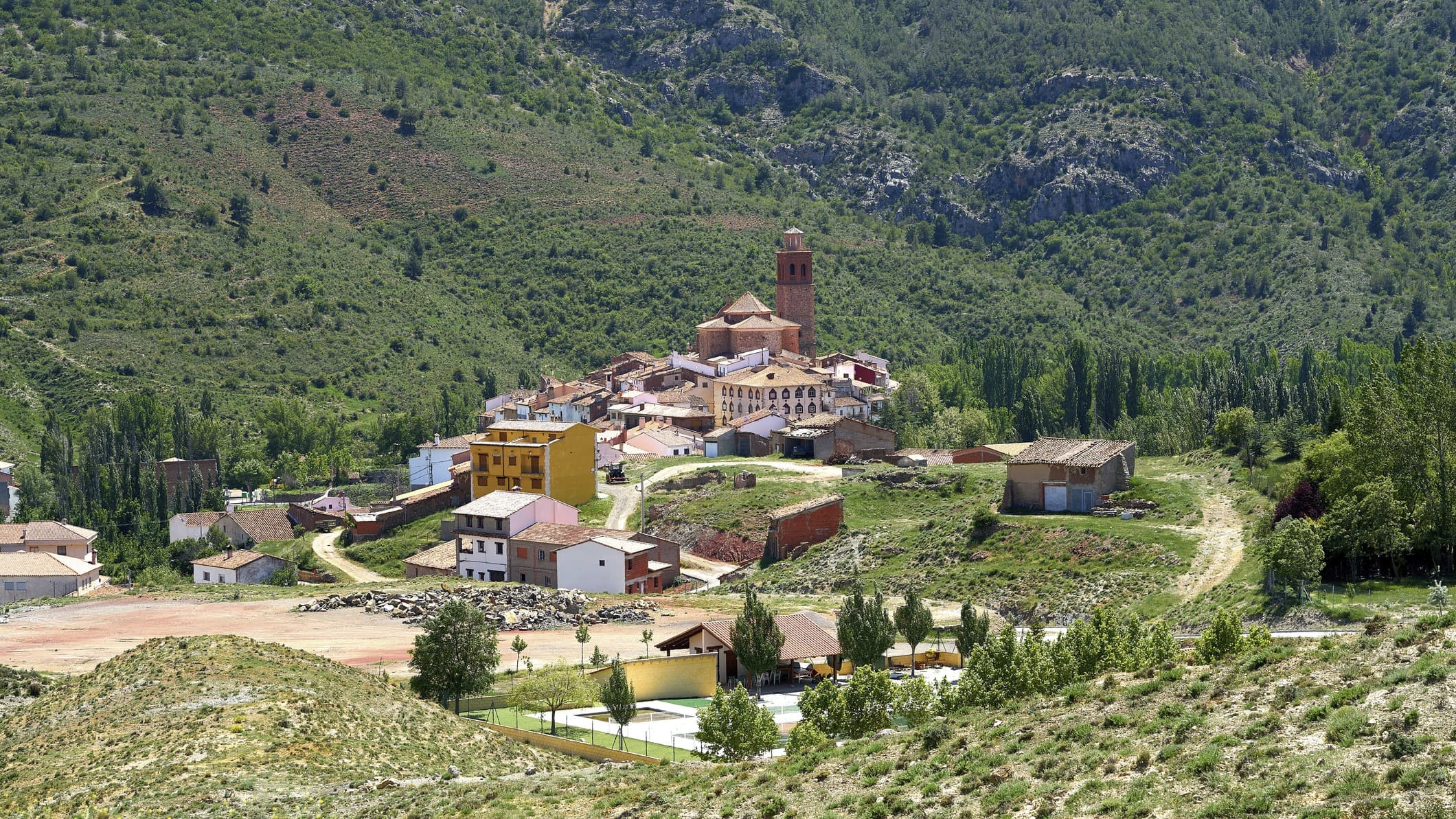
7. Arcos de las Salinas, Teruel
Located in the mountainous Teruel province, this village sits at elevation with views across surrounding valleys. The region has low population density and minimal light pollution. August weather in Teruel tends toward hot and dry, which favors clear skies.
8. Fortaleza Califal de Gormaz, Soria
The ruins of this 10th-century Moorish fortress sit on a ridge overlooking the Duero River valley. At nearly a kilometer long, it's one of the largest fortifications in Europe. The elevated position offers panoramic views toward the west, ideal for tracking the setting sun during totality.
9. Lago Enol, Asturias
This glacial lake in the Picos de Europa mountains offers dramatic scenery, though mountain terrain creates horizon challenges. The sun will be higher in northwestern Spain (around 10 degrees), giving more margin for error. Weather in mountain regions is less predictable, so have backup plans.
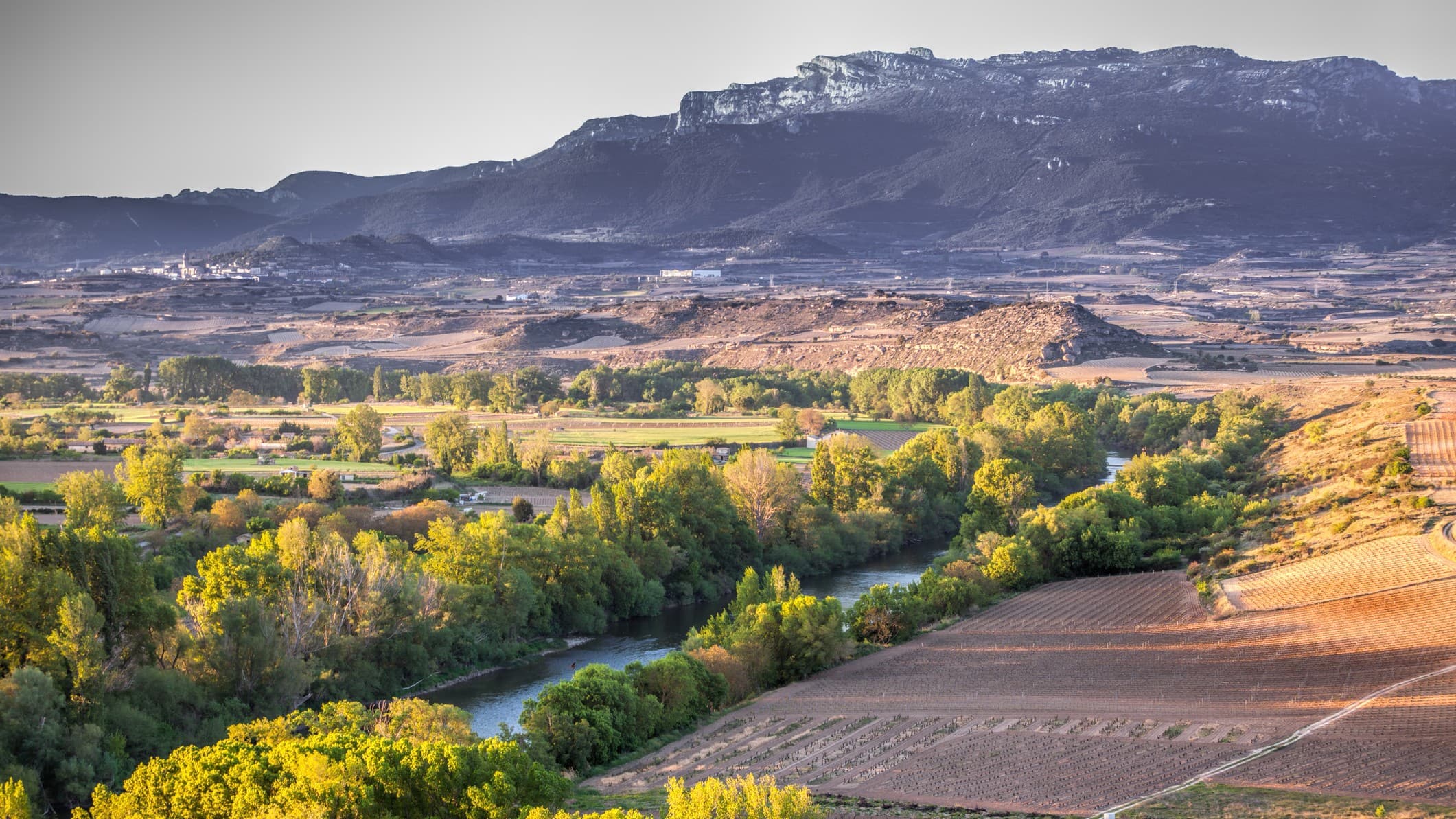
10. San Vicente de la Sonsierra, La Rioja
Surrounded by vineyards in the Rioja wine region, this hilltop village combines wine culture with eclipse viewing potential. The castle ruins at the village summit provide elevated sightlines. Consider arriving early to scout positions and sample local wines the night before.
Planning Tools and Resources
Several resources can help finalize your viewing location. Xavier Jubier's Interactive Google Map includes precise timings and built-in sightline analysis from any point. The Eclipse App and Eclipse Horizon Checker verify whether terrain will obstruct your view. Time and Date provides historical cloud cover statistics.
The best practice: arrive at your chosen location the evening before. Watch the sunset to confirm the sun actually clears the horizon from your planned viewing spot. A few degrees of obstruction could mean missing totality entirely.
What to Expect During Totality
During totality, the sun's disk disappears completely behind the moon. The corona, a wispy white halo of superheated gas extending millions of kilometers into space, becomes visible. Bright stars and planets may appear. The sky takes on a twilight quality, and temperatures can drop noticeably.
With the sun already near the horizon, the combination of eclipse darkness and sunset colors could create unusual atmospheric effects. Photographers should prepare for rapidly changing light conditions.
Frequently Asked Questions
How long will the 2026 solar eclipse totality last in Spain?
Totality duration varies by location, ranging from about 1 minute in some eastern regions to over 2 minutes in parts of the path's center. Specific durations depend on your exact viewing position.
Why is the August 2026 eclipse happening at sunset?
The moon's shadow crosses Spain in the late afternoon and evening. By the time the shadow reaches eastern Spain and the Mediterranean, the sun is very low on the horizon, creating a sunset eclipse effect.
Can I use regular sunglasses to view the eclipse?
No. You need certified eclipse glasses or solar filters during partial phases. Only during the brief totality period, when the sun is completely blocked, is it safe to view without protection.
What happens if clouds block the eclipse?
Cloud cover will prevent you from seeing the corona and diamond ring effects. However, you'll still experience the sudden darkness of totality. Check forecasts and consider mobile backup locations.
When is the next total solar eclipse in Europe after 2026?
After the August 2026 eclipse, the next total solar eclipse visible from mainland Europe will occur in 2027, crossing Spain and northern Africa on August 2.
Need Help Implementing This?
Source: Latest from Space.com
Huma Shazia
Senior AI & Tech Writer
Produced with AI assistance and reviewed by the Logicity editorial team. Learn more in our Editorial Policy.