MuleSoft Pricing in 2026: Is the Enterprise Tax Worth It?
Key Takeaways
- MuleSoft doesn't publish pricing; expect median contracts around $69,290 annually for mid-market implementations
- Total cost includes subscription plus $170,000+ developer salaries, training, and ongoing maintenance
- The platform makes sense for complex Salesforce-centric enterprises, but simpler iPaaS tools work better for most teams
MuleSoft started in the mid-2000s as Mule ESB, an open-source project that let developers connect applications without writing custom integration code. I remember those days. We were stitching systems together with CSV transfers and hoping nothing broke overnight. MuleSoft changed that.
Fast forward to 2026. Salesforce bought MuleSoft for $6.5 billion, and the free open-source tool is now a premium enterprise platform. The question everyone asks: is it worth the price?
What MuleSoft Actually Costs
MuleSoft doesn't publish pricing. You'll need to talk to their sales team for exact figures. But we can piece together what companies actually pay.
That's the median. Enterprise deals run much higher. And the subscription is just the starting point.
Anypoint Platform Tiers
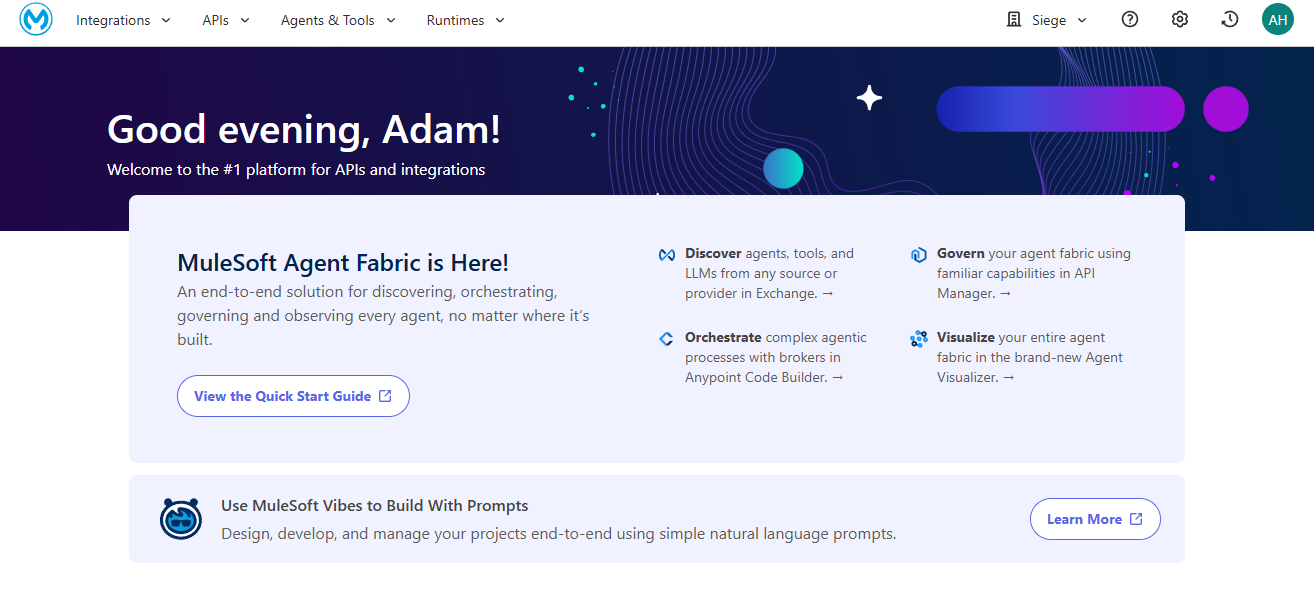
MuleSoft's core offering is the Anypoint Platform. It comes in three tiers, each with different capabilities and price points.
- Integration Starter: Build and deploy APIs, connect systems and data sources, access MuleSoft's API marketplace. Entry-level pricing, but no production deployment during the 30-day trial.
- Integration Advanced: Full feature set for complex enterprise workflows. Higher pricing tier.
- API Management Solution: Focused on API governance and lifecycle management. Separate pricing track.
Salesforce announced a 6.5% enterprise-wide price increase in June 2025 that affected MuleSoft ecosystem components. MuleSoft also shifted from infrastructure-based pricing (vCores) to consumption-based billing for certain deployment types.
The Hidden Costs Nobody Mentions
The subscription fee tells half the story. MuleSoft's technical complexity means you need specialized talent to run it.
MuleSoft developers who know DataWeave (the platform's transformation language) command average salaries of $170,000 or more in 2026. That's not a typo. The talent pool is small, and demand is high.
Add training costs for existing staff, ongoing maintenance, and the time it takes to build integrations properly. A realistic total cost of ownership runs 3-4x the subscription price.
Who Should Actually Pay for MuleSoft
MuleSoft makes sense in specific situations. It doesn't make sense in most.
✅ Pros
- • Deep Salesforce integration as Salesforce's native iPaaS
- • Enterprise-grade API management and governance
- • Foundation for Salesforce's Agentforce AI automation
- • Handles complex, multi-system architectures that simpler tools can't manage
❌ Cons
- • No published pricing forces sales conversations for quotes
- • Requires expensive specialized developers
- • Overkill for most integration needs
- • Steep learning curve limits who can build and maintain workflows
The platform shines when you're already deep in Salesforce's ecosystem and need to connect complex enterprise systems. MuleSoft now serves as the data foundation for Agentforce, Salesforce's AI agent platform. If you're building autonomous AI assistants that interact with enterprise data, MuleSoft is the plumbing that makes it work.
“AI readiness is no longer optional. MuleSoft is the critical automation fabric that enables AI agents to action data across fragmented enterprise systems.”
— IDC Analyst, Worldwide Low-Code Technology Report 2025
MuleSoft vs. Zapier: Different Tools for Different Jobs
Comparing MuleSoft to Zapier is like comparing a commercial airplane to a car. Both get you places. The right choice depends on where you're going.
| Factor | MuleSoft | Zapier |
|---|---|---|
| Pricing Model | Quote-based, consumption billing | Published tiers starting at $19.99/month |
| Target User | Developers, IT teams | Business users, no-code builders |
| Complexity | High (DataWeave, API-led design) | Low (visual workflow builder) |
| Salesforce Integration | Native, deep | Available via connectors |
| AI Capabilities | Agentforce foundation | AI actions within workflows |
| Time to First Integration | Weeks to months | Hours to days |
Zapier wins on accessibility. Anyone can build a workflow without writing code. MuleSoft wins on power. It handles enterprise architectures that Zapier wasn't designed for.
Most companies don't need MuleSoft. If your integration needs involve connecting SaaS apps, automating business processes, and moving data between systems, Zapier or similar tools do the job at a fraction of the cost.
The Market Context
MuleSoft operates in a concentrated market. The top five iPaaS players (MuleSoft, Boomi, Informatica, Microsoft, and SAP) hold 56% combined market share in 2026.
Salesforce's Integration and Analytics segment, which includes MuleSoft, generated $5.78 billion in annual revenue for FY2025. That's a lot of companies paying for enterprise integration.
Getting Started Without Committing
MuleSoft offers a 30-day free trial of the Anypoint Platform. No credit card required. You can build and test integrations, but you can't deploy to production.
The trial is useful for technical evaluation. It won't tell you what the platform actually costs. For that, you need the sales conversation.
Another look at when enterprise-grade solutions are overkill
Logicity's Take
Frequently Asked Questions
How much does MuleSoft cost per year?
MuleSoft doesn't publish pricing. Median annual contracts for mid-market implementations run around $69,290 in 2026, with enterprise deals going much higher. Total cost of ownership including developers and maintenance typically runs 3-4x the subscription.
Is MuleSoft free?
No. MuleSoft was open-source in the 2000s but is now a paid Salesforce product. A 30-day free trial is available for the Anypoint Platform, but it doesn't allow production deployments.
What's cheaper than MuleSoft?
Most iPaaS alternatives cost less. Zapier starts at $19.99/month with published pricing. Boomi, Workato, and Microsoft Power Automate also offer lower entry points for teams that don't need MuleSoft's enterprise capabilities.
Does MuleSoft require coding?
Yes, for most serious work. MuleSoft uses DataWeave, a proprietary transformation language, and follows an API-led design approach. Developers who know DataWeave command $170,000+ salaries because the skill is specialized.
Is MuleSoft worth it for small businesses?
Rarely. MuleSoft is designed for enterprise integration with complex systems. Small businesses with straightforward integration needs will find better value in no-code platforms like Zapier or Make.
Need Help Implementing This?
Source: The Zapier Blog
Huma Shazia
Senior AI & Tech Writer
مقالات ذات صلة
تصفح الكل
9 ميزات في Google Forms تحوّل الاستبيانات إلى أدوات عمل متكاملة
يُنظر إلى Google Forms غالباً على أنه أداة بسيطة لإنشاء الاستبيانات، لكن هذا التصور يُغفل قدرات حقيقية تجعل منه محركاً لسير العمل المؤسسي. بحصة سوقية تبلغ 48.45% في قطاع برمجيات الاستبيانات عالمياً، ل
أفضل 9 تطبيقات لياقة بدنية في 2026: اختبرناها ورتّبناها لك
إن كنت تشعر بالحيرة أمام عشرات تطبيقات اللياقة البدنية المتاحة اليوم، فأنت لست وحدك. السوق يعجّ بالخيارات: تطبيقات للجري، وأخرى لرفع الأثقال، وثالثة لتتبّع النشاط اليومي الشامل. المشكلة أن المقارنة بي
اقرأ أيضاً

iQOO Z11i يظهر في الصين: هاتف vivo Y60 بثوب جديد وبطارية 6,500 مللي أمبير
بدأت iQOO بالتشويق لهاتفها الجديد Z11i في السوق الصينية، ليُضاف إلى عائلة Z11 المتنامية التي باتت تضم نماذج عدة. الهاتف يأتي ببطارية ضخمة سعة 6,500 مللي أمبير، لكن تسريبات من منصة Weibo تشير إلى أنه ق

Honor Watch 6: بطارية تدوم 35 يوماً في ساعة تزن 68 غراماً فقط
كشفت Honor عن ساعتها الذكية الجديدة Honor Watch 6، وهي تطرح سؤالاً مباشراً على منافسيها: كيف تحشرون بطارية بسعة 980mAh في ساعة لا يتجاوز وزنها مع السوار 68 غراماً، وتجعلونها تدوم 35 يوماً كاملة؟ هذا ل

الإمارات تحظر وسائل التواصل الاجتماعي على من هم دون 15 عاماً: أول دولة عربية تتخذ هذه الخطوة
في خطوة تاريخية تضع الإمارات في طليعة الدول العربية، أعلنت الحكومة الإماراتية حظر وسائل التواصل الاجتماعي على الأطفال دون 15 عاماً حظراً فعلياً، لتصبح بذلك أول دولة عربية تتخذ إجراءً بهذا الحجم لحماية