DNSSEC validation, not your DNS provider, might break sites
Key Takeaways
- DNSSEC validation failures cause specific sites to not load, even on fast, reliable DNS providers
- The fix is often a single toggle in your router or ISP app settings, not switching DNS servers
- About 50% of home network support calls trace back to DNS configuration issues
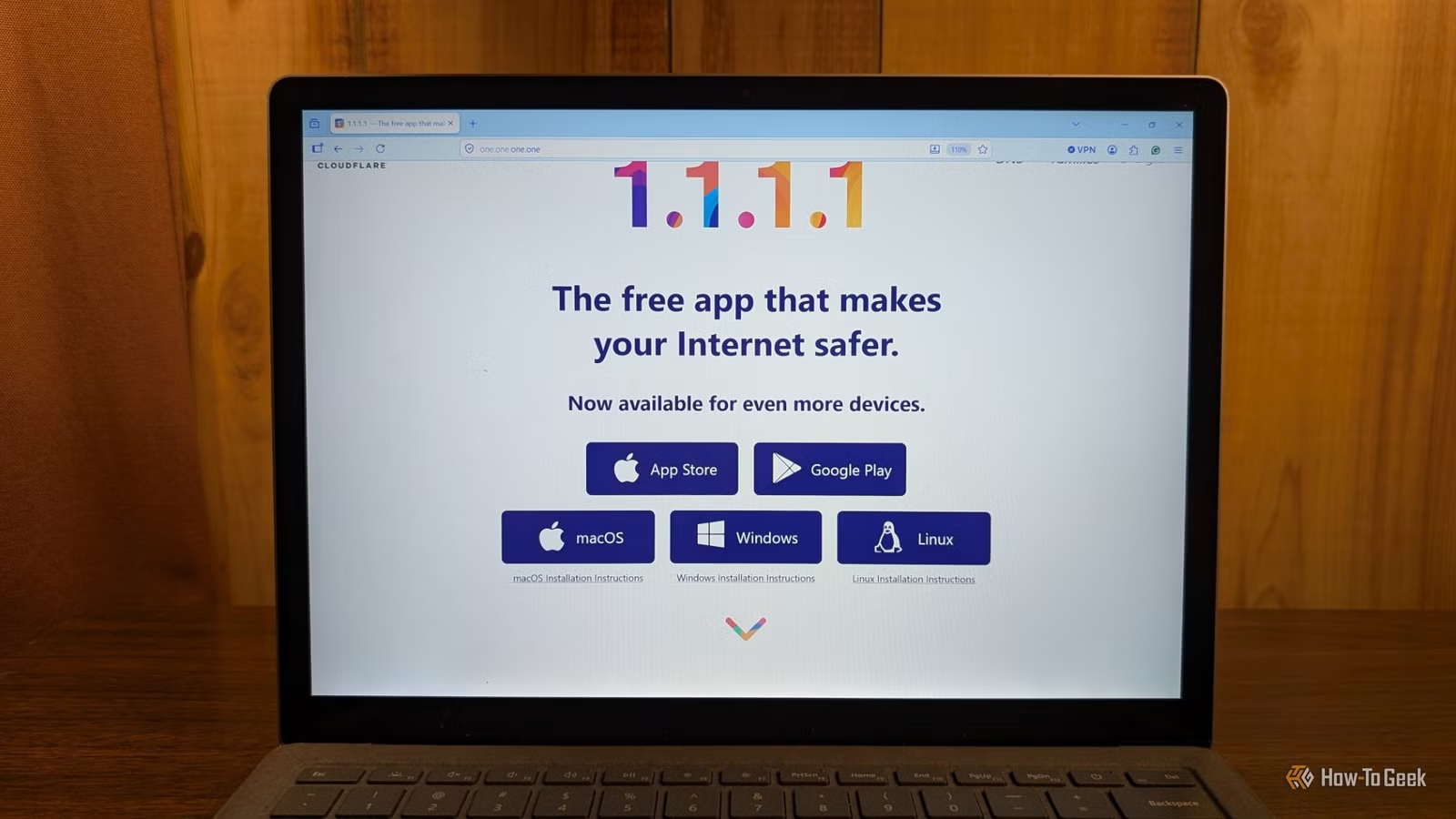
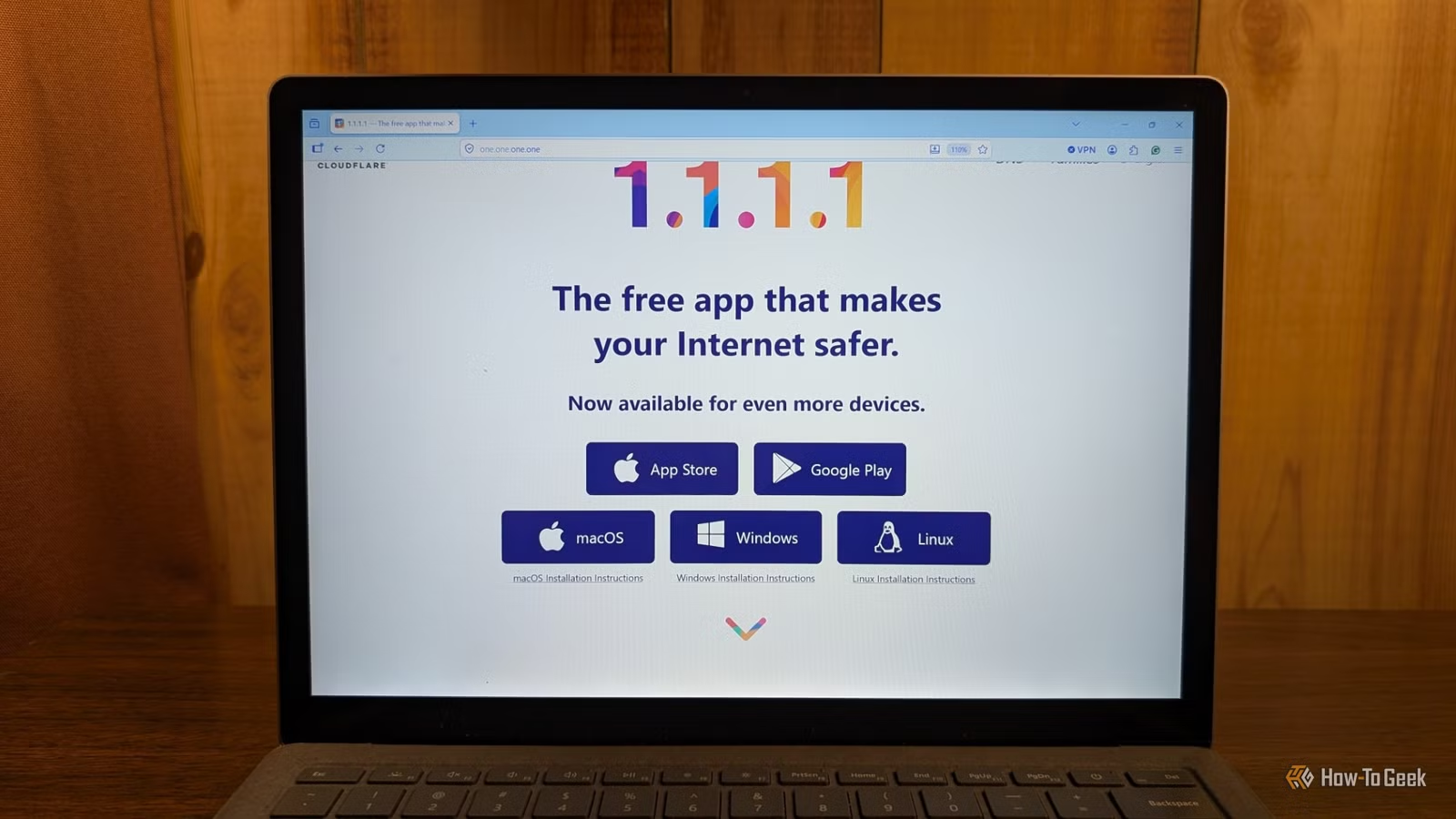
DNSSEC validation, not your choice of DNS provider, is often the reason certain websites refuse to load. A tech journalist recently documented switching between her ISP's DNS, Google (8.8.8.8), and Cloudflare (1.1.1.1) three times before discovering the actual culprit: a security validation setting that silently blocked domains with expired or misconfigured certificates. The fix took seconds once she found it.
DNS is the internet's phonebook, translating domain names into IP addresses. When a site fails to load, blaming the resolver is instinctive. But Monica J. White's experience at How-To Geek illustrates a subtler problem: a DNS provider can be fast, stable, and perfectly functional while still refusing to return results for domains that fail DNSSEC validation.
Why does DNSSEC validation break websites?
DNSSEC adds cryptographic signatures to DNS records to prevent spoofing and cache poisoning. When enabled, your resolver checks these signatures before returning an IP address. If a website's DNSSEC records are outdated, misconfigured, or expired, the resolver rejects the lookup entirely. The site appears down, even though the server is running fine.
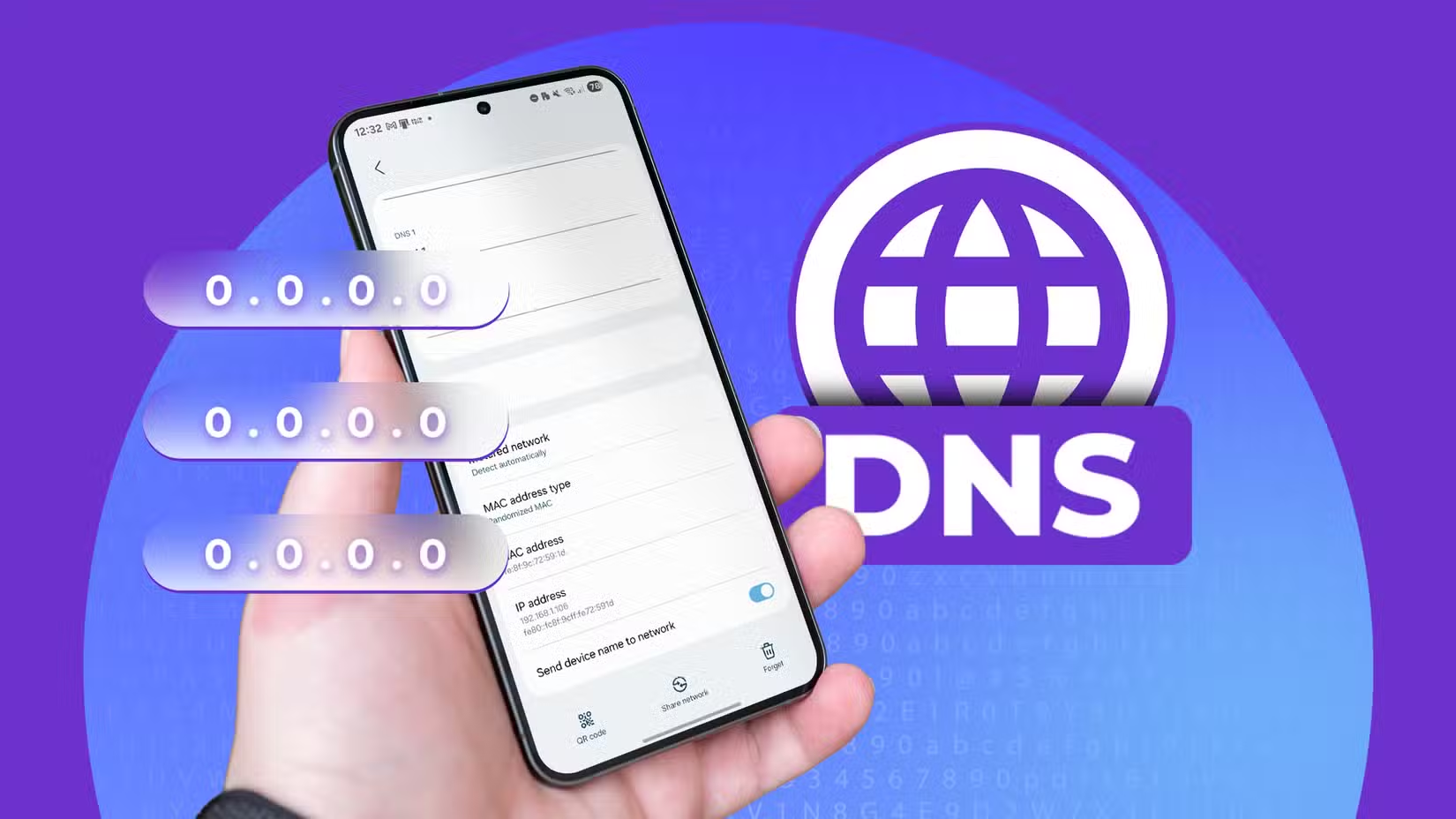
The frustrating part: most users have no visibility into why the lookup failed. Browsers just spin. Error messages are vague. Switching DNS providers doesn't help because Google, Cloudflare, and most ISPs all enforce DNSSEC validation by default. You're hopping between resolvers that all agree the domain's signatures are invalid.
Where to find the hidden DNSSEC toggle
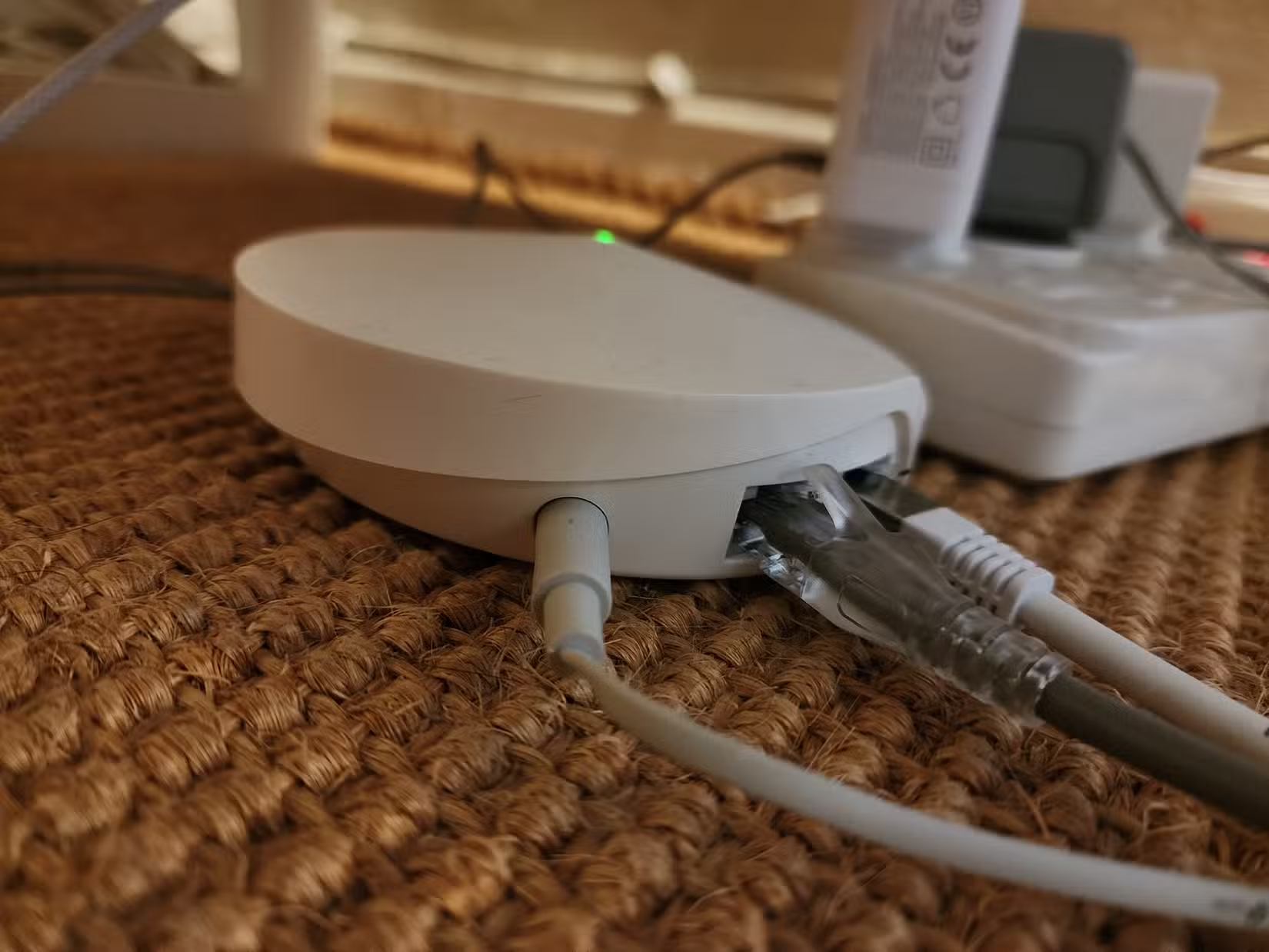
The setting lives in different places depending on your setup. Router firmware often buries it under advanced DNS or security menus. Some ISPs expose it in their mobile apps under 'shield' or 'protection' features. The toggle might be labeled 'DNSSEC validation,' 'DNS security,' or something equally opaque.
Disabling DNSSEC validation means your resolver will return IP addresses for domains with broken signatures. This trades some security for connectivity. For most home users hitting occasional broken sites, it's a reasonable tradeoff. Enterprise networks with stricter security requirements should investigate why specific domains fail validation instead.
The real problem: broken DNSSEC on the server side
Website operators bear responsibility here too. DNSSEC requires maintaining valid signatures on DNS records. When certificates expire or zone transfers go wrong, the site becomes unreachable for anyone using a validating resolver. It's not your router's fault. It's the site admin who forgot to renew their DNSSEC keys.
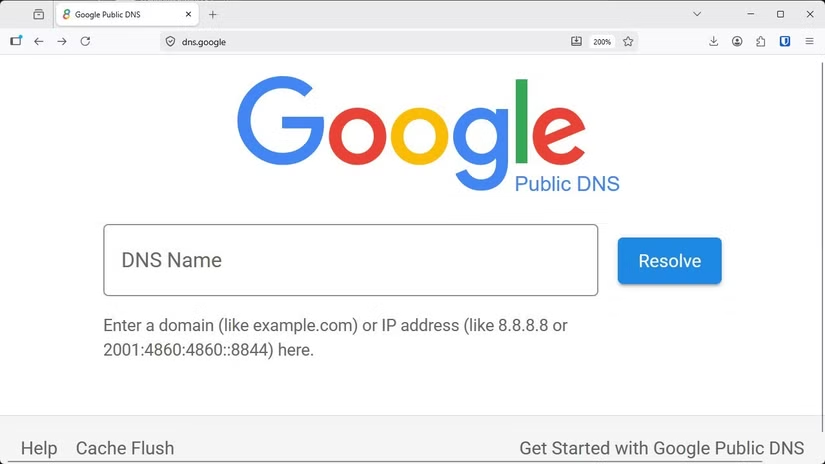
Major public resolvers handle around 150 million DNS queries daily. Most work fine. But even a small percentage of DNSSEC validation failures affects millions of page loads. The protocol was designed to improve security, but poor implementation on the server side creates collateral damage.
How to diagnose DNSSEC failures before disabling validation
Before toggling off DNSSEC entirely, test whether validation is actually the issue. Tools like DNSViz (dnsviz.net) show the full chain of DNSSEC signatures for any domain. If the visualization shows broken or expired signatures, you've confirmed the problem. You can also use dig +dnssec from a command line to see raw validation status.

If only one or two domains fail, consider adding them to a local hosts file as a workaround instead of disabling DNSSEC globally. This preserves validation for everything else while bypassing the broken domains.
Another 'hidden setting' causing tech headaches
Why switching DNS providers feels like it should work
The instinct to switch DNS providers makes sense. ISP resolvers have earned bad reputations for slowness, filtering, and logging. Google and Cloudflare market themselves as faster and more private alternatives. But for DNSSEC validation failures, all three behave identically. They all validate. They all reject the same broken signatures.
The actual performance differences between major public resolvers are measured in single-digit milliseconds. Unless you're running latency-sensitive applications, you won't notice. What you will notice is sites that won't load, and no amount of provider-hopping fixes that if validation is the root cause.
Another common troubleshooting instinct that misses the real issue
Logicity's Take
DNSSEC is a 20-year-old protocol that never achieved widespread, competent adoption. The internet community pushed it as a security essential, but lazy implementation on the server side means it now causes more visible failures than it prevents attacks. For most home users, disabling validation is pragmatic. The security benefit was always theoretical for endpoints that don't verify signatures themselves.
Frequently Asked Questions
Does disabling DNSSEC validation make my network less secure?
Slightly. DNSSEC prevents DNS spoofing attacks where someone redirects your traffic to a fake site. In practice, HTTPS provides similar protection at the application layer, so the incremental risk for home users is minimal.
Why do some sites fail DNSSEC validation?
Usually because the site operator let their DNSSEC keys expire or misconfigured their DNS zone. The site works fine for users on non-validating resolvers, so operators often don't notice the problem.
Is Cloudflare DNS faster than Google DNS?
In most benchmarks, Cloudflare (1.1.1.1) edges out Google (8.8.8.8) by a few milliseconds. The difference is imperceptible for normal browsing. Both enforce DNSSEC validation, so neither solves validation failures.
How do I know if DNSSEC is causing my site loading issues?
Use DNSViz.net to check the domain's DNSSEC chain. If it shows broken or expired signatures, validation is likely your problem. You can also try loading the site on a mobile hotspot, which may use a non-validating resolver.
Need Help Implementing This?
If DNS issues are affecting your business operations or you need help auditing your network's security settings, Logicity can connect you with infrastructure specialists. Contact our team for recommendations tailored to your setup.
Source: How-To Geek
Manaal Khan
Tech & Innovation Writer
مقالات ذات صلة
تصفح الكل
5 إعدادات في متصفحك تسرّب بياناتك حتى مع تفعيل VPN
ماذا لو أخبرتك أن متصفحك المفضل يسلّم عنوان IP الحقيقي وموقعك الفعلي وعادات تصفحك لأي موقع يطلبها، حتى مع تفعيل VPN؟ هذا بالضبط ما يحدث لملايين المستخدمين يومياً، ومنهم من يكتشف ذلك بالصدفة عند إجراء

كيف تعرض شاشة هاتف Android على التلفزيون مجاناً باستخدام Google Cast
هل تبحث عن طريقة لعرض شاشة هاتف Android على التلفزيون دون دفع أموال لتطبيقات مليئة بالإعلانات أو شراء كابلات HDMI؟ الحل موجود فعلياً داخل هاتفك: ميزة Google Cast المدمجة في نظام Android 16 تتيح لك بث
4 تطبيقات سامسونج تستحق البقاء على هاتفك Galaxy
يأتي هاتف Galaxy الجديد محملاً بأكثر من 50 تطبيقاً مُثبتاً مسبقاً، وليست جميعها ضرورية. لكن وسط هذا الكم من التطبيقات، تبرز أربعة تطبيقات سامسونج تستحق فعلاً أن تبقى على جهازك — بل قد تفضّلها على بدائ

استدعاءات يونيو 2026 للسيارات: Ford وHonda وToyota تسحب ملايين المركبات من الأسواق
سجّلت الهيئة الوطنية الأمريكية لسلامة المرور على الطرق السريعة NHTSA أكثر من 300 استدعاء للسلامة شملت أكثر من 100 شركة مصنّعة منذ بداية عام 2026، لكن استدعاءات يونيو 2026 للسيارات جاءت الأضخم والأخطر.
اقرأ أيضاً

iQOO Z11i يظهر في الصين: هاتف vivo Y60 بثوب جديد وبطارية 6,500 مللي أمبير
بدأت iQOO بالتشويق لهاتفها الجديد Z11i في السوق الصينية، ليُضاف إلى عائلة Z11 المتنامية التي باتت تضم نماذج عدة. الهاتف يأتي ببطارية ضخمة سعة 6,500 مللي أمبير، لكن تسريبات من منصة Weibo تشير إلى أنه ق

Honor Watch 6: بطارية تدوم 35 يوماً في ساعة تزن 68 غراماً فقط
كشفت Honor عن ساعتها الذكية الجديدة Honor Watch 6، وهي تطرح سؤالاً مباشراً على منافسيها: كيف تحشرون بطارية بسعة 980mAh في ساعة لا يتجاوز وزنها مع السوار 68 غراماً، وتجعلونها تدوم 35 يوماً كاملة؟ هذا ل

الإمارات تحظر وسائل التواصل الاجتماعي على من هم دون 15 عاماً: أول دولة عربية تتخذ هذه الخطوة
في خطوة تاريخية تضع الإمارات في طليعة الدول العربية، أعلنت الحكومة الإماراتية حظر وسائل التواصل الاجتماعي على الأطفال دون 15 عاماً حظراً فعلياً، لتصبح بذلك أول دولة عربية تتخذ إجراءً بهذا الحجم لحماية