Key Takeaways

- Zapier now frames itself as an AI orchestration platform, not just a workflow automation tool
- New MCP feature lets AI assistants like Claude take actions across 9,000+ apps through Zapier's governed layer
- SOC 2 Type II certification covers the main platform but excludes the SDK, which is still in open beta
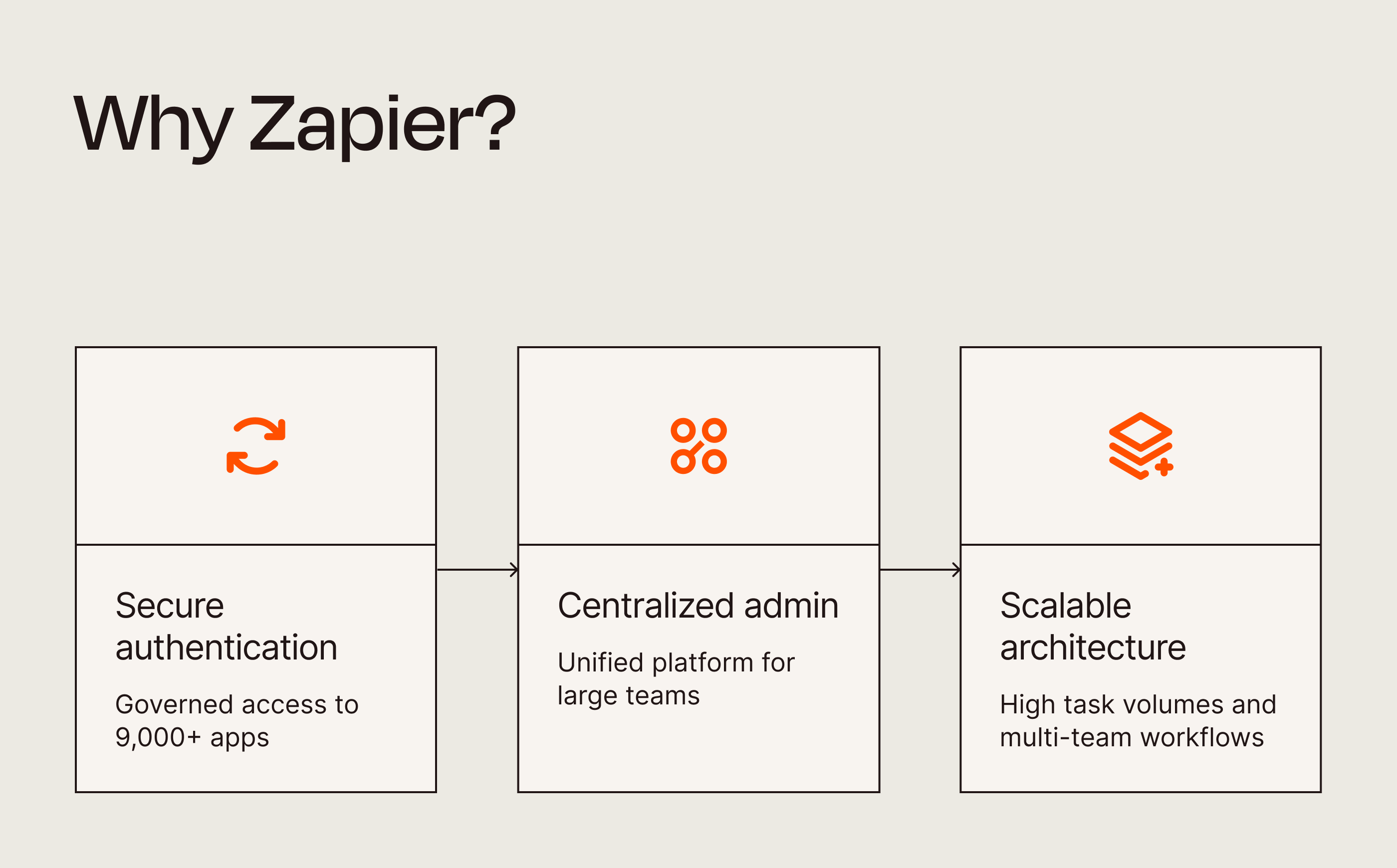
Zapier is repositioning itself from a simple task automation tool to what it calls an "AI orchestration platform" for enterprise teams. The company's pitch: its 9,000+ app integrations become the governed backbone through which AI agents can act, with IT controlling exactly which apps any given agent can touch.
Disclosure
Some links in this post are affiliate links — Logicity earns a commission if you sign up, at no extra cost to you. We only link products we have used or actively recommend.
The core argument is straightforward. Enterprise teams already use dozens of apps across marketing, sales, HR, and finance. Rather than building custom integrations for each AI agent or workflow, Zapier wants to be the single connection layer. Credentials stay in Zapier's managed OAuth layer. Admins grant or revoke access from one dashboard. The AI never sees raw API keys.
What's new: MCP and SDK access for AI agents
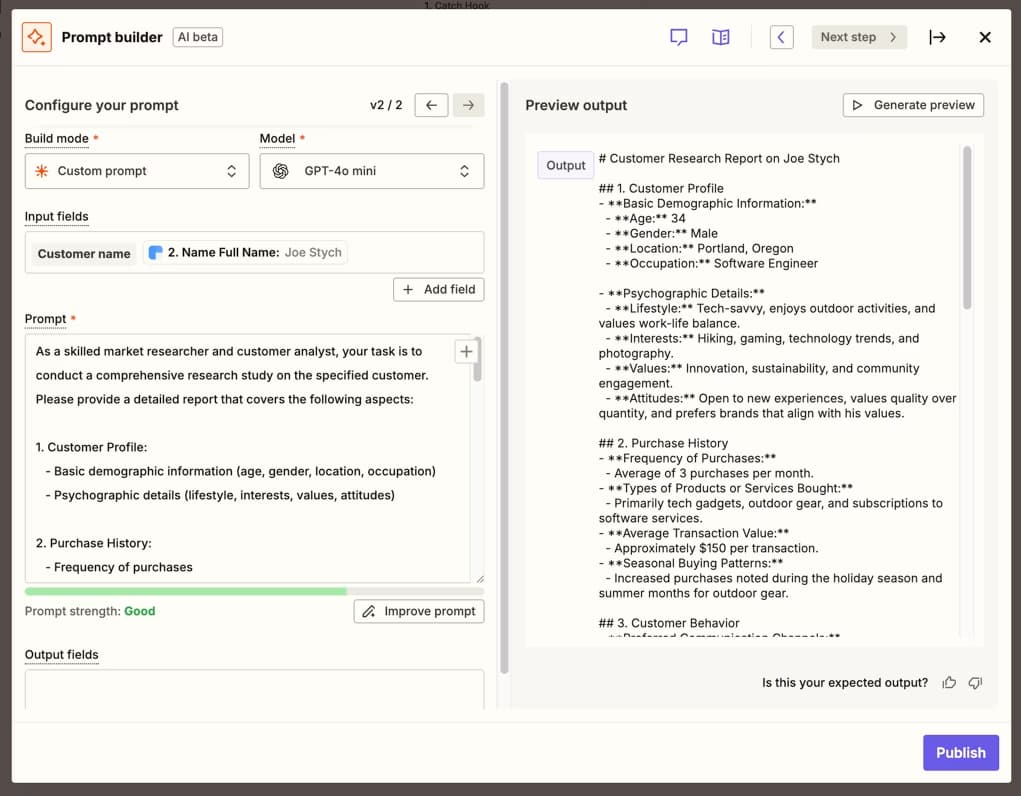
Two additions stand out. Zapier MCP lets AI assistants like ChatGPT or Claude take direct action across your connected apps from within a chat interface. Ask your AI to update a CRM record or pull information from a knowledge base, and the action runs through Zapier's governed connection layer. IT still controls which apps the AI can access.
For engineering teams building agents in code, the Zapier SDK (currently in open beta) provides the same 9,000+ integrations with OAuth and scoped permissions handled by Zapier. The point: credentials don't end up in your codebase or exposed to the model's context window.
There's a catch worth noting. Zapier's SOC 2 Type II certification doesn't cover the SDK while it remains in open beta. If your compliance team requires that certification for all production tooling, the SDK isn't ready yet.
The enterprise governance pitch
Zapier's enterprise argument hinges on control. Centralized admin settings. Automatic domain capture for new users. User provisioning that works with existing identity systems. The goal: let individual teams build their own automations within guardrails IT sets, rather than routing every integration request through a development queue.
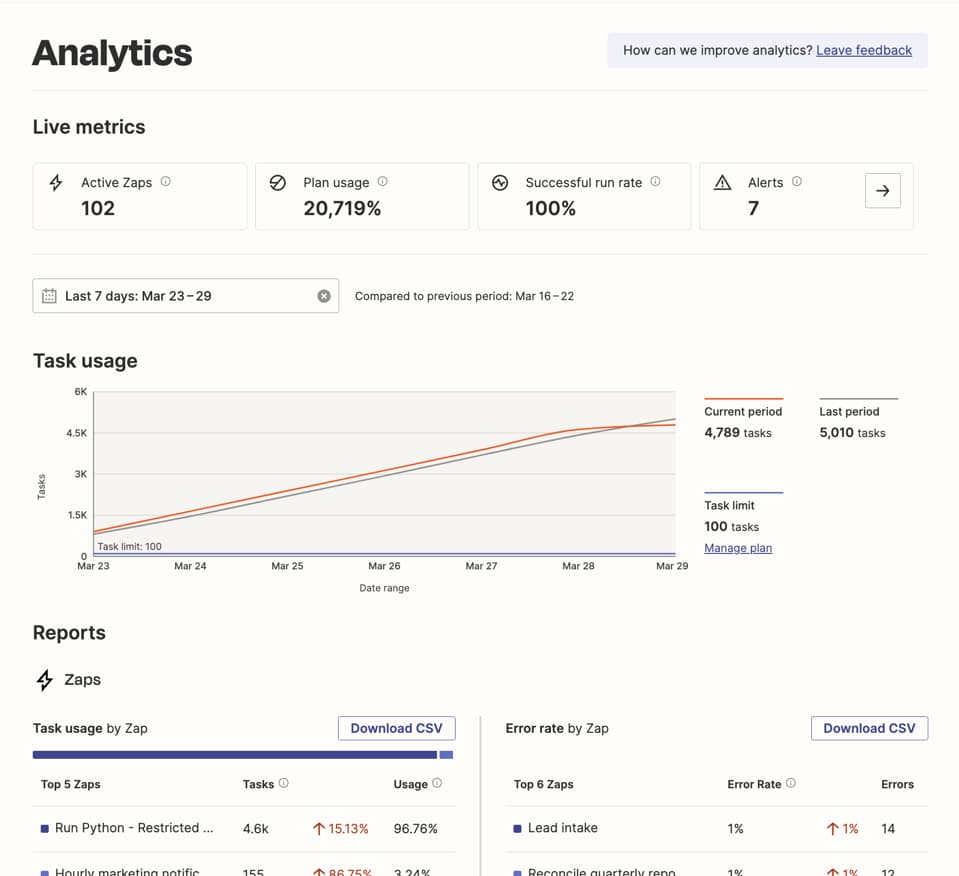
This is the "shadow IT" problem reframed. Instead of employees connecting apps through random tools IT doesn't control, everyone builds on the same governed platform. An ops manager can build workflows in the no-code editor. A developer can add code steps and API calls when needed. Everything stays visible to admins.
Beyond workflows: Tables, Forms, and Canvas
Zapier has been building out its platform beyond simple if-then automations. Zapier Tables stores and manages the data behind workflows, eliminating the need to sync multiple spreadsheets. Zapier Forms collects responses and triggers workflows immediately, so a form submission can create a project ticket or add a CRM lead without manual steps.
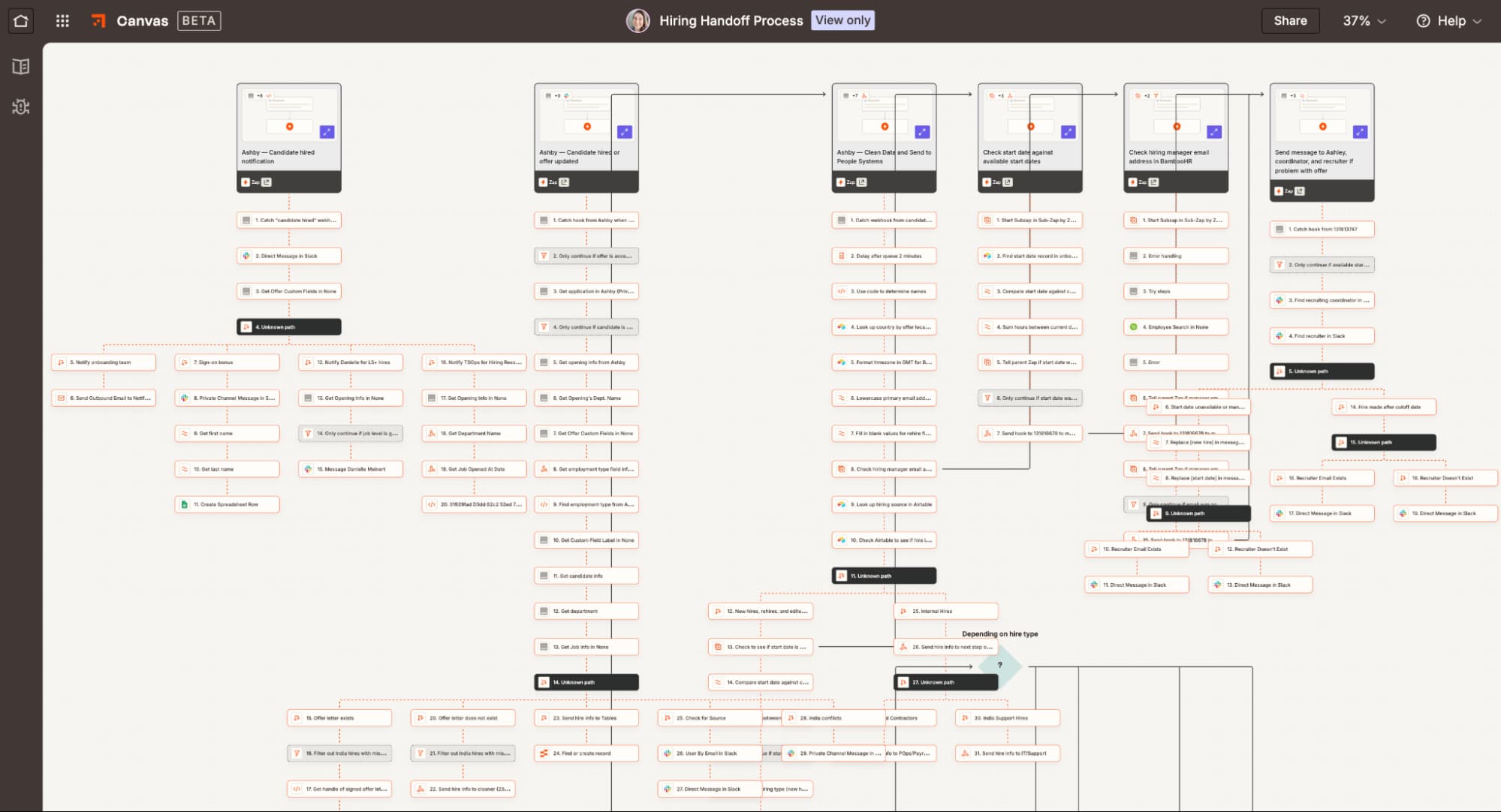
Zapier Canvas provides visual mapping for multi-step processes. You can see how data flows and where decisions happen before building the actual workflow. It's useful for documenting complex processes or explaining existing automations to stakeholders who won't dig into the workflow editor.
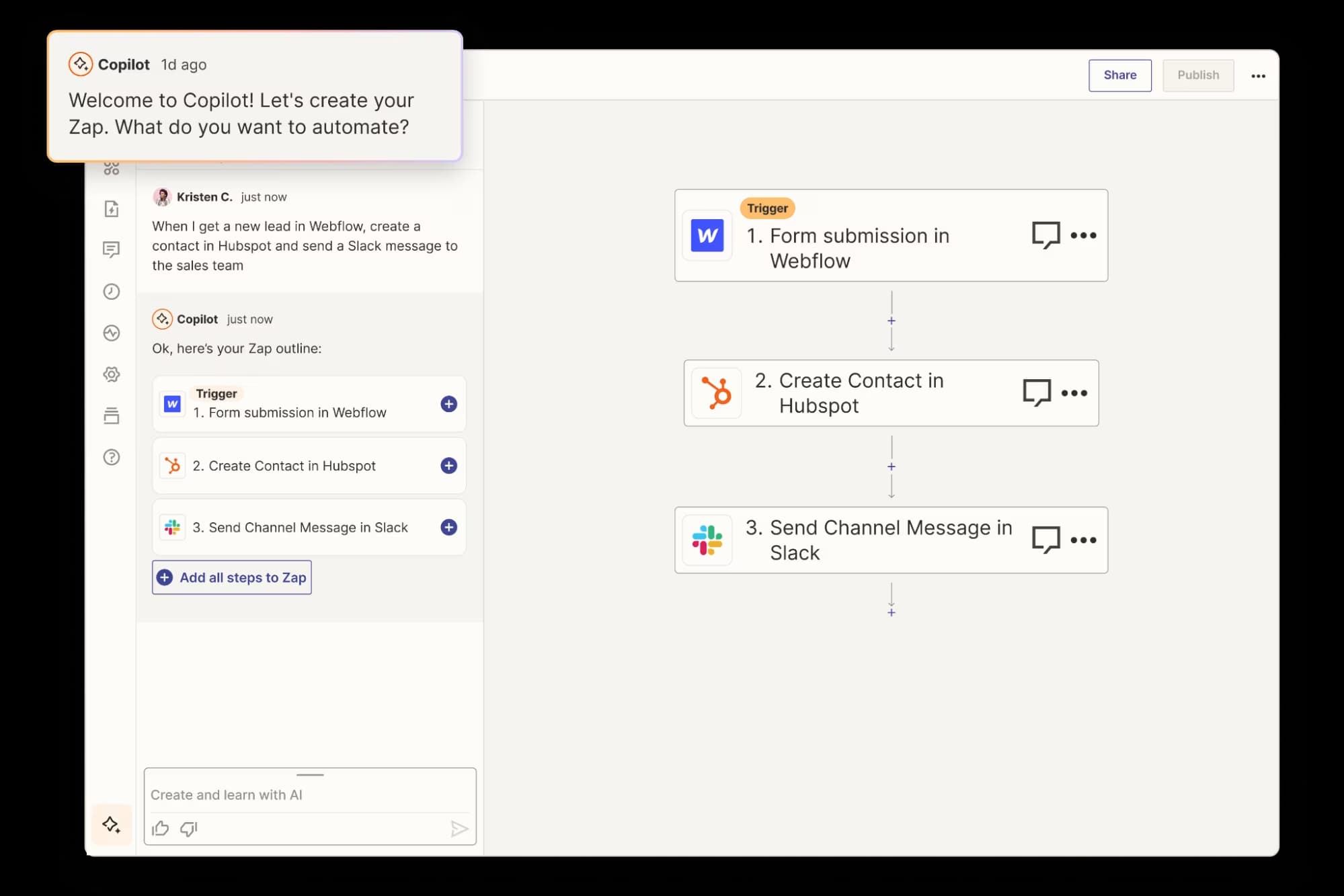
AI by Zapier adds intelligence within workflows. Summarize an email before it lands in Slack. Clean up messy data before it hits your CRM. The automation isn't just moving data; it can transform data along the way.
How does this compare to alternatives?
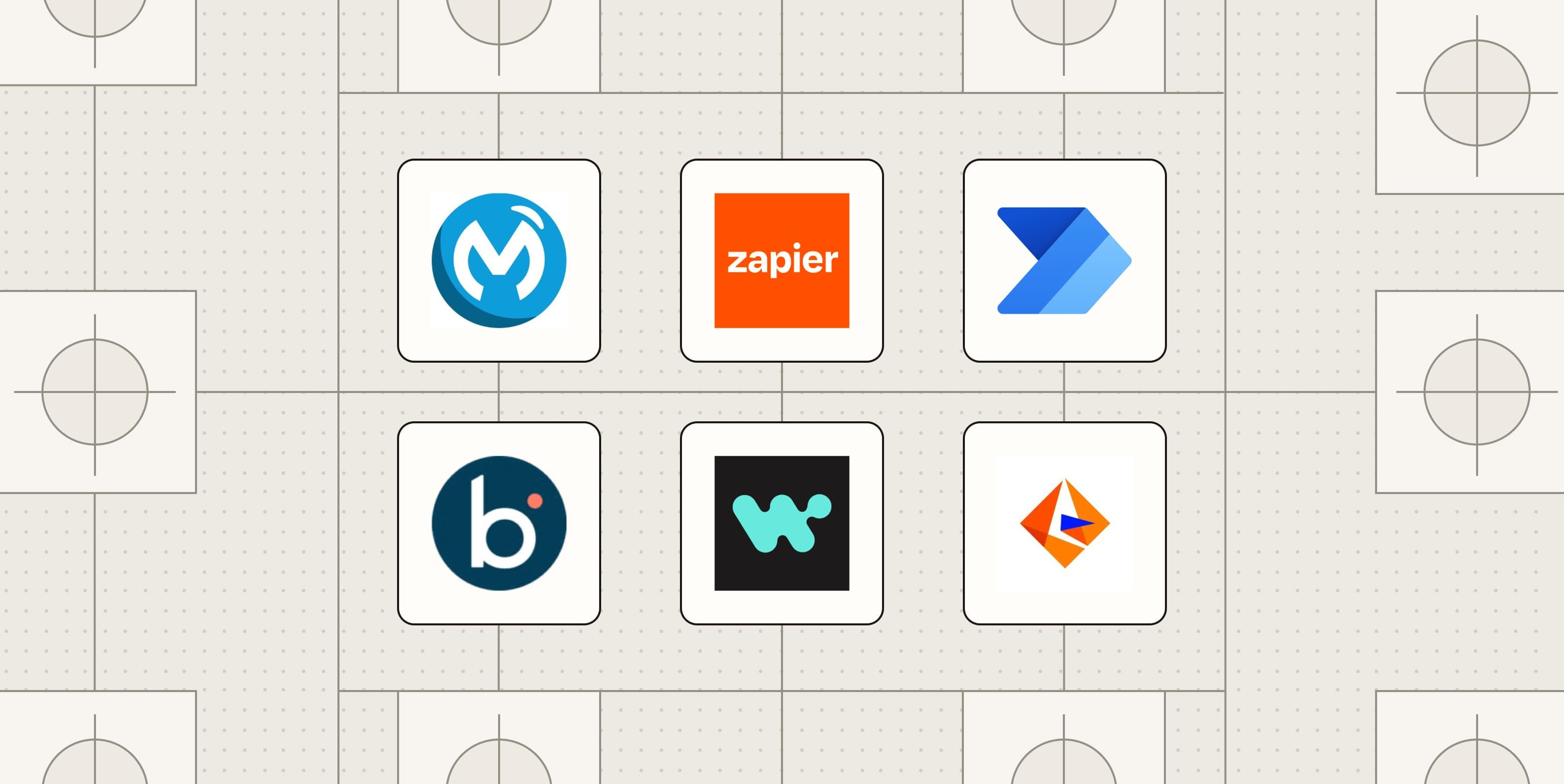
Make (formerly Integromat) offers similar visual workflow building with often lower per-task pricing for high-volume users. n8n provides a self-hosted option for teams that need data to stay on their own infrastructure. Both lack Zapier's breadth of integrations, but they may fit specific use cases better.
Zapier's advantage is the integration count and the new AI agent features. If your AI assistant needs to act across dozens of different SaaS apps, Zapier's governed connection layer is genuinely differentiated. If you're running simpler workflows or need tighter cost control at high volume, alternatives are worth evaluating.
Logicity's Take
For RevOps teams, Zapier's MCP and SDK features are the real news here. The ability to let AI agents act across your CRM, marketing automation, and support tools through a single governed layer solves a genuine problem: you don't want every AI experiment requiring its own API credentials and integration work. The trade-off is vendor lock-in. If your AI orchestration layer depends entirely on Zapier's connection management, switching costs increase. Make starts at $9/month for basic automation, n8n offers a free self-hosted tier, while Zapier's Team plan runs $69/month per user. For enterprise, you'll need to contact sales for custom pricing.
Frequently Asked Questions
Is Zapier SOC 2 compliant for enterprise use?
Yes, Zapier holds SOC 2 Type II certification for its main platform. However, the SDK currently in open beta is excluded from this certification.
Can Zapier handle complex multi-step workflows?
Zapier supports multi-step workflows with conditional logic, paths, filters, and code steps. The Canvas feature lets you map out complex processes visually before building them.
How does Zapier MCP work with AI assistants?
Zapier MCP connects AI assistants like ChatGPT or Claude to your apps through Zapier's connection layer. The AI can take actions across your tools from within a chat interface, with IT controlling which apps are accessible.
What are Zapier alternatives for enterprise automation?
Make offers similar visual workflow building with lower per-task pricing. n8n provides self-hosted options for on-premise data requirements. Both have fewer integrations than Zapier's 9,000+ apps.
Need Help Implementing This?
If your team is evaluating Zapier for enterprise automation or trying to connect AI agents to your existing tech stack, reach out to our team at Logicity. We help operations and RevOps teams design automation architectures that scale.
Source: The Zapier Blog
Huma Shazia
Senior AI & Tech Writer
Produced with AI assistance and reviewed by the Logicity editorial team. Learn more in our Editorial Policy.