In a shocking move, RFK Jr. has amended the charter of a federal vaccine advisory panel to grant himself more power to hand-pick members and loosen membership requirements. This comes after a federal judge blocked his previous selections, citing a lack of expertise in relevant fields. The updated charter has significant implications for the future of vaccine policy in the US.
Key Takeaways
- RFK Jr. has amended the charter of the CDC's Advisory Committee on Immunization Practices (ACIP) to grant himself more power
- The updated charter loosens membership requirements, allowing for less expertise in relevant fields
- A federal judge previously blocked RFK Jr.'s selections, citing a lack of balance and expertise
In This Article
- The Background: What Led to This Power Grab?
- The Court Ruling: A Setback for RFK Jr.'s Plans
- The Charter Update: A Power Grab by RFK Jr.
- The Implications: What This Means for Public Health
- What the Experts Are Saying
- Conclusion: What's Next for Vaccine Policy?
The Background: What Led to This Power Grab?
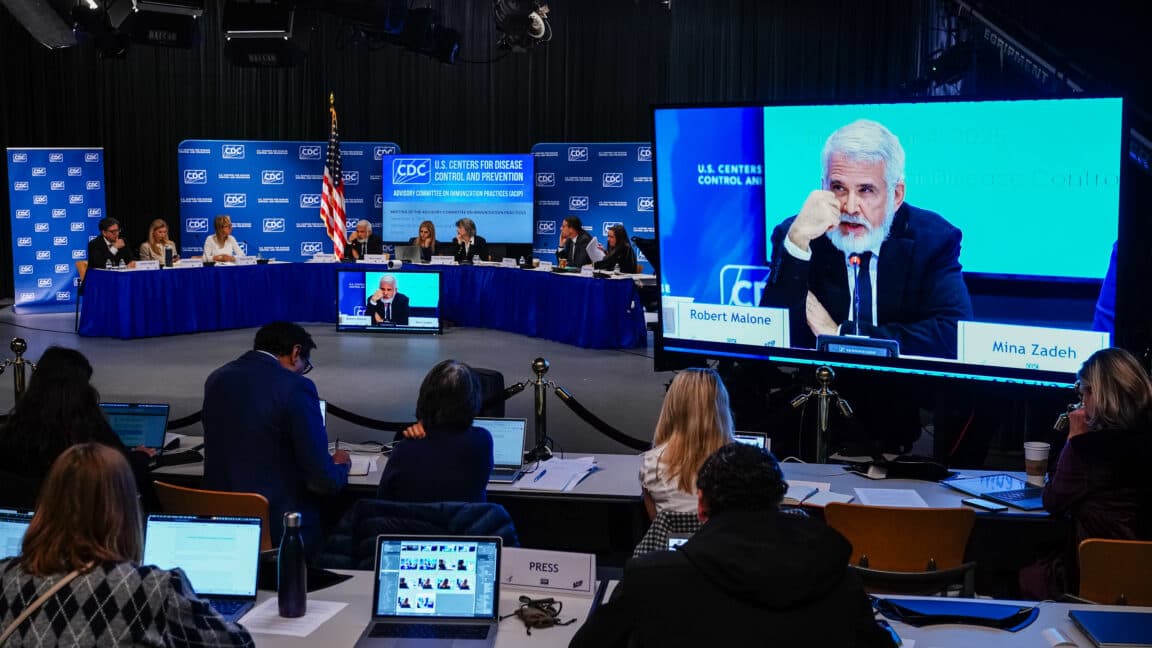
To understand the significance of RFK Jr.'s move, it's essential to know what led to this point. The Advisory Committee on Immunization Practices (ACIP) is a federal vaccine advisory panel that provides recommendations on vaccine policy to the CDC. Recently, RFK Jr. fired all 17 experts from the ACIP and replaced them with his own selections, which were largely criticized for lacking expertise in relevant fields.
- The ACIP is a critical component of the US vaccine policy framework
- RFK Jr.'s previous selections were blocked by a federal judge due to a lack of balance and expertise
The Court Ruling: A Setback for RFK Jr.'s Plans
US District Judge Brian Murphy ruled that RFK Jr.'s selections were unfit to serve on the ACIP, citing a lack of expertise in relevant fields. The judge stated that 'a committee of non-experts cannot be said to embody "fairly balanced… points of view" within the relevant scientific community.' This ruling has significant implications for the future of vaccine policy in the US.
- The court ruling blocked RFK Jr.'s selections and suspended all activity of the ACIP panel
- The ruling also temporarily reversed changes to federal vaccine policy made by RFK Jr.'s ACIP
The Charter Update: A Power Grab by RFK Jr.
In response to the court ruling, RFK Jr. has amended the charter of the ACIP to grant himself more power to hand-pick members and loosen membership requirements. The updated charter allows for a 'geographic balance' and a 'balance of specialty areas,' but does not require expertise in immunization practices or vaccine science.
- The updated charter gives RFK Jr. broad authority to select ACIP members
- The charter update has significant implications for the future of vaccine policy in the US
The Implications: What This Means for Public Health
The updated charter has significant implications for the future of vaccine policy in the US. With RFK Jr. having more power to hand-pick members and loosen membership requirements, there are concerns that the ACIP will be stacked with individuals who lack expertise in relevant fields. This could lead to changes in vaccine policy that are not based on scientific evidence.
- The updated charter could lead to changes in vaccine policy that are not based on scientific evidence
- There are concerns that the ACIP will be stacked with individuals who lack expertise in relevant fields
What the Experts Are Saying
As the situation unfolds, experts are weighing in on the implications of RFK Jr.'s move. According to US District Judge Brian Murphy, 'a committee of non-experts cannot be said to embody "fairly balanced… points of view" within the relevant scientific community.'
Conclusion: What's Next for Vaccine Policy?
As the situation continues to unfold, it's essential to keep a close eye on the developments. The updated charter has significant implications for the future of vaccine policy in the US, and it's crucial to ensure that any changes are based on scientific evidence and expertise.
“a committee of non-experts cannot be said to embody "fairly balanced… points of view" within the relevant scientific community”
— US District Judge Brian Murphy
Final Thoughts
As the US continues to navigate the complex landscape of vaccine policy, it's essential to prioritize scientific evidence and expertise. The updated charter has significant implications for the future of vaccine policy, and it's crucial to ensure that any changes are based on the best available evidence. Only time will tell how this situation will unfold, but one thing is certain - the future of vaccine policy in the US hangs in the balance.
Sources & Credits
Originally reported by Ars Technica

Manaal Khan
Tech & Innovation Writer
Produced with AI assistance and reviewed by the Logicity editorial team. Learn more in our Editorial Policy.