Key Takeaways
- Yope raised $12.3 million led by Northzone, bringing total funding to $20 million
- The app claims nearly 15 million registered users with 50% opening it at least five days per week
- Yope plans to monetize through subscriptions rather than advertising, with AI-powered mini-games launching soon
Yope, a London-based startup building a private social network without algorithms or advertising, has raised $12.3 million in a round led by Northzone. The funding brings Yope's total capital to $20 million as it attempts something most social apps have failed at: keeping users engaged without algorithmic feeds or creator content.
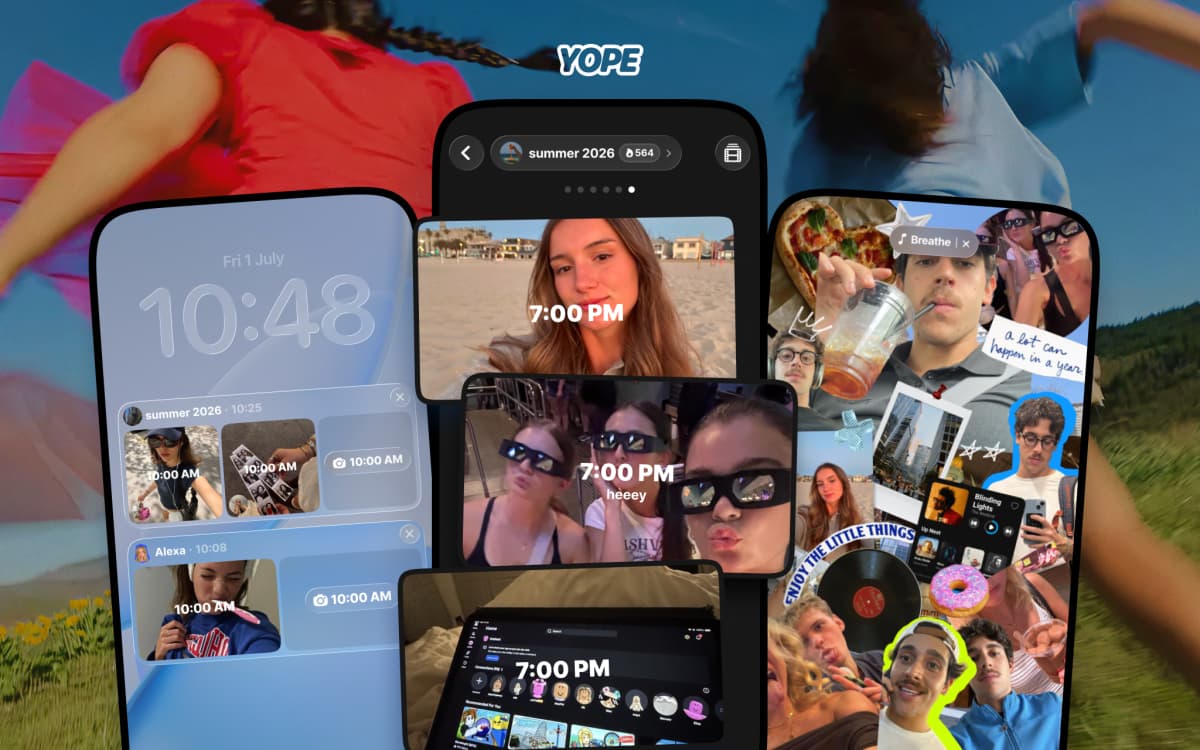
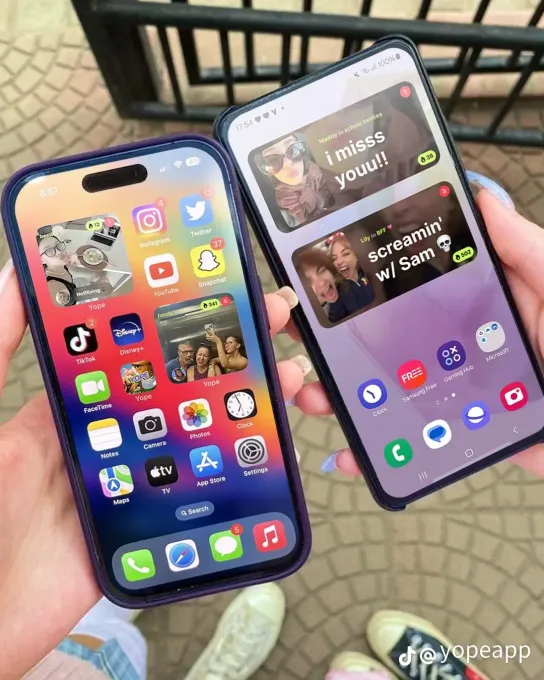
The pitch is straightforward. Accounts are private by default. There's no algorithmic feed pushing content. No ads. Instead, Yope organizes users into what it calls micro communities, small groups of real-world friends and family who share photos, videos, and messages. The company plans to monetize through premium subscriptions rather than selling attention to advertisers.
Why Yope believes private social can scale
Bahram Ismailau, Yope's co-founder and CEO, says the team conducted over 100,000 interviews (with AI assistance) to understand how young people actually use social networks. The findings revealed a gap. Around 30% of users maintain so-called spam accounts where they share candid photos with a small circle of real friends. Many others don't share publicly at all, relying on messaging apps instead.
"[Young people] don't have any place to self-express if they are not ready to be an influencer," Ismailau told TechCrunch. "We found this big opportunity to create a new space for young people to be social."
The problem with algorithm-free social apps is retention. Without algorithmic feeds surfacing fresh content, users tend to drift away. Yope's answer is AI, but not in the way most apps deploy it. The company explicitly rejects using AI to generate content. Instead, it plans to use AI to strengthen real-world connections.
AI-powered mini-games and real-world meetups
Within about a month, Yope plans to launch AI-generated mini-games that users can play with friends. The company also aims to help users coordinate real-life activities, such as buying event tickets together or finding a bar to watch a football match. These features position Yope as a coordination tool, not just another photo-sharing app.
The app's design borrows heavily from MySpace-era personalization. Users create profiles by sharing photos that can be turned into cut-out stickers. Instead of organizing images into albums, Yope displays them in a collage-like arrangement across each user's "wall." Upcoming features will let users add interests, favorite music, and customize colors and wallpapers.

Another startup targeting younger users with a fresh approach to technology
Traction: 15 million users and high daily engagement
Yope claims nearly 15 million registered users who collectively share between 10 million and 20 million pieces of content weekly. More notable is the engagement claim: Ismailau says over 50% of users open the app at least five days per week. If accurate, that's power-user behavior that most social apps struggle to achieve.
The app is also attracting cross-generational use. Around 20% of active users have invited an older family member to join, according to Ismailau. This suggests Yope may function more like a group messaging replacement than a pure social network.
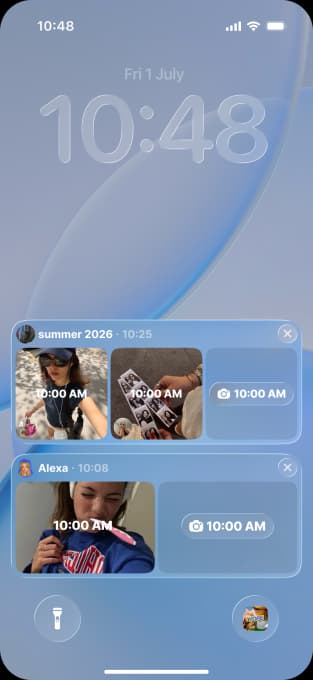
Who invested and why it matters
Northzone, known for backing Spotify and Klarna, led the round. Ismailau says Northzone approached Yope, not the other way around. Inovo, Redseed, and Geek Ventures also participated. The $12.3 million brings total funding to $20 million.
Yope is the result of two prior pivots. The current version has been in development for roughly two years. That history suggests the team has been searching for product-market fit, but the current engagement metrics appear to have convinced investors the latest iteration works.
Northzone's portfolio company showing the firm's track record with consumer tech
Can subscriptions replace ads?
The subscription model is Yope's biggest bet. Ad-supported social networks have proven enormously profitable, which is precisely why they optimize for engagement over user wellbeing. Subscription models align the company with users rather than advertisers, but they require a level of value that most social apps haven't delivered.
Yope hasn't disclosed subscription pricing or what premium features will include. The success of this model will likely depend on whether the AI-powered games and coordination features become sticky enough that users pay monthly to keep them.
Logicity's Take
Yope's thesis is sound: young users want privacy, and ad-supported social networks have misaligned incentives. The challenge is execution. BeReal tried the authentic sharing angle and saw downloads collapse after initial hype. Path attempted the small-group model a decade ago and sold for scraps. Yope's advantage may be timing. Regulatory pressure on Meta and TikTok, combined with Gen Z's documented fatigue with performative social media, creates a window. But 15 million users means nothing if they won't pay. The subscription conversion rate over the next 12 months will determine whether this is a real business or another cautionary tale.
Example of a startup that proved subscription and transaction-based models can scale
Frequently Asked Questions
How does Yope make money without ads?
Yope plans to generate revenue through premium subscriptions for power users. The company has not disclosed pricing or specific premium features yet.
Is Yope available on iOS and Android?
Yes, Yope is available as a mobile app. The company reports nearly 15 million registered users across platforms.
How is Yope different from BeReal?
While both emphasize authenticity, Yope focuses on private micro communities and plans to add AI-powered mini-games and real-world coordination features. BeReal centered on time-triggered photo sharing.
Who are Yope's investors?
Northzone led the $12.3 million round, with participation from Inovo, Redseed, and Geek Ventures. Total funding is now $20 million.
What age group uses Yope?
Yope primarily targets young people, though the company reports that about 20% of active users have invited older family members to join.
Need Help Implementing This?
If you're building a consumer app and thinking through subscription vs. advertising models, Logicity's consulting network includes product strategists and monetization experts who have scaled social products. Contact us at hello@logicity.in for introductions.
Source: TechCrunch / Sarah Perez
Huma Shazia
Senior AI & Tech Writer
Produced with AI assistance and reviewed by the Logicity editorial team. Learn more in our Editorial Policy.