Key Takeaways
- Xiaomi, vivo, and Oppo are all targeting September 2025 for their flagship launches in China
- Xiaomi will likely get first access to Snapdragon 8 Gen 6, while vivo and Oppo go with MediaTek Dimensity 9600
- International availability will likely take weeks or months after the China releases
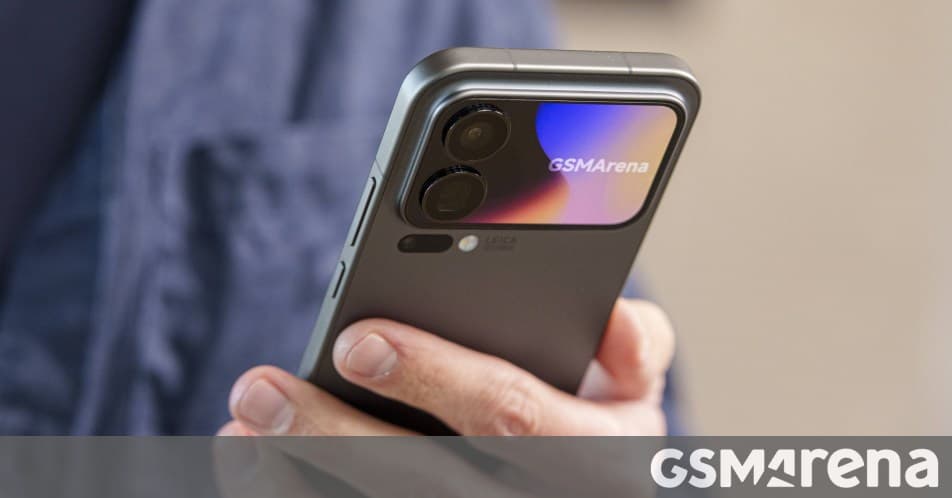
The usual one-two punch of Chinese flagship launches is becoming a three-way brawl. According to new rumors from China, Xiaomi, vivo, and Oppo are all targeting September for their next-generation flagship series. That's a notable shift from last year, when vivo and Oppo waited until October to unveil the X300 and Find X9 lineups.
Why September Matters
Xiaomi launched the 14 series in September 2024, followed by the 15 Pro and 15 Pro Max the same month. The company has maintained this timing for several years now, and the Xiaomi 18 series appears to follow the same pattern.
What's different this time is vivo and Oppo trying to match that window. Last year, both brands waited until October to launch the X300 series and Find X9 series respectively. Moving up by a month lets them compete with Xiaomi from the start of the holiday shopping season rather than playing catch-up.
“The competition between Xiaomi, vivo, and Oppo is no longer just about spec sheets; it's about who secures the primary exclusivity window for new silicon to define the AI-first smartphone experience.”
— Jane Lin, Senior Analyst at TechInsights
The Chip Game
Here's where it gets interesting. Xiaomi has historically secured early access to Qualcomm's newest chips. The Xiaomi 18 series will likely debut with the Snapdragon 8 Gen 6 and Snapdragon 8 Gen 6 Pro before any competitor can use them.
Vivo and Oppo have a workaround. Both brands have consistently chosen MediaTek's top-tier Dimensity chips for their flagship lines. If the X500 and Find X10 series launch with the Dimensity 9600, they can hit September without waiting for Qualcomm silicon availability.
This chip split creates an interesting choice for buyers. Qualcomm's Snapdragon chips have traditionally led in raw GPU performance and developer support. MediaTek's Dimensity line has closed the gap significantly while often offering better power efficiency. The 2nm process node expected in this generation could narrow that gap further.
When Will These Phones Reach Global Markets?
Chinese smartphone makers always prioritize domestic launches. The Xiaomi 18, vivo X500, and Oppo Find X10 will appear in China first, with international availability following weeks or months later.
Not every model makes it out of China either. The Ultra variants and special editions often remain China-exclusive, while the standard and Pro models get wider distribution. Oppo's Find X line has seen limited international availability in recent generations, so European and Indian buyers may need to wait longer for those.
What We Expect From Each Series
Battery technology is one area seeing major advances. Chinese flagships are pushing toward 7,000mAh capacity using silicon-carbon battery tech. All three brands have shipped phones above 6,000mAh this generation, so hitting that threshold seems achievable.
Display tech is another battleground. The 144Hz refresh rate standard is becoming common at the high end, with flat OLED panels making a comeback after years of curved screen dominance. Community discussions suggest strong buyer preference for flat displays, and manufacturers appear to be listening.
Logicity's Take
Frequently Asked Questions
When will Xiaomi 18 launch?
Based on current rumors, Xiaomi 18 is expected to launch in September 2025 in China, following the same timing as previous years.
What chip will vivo X500 use?
The vivo X500 series is expected to use the MediaTek Dimensity 9600, following vivo's pattern of choosing MediaTek over Qualcomm for its flagship line.
Will Oppo Find X10 be available internationally?
International availability typically follows the China launch by several weeks or months. Not all variants make it to global markets.
Which phone will have Snapdragon 8 Gen 6 first?
Xiaomi is expected to have an exclusivity window for the Snapdragon 8 Gen 6, meaning the Xiaomi 18 series will likely be the first phone with this chip.
Need Help Implementing This?
Source: GSMArena.com / Vlad
OnePlus and iQOO Also Rumored for September
The new article adds OnePlus and iQOO to the list of smartphone brands rumored to launch their flagship devices (OnePlus 16 and iQOO 16) in September 2025. This expands the scope of the original report, which only covered Xiaomi, vivo, and Oppo.
Manaal Khan
Tech & Innovation Writer
Produced with AI assistance and reviewed by the Logicity editorial team. Learn more in our Editorial Policy.