Key Takeaways
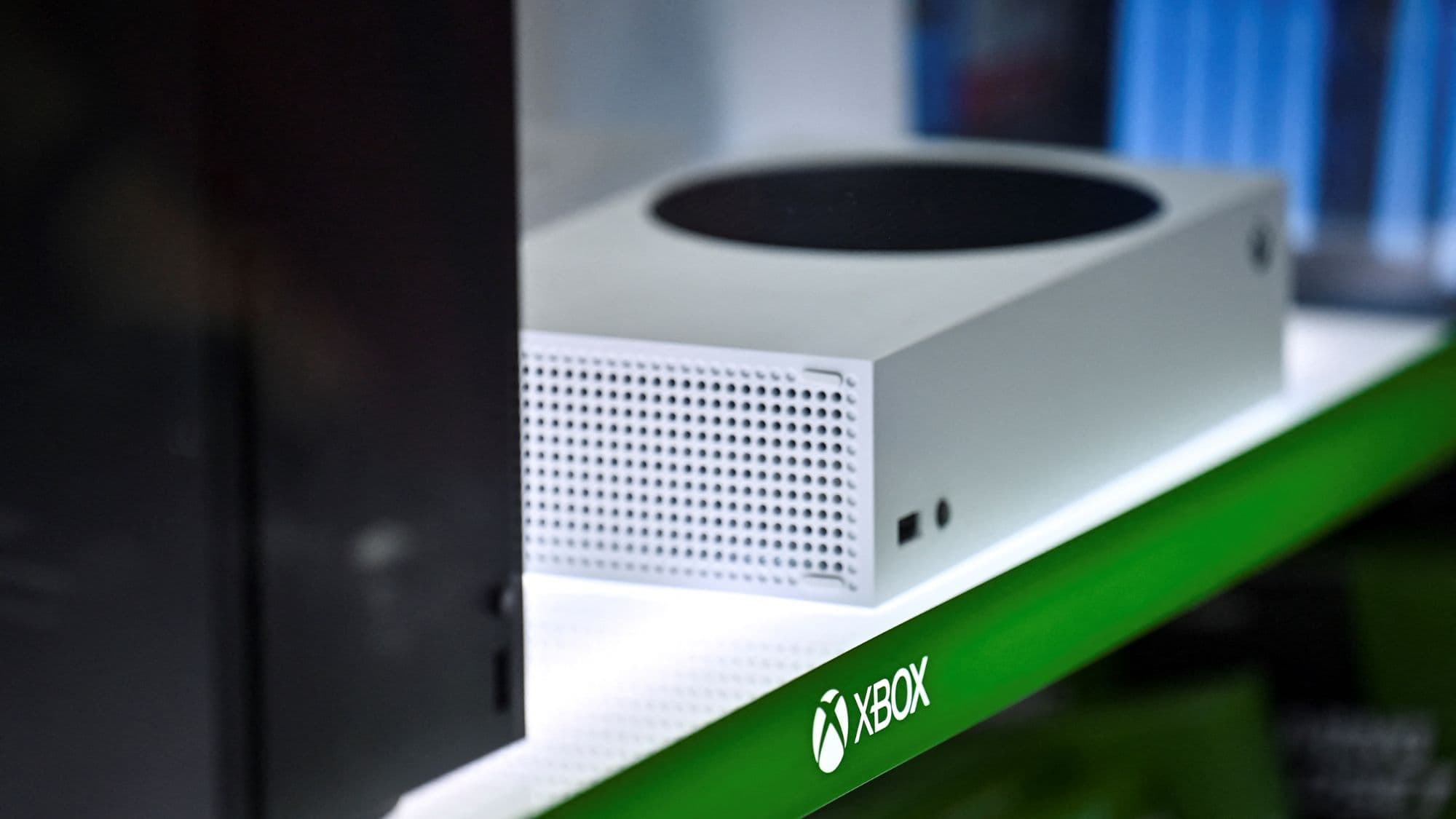
- Xbox will pay 5x more for storage and memory by 2027 compared to 2025
- Microsoft has invested $20 billion in Xbox over five years while losing $500 million in annual revenue
- The company is exploring third-party OEM partnerships for future hardware production
The Cost Crisis Hitting Xbox Hardware
One hundred days after taking over as Xbox CEO, Asha Sharma has delivered a blunt assessment of the company's hardware future. In an internal memo released publicly as a blog post, Sharma and Xbox strategy chief Matt Brody confirmed that component costs are spiraling beyond sustainable levels.
The numbers tell a stark story. In February 2026, Xbox paid twice as much for storage as it did the previous fall. Those costs have already doubled again since then. By 2027, the total increase will hit the 5x mark. RAM has followed a similar trajectory, according to Sharma.
“The hardware gap is unsustainable and it cannot continue.”
— Asha Sharma, CEO of Xbox
The AI Connection: Microsoft Competing With Itself
There's an uncomfortable irony here. Microsoft is one of the largest drivers of the global AI boom through Azure, Copilot, and its OpenAI partnership. That same AI explosion is devouring storage and memory supply, pushing prices up across the industry.
The memo acknowledges that every console maker is affected by the component crisis. But Xbox is hit harder because of what Sharma calls "the choices we made over the last half decade." The blog doesn't specify those choices, but the company's ambitious Xbox Helix console, a hybrid console-PC device, likely demands more expensive components than traditional consoles.
$20 Billion In, $500 Million Down
The financial picture adds urgency to the situation. Microsoft has invested over $20 billion in Xbox over the past five years. During that same period, the gaming division lost $500 million in annual revenue. The memo also reveals that Xbox operates on a 3% margin. For every $100 in revenue, only $3 remains as profit.
These circumstances have made it harder for Microsoft to produce as many consoles as players want. The solution being considered: third-party partnerships for hardware manufacturing.
“We are facing a supply chain reality that forces us to explore radically different business models for the future of Xbox hardware.”
— Matt Brody, Strategy Chief at Xbox
What This Means for Xbox Helix
The memo reaffirms commitment to Xbox Helix, the company's next-generation console. But the console-PC hybrid approach has likely pushed pricing well past what most consumers would consider affordable territory.
Current estimates place Xbox Helix at over $1,000. That sounds expensive in isolation. But context matters: a PS5 Pro now costs $900, and a 1TB Steam Deck OLED runs $950 today. Sharma herself has recently stated that spending thousands of dollars in a single console generation isn't feasible for most players.
The question is whether Xbox Helix can compete directly with PlayStation 6 anymore. The memo's language suggests Microsoft may be repositioning the device rather than trying to match Sony's traditional console pricing.
Third-Party Manufacturing: A New Model?
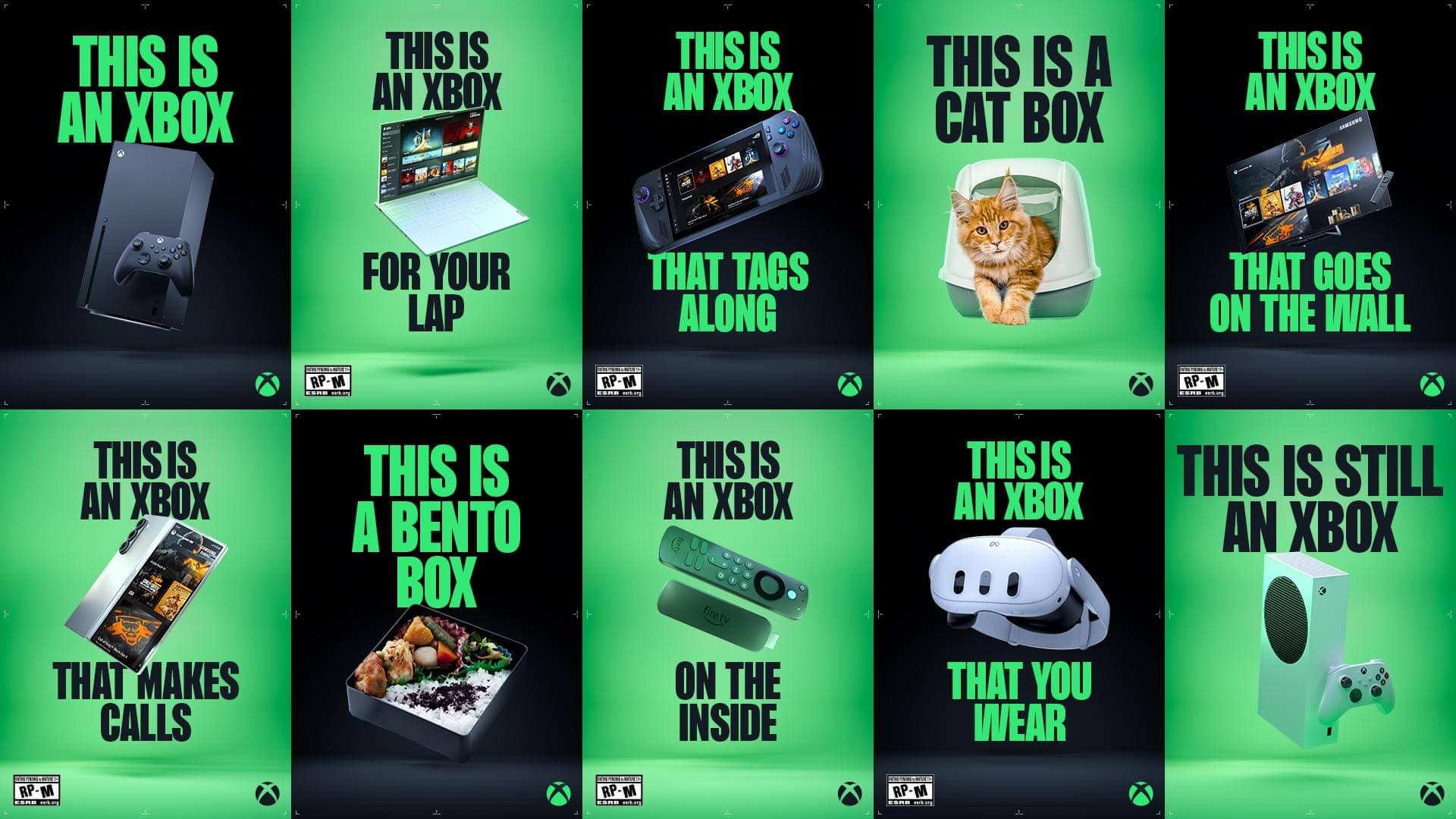
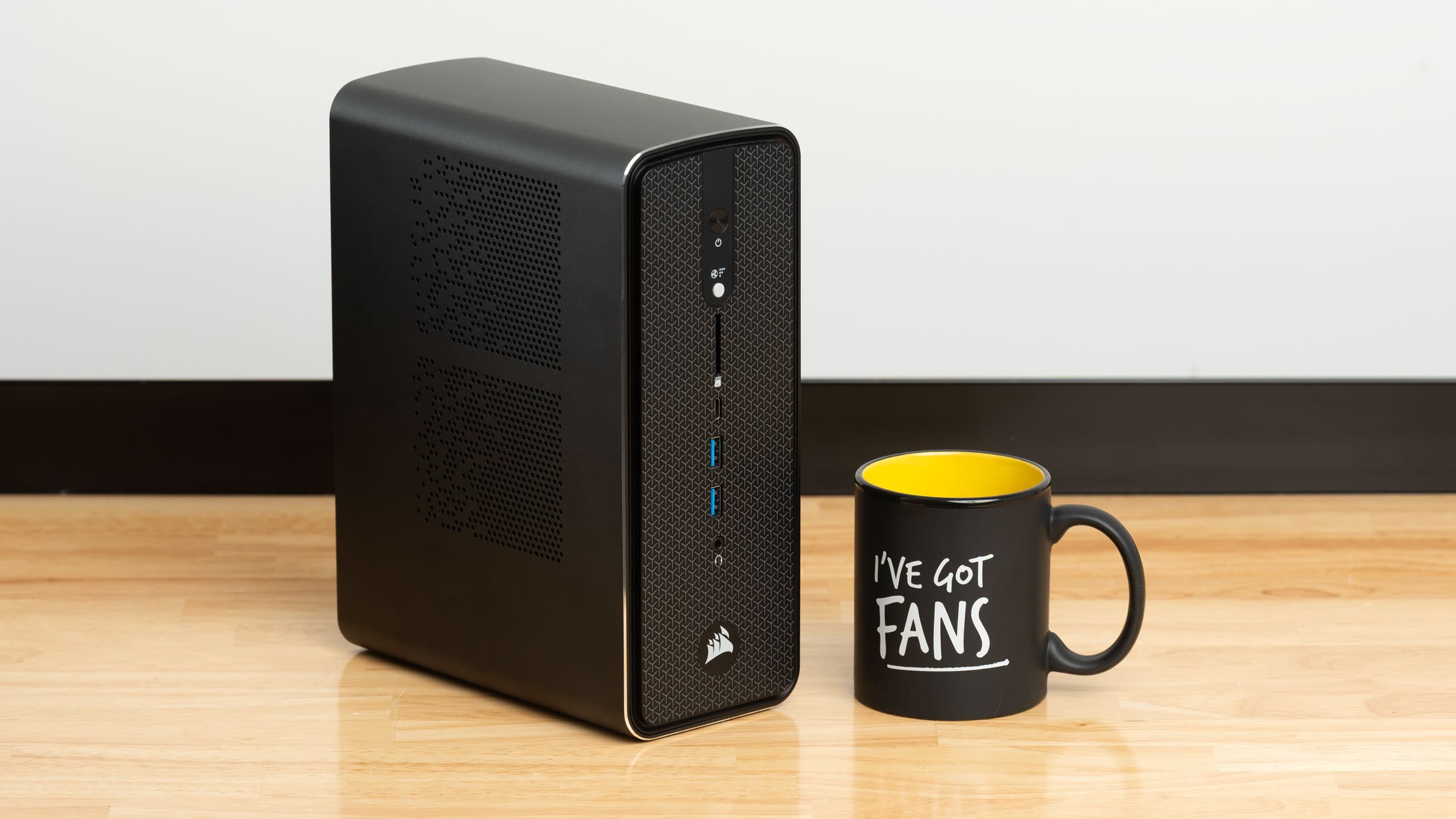
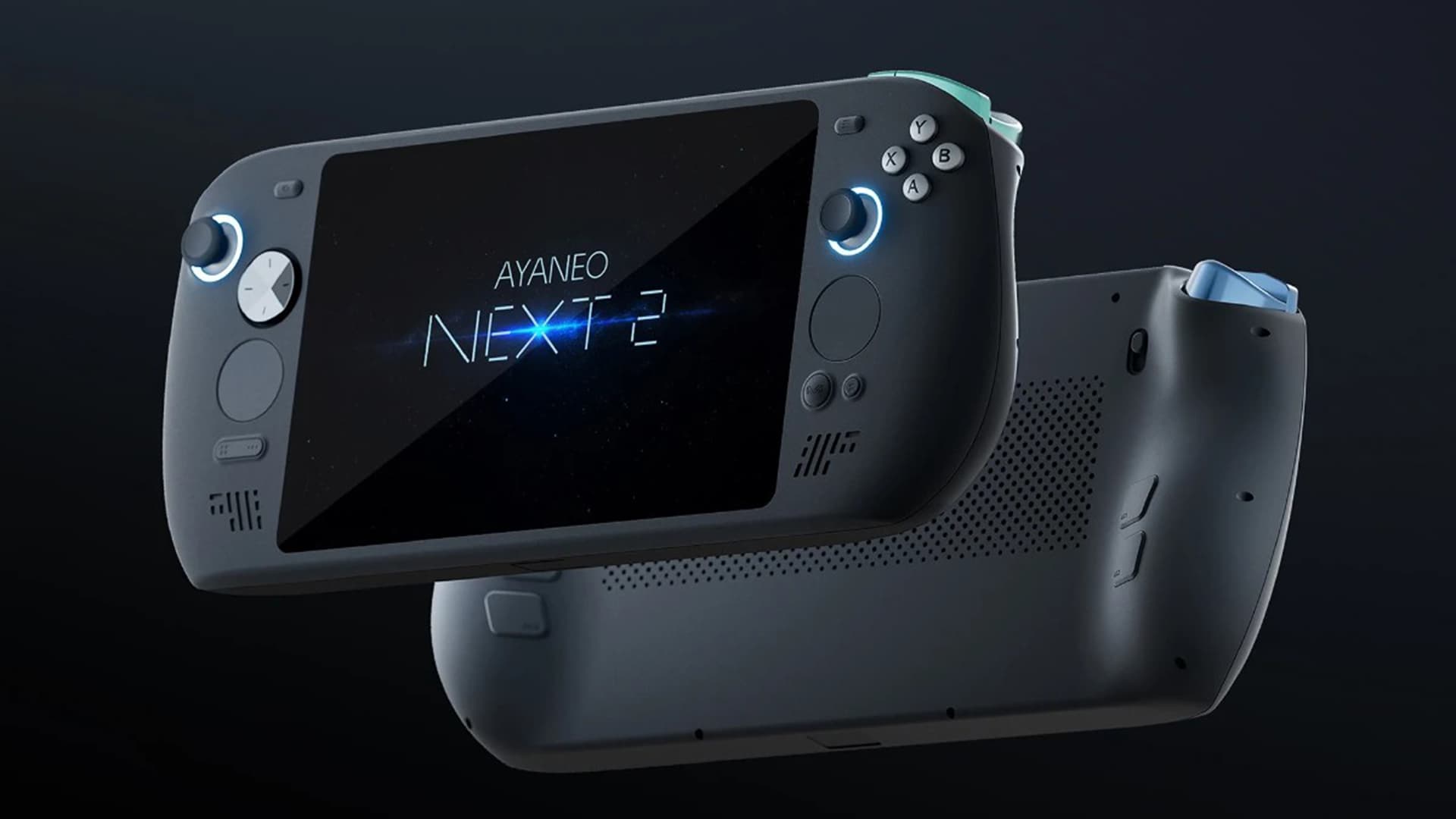
The mention of "partnerships for hardware" points toward third-party OEM manufacturing. This would follow the model used by companies like Valve with the Steam Deck, where hardware design comes from one company but production scales through partners.
For Xbox, this could mean licensing its hardware designs to manufacturers who can absorb component costs differently than Microsoft can. It would reduce Microsoft's direct hardware losses while maintaining the Xbox ecosystem.
Online discussion around the memo has been skeptical. Some analysts and community members on Reddit and Hacker News question whether the 5x figure is a genuine supply chain crisis or narrative justification for shifting away from physical consoles toward cloud gaming services.
Industry-Wide Implications
If Microsoft, one of the world's largest tech companies, is struggling to secure affordable components, smaller hardware makers face even steeper challenges. The AI boom's appetite for memory and storage shows no signs of slowing, which could reshape consumer electronics pricing across the board.
The timing also matters. By 2027, both Sony and Nintendo will likely have new hardware in market. If component costs remain elevated, the entire console industry may need to rethink pricing models that have traditionally subsidized hardware to sell software and services.

Logicity's Take
Frequently Asked Questions
Why are Xbox component costs increasing so much?
Global AI demand is competing for the same memory and storage components that gaming consoles need. This has driven prices up across the industry, with Xbox projecting a 5x increase by 2027 compared to 2025 levels.
How much will Xbox Helix cost?
Current estimates place Xbox Helix at over $1,000. For comparison, PS5 Pro costs $900 and Steam Deck OLED costs $950 at launch pricing.
Is Microsoft getting out of console hardware?
Not entirely. The company says it remains committed to Xbox Helix but is exploring third-party OEM partnerships that would have other manufacturers produce Xbox hardware.
What is Xbox's current profit margin?
According to the internal memo, Xbox operates on a 3% margin, meaning only $3 of every $100 in revenue is profit.
When did Asha Sharma become Xbox CEO?
Sharma took over as Xbox CEO in early 2026, with the internal memo published 100 days into her leadership.
More on how physical factors affect storage hardware performance
Another supply chain crisis affecting chip and memory production
Need Help Implementing This?
Source: Latest from Tom's Hardware
Manaal Khan
Tech & Innovation Writer
Produced with AI assistance and reviewed by the Logicity editorial team. Learn more in our Editorial Policy.