Key Takeaways
- Apple is integrating a 1.2-trillion-parameter Google Gemini model into Siri, marking a major AI partnership
- Tim Cook delivers his final WWDC keynote before stepping down as CEO on September 1, 2026
- macOS 27 Golden Gate and iOS 27 continue the controversial Liquid Glass design language
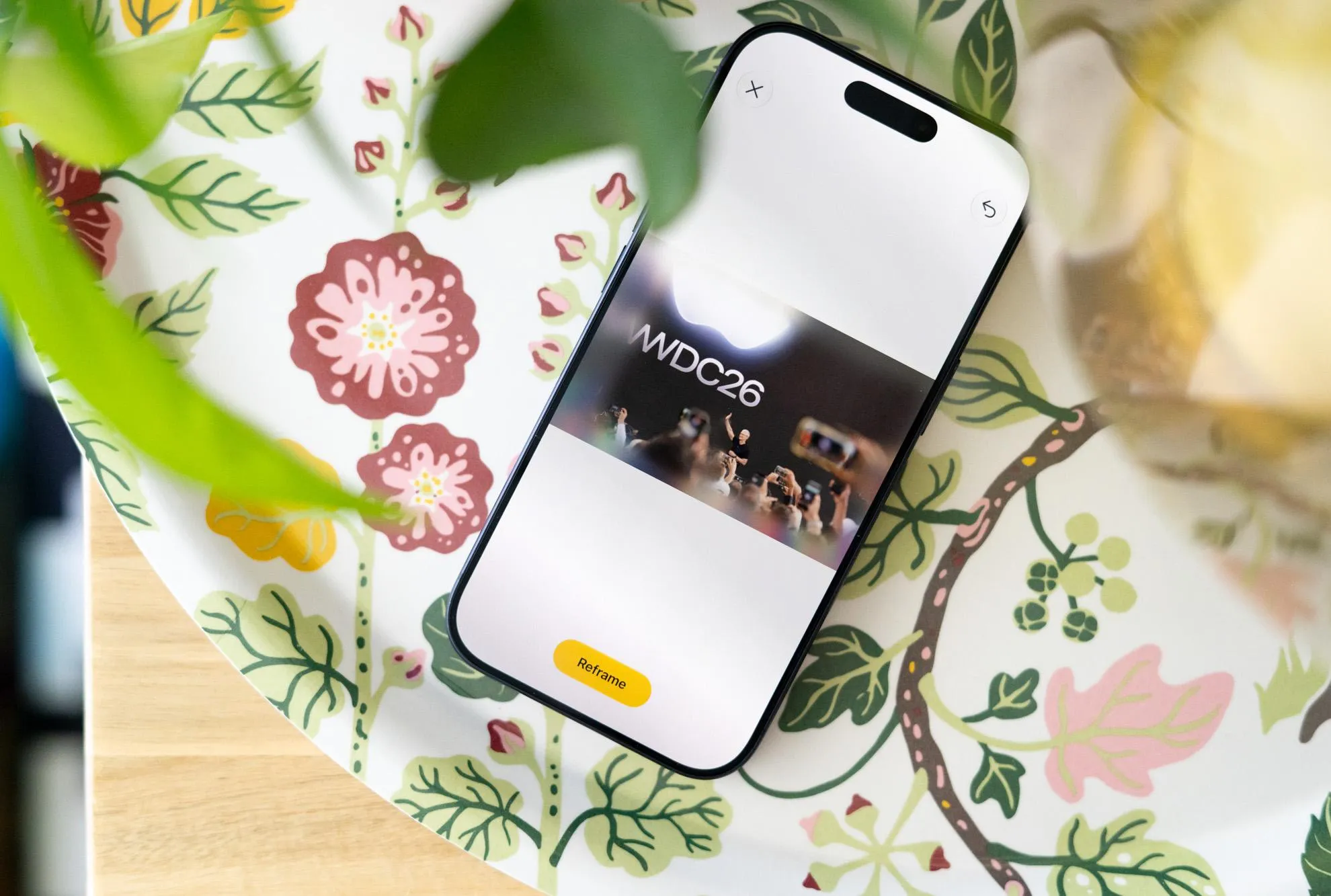
Apple's annual developer conference kicked off on June 8th with more than software updates on the agenda. WWDC 2026 marks the end of an era. Tim Cook delivered his final keynote as CEO before handing leadership to John Ternus on September 1st. The event also revealed what many had speculated about for months: Apple is rebuilding Siri from the ground up with help from Google.
The centerpiece announcement is a new Siri powered by a custom Google Gemini model containing 1.2 trillion parameters. This partnership reportedly costs Apple $1 billion annually. It's a striking shift for a company that has historically kept its AI development in-house and positioned itself as the privacy-first alternative to Google's services.
Cook's Final Keynote Sets the Stage
Tim Cook has led Apple for 15 years. His final WWDC keynote carried the weight of that history. "This marks not just a new chapter for our software, but a new era for Apple's leadership," Cook said during the presentation. The "All Systems Glow" tagline hinted at the Apple Intelligence focus that dominated the announcements.
“Our focus remains on building technology that empowers the individual, and this AI overhaul is the most significant step we've taken in a decade.”
— John Ternus, incoming Apple CEO
Ternus, who currently leads hardware engineering, takes over on September 1st. His comments suggest continuity rather than revolution. But the question on everyone's mind is whether Apple under Ternus will lean harder into hardware innovation or maintain the software-first strategy that defined the Cook years.

The Siri Overhaul Finally Arrives
Apple first announced plans to revamp Siri at WWDC 2024. Two years of delays followed. The assistant fell further behind competitors like ChatGPT and Google Assistant while Apple struggled to ship its promised improvements. This year's reveal explains at least part of that delay: Apple wasn't just updating Siri. It was fundamentally rebuilding the assistant on external AI infrastructure.
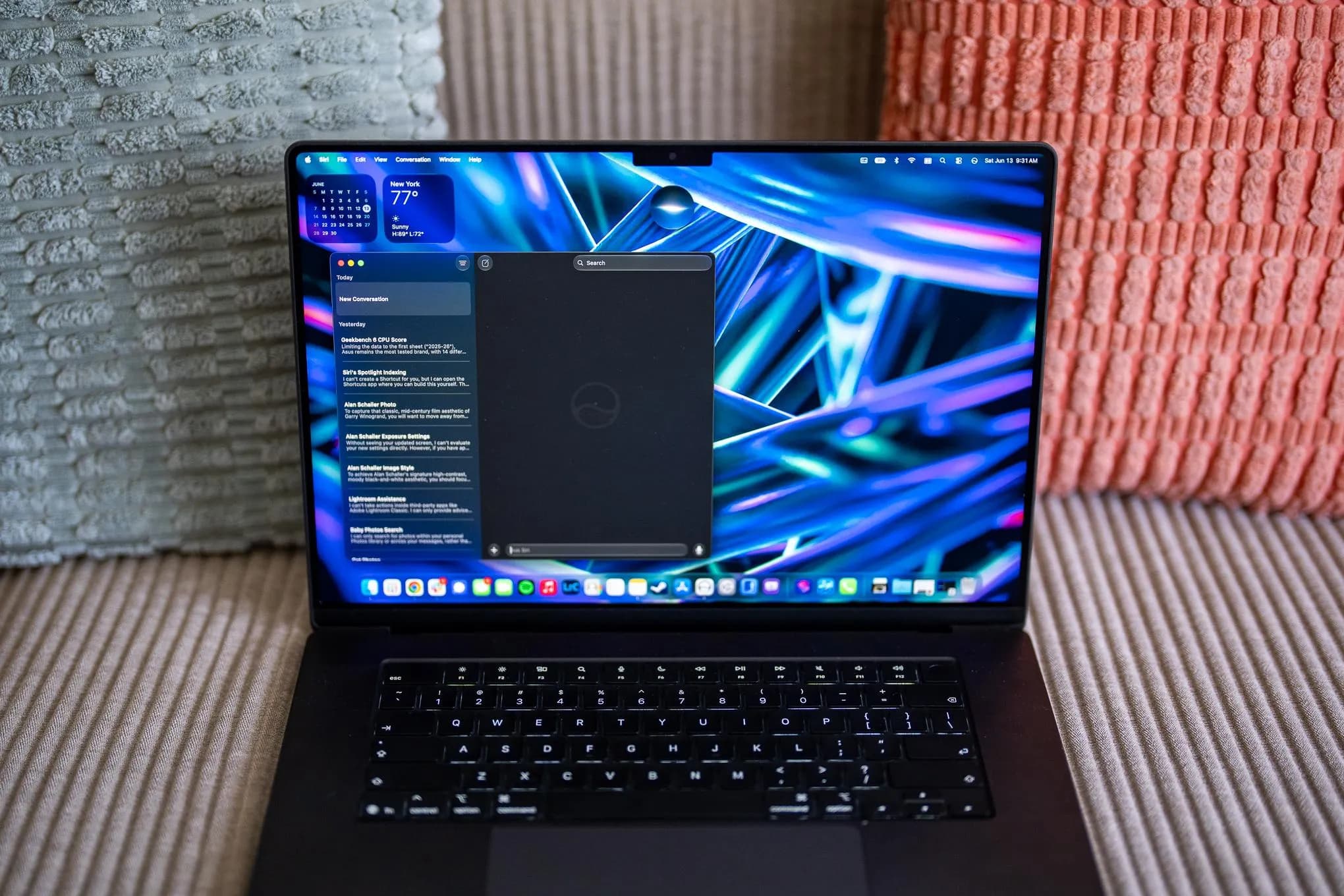
The new Siri runs on Google's Gemini model, specifically a custom version tuned for Apple's needs. Rumors also point to a dedicated Siri app in development, though Apple didn't confirm that during the keynote. The company continues to emphasize "Private Cloud Compute" as the way it maintains user privacy while tapping into powerful cloud AI. Whether that claim holds up to scrutiny remains to be seen.
More on how Google is deploying Gemini across its products
macOS 27 Golden Gate and the Liquid Glass Question
Apple announced macOS 27 Golden Gate as the successor to last year's macOS Tahoe 26. The naming continues Apple's California landmarks tradition. Tahoe introduced useful features like a revised Spotlight search and a Phone app for Macs, but it was overshadowed by controversy over the Liquid Glass redesign.
That redesign divided users. Some praised its modern aesthetic. Many others found it visually cluttered and harder to navigate. Golden Gate appears to continue the Liquid Glass design language, which may frustrate critics hoping for a course correction. Apple hasn't announced significant visual changes to address the complaints.
The full "Class of '27" operating systems got their previews: iOS 27, iPadOS 27, watchOS 27, and the rest. Apple Intelligence integration runs through all of them, with the rebuilt Siri as the unifying thread.
Protesters Outside Apple Park
Not everyone at Apple Park came for software announcements. Protesters from UltraViolet and Heat Initiative gathered outside the visitors center with a pointed message for incoming CEO John Ternus. They called on Apple to remove "nudify apps" from the App Store and to pull known child sexual abuse material from iCloud.
A large sign reading "Apple is powered by child sexual abuse" asked Ternus directly: "What will you do?" The groups focus on holding tech companies accountable for enabling exploitation. Their presence added an uncomfortable dimension to what Apple staged as a celebration of its software future.
Community Reaction: Excitement Meets Skepticism
Online reactions split along predictable lines. On Reddit's r/apple and Hacker News, many users expressed excitement about a more capable Siri. Years of jokes about Siri's limitations created real appetite for improvement. But the Google partnership triggered immediate skepticism about privacy.
Apple's "Private Cloud Compute" framing hasn't convinced everyone. If Siri queries hit Google's Gemini infrastructure, what data actually stays private? Apple will need to answer these questions in detail as the features roll out. The company's privacy reputation is on the line.
Discussion about the Ternus era focused on his hardware background. Will Apple shift resources toward devices and away from services? Or will Ternus maintain Cook's balance? No one knows yet, and the speculation reflects genuine uncertainty about Apple's direction.
How Apple's AI competitors are evolving their own assistants
What Comes Next
The operating system updates announced at WWDC 2026 will roll out to developers immediately, with public betas likely this summer and general availability in the fall. The CEO transition happens September 1st. Between now and then, expect Apple to drip out more details about the Siri improvements and face hard questions about the Google partnership.
For a company that built its brand on controlling the full stack, relying on Google for its AI backbone is a significant concession. It's also a pragmatic one. Apple needed to catch up, and building a competitive large language model in-house would have taken years more. The $1 billion annual cost is a rounding error for a company of Apple's size if the result is a Siri that actually works.


Logicity's Take
Frequently Asked Questions
When is Tim Cook stepping down as Apple CEO?
Tim Cook will step down as Apple CEO on September 1, 2026. John Ternus, currently head of hardware engineering, will take over.
What AI model is Apple using for the new Siri?
Apple is using a custom Google Gemini model with 1.2 trillion parameters to power the rebuilt Siri assistant.
What is macOS 27 called?
macOS 27 is named Golden Gate, continuing Apple's tradition of naming macOS versions after California landmarks.
How much does Apple's Google AI partnership cost?
Apple reportedly pays $1 billion annually for its AI partnership with Google to power Siri with Gemini.
When will iOS 27 be available to the public?
iOS 27 is available to developers now, with public betas expected this summer and general release in fall 2026.
Need Help Implementing This?
Additional Details on iOS 27 Performance and Design
The new article provides specific details regarding iOS 27 eligibility (iPhone 11 and later) and concrete performance metrics, such as 70% faster photo loading and 80% faster AirDrop transfers. It also clarifies that while the 'Liquid Glass' design remains, Apple is introducing opt-in rollbacks and a new layered approach to app icons.
New Siri Capabilities: Visual Intelligence and Cross-Device Continuity
The new article introduces specific functional details about the updated Siri, including the addition of 'Visual Intelligence' which allows Siri to analyze images, and the implementation of cross-device chat continuity, enabling users to seamlessly transition conversations between devices like iPhones and Macs.
Key Siri AI Features and Capabilities
The new article provides specific functional details about the revamped Siri, including its ability to understand personal context, perform actions across apps, and operate as a standalone chatbot app. It also introduces 'Visual Intelligence' via the Camera app and Vision Pro, allowing for real-world object recognition and interactive tasks like splitting bills.
Inside the New Gemini-Powered Siri
The new article provides specific technical details on how the Gemini-powered Siri handles privacy via Apple's Private Cloud Compute and outlines functional improvements such as cross-app task completion and conversational capabilities similar to Gemini Live. It also clarifies that these features are subject to specific device and regional availability requirements.
Additional Details on Siri and Design Adjustments
The new article adds specific details about the new Siri, including that it will be housed in a standalone app and feature visual intelligence capabilities. It also highlights Apple's privacy-centric messaging regarding AI, including a quote from Craig Federighi, and notes that users will be able to dial back elements of the Liquid Glass design.
Manaal Khan
Tech & Innovation Writer
Produced with AI assistance and reviewed by the Logicity editorial team. Learn more in our Editorial Policy.