Key Takeaways
- A $50,000 solar installation can pay for itself within 10 years through electricity savings
- Federal tax credits have historically offset 30% of installation costs, though availability varies
- Solar panels function as an investment that appreciates relative to rising utility costs
The Upfront Cost Problem Is Real, But Misleading
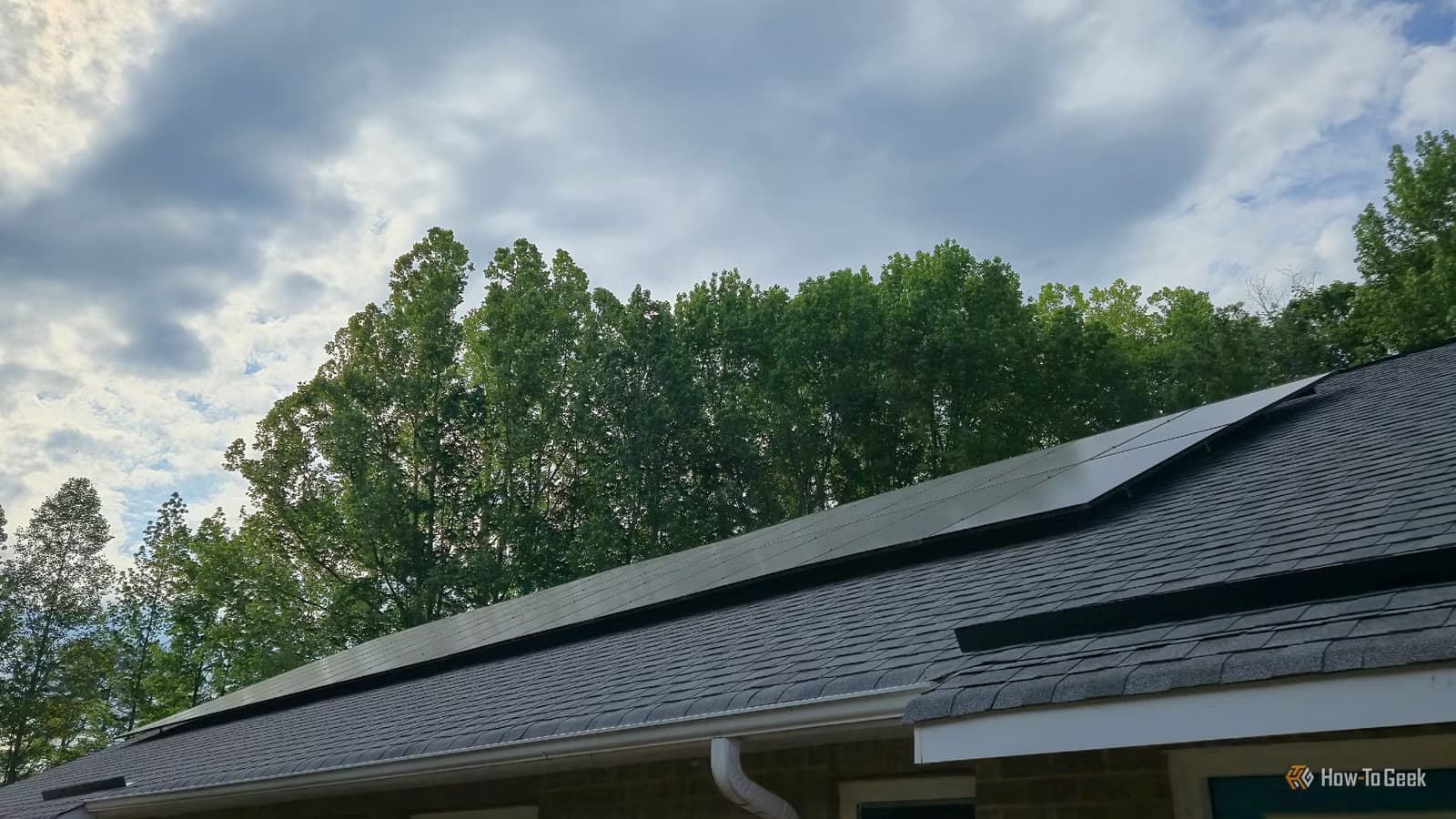
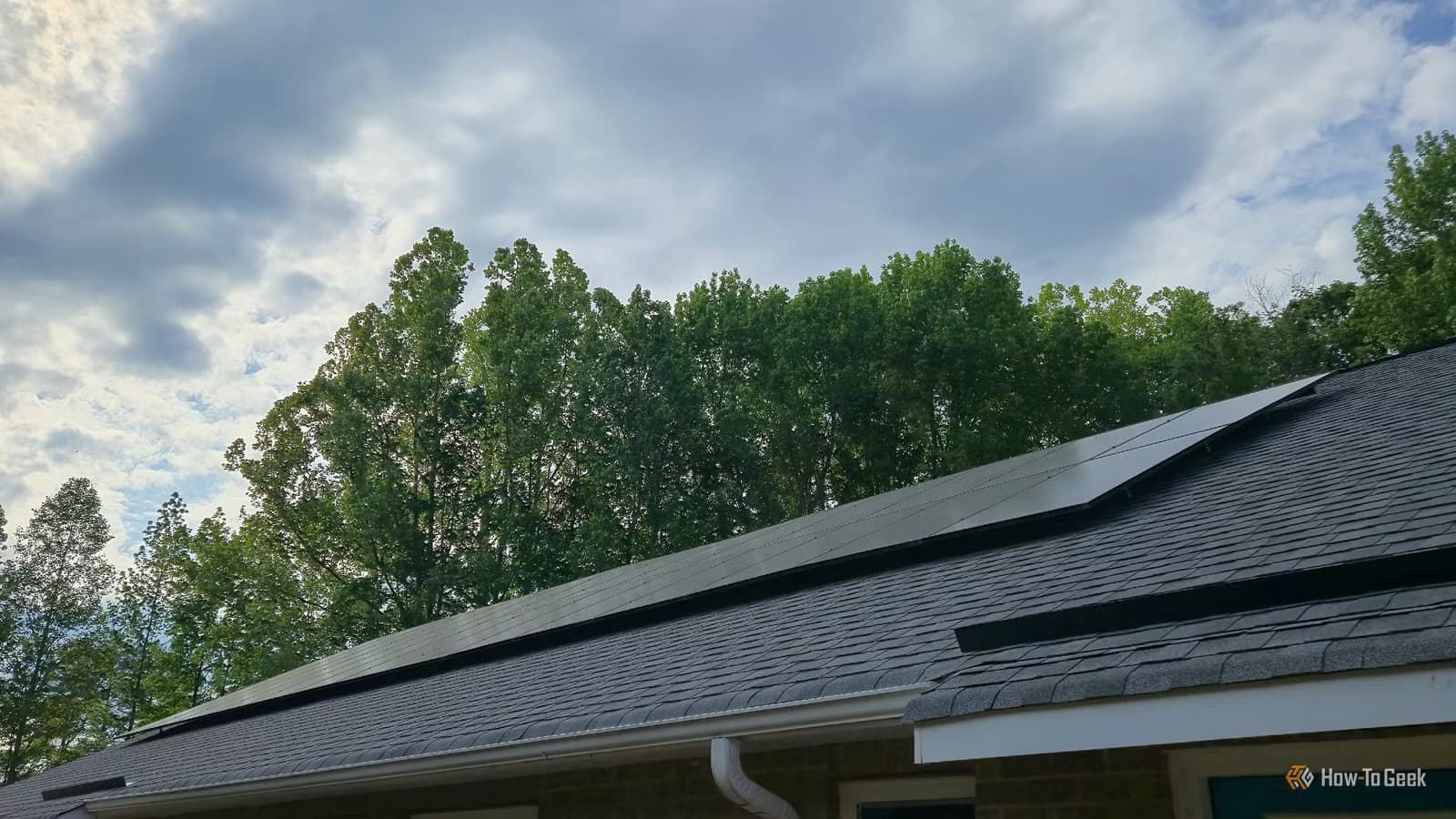
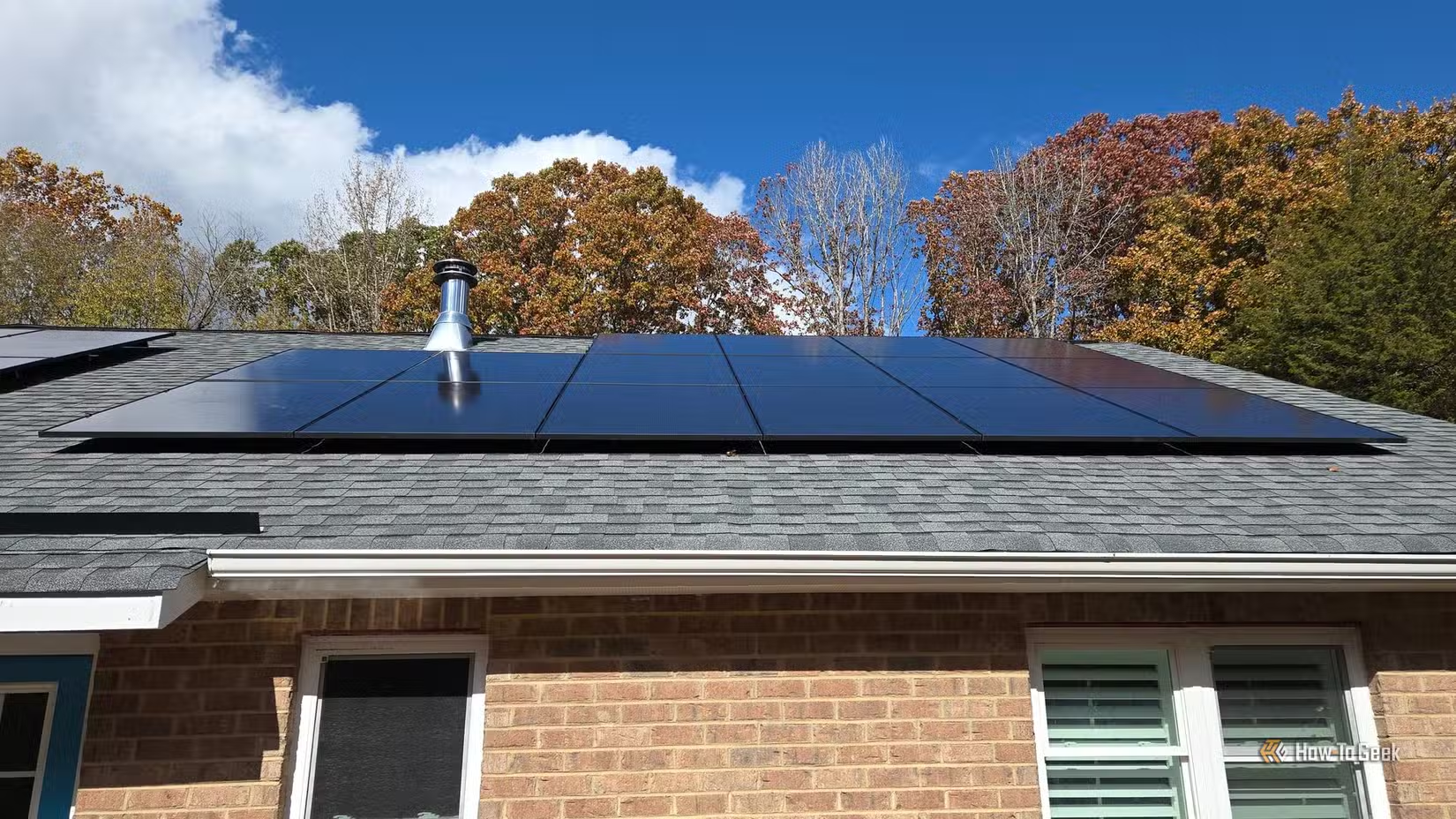
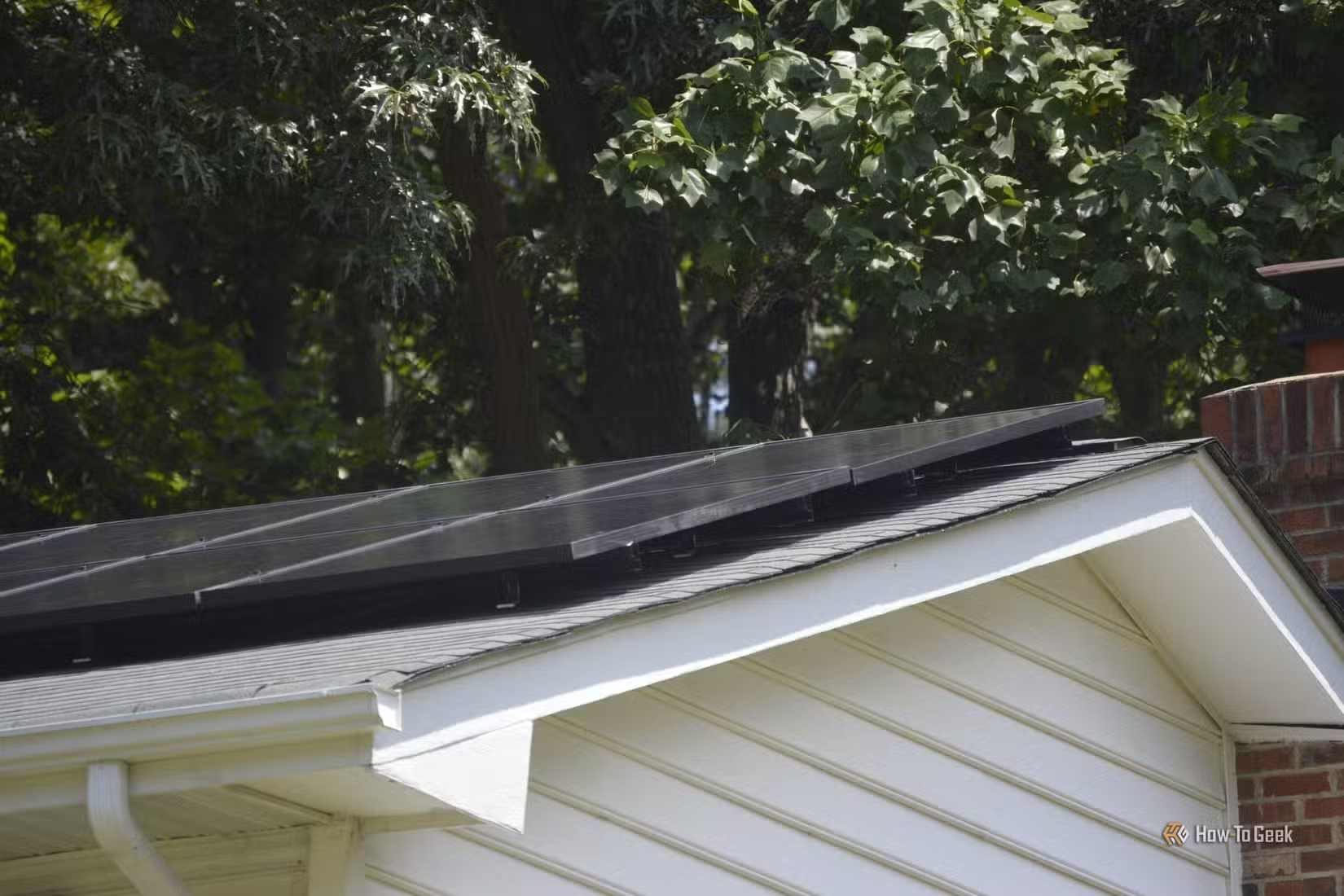
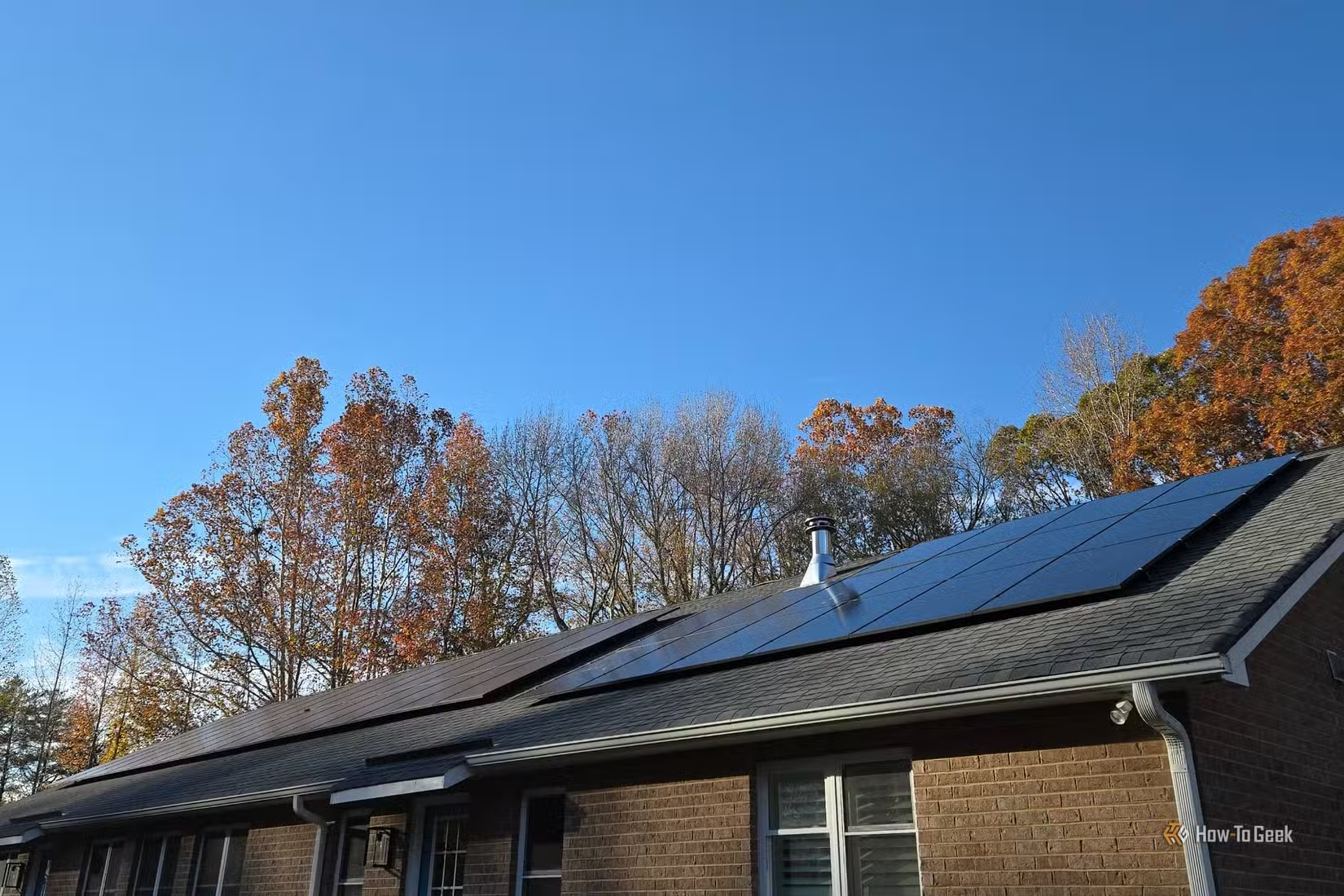
Bertel King, a tech journalist who has lived with rooftop solar for about a decade, has installed panels three times across different homes. His current setup cost around $50,000, with approximately $15,000 returned through federal tax credits that have since expired. That's a serious chunk of money. He doesn't pretend otherwise.
But here's where the math gets interesting. King frames solar as a choice between two ways of paying for electricity you're going to use anyway. You can rent power from a utility company indefinitely, or you can buy the means to produce it yourself.
His household math: at $5,000 per year in electricity costs, you hit $50,000 in just ten years. In twenty years, you've spent at least $100,000. And that assumes utility rates stay flat. They won't.
The Ownership vs. Rental Frame
King draws a parallel to homeownership and car buying. If you're going to use something consistently over many years, owning typically beats renting. The same logic applies to electricity production.
This isn't a universally applicable argument. If you're planning to move in three years, the payback period doesn't work in your favor. If you can't secure financing, the conversation is moot. King acknowledges these limitations.
But for homeowners who plan to stay put and who have access to the same $50,000 they might spend on a new gas-powered vehicle, solar offers something a car never will: eventual cost elimination rather than perpetual cost accumulation.
Why the Myths Persist
The persistence of solar skepticism isn't irrational. High upfront costs create psychological barriers that monthly savings don't easily overcome. The industry's history of aggressive sales tactics and occasionally predatory financing hasn't helped.
There's also a timing problem. The benefits of solar are diffuse and future-oriented. The costs are immediate and concrete. Human brains aren't wired to weigh a $50,000 hit today against $5,000 annual savings over two decades.
The Tax Credit Variable
King's $15,000 tax credit represented roughly 30% of his installation cost. Federal incentives have fluctuated over the years, and their availability depends on current policy. Prospective solar buyers should verify what credits exist at the time they're shopping, not assume the same terms apply.
State and local incentives can stack on top of federal ones. Some utility companies offer net metering programs that credit homeowners for excess power fed back to the grid. The economics vary significantly by location.
When Solar Doesn't Make Sense
Not every home is a good candidate. Roof orientation matters. Heavy tree coverage reduces efficiency. Older roofs may need replacement before panels go up, adding to costs.
Renters are mostly out of luck. So are condo owners in many cases. And if your utility rates are unusually low, the payback period extends uncomfortably.
The honest pitch for solar isn't that it works for everyone. It's that the reasons people think it won't work for them are often wrong.
Logicity's Take
Frequently Asked Questions
How long does it take for rooftop solar to pay for itself?
Based on King's numbers, a $50,000 system paying off $5,000 in annual electricity costs reaches break-even in about 10 years. Your mileage varies based on local utility rates, system size, and available tax credits.
Are federal tax credits for solar still available?
Tax credits have fluctuated over time. King received about $15,000 back on his installation, but notes those specific credits have ended. Check current IRS guidelines and state programs before assuming any particular rebate.
Does rooftop solar work in cloudy climates?
Solar panels produce less power on overcast days, but they still generate electricity. System sizing and local sun hours factor into installation planning. Installers can model expected output for your specific location.
What happens to solar panels if I sell my house?
Solar installations typically transfer with the property and can increase home value. However, if you move before the payback period completes, you may not recoup your full investment personally.
Is financing available for solar installations?
Yes, though King acknowledges that not everyone can secure the necessary financing. Solar loans, leases, and power purchase agreements offer different tradeoffs between upfront cost and long-term ownership.
If you're interested in home tech projects, these ESP32 builds offer another avenue for DIY infrastructure improvements.
Need Help Implementing This?
Source: How-To Geek
Huma Shazia
Senior AI & Tech Writer
Produced with AI assistance and reviewed by the Logicity editorial team. Learn more in our Editorial Policy.