Key Takeaways
- Wear OS 7 delivers up to 10% better battery life than Wear OS 6 through system-level optimizations
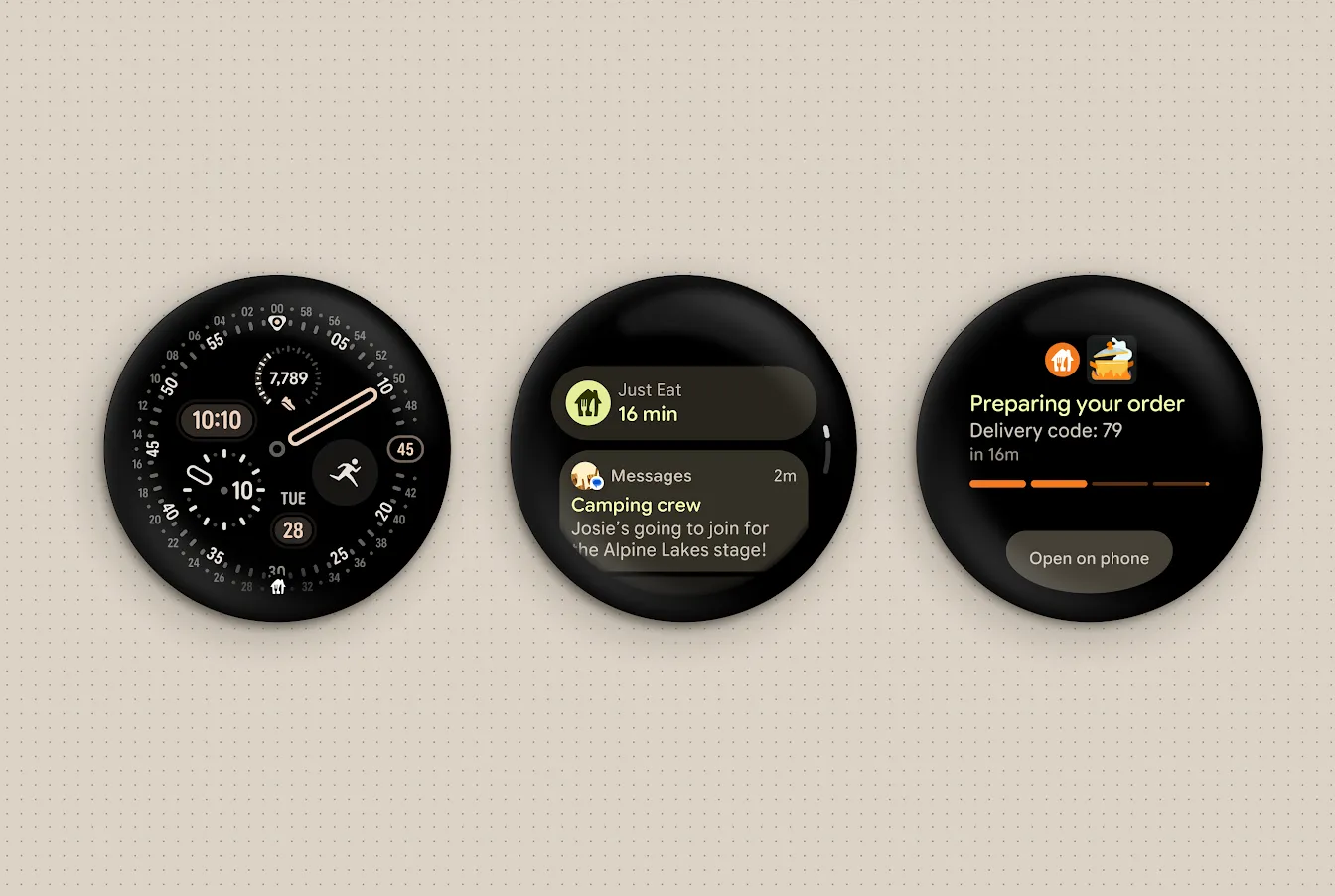
- Live Updates now sync sports scores, delivery tracking, and other real-time events between phone and watch
- Gemini Intelligence features, including AI-generated widgets, arrive later in 2026
Google's Wear OS 7 started rolling out today for the Pixel Watch 2, 3, and 4. The update introduces Live Updates, a feature that syncs real-time information, like sports scores and food delivery tracking, between your Android phone and smartwatch. Google also claims battery life improves by up to 10% over Wear OS 6.
The release represents a meaningful step in Google's effort to make its wearables feel less like notification mirrors and more like standalone devices. Hiroshi Lockheimer, Google's SVP of Platforms and Ecosystems, described the shift: "Live Updates bring the most critical, real-time information to your wrist the moment it happens, without needing to interact with the watch face or dive into apps."
What does Wear OS 7 actually change?
Live Updates is the headline feature. If you're tracking a DoorDash order or following a basketball game on your Pixel phone, those updates now appear on your watch automatically. No need to open an app or check notifications manually. The updates sync in both directions, so dismissing one clears it everywhere.
The 10% battery improvement comes from deeper system-level optimizations. Reddit's r/WearOS community is already reporting noticeable reductions in overnight drain, though long-term testing will determine whether the gains hold under real-world use.
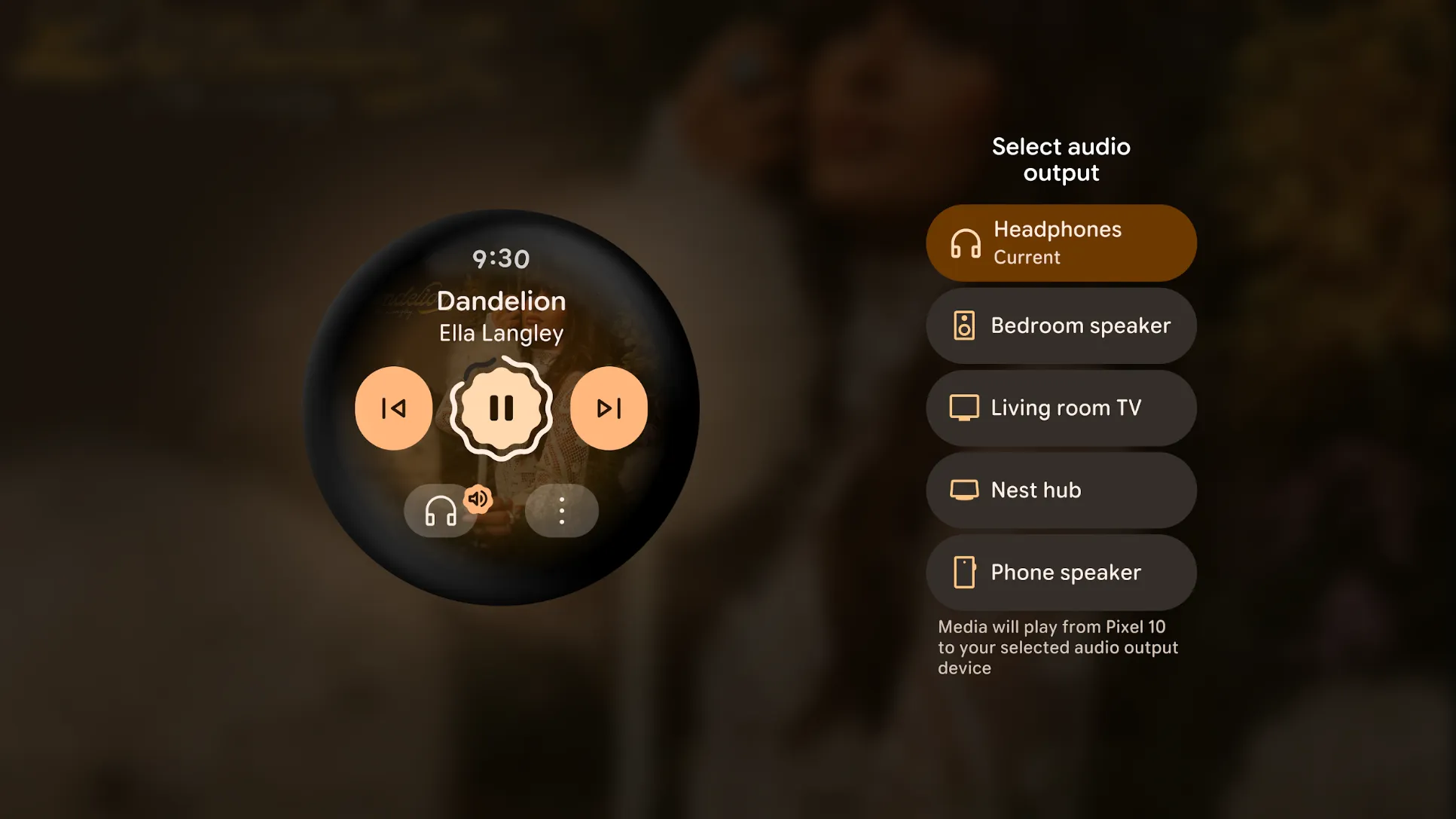
A new audio output switcher makes it easier to move playback between devices. You can shift audio from your watch to Bluetooth headphones or a Nest speaker without fumbling through settings. Google also confirmed that smart glasses, like the prototypes shown at I/O last month, will connect to Wear OS 7, allowing you to preview photos on your wrist.
When do Gemini features arrive on Wear OS?
Google announced several Gemini Intelligence features for Wear OS 7, but none of them launch today. The company says they're coming "later this year."
The most interesting is Create My Widget, which lets users generate custom watch widgets using natural language prompts. Ask for a widget that shows your next meeting and the weather, and Gemini builds it. Multi-step app automation is also planned, so you could make a restaurant reservation or place an order entirely from your watch.
Wear OS 7 will also add Personal Intelligence, a system that pulls data from connected Google apps to inform Gemini's suggestions. Google is updating Gemini's visual design with what it calls a "neural expressive" look, though specifics remain thin.
The shift from Tiles to Wear Widgets
Third-party developers get a new Wear Widgets API that Google says is easier to build with and more dynamic than the Tiles system introduced in 2019. For users, this should mean richer, more responsive information at a glance.
Some power users on Reddit are skeptical. The concern: third-party apps that invested in Tiles may not transition smoothly, and existing workflows could break. Google addresses this partially by confirming that apps can continue supporting Tiles. On older Wear OS 4, 5, and 6 devices, the new widgets will display as full-screen Tiles instead.
Emergency features expand
Google's Emergency Sharing feature now does more than alert emergency services. If your Pixel Watch detects a fall, loss of pulse, or car crash, it can automatically call a list of personal emergency contacts you've selected. This adds a layer of redundancy for users who want trusted people notified alongside first responders.
Which watches get Wear OS 7?
The update is available now for the Pixel Watch 2, Pixel Watch 3, and Pixel Watch 4. The original Pixel Watch does not appear on the supported list. Third-party Wear OS devices will likely follow on their manufacturers' timelines, but Google has not confirmed a broader rollout schedule.
The chipmaker's wearable strategy intersects directly with where Google is taking Wear OS
Logicity's Take
Wear OS 7 closes the gap between Google's smartwatch platform and the Apple Watch in one specific area: real-time glanceable information. Live Updates borrows the Dynamic Island playbook, but puts it on a screen you're actually wearing. The bigger question is whether Gemini's widget features, when they arrive, will feel genuinely useful or just be a demo reel. If Google can make "build me a widget" actually work, the Pixel Watch becomes less of a notification reader and more of a genuinely personalized device.
Frequently Asked Questions
Which Pixel Watch models support Wear OS 7?
The Pixel Watch 2, Pixel Watch 3, and Pixel Watch 4 all receive the update starting today. The original Pixel Watch is not included.
How much does Wear OS 7 improve battery life?
Google claims up to 10% better battery efficiency compared to Wear OS 6, achieved through system-level optimizations.
What are Live Updates in Wear OS 7?
Live Updates sync real-time information like sports scores, delivery tracking, and ride-sharing status between your phone and watch automatically.
When do Gemini features come to Wear OS 7?
Google says Gemini Intelligence features, including AI-generated widgets and multi-step automation, will arrive later in 2026.
Will third-party Tiles still work on Wear OS 7?
Yes. Developers can continue supporting Tiles alongside the new Wear Widgets API, and widgets will display as full-screen Tiles on older Wear OS versions.
Need Help Implementing This?
Logicity.in covers the tools, platforms, and strategies shaping how technology teams build and ship products. Subscribe for daily updates on what matters in tech.
Huma Shazia
Senior AI & Tech Writer
Produced with AI assistance and reviewed by the Logicity editorial team. Learn more in our Editorial Policy.