Key Takeaways
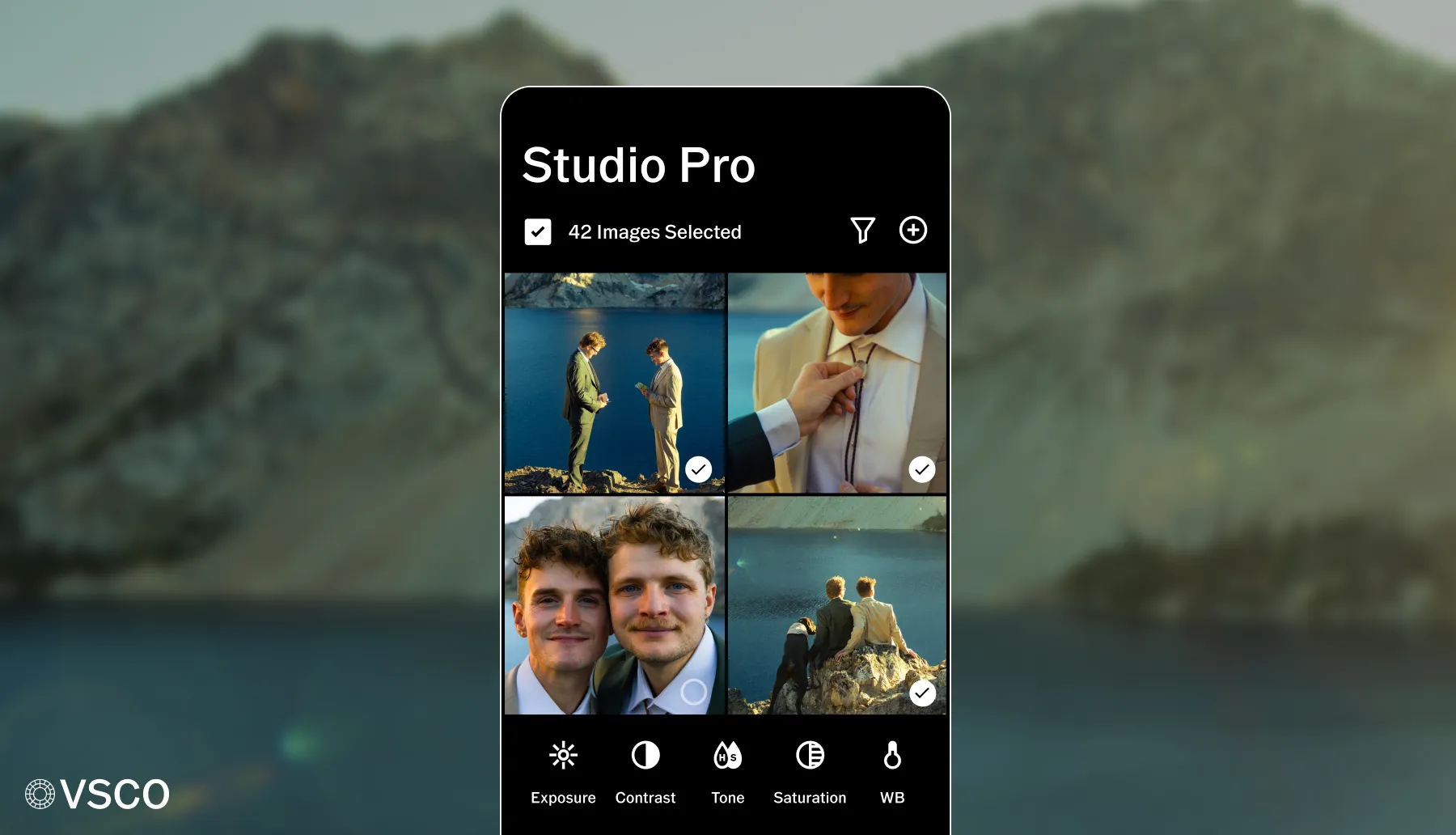
- VSCO Studio Pro launches on iOS today with macOS support coming later this year
- The VSCO One subscription costs $500 per year, matching Adobe Creative Cloud Pro pricing
- The bundle includes batch editing, client galleries, CRM tools, and 500 monthly AI credits
VSCO launched Studio Pro on iOS today, a professional photo editing app designed for high-volume shoots like weddings and events. The company also announced VSCO One, a $500 per year subscription bundle that combines editing tools with business management features. The move positions VSCO as a direct competitor to Adobe's Creative Cloud.
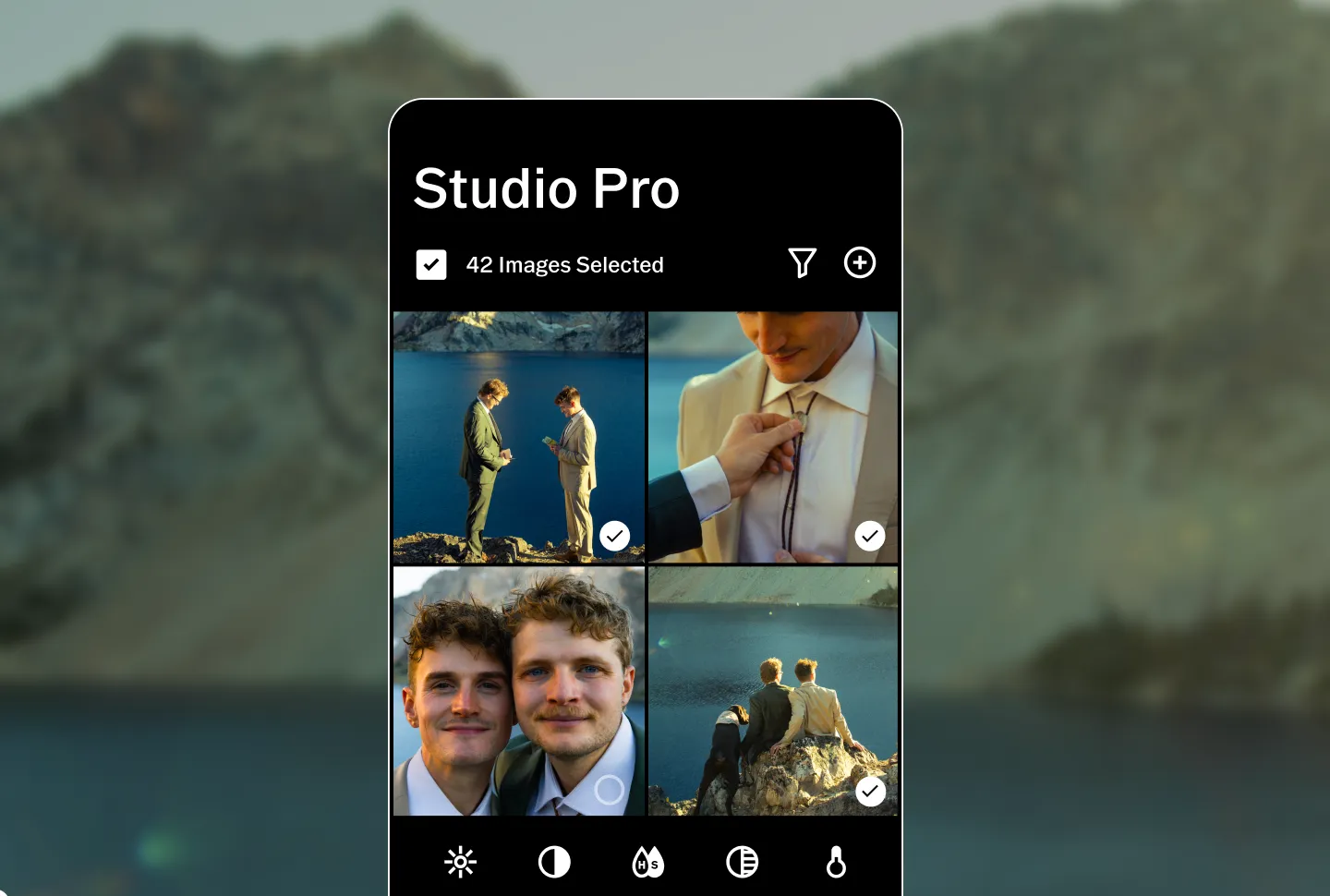
Studio Pro arrives with batch editing capabilities, style matching from reference images, and sharing through VSCO Galleries. A macOS version is planned for later this year. The company says additional features are coming, including RAW image support, advanced export options, and aspect ratio adjustments.
What does the $500 VSCO One subscription include?
VSCO One launches later this month as an all-in-one package for professional photographers. The company frames it as an alternative to juggling separate tools for editing, client communication, and image delivery.
The subscription bundles Studio Pro, Capture, Galleries, Workspace, Sites, AI Lab, Canvas, and a Freelance Photographer mentorship program. It also includes 500 monthly AI generation credits through AI Lab.
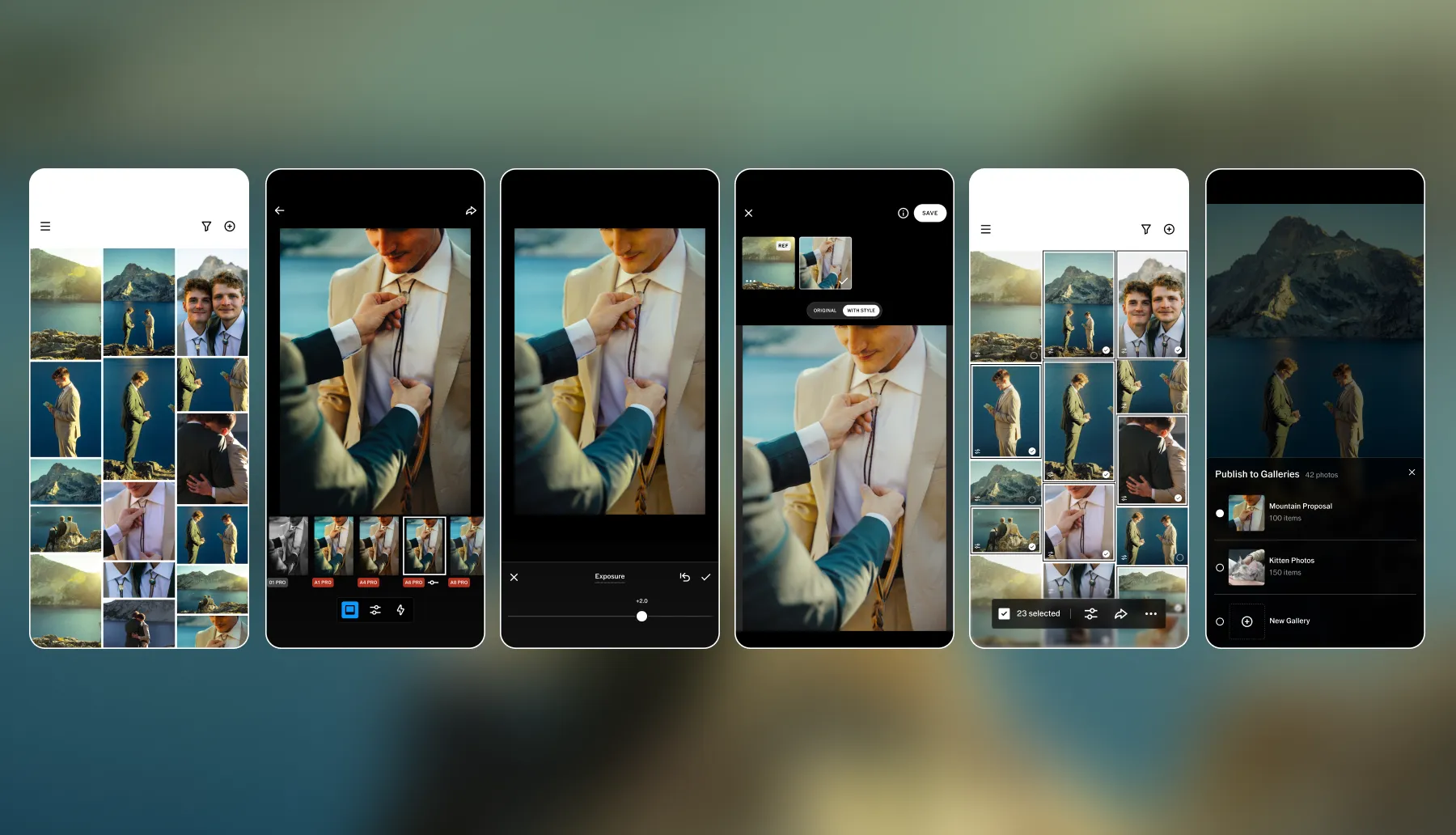
The target audience is clear from the press release: photographers handling weddings, portraits, events, sports, and school photography. These are high-volume jobs where batch processing saves hours of editing time.
How does VSCO One compare to Adobe's photography plans?
The $500 annual price matches Adobe Creative Cloud Pro. But the comparison gets complicated when you look at what most photographers actually use.
| Feature | VSCO One ($500/yr) | Adobe Photography Plan (~$120/yr) |
|---|---|---|
| Photo Editing | Studio Pro (mobile-first) | Lightroom, Photoshop |
| RAW Support | Coming later | Full support |
| Client Galleries | Included | Not included |
| CRM/Booking Tools | Included | Not included |
| AI Generation Credits | 500/month | Via Firefly (varies) |
| Business Mentorship | Included | Not included |
| Desktop Support | macOS coming later | Full Mac/Windows |
Adobe's Photography Plan runs around $120 per year and includes Lightroom and Photoshop with 20GB of cloud storage. That's the plan most independent photographers use. Adobe's full Creative Cloud Pro subscription, at $500+, targets agencies and designers who need the entire suite.
VSCO's pitch is that $500 covers tools you'd otherwise buy separately: editing software, client gallery hosting, a booking system, and coaching. For a photographer paying for Lightroom plus a service like Pixieset or ShootProof, the math might work out.
Why the price is causing debate among photographers
Community reaction has been split. On Reddit's r/photography and Hacker News, many long-time VSCO users expressed sticker shock. The app built its reputation as an affordable, mobile-first editing tool with trendy filters. A $500 annual commitment feels like a different product entirely.
The counterargument comes from working pros who recognize the bundled value. One wedding gig can gross several thousand dollars. If VSCO's CRM and gallery tools help land even one additional booking per year, the subscription pays for itself.
The real question is whether VSCO can execute. Professional photographers have deeply ingrained workflows built around Adobe and specific third-party tools. Switching costs are high, not in dollars, but in time spent learning new software and re-establishing client delivery systems.
VSCO's strategic pivot from consumer to professional
This launch marks a significant repositioning for VSCO. The company became famous in the early 2010s as a filter app, then evolved into a social platform for photographers who wanted something less algorithmic than Instagram. Revenue came from a modest subscription for premium filters.
Studio Pro and VSCO One signal a move toward SaaS for professional creatives. The Freelance Photographer mentorship program is particularly interesting. It's not software at all. It's business education, wrapped into the subscription to add perceived value and differentiate from pure editing tools.
The timing makes sense. Adobe has faced criticism for its subscription model and recent AI controversies around training data. Canva keeps pushing further into professional design territory. There's an opening for a mobile-native competitor that professional photographers can grow into.
What's missing from Studio Pro at launch
The iOS-only launch limits initial adoption. Most professional photographers edit on desktop machines with calibrated monitors. The promised macOS app doesn't have a firm release date beyond "later this year."
RAW support being "coming later" is a significant gap. Professional wedding and event photographers shoot RAW almost exclusively. Without it, Studio Pro can't be a primary editing tool for the exact audience VSCO is targeting.
VSCO appears to be betting that early adopters will pay for the vision while features catch up. That's a risky strategy when competing against tools that already do everything the target customer needs.
Logicity's Take
VSCO is making a calculated bet that professional photographers want fewer vendors, not better individual tools. The $500 price only makes sense if you value the bundled CRM and gallery features. For pure editing, Adobe remains more capable. The real test comes when macOS launches and RAW support arrives. Until then, VSCO One is a promise, not a product.
Frequently Asked Questions
When does VSCO Studio Pro launch on macOS?
VSCO says the macOS version is coming "later this year" but hasn't announced a specific date.
Does VSCO Studio Pro support RAW files?
Not at launch. VSCO says RAW support is coming in a future update, but no timeline has been provided.
What's included in the VSCO One subscription?
The $500/year bundle includes Studio Pro, Capture, Galleries, Workspace, Sites, AI Lab with 500 monthly credits, Canvas, and a Freelance Photographer mentorship program.
Is VSCO One cheaper than Adobe Creative Cloud?
It's priced similarly to Adobe's full Creative Cloud Pro subscription. However, Adobe's Photography Plan with Lightroom and Photoshop costs around $120/year, making it significantly cheaper for editing alone.
Who is VSCO Studio Pro designed for?
VSCO targets professional photographers handling high-volume projects like weddings, portraits, events, sports, and school photography.
Another creative tool company expanding into unexpected territory
Need Help Implementing This?
Looking to optimize your photography workflow or evaluate editing platforms for your creative team? Logicity's consulting partners can help assess whether VSCO One or alternative solutions fit your business needs. Contact us for a workflow analysis.
Manaal Khan
Tech & Innovation Writer
Produced with AI assistance and reviewed by the Logicity editorial team. Learn more in our Editorial Policy.




