Key Takeaways

- The global Vivo Y500 packs an 8,100mAh battery, far exceeding the typical 5,000-6,000mAh found in most smartphones.
- The device features a 1.5K AMOLED display and runs Android 16 with ColorOS 6.
- A Google Play Console listing confirms the Unisoc T7300 chipset with 8GB RAM powers the phone.
Vivo has begun teasing the global variant of the Y500 smartphone in Nepal, revealing two standout specs: an 8,100mAh battery and a 1.5K resolution AMOLED display. This phone shares a name with the Chinese Y500 that launched last September, but the two devices look nothing alike and target different market needs entirely.
The global Y500 is part of a three-member family that Vivo plans to roll out outside China. The Nepal teasers highlight what the company calls a "trendy camera design" and an "ultra fast & powerful" processor. Vivo hasn't officially named the chipset, but a Google Play Console listing already spoiled the reveal: it's the Unisoc T7300, paired with 8GB of RAM.
Why is the Vivo Y500 battery so large?
At 8,100mAh, the Y500's battery dwarfs the 5,000 to 6,000mAh cells found in most contemporary smartphones. Vivo brands this as its "BlueVolt" battery technology. The company's official statement frames the decision as "redefining battery longevity for the modern user," suggesting the Y500 targets buyers who prioritize endurance over slim profiles.
Markets like Nepal, where the phone is being teased first, often see power efficiency as a primary purchase driver. Inconsistent electricity access and long commutes make multi-day battery life more valuable than shaving a few millimeters off thickness. The global Y500 appears purpose-built for these conditions.
What does 1.5K resolution mean for the display?
Vivo describes the Y500's screen as a "1.5K" AMOLED panel. In industry terms, this typically means a resolution around 2700 x 1200 pixels, sitting between standard 1080p Full HD and true 2K (QHD) displays. It's a spec that's been appearing more frequently in mid-range phones as panel costs drop.
AMOLED technology brings deeper blacks, better contrast, and lower power consumption compared to LCD screens. Combined with the massive battery, the Y500 could deliver impressive screen-on time for video streaming and general use.
The Unisoc T7300: budget chip, capable performer
The Unisoc T7300 isn't a flagship processor, but it doesn't need to be. This chipset targets the budget and lower mid-range segment, delivering competent performance for everyday tasks without the power draw of premium silicon. By choosing Unisoc over Qualcomm or MediaTek alternatives, Vivo can hit aggressive price points in cost-sensitive markets.
The 8GB RAM pairing should handle multitasking adequately. The phone runs Android 16 with Vivo's ColorOS 6 skin on top, which should bring the latest Android features alongside Vivo's software additions.
How does the global Y500 differ from the Chinese version?
The original Chinese Y500, launched in September 2024, was a 5G-enabled device with a completely different design language. The global variant drops 5G connectivity in favor of 4G, redirecting the bill of materials budget toward battery capacity and display quality.
This isn't unusual. Phone makers often rebadge devices or create region-specific variants under the same model name. Vivo appears to have assessed that markets like Nepal value raw endurance and screen quality over 5G speeds, which remain unavailable or unreliable in many regions.
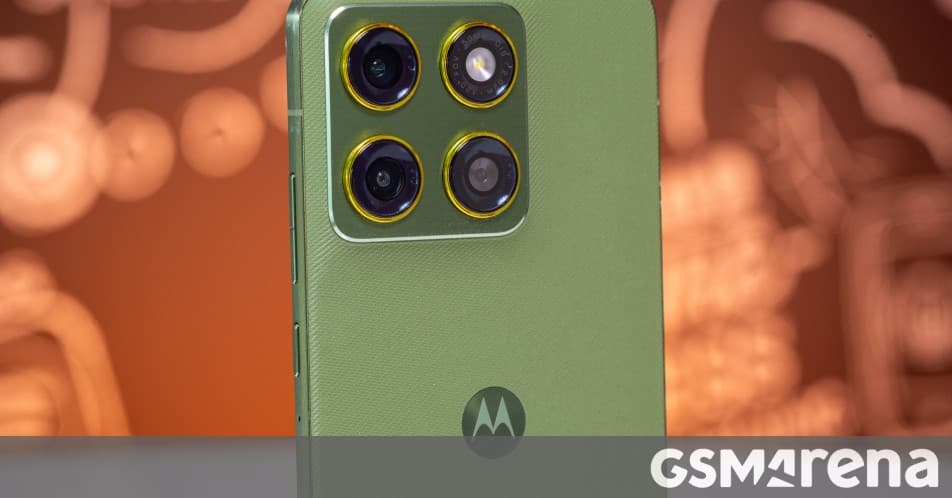
Another recent smartphone pushing the boundaries of battery capacity with similar multi-day life claims.
What's the trade-off with such a large battery?
Online discussion, particularly on Reddit's r/Android community, has focused on the practical downsides of an 8,100mAh cell. Larger batteries mean heavier phones and longer charging times. Users are debating whether the multi-day battery life justifies the extra weight they'll carry in their pockets.
Vivo hasn't revealed the phone's charging speed or weight yet. These details will determine whether the Y500 feels like a tank or manages to stay comfortable for daily use.
When will Vivo reveal full specs and pricing?
Vivo hasn't announced a launch date, but teasers usually precede official reveals by days or weeks. The Nepal market appears to be the first stop, with other regions likely to follow. Pricing remains unknown, though the Unisoc chipset suggests Vivo is targeting the affordable segment.
Frequently Asked Questions
What battery capacity does the Vivo Y500 have?
The global Vivo Y500 features an 8,100mAh battery, which Vivo brands as "BlueVolt" technology.
What processor powers the Vivo Y500?
A Google Play Console listing reveals the Unisoc T7300 chipset with 8GB of RAM.
Does the global Vivo Y500 support 5G?
No, the global variant is a 4G device, unlike the 5G-enabled Chinese Y500 launched in September 2024.
What is the Vivo Y500's display resolution?
The phone features a 1.5K AMOLED display, typically meaning around 2700 x 1200 pixels.
When will the Vivo Y500 launch globally?
Vivo hasn't announced a specific date, but teasers have begun in Nepal, suggesting an imminent reveal.
Logicity's Take
The Y500 represents a deliberate bet by Vivo: that certain markets will pay for battery endurance over 5G speeds. It's a rational calculation. 5G coverage remains patchy across South Asia and Africa, while electricity access can be unreliable. A phone that lasts two or three days on a charge solves a real problem. Whether the OnePlus N6 (at 8,000mAh) or the Y500 wins this emerging "mega-battery" segment will come down to pricing and charging speeds. Vivo hasn't shown its hand on either yet.
Need Help Implementing This?
Looking to stay ahead of mobile hardware trends for your business or publication? Logicity.in covers the latest in smartphones, enterprise tech, and digital infrastructure. Subscribe to our newsletter for daily updates, or contact our editorial team for partnership inquiries.
Source: GSMArena.com / Vlad
Huma Shazia
Senior AI & Tech Writer
Produced with AI assistance and reviewed by the Logicity editorial team. Learn more in our Editorial Policy.