Key Takeaways
- The US government accuses Anthropic of releasing Fable 5 without approval from a clearinghouse that didn't exist yet
- Security experts argue that 'unhackable LLMs' are technically impossible given current AI architecture
- Over 100 security professionals signed an open letter calling for the export controls to be lifted
The Accusation
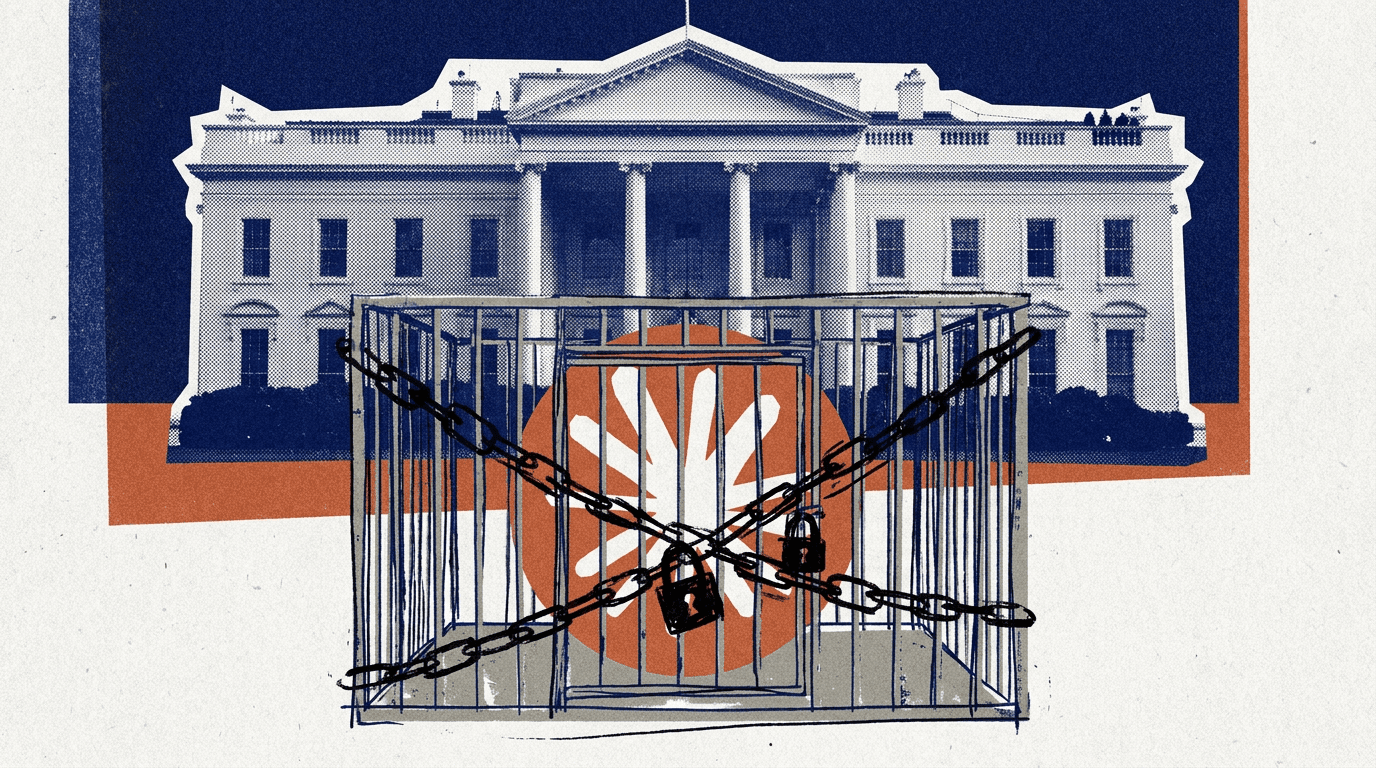
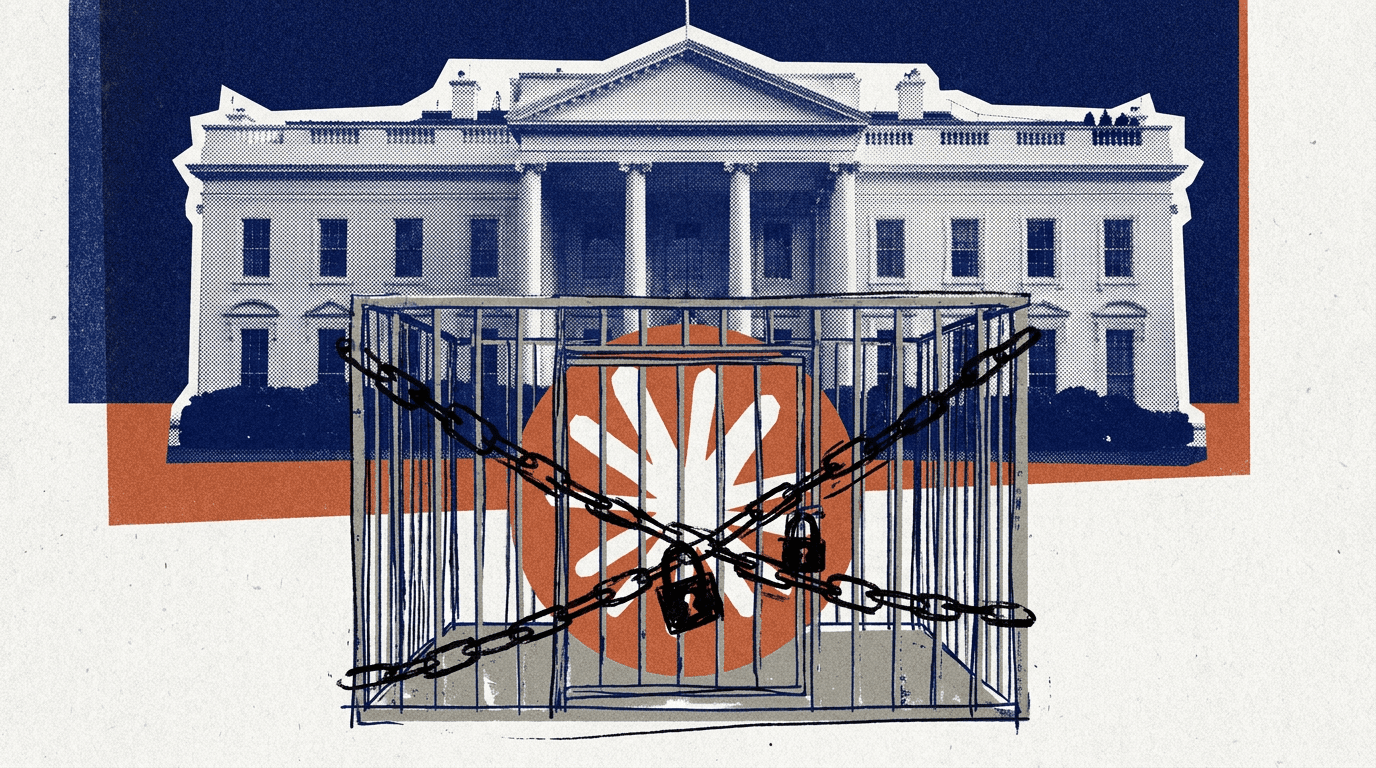
The Trump administration is furious with Anthropic. According to Axios, government officials believe the AI company ignored the president's recent cyber executive order by releasing its Fable 5 model without explicit approval.
The core complaint: Anthropic released Fable 5 without waiting for a designated clearinghouse to sign off. There's just one problem. That clearinghouse hadn't been set up yet.
Government sources also claim Anthropic knew a 'jailbreak' could occur and released the model anyway. The tip about this vulnerability reportedly came from Amazon and other tech companies. But the existence and severity of this jailbreak haven't been confirmed.
Why 'Unhackable LLMs' Don't Exist
Here's where the government's argument falls apart. Anyone who works closely with AI models knows they can be hacked. This isn't a secret. It's not even controversial in technical circles.
OpenAI has publicly warned that prompt injection, a related attack method, may never be fully solved. The architecture of large language models makes them inherently vulnerable to adversarial inputs. No amount of engineering has changed this fundamental reality.
The government's accusation that Anthropic 'knew about the jailbreak risk' is like accusing a car manufacturer of knowing their vehicles could crash. Of course they knew. Every LLM developer knows their models can be manipulated. The question is how severe the breach is and how fast countermeasures can be deployed.

Logicity's Take
The Communication Breakdown
Government sources told Axios the conversations between officials and Anthropic have been frustrating. 'It's like they just speak in different languages,' one said.
That observation might be more accurate than intended. The technical reality of AI security doesn't translate well into policy frameworks built for traditional software. LLMs aren't databases with access controls. They're probabilistic systems that generate responses based on patterns in training data.
The Department of Commerce and Anthropic employees are reportedly in talks. More meetings are planned involving the CIA and science advisor Michael Kratsios.
Security Experts Push Back
Over 100 security experts and tech industry executives have published an open letter to Trade Secretary Lutnick and National Cyber Director Cairncross. Their demand: lift the export controls on Fable and Mythos.
Their argument is straightforward. Yes, Anthropic's models are good at finding security flaws in software. But they aren't uniquely good at it. Other models including GPT-5.5, Opus, Sonnet, and the Chinese Kimi 2.7 can do the same thing.
If the US restricts Anthropic's models while competitors offer similar capabilities, American companies lose market access without any security benefit.
Another example of security vulnerabilities in widely-used software
Anthropic's Awkward Position
Anthropic isn't entirely blameless here. The company has historically taken a strong stance on AI safety. CEO Dario Amodei said back in 2023 that 'a jailbreak could be life or death' if someone managed to bypass safety protocols in science, tech, and biology.
That framing gave regulators ammunition. If Anthropic's own CEO described jailbreaks as potentially deadly, why shouldn't the government demand bulletproof security before approving releases?
The answer is that 'life or death' risk assessment and 'technically achievable security' are different conversations. Anthropic can acknowledge serious risks while also recognizing that perfect security doesn't exist.
How major tech companies handle zero-day vulnerabilities
What Happens Next
The export control directive is unprecedented. This marks the first time the US government has targeted specific AI models rather than hardware. The directive forced Anthropic to globally disable access to Fable 5 and Mythos 5 to ensure compliance.
If the administration insists that frontier AI models must be 'unhackable' before they ship internationally, the implications extend far beyond Anthropic. Every American AI company would face the same impossible standard.
Technical communities have largely ridiculed the concept of an 'unhackable LLM' as political posturing. But some security-focused analysts emphasize the legitimate risks of advanced AI models being used as cyber-weapon force multipliers.
The legal and regulatory battle now unfolding may define the future of US AI policy. It's a test case for whether security demands will be calibrated to technical reality or political aspiration.
Frequently Asked Questions
Why can't AI models be made unhackable?
Large language models are probabilistic systems that respond to patterns in input. This architecture makes them inherently vulnerable to adversarial prompts. Even OpenAI has stated that prompt injection may never be fully solved.
What is a jailbreak in AI?
A jailbreak is a technique that bypasses an AI model's safety guardrails, allowing users to generate outputs the developers intended to block. This could include harmful instructions, copyrighted content, or other restricted information.
Why did Anthropic release Fable 5 without government approval?
The executive order called for voluntary oversight through a clearinghouse. Anthropic released Fable 5 before that clearinghouse was established. The company welcomed the proposal but didn't wait for infrastructure that didn't exist.
What are the export controls on Anthropic's AI models?
The Trump administration issued a directive preventing Fable 5 and Mythos 5 from being accessed by foreign nationals. This forced Anthropic to disable the models globally to ensure compliance.
Can other AI models do what Fable 5 does?
According to security experts, yes. GPT-5.5, Opus, Sonnet, and the Chinese Kimi 2.7 have similar capabilities for finding software vulnerabilities, undermining the argument that Anthropic's models pose unique risks.
Need Help Implementing This?
Source: The Decoder / Matthias Bastian
Manaal Khan
Tech & Innovation Writer
Produced with AI assistance and reviewed by the Logicity editorial team. Learn more in our Editorial Policy.