Key Takeaways
- An unauthorized party accessed Ultrahuman's analytics system on March 27, 2026, exposing contact details and order history
- No passwords, payment information, or credit card numbers were involved in the breach
- Ultrahuman waited 68 days between discovering the breach and notifying users publicly
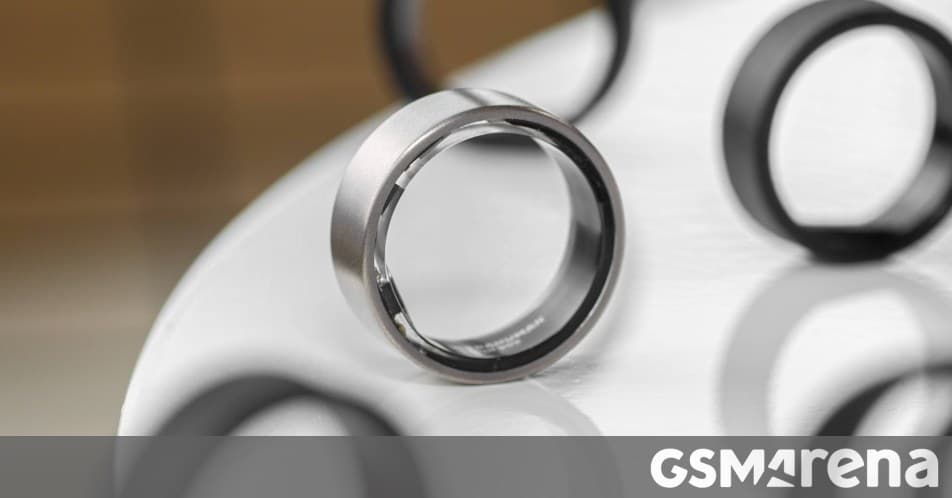
Ultrahuman, the smart ring and fitness tracker maker, informed users on June 3 that an unauthorized third party accessed an internal analytics system on March 27, 2026. The breach exposed contact details, account information, order and transaction history, and some fitness-related data. CEO Mohit Kumar emphasized in an email to customers that no passwords, payment information, or credit card numbers were compromised.
The affected system was an internal analytics tool, isolated from production databases that store sensitive credentials and financial data. Its design prevented the intruder from modifying or deleting information. Ultrahuman detected the intrusion, took the system offline, and revoked all access.
What Was Exposed
The compromised dataset included contact and account details tied to individual users, their complete order and transaction history, and fitness-related data generated by Ultrahuman Ring usage. The company confirmed that approximately 0.1% of its total user base was affected.
“The affected system was an internal analytics tool... and due to its design, it did not permit any modification or deletion of data.”
— Mohit Kumar, Founder and CEO, Ultrahuman
Payment credentials and passwords are stored in separate, more secure production environments that the attacker never reached. Ultrahuman's monitoring has found no evidence of the stolen data being published or misused.
Timeline and Response
Ultrahuman discovered the breach on March 27 after an unauthorized third party obtained employee credentials via malware. The company took the affected analytics platform offline immediately. However, it waited 68 days to notify users publicly, announcing the incident on June 3.
That delay has drawn criticism on Reddit's r/Ultrahuman community and cybersecurity forums, where users questioned the transparency standards in the wearable health device industry. While many expressed relief that biometric and financial data remained secure, some pointed out that two months is a long time to keep users in the dark about potential phishing risks.
Ultrahuman says it has since implemented additional endpoint security measures across internal systems, reviewed data access controls, and conducted active monitoring of public and dark web channels for evidence of data publication. The company has set up a dedicated email, security-2026@ultrahuman.com, for user questions and published a full disclosure at ultrahuman.com/legal/notice-march-2026.
Phishing Remains the Real Risk
Even though no financial data was stolen, the exposed contact and order information is enough for attackers to craft convincing phishing attempts. Ultrahuman's notice warns users to treat unexpected emails, SMS messages, or phone calls referencing their orders or personal data with caution, especially if they convey urgency or ask users to click a link.
The company will not ask users to confirm passwords, payment details, or other personal information by email or SMS. If you receive such a request, it's a phishing attempt.
Our Take
What Users Should Do
If you own an Ultrahuman Ring or use the company's services, watch for phishing emails that reference your order history or fitness data. Do not click links in unexpected messages. Verify any communication claiming to be from Ultrahuman by going directly to the company's website or app, not through email links.
Your Ultrahuman Ring continues to function normally and record wellness data accurately. The breach did not affect device operation or the integrity of your health metrics.
Frequently Asked Questions
Were Ultrahuman passwords or payment details compromised in the breach?
No. Ultrahuman confirmed that passwords, credit card numbers, and payment information were not accessible. Those credentials are stored in separate, more secure production systems that the attacker never reached.
How many Ultrahuman users were affected by the security incident?
Approximately 0.1% of Ultrahuman's total user base had their contact details, order history, and fitness data exposed.
Why did Ultrahuman wait 68 days to notify users?
Ultrahuman has not publicly explained the two-month delay between detecting the breach on March 27 and notifying users on June 3. The timeline has drawn criticism from cybersecurity communities.
What should Ultrahuman users do now?
Be cautious of phishing emails or texts that reference your orders or personal data. Do not click links in unexpected messages. Ultrahuman will never ask you to confirm passwords or payment details via email or SMS.
Does this breach affect how the Ultrahuman Ring works?
No. The Ring continues to operate normally and record accurate wellness information. The breach only affected an internal analytics system, not device functionality.
Need Help Implementing This?
Source: GSMArena.com / Ivan
Manaal Khan
Tech & Innovation Writer
Produced with AI assistance and reviewed by the Logicity editorial team. Learn more in our Editorial Policy.