Key Takeaways
- The UK will ban TikTok, Instagram, Snapchat, YouTube, Facebook, and X for children under 16
- Messaging apps like WhatsApp and Signal are exempt from the ban
- AI romantic companion chatbots will be banned for under-18s, with intimate AI features banned entirely for minors
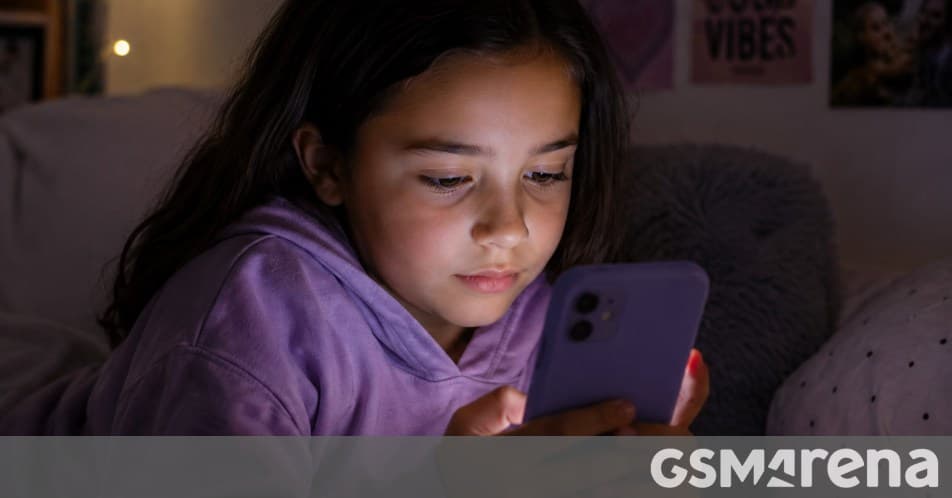
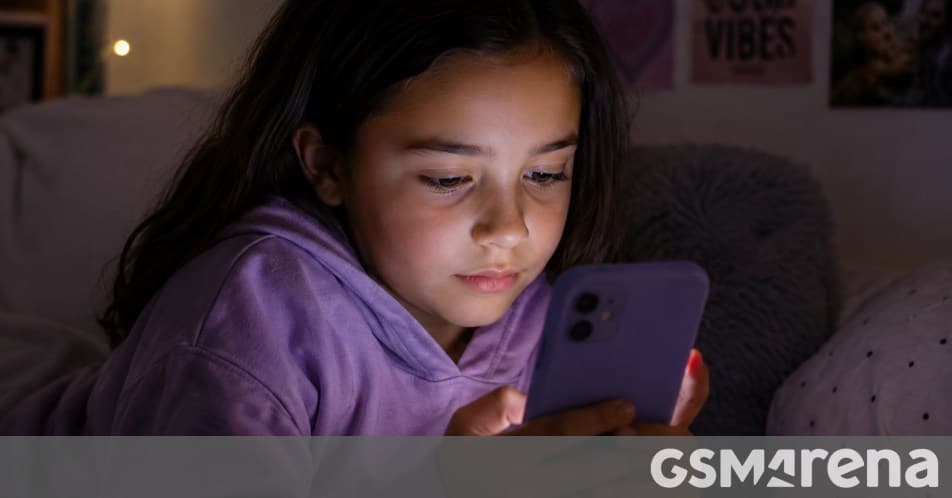
The UK government announced a sweeping ban on social media use for children under 16, targeting TikTok, Instagram, Snapchat, YouTube, Facebook, and X. Messaging apps like WhatsApp and Signal remain exempt. The first regulations could take effect next spring, though the government has yet to explain how enforcement will actually work.
Prime Minister Keir Starmer framed the move as a child protection measure. "We are taking this action to ensure that childhood is protected from the corrosive impact of addictive algorithms and to prioritize the mental well-being of our next generation," he said.
What does the UK social media ban cover?
The ban applies to major social platforms but carves out exemptions for direct messaging services. The government also announced restrictions on "harmful functions" like live streaming and stranger communication with children. These rules extend beyond social media to gaming sites and apply to users under 17.
AI gets separate treatment. Romantic companion chatbots are banned outright for under-18s. Any AI chatbot, including general-purpose assistants, cannot offer "intimate functionalities" to minors.
- Social media ban (TikTok, Instagram, Snapchat, YouTube, Facebook, X): applies to under-16s
- Harmful feature restrictions (live streaming, stranger contact): applies to under-17s
- AI companion chatbot ban: applies to under-18s
- Messaging apps (WhatsApp, Signal): exempt
How will age verification work?
This is the question the government has not answered. The announcement mandates Ofcom, the UK's communications regulator, to "conduct a rapid study on what is effective age assurance for verifying whether someone is over 16." The government committed to funding Ofcom for both the study and eventual enforcement.
The burden falls on platforms, not parents or children. This mirrors Australia's recent approach, which passed similar legislation in late 2024. Tech companies will need to implement age assurance systems, though what those systems look like remains undefined.
Critics argue this creates an impossible mandate. Age verification at scale typically requires either identity documents, which raises privacy concerns, or AI-based age estimation, which is unreliable. VPNs offer an obvious workaround for any teen motivated to bypass restrictions.
The split public reaction
The government's public consultation drew 116,000 responses. Online, the reaction splits predictably. Parents and child safety advocates see the move as overdue intervention against platforms designed to maximize engagement at any cost. The mental health argument resonates: studies consistently link heavy social media use with anxiety and depression in adolescents.
The counterargument is practical, not ideological. Critics on Reddit and tech forums call it "security theatre." Banning 15-year-olds from Instagram does not make them stop wanting to connect with friends. It pushes them toward less regulated spaces, encrypted groups, or simply lying about their age.
One recurring criticism: a blanket ban is cheaper than building better protective features. Real-time moderation, algorithmic transparency, and youth-specific safety modes cost money and engineering resources. A ban shifts that burden to platforms while sounding decisive.
What happens next
Ofcom's study on age assurance will determine whether any of this becomes technically feasible. The spring 2026 timeline is tentative. Platforms will likely push back, and legal challenges are possible. The UK is betting that Australia's earlier move provides a template, but neither country has demonstrated working enforcement yet.
More on tech security and platform vulnerabilities
Frequently Asked Questions
When does the UK social media ban for under-16s start?
The first regulations could take effect as early as spring 2026, though the exact timeline depends on Ofcom's age verification study.
Which platforms are banned under the UK's new law?
TikTok, Instagram, Snapchat, YouTube, Facebook, and X are included. Messaging apps like WhatsApp and Signal are exempt.
How will the UK verify children's ages on social media?
The government has mandated Ofcom to study effective age assurance methods. No specific technology has been announced yet.
Are AI chatbots affected by the UK ban?
Yes. Romantic companion chatbots are banned for under-18s, and all AI chatbots must block intimate functionalities for minors.
Logicity's Take
This is a political solution to a technical problem. The UK is betting that forcing platforms to solve age verification will produce innovation. More likely, it produces compliance theatre: systems just robust enough to shift legal liability while remaining trivial to bypass. The real test is whether enforcement has teeth when TikTok's UK user base drops by millions.
Need Help Implementing This?
If your platform operates in the UK and serves minors, compliance planning should start now. Contact Logicity's advisory team for regulatory analysis and age assurance implementation strategies.
Source: GSMArena.com / Vlad
Huma Shazia
Senior AI & Tech Writer
Produced with AI assistance and reviewed by the Logicity editorial team. Learn more in our Editorial Policy.