Key Takeaways
Purpose in Action │Usher Raymond and Truist CEO Bill Rogers
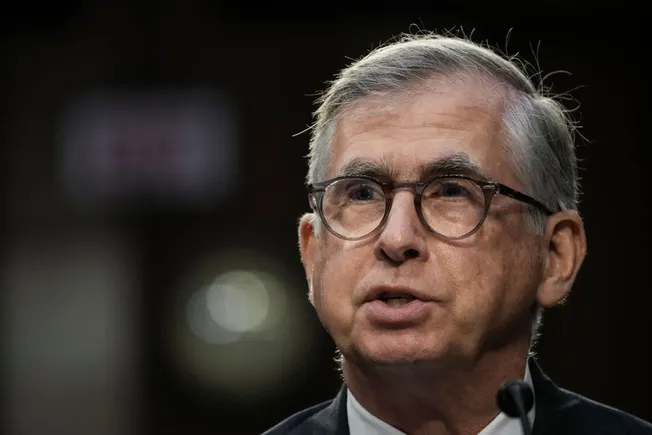
- Mike Lyons, former Fiserv CEO and PNC president, becomes Truist CEO on September 1, 2026
- Bill Rogers transitions to executive chair through April 2027, ending a year-long succession process
- Truist Q2 2026 net income rose 27% YoY to $1.5 billion on $5.3 billion revenue
Truist Financial named Mike Lyons as its next CEO, effective September 1, ending what outgoing chief Bill Rogers called "a little uncertainty" around the leadership timeline. Rogers, who has led the $550 billion-asset bank since 2021, will stay on as executive chair through April 2027.
Speaking on Truist's second-quarter earnings call Friday, Rogers framed the appointment as a matter of organizational clarity. "Certainty helps," he said. "There was probably a little uncertainty of my timeline, and now we have a lot of certainty."
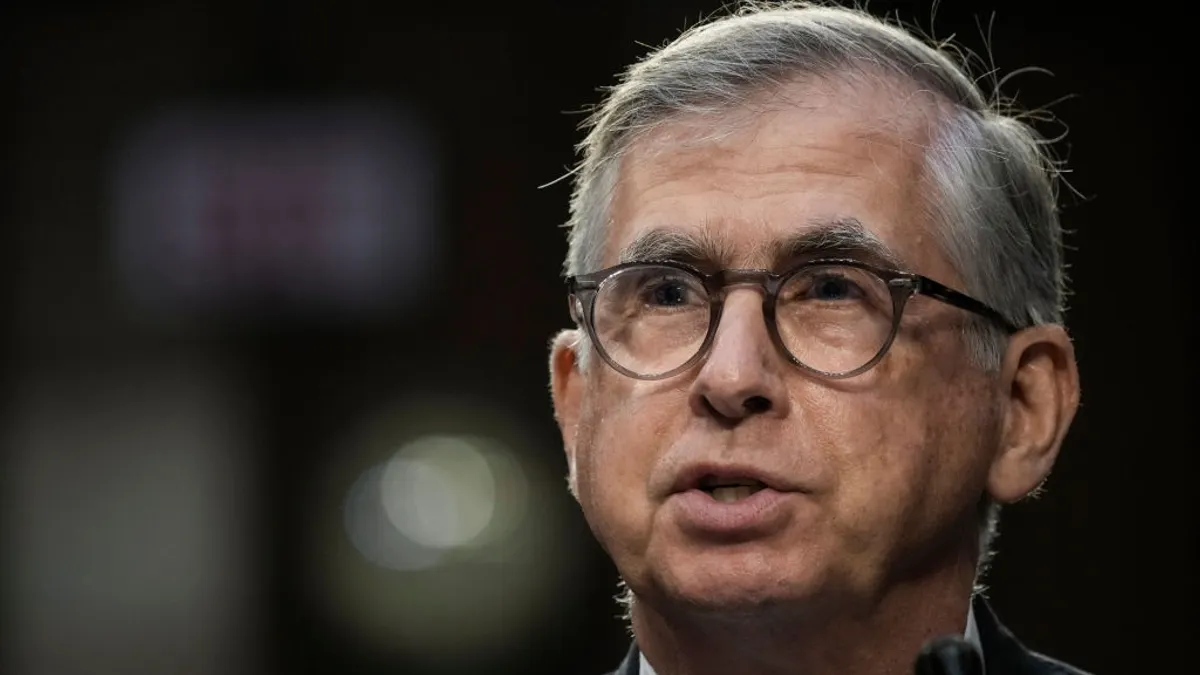
Why Truist picked an outsider
Lyons comes from Fiserv, where he served as CEO, and before that held the president role at PNC. Analysts covering Truist called him "a welcome outsider" when the appointment was announced in June. The board wanted someone with deep understanding of core banking, but also expertise in technology and payments, Rogers said.
"Thinking about where the proverbial puck is going," Rogers explained, Lyons fit the profile "perfectly." The Charlotte-based super-regional bank has faced pressure to demonstrate merger synergies since the 2019 BB&T-SunTrust deal that created it. Analysts want proof the combined entity can hit its long-term target of 16% to 18% return on tangible common equity.
When UBS analyst Erika Najarian pressed on whether Lyons would deliver that target, Rogers didn't hedge. "Mike came in here to lead and run a high-performing company, and I don't think there'll be any doubt on that."
The talent retention question
Bringing in an outsider CEO can rattle senior executives who expected the job. Najarian asked whether Truist's top talent had been reassured. Rogers acknowledged the dynamic but didn't dwell on it.
"We re-recruit everyone every day," he said. "We're on that journey."
Charlotte has become a battleground for banking talent. JPMorgan Chase, Citi, and Sumitomo Mitsui Banking Corp. have all expanded or established operations in the city. Rogers argued that the best defense is giving top performers "an incredible platform, career opportunity and a lot of certainty." The Lyons appointment, he suggested, checks all three boxes.
“The best thing for top performers is an incredible platform, career opportunity and a lot of certainty.”
— Bill Rogers, outgoing Truist CEO
Q2 earnings: Strong income, trimmed guidance
Truist's second-quarter results gave Lyons a reasonably healthy foundation. Net income jumped 27% year over year to $1.5 billion on revenue of $5.3 billion, up 5.5%.
But the bank trimmed its full-year revenue growth outlook from 4% to a range of 3.5% to 4%. CFO Mike Maguire pointed to rate-seeking behavior among depositors. Average deposits rose 1.1% YoY to $405 billion, while average interest-bearing deposit costs ticked up 1 basis point to 2.1%.
Rogers downplayed competitive pressure as the driver. "The deposit migration to higher-yielding is more client behavior than competitive pressure," he said. "This is a trend that we've seen that's continued."
What Lyons inherits
Rogers used a relay-race analogy to describe the transition. "So they can run the last lap at a lot of speed," he said, though he declined to detail what Lyons will prioritize. Wells Fargo analyst Mike Mayo offered the obvious punchline: "Hopefully, no one drops the baton."
The succession planning took more than a year. Rogers said the board weighed his own timeline against "what's the right time for the company" and whether the bank was "hitting on cylinders." The answer, apparently, was now.
Logicity's Take
Lyons' Fiserv background signals where Truist's board sees its competitive edge: payments and fintech integration, not just traditional branch banking. Regional banks that can't compete with JPMorgan on scale need to compete on speed and digital infrastructure. Whether Lyons can move a $550 billion institution as fast as he moved Fiserv is the real test. For fintech teams watching this space, Truist's technology investments under Lyons will be the leading indicator of whether the super-regional model has a future or just a longer decline.
Frequently Asked Questions
When does Mike Lyons become Truist CEO?
Mike Lyons takes over as Truist CEO on September 1, 2026. Bill Rogers will remain as executive chair through April 2027.
What is Truist's return on tangible common equity target?
Truist has a long-term target of 16% to 18% return on tangible common equity (ROTCE).
Where did Mike Lyons work before Truist?
Lyons was CEO of payments firm Fiserv and previously served as president of PNC.
How did Truist perform in Q2 2026?
Truist reported net income of $1.5 billion, up 27% year over year, on revenue of $5.3 billion, up 5.5%.
Need Help Implementing This?
Logicity helps finance and fintech teams stay ahead of industry shifts. Subscribe to our newsletter for weekly analysis of banking leadership moves, earnings signals, and technology strategy.
Source: Banking Dive
Manaal Khan
Tech & Innovation Writer
Produced with AI assistance and reviewed by the Logicity editorial team. Learn more in our Editorial Policy.