Key Takeaways
- TP-Link's 8-port 2.5G switch is 62% off at $49.99, down from $129.99
- 2.5 Gbps speeds eliminate standard Gigabit as the home network bottleneck
- Fanless, unmanaged design means zero configuration and silent operation
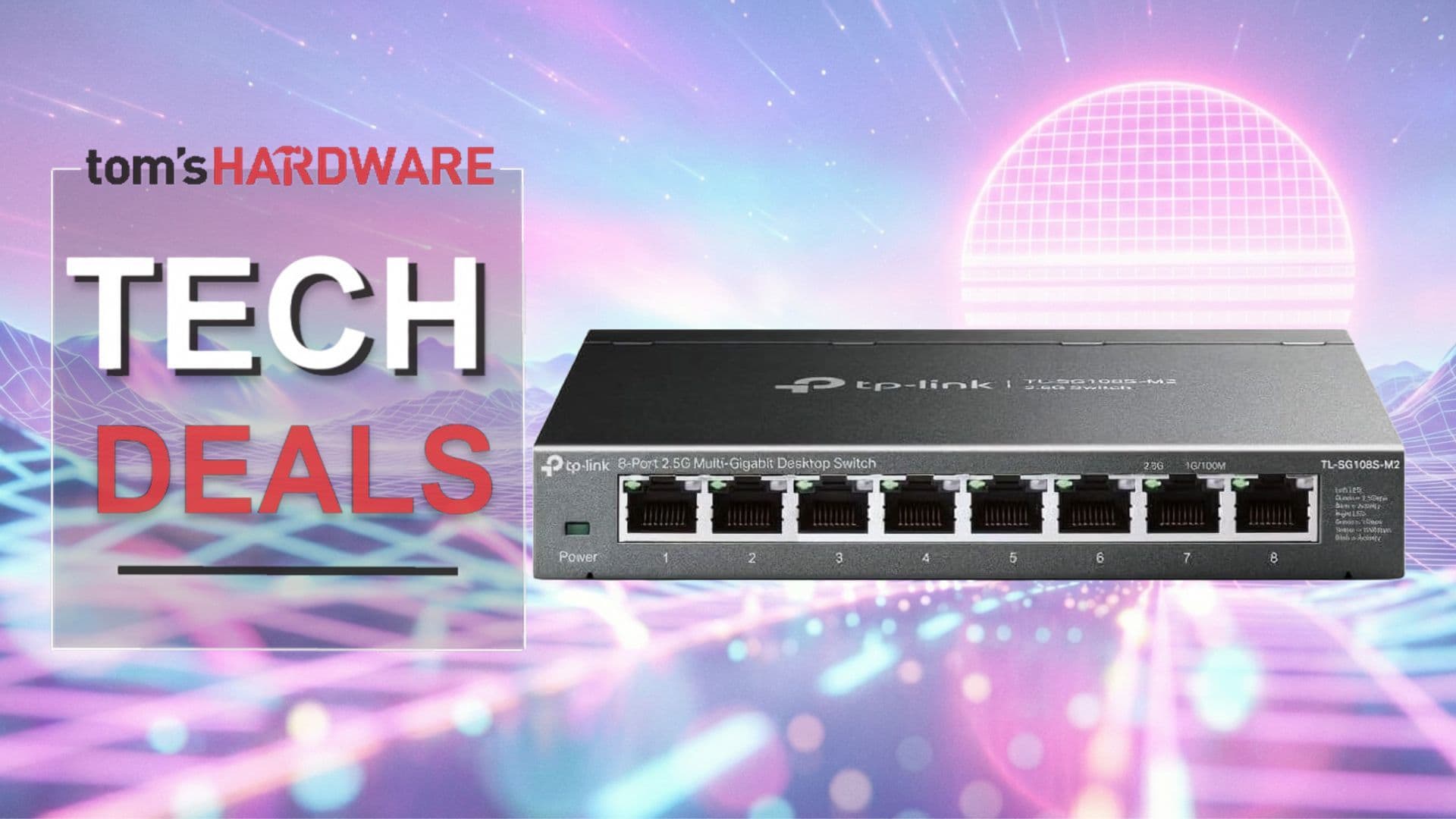
TP-Link's TL-SG108S-M2 eight-port 2.5G Ethernet switch is down to $49.99 on Amazon, a 62% discount from its $129.99 list price. The deal, part of Amazon's early Prime Day promotions, drops the cost per port to roughly $6.25 and makes multi-gigabit home networking accessible to anyone tired of standard Gigabit bottlenecks.
For home labs, NAS users, and anyone whose ISP now delivers speeds above 1 Gbps, this is the upgrade that actually matters. Your fancy fiber connection means nothing if your internal network caps out at Gigabit speeds.
Why 2.5G Ethernet matters now
Most home internet plans have quietly pushed past the 1 Gbps threshold. Comcast, AT&T Fiber, and Google Fiber all offer multi-gig tiers in many markets. The problem: your router and switch are probably still Gigabit-only, creating a bottleneck right inside your own house.
A 2.5G switch fixes that. You get 2.5x the throughput of standard Gigabit Ethernet without rewiring your home. The same Cat5e or Cat6 cables you already have support 2.5 Gbps just fine.
The speed bump is most noticeable when moving large files between a PC and a NAS, streaming 4K video from a local media server, or downloading games to multiple machines simultaneously. Latency-sensitive applications like competitive gaming and VoIP calls also benefit from the increased headroom.
What you get with the TL-SG108S-M2
The TL-SG108S-M2 is an unmanaged switch. That means no web interface, no VLANs, no configuration. Plug it into your router, connect your devices, and you're done. It auto-negotiates between 100 Mbps, 1 Gbps, and 2.5 Gbps depending on what each device supports.
- 8 RJ45 ports, each capable of 2.5 Gbps
- Fanless metal enclosure, silent operation
- Desk mount or wall mount options included
- 10-15W typical power draw
- Plug-and-play with no software required
The fanless design keeps it quiet, which matters if the switch lives in your office or living room. Power consumption stays between 10 and 15 watts, so it won't spike your electric bill or generate much heat.
Who should buy this switch
Home lab enthusiasts and r/HomeNetworking regulars have recommended the TL-SG108-M2 for years as a buy-it-and-forget-it solution. The solid metal build and zero-configuration setup appeal to users who want reliable performance without learning enterprise networking.
Practical use cases include connecting a gaming PC, PlayStation or Xbox, NAS, smart TV, WiFi mesh nodes, security cameras, and VoIP phones. Anything that benefits from lower latency or higher throughput belongs on a wired connection.
If your internet plan exceeds 1 Gbps, a 2.5G switch is no longer a nice-to-have. It's the difference between paying for multi-gig speeds and actually using them inside your home.
How the price compares
At $129.99, the TL-SG108S-M2 was already competitive with other 2.5G switches. At $49.99, it undercuts most alternatives by a wide margin. Comparable eight-port 2.5G switches from QNAP, Netgear, and MokerLink typically run $80-$120.
The deal is part of Amazon's pre-Prime Day promotions. Stock tends to move fast on networking gear at these price points, so waiting until Prime Day proper carries some risk.
The catch
Your devices need 2.5G NICs to take full advantage. Most recent gaming motherboards and prebuilt PCs include 2.5G Ethernet ports. Older machines can add a PCIe 2.5G NIC for $15-25. Laptops without 2.5G ports are limited to USB-C adapters.
Your router also matters. If it only has Gigabit uplink ports, you'll still bottleneck at 1 Gbps for internet traffic. Internal network transfers between 2.5G-equipped devices will hit full speed, but WAN traffic won't benefit.
Logicity's Take
The real story here isn't the discount. It's that 2.5G hardware has finally hit commodity pricing. Two years ago, multi-gig switches cost enterprise money. Now a capable eight-port unit costs less than a decent dinner out. For anyone running a NAS, home server, or multi-gig internet plan, this is the year to upgrade your internal wiring. The TL-SG108S-M2 at $50 removes the last financial objection.
Frequently Asked Questions
Do I need new Ethernet cables for 2.5G speeds?
No. Cat5e and Cat6 cables support 2.5 Gbps over typical home distances. Your existing wiring should work fine.
Will this switch work with my Gigabit devices?
Yes. The TL-SG108S-M2 auto-negotiates between 100 Mbps, 1 Gbps, and 2.5 Gbps. Mix and match devices freely.
Is an unmanaged switch secure?
Unmanaged switches don't add security features, but they don't add vulnerabilities either. Security depends on your router and firewall, not the switch.
How many devices can I connect?
Eight ports total. One typically connects to your router, leaving seven for devices. Daisy-chain another switch if you need more.
Need Help Implementing This?
Planning a home network upgrade or building out a home lab? Logicity covers networking hardware, NAS setups, and smart home infrastructure. Subscribe for practical guides that skip the fluff.
Source: Latest from Tom's Hardware
Huma Shazia
Senior AI & Tech Writer
Produced with AI assistance and reviewed by the Logicity editorial team. Learn more in our Editorial Policy.