Key Takeaways
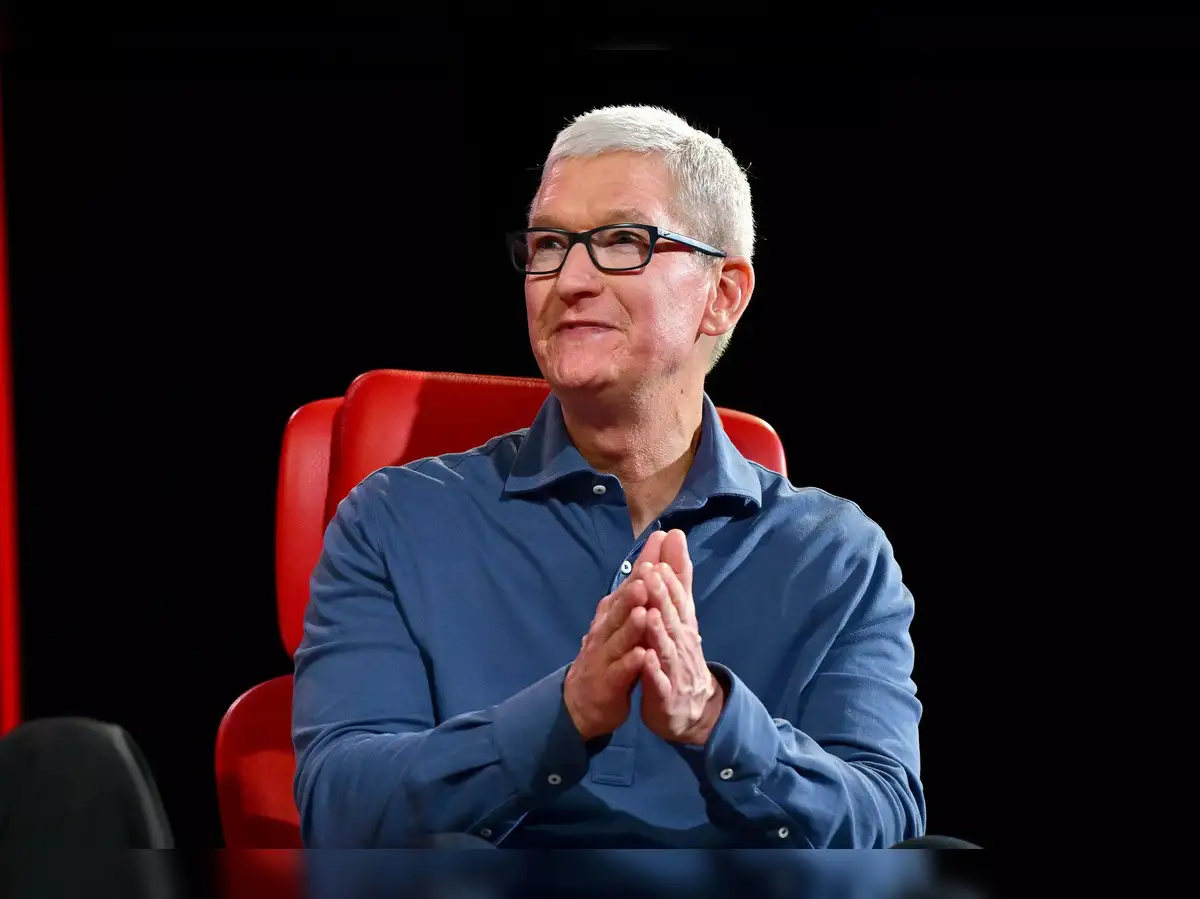
- Tim Cook says Apple can no longer absorb memory chip cost increases driven by AI infrastructure demand
- TechInsights estimates iPhone 18 Pro may need a $270 price bump to maintain margins
- Memory chip prices have risen at least 50% quarterly since late 2025 as AI data centers consume supply
Apple CEO Tim Cook told the Wall Street Journal that AI-driven demand for memory chips will force the company to raise product prices. "Unfortunately, price increases are unavoidable," Cook said, adding that Apple has tried to shield customers but the effort has become "unsustainable."
Cook, who spent decades in supply chain management at IBM and Compaq before joining Apple, described the current component market as a "hundred-year flood." He said he has never seen anything like it in his 40-year career. The interview did not specify which devices would see increases, how much they would rise, or when the changes would take effect.
Why are memory chip prices spiking?
The buildout of AI data centers has sent demand for High Bandwidth Memory and standard storage chips through the roof. Microsoft, Meta, Google, and Amazon are collectively spending an estimated $700 billion on AI infrastructure this year. These companies are locking in long-term, high-premium contracts with chip suppliers, leaving consumer electronics manufacturers to compete for what remains.
Memory chip prices have jumped at least 50% every quarter since late 2025, according to the Wall Street Journal. That's not a typo. Every three months, the baseline cost of RAM and NAND rises by half. For a company like Apple, which ships hundreds of millions of devices annually, each dollar of component cost increase translates to billions in margin pressure.
How much could the iPhone 18 cost?
Research firm TechInsights estimates Apple would need to raise the price of its iPhone Pro model by $270 just to hold its current margins. That would push the starting price of an iPhone 18 Pro well above $1,200. Apple's next major product launch is expected in September with the iPhone 18 lineup, so the timing of Cook's comments is not accidental.
"There's less supply at a time when consumers want devices and the memory guys are passing along huge price increases," Cook explained. The phrasing is notable. Cook is placing responsibility squarely on memory suppliers, not on Apple's own strategic choices.
The $100 billion question
Critics are quick to point out that Apple authorized a $100 billion share buyback program recently. If price increases are truly unavoidable, why not redirect some of that capital toward absorbing component costs? Reddit threads on r/Apple and r/Technology have lit up with users calling the "unavoidable" framing ironic given the company's financial position.
The answer, from Apple's perspective, is that buybacks and product pricing serve different purposes. Buybacks return value to shareholders. Product pricing maintains margin discipline. Apple could theoretically absorb the hit, but doing so would set a precedent that Wall Street would not forget. Once you eat costs "temporarily," investors expect you to keep eating them.
“Unfortunately, price increases are unavoidable. We've been trying to shield customers from the increases, but the situation has become unsustainable.”
— Tim Cook, CEO at Apple
What happens to Android and other devices?
Apple is not alone in facing this squeeze. Samsung, Google, and every other consumer electronics company sources from the same memory chip ecosystem. If Apple raises prices, competitors face the same pressure. The difference is that Apple has historically commanded pricing power that others lack. A $270 increase on an iPhone Pro is painful but survivable for Apple's customer base. The same increase on a mid-range Android device might kill the product entirely.
HackerNews discussions have focused on a related technical point: the shift toward HBM production for AI servers has cannibalized existing capacity for mobile-grade memory. Chip fabs are finite resources. When they pivot to serving hyperscalers, smartphone makers feel the pinch.
Android users looking to optimize their devices amid potential price increases
Cook's exit timing adds context
The Wall Street Journal interview describes Cook as "outgoing," suggesting Apple's leadership transition is now a matter of public discussion. Cook's willingness to deliver bad news about pricing may be partly about clearing the deck for his successor. It's easier to announce unpopular changes when you won't be the one defending them for the next five years.
Apple has navigated component shortages before. The 2020-2022 semiconductor crunch affected iPhone production schedules but didn't fundamentally alter pricing. This time feels different because the demand driver, AI infrastructure, shows no signs of slowing. If anything, it's accelerating.
Logicity's Take
Cook's framing deserves scrutiny. Yes, memory costs are rising. But Apple's gross margins remain among the highest in consumer electronics. The company has options beyond passing costs to consumers. The real story here is that Apple has decided margin protection matters more than price stability, and is using the AI supply crunch as political cover. That's a legitimate business choice, but let's not pretend it was the only choice.
Frequently Asked Questions
When will Apple raise iPhone prices?
Tim Cook did not specify timing, but Apple's next major launch is the iPhone 18 lineup expected in September 2025. That's the most likely window for price adjustments.
How much could iPhone 18 Pro cost?
TechInsights estimates Apple would need to raise the Pro model price by $270 to maintain current margins. That would push the starting price well above $1,200.
Why are memory chips so expensive right now?
AI data center buildouts by Microsoft, Meta, Google, and Amazon have driven unprecedented demand. Memory chip prices have risen at least 50% quarterly since late 2025.
Will Android phones also get more expensive?
Yes. Samsung, Google, and all consumer electronics makers source from the same memory chip suppliers facing the same supply constraints and price increases.
Is Tim Cook leaving Apple?
The Wall Street Journal describes Cook as "outgoing," suggesting Apple's leadership transition is being publicly discussed, though specific timing has not been announced.
Need Help Implementing This?
If your business is navigating hardware cost volatility or rethinking product pricing strategy in light of AI-driven supply chain shifts, Logicity can connect you with analysts and strategists who specialize in tech sector economics. Reach out to our team for guidance.
Source: Tech-Economic Times / ET
Manaal Khan
Tech & Innovation Writer
Produced with AI assistance and reviewed by the Logicity editorial team. Learn more in our Editorial Policy.




