Key Takeaways
- Hackers accessed over 3 million driver's licenses and passport numbers through a Texas Parks & Wildlife vendor
- The breach also exposed email addresses, phone numbers, and home addresses of hunting and fishing license holders
- Texas officials have not disclosed when the breach occurred, how it happened, or the vendor's identity
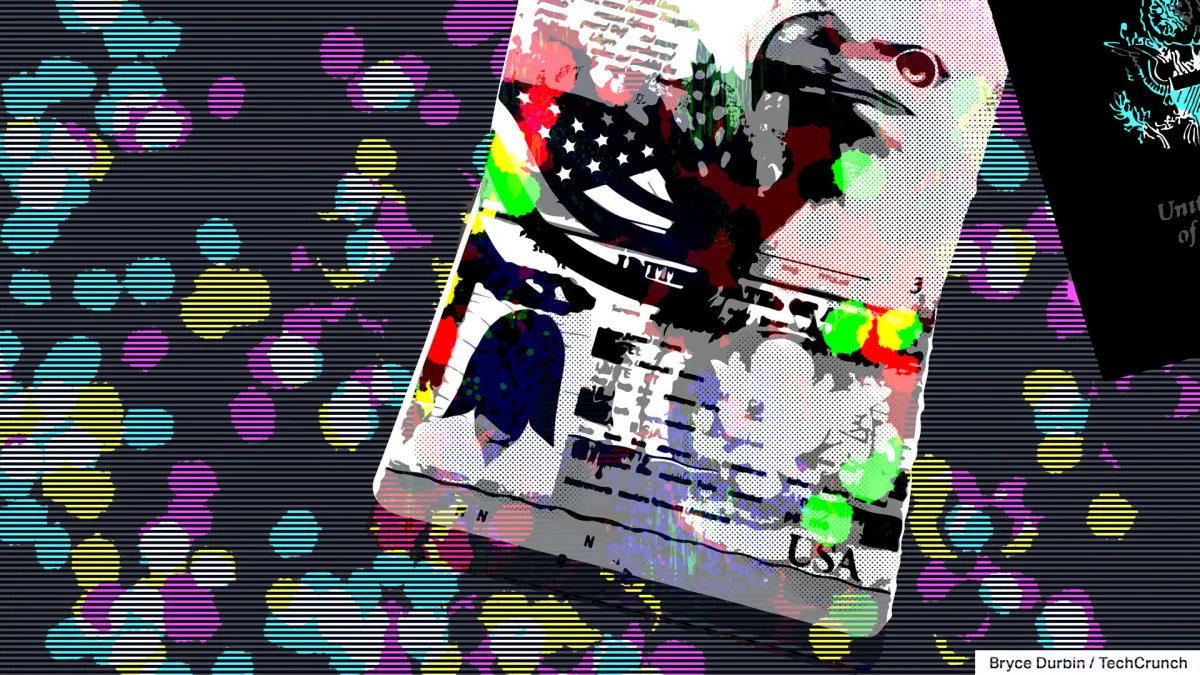
A Texas data breach compromised the personal information of more than 3 million people, including driver's license numbers and passport data, the state's attorney general confirmed. The attack targeted a vendor handling hunting and fishing license sales for the Texas Parks & Wildlife Department.
This ranks among the largest data breaches to hit the state in 2026. Beyond identity documents, the stolen records include email addresses, phone numbers, and residential addresses of affected license holders.
What was stolen in the Texas data breach?
The breach exposed a trove of sensitive information. Driver's license numbers and passport numbers are the most damaging, as they're primary identity verification documents. Criminals can use these for fraud, synthetic identity creation, or selling on dark web markets.
The additional data, including home addresses and contact information, makes victims more vulnerable to phishing attacks and physical crime. Someone buying a hunting or fishing license likely didn't expect their passport number to end up in a hacker's database.
How did hackers access the Texas Parks & Wildlife system?
The department hasn't said. The breach notice posted on the Texas Parks & Wildlife website confirms only that the state's cybersecurity unit detected a security incident. No timeline. No technical details. No explanation of how hackers compromised the vendor's systems.
Texas Parks & Wildlife also declined to name the third-party vendor responsible for the license sales system. TechCrunch reports that the department did not respond to requests for comment about whether hackers have made contact or demanded ransom.
This opacity matters. Affected Texans have limited ability to assess their risk without knowing when the breach occurred. If hackers had access for months before detection, the window for misuse expands dramatically.
Why a wildlife department stored passport numbers
The breach raises a basic question: why does a hunting and fishing license system need passport numbers at all? Texas requires identification to purchase certain licenses, and passport numbers apparently became part of that verification process at some point.
Data minimization, a core principle in security, argues that organizations should collect only what they need. Storing passport numbers for fishing licenses creates risk without clear benefit. Once a vendor holds that data, they become a target.
Texas breach fits a pattern of government vendor attacks
Government agencies increasingly rely on third-party vendors for software and data management. That supply chain is becoming a favorite attack vector. Hackers know state agencies often have stronger defenses than the contractors handling their sensitive operations.
Just this week, cybercriminals reportedly compromised tens of thousands of Fortinet firewalls used by major companies worldwide. The Texas breach underscores that state governments face the same vendor risk as private enterprises, often with fewer resources to audit and monitor contractors.
What affected Texans should do now
If you've purchased a hunting or fishing license in Texas, assume your information may be compromised. The department's notice doesn't specify affected time periods, so anyone who's used the system could be at risk.
- Place a fraud alert or credit freeze with all three credit bureaus
- Monitor bank statements and credit reports for unauthorized activity
- Be alert to phishing emails or calls referencing your license purchase
- Consider identity theft protection services, which may be offered by the state
Texas has not yet announced whether it will provide free credit monitoring to victims, which has become standard practice after breaches of this scale.
Frequently Asked Questions
How many people were affected by the Texas Parks & Wildlife data breach?
Over 3 million people had their personal information exposed, including driver's license numbers and passport data.
When did the Texas data breach occur?
The state has not disclosed when the breach happened, only that its cybersecurity unit recently detected it.
What data was stolen in the Texas breach?
Driver's license numbers, passport numbers, email addresses, phone numbers, and residential addresses of hunting and fishing license holders.
Which vendor was responsible for the Texas Parks & Wildlife data breach?
Texas Parks & Wildlife has not named the third-party vendor whose system was compromised.
Should I check if I'm affected by the Texas data breach?
If you've ever purchased a hunting or fishing license in Texas, monitor your credit and be alert for phishing attempts.
Logicity's Take
The real story here isn't the breach itself. It's the data collection. A fishing license application doesn't need a passport number. Texas created this risk by over-collecting identity documents for a low-stakes transaction, then outsourcing that trove to a vendor with apparently inadequate security. Until states adopt strict data minimization policies and real vendor oversight, these breaches will keep happening.
Another case where digital crime intersects with law enforcement response
Need Help Implementing This?
If your organization relies on third-party vendors for sensitive data handling, a security audit could prevent you from becoming the next headline. Contact Logicity's consulting partners to assess your vendor risk exposure.
Source: TechCrunch / Zack Whittaker
Manaal Khan
Tech & Innovation Writer
Produced with AI assistance and reviewed by the Logicity editorial team. Learn more in our Editorial Policy.




