Key Takeaways
TESLA Q2: The Selloff Is Missing The Robotaxi Shift
- Tesla launched robotaxi pilots in Orlando and Tampa on July 21, one day before its Q2 earnings call
- Florida now has three cities with Tesla robotaxi operations, though all have small operational areas
- A proposed DOT rule change could let Tesla deploy its two-seater Cybercabs by removing brake pedal requirements
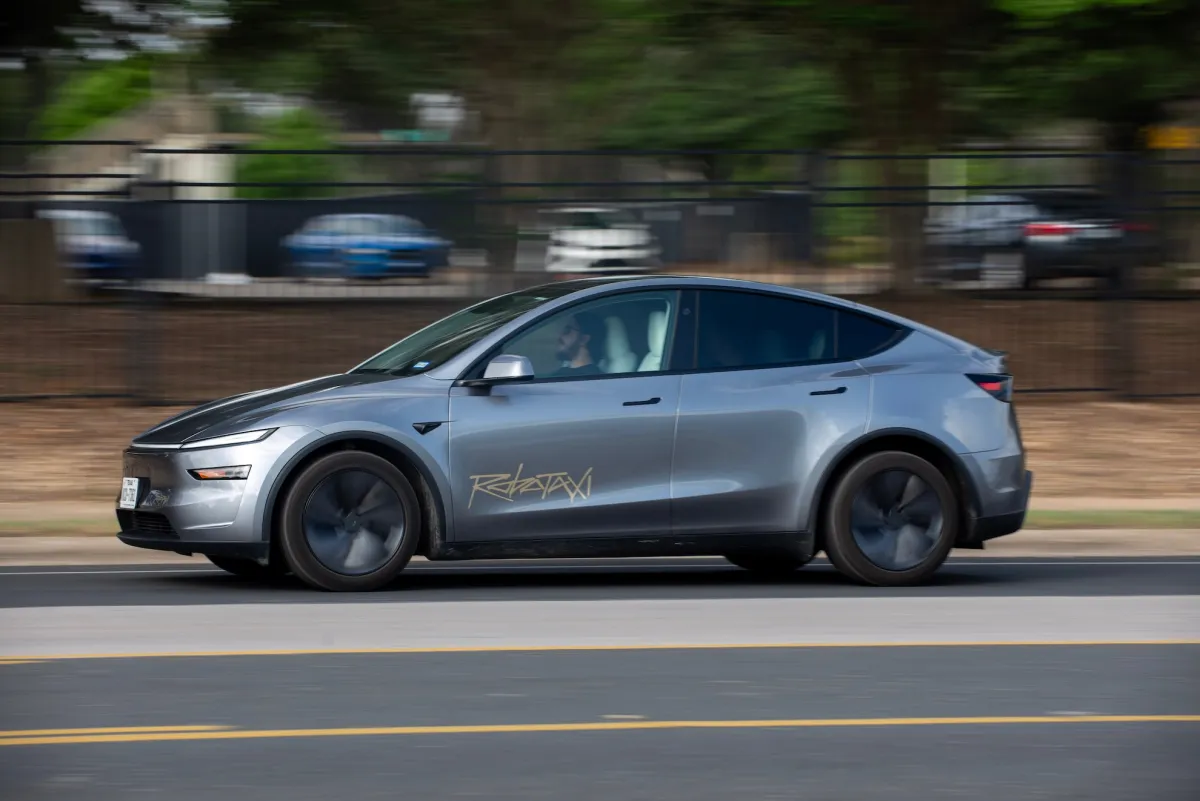
Tesla has launched robotaxi pilots in Orlando and Tampa, expanding its unsupervised autonomous vehicle testing to three Florida cities. The timing is deliberate: these launches came July 21, exactly one day before the company's scheduled Q2 2026 earnings call.
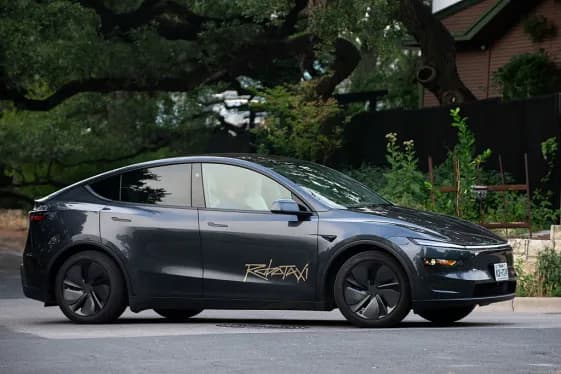
The company deployed an unspecified number of Model Y SUVs in both cities. Both Orlando and Tampa appear to have small operational areas, according to observers tracking the rollout. Tesla provided no additional details about fleet size, service hours, or coverage zones. The company disbanded its press office years ago and rarely comments on operational specifics.
Why Tesla keeps launching before earnings
This pattern is familiar. Tesla announced autonomous fleets in Dallas and Houston before its Q1 earnings release earlier this year. Those Texas operations have yet to scale significantly, according to TechCrunch. The pre-earnings announcements generate headlines without requiring Tesla to report meaningful operational metrics.
Miami received its small robotaxi launch a few weeks ago, making Florida the company's most active state for autonomous testing outside Texas. The choice of Florida likely reflects favorable regulatory conditions and year-round weather that minimizes the sensor challenges winter presents in northern states.
More details on Tesla's Florida robotaxi expansion timeline
How does Tesla's pace compare to Musk's promises?
The gap between Tesla's actual rollout and CEO Elon Musk's projections remains stark. Musk repeatedly told investors that Tesla's robotaxis would serve half the U.S. population by the end of 2025. That deadline passed without anything close to that scale.
Musk offered more measured comments on Tesla's Q1 2026 call. The company now appears focused on incremental geographic expansion rather than the explosive growth Musk once projected. Small pilot zones in a handful of cities is a far cry from national coverage.
DOT rule change could accelerate Cybercab deployment
A proposed Department of Transportation rule change could shift Tesla's timeline significantly. Last month, the DOT proposed eliminating the requirement that autonomous vehicles include brake pedals. Current regulations mandate traditional controls even in vehicles designed for full autonomy.
If adopted, this rule change would clear the path for Tesla to deploy its purpose-built Cybercab. The company has been staging dozens of these two-seater vehicles in cities across the country, waiting for regulatory clearance. The Cybercab lacks traditional pedals and steering, so it cannot legally operate under current rules.
The competitive landscape
Tesla's cautious rollout contrasts with Waymo's established commercial operations. Waymo has been running paid robotaxi services in Phoenix and San Francisco for years. Recent reports suggest Waymo is reconsidering its partnership with Uber, indicating the market dynamics remain fluid.
| Company | Active Robotaxi Cities | Fleet Type | Commercial Status |
|---|---|---|---|
| Tesla | Miami, Orlando, Tampa, Dallas, Houston | Modified Model Y | Pilot testing |
| Waymo | Phoenix, San Francisco, Los Angeles | Purpose-built Jaguar I-Pace | Paid commercial service |
| Cruise | Operations paused | Origin, Bolt | Suspended since 2023 incident |
The auto industry faces broader pressures beyond autonomy. Rivian, for example, recently sued the U.S. government seeking a full refund of Trump administration tariffs. These trade tensions affect supply chains across the EV sector.
Corporate data security remains a concern for fleet operators
Logicity's Take
Tesla's pre-earnings robotaxi announcements serve investor relations more than operational reality. The pattern of launching small pilots before earnings calls, then failing to scale them (as seen in Dallas and Houston), suggests these are narrative tools rather than business milestones. For fleet operators and mobility startups watching this space, the DOT brake pedal rule is the real story. If that passes, Tesla could leapfrog its Model Y pilots and deploy Cybercabs at scale. But Waymo's multi-year head start in commercial operations gives it data and operational experience Tesla cannot replicate through regulatory shortcuts alone.
Frequently Asked Questions
Where is Tesla's robotaxi service available?
Tesla operates small robotaxi pilots in five U.S. cities: Miami, Orlando, and Tampa in Florida, plus Dallas and Houston in Texas. All have limited operational areas and have not scaled to full commercial service.
When did Tesla launch robotaxis in Orlando and Tampa?
Tesla launched its Orlando and Tampa robotaxi pilots on July 21, 2026, one day before its Q2 earnings call.
What vehicles does Tesla use for its robotaxi service?
Tesla currently uses modified Model Y SUVs running unsupervised full self-driving software. The company also has purpose-built Cybercab vehicles staged in various cities, awaiting regulatory approval.
What is the DOT brake pedal rule change?
The Department of Transportation proposed eliminating requirements that cars include brake pedals if designed for autonomous operation. This would allow Tesla to deploy its Cybercab, which lacks traditional controls.
How does Tesla's robotaxi timeline compare to Musk's predictions?
Elon Musk predicted Tesla robotaxis would serve half the U.S. population by the end of 2025. As of July 2026, Tesla operates only small pilots in five cities with limited coverage areas.
Need Help Implementing This?
If you're building mobility or fleet management software and want to understand how autonomous vehicle rollouts affect your market, Logicity's consulting team can help you map competitive positioning and technical integration points. Contact us for a strategy session.
Source: TechCrunch / Sean O'Kane
Manaal Khan
Tech & Innovation Writer
Produced with AI assistance and reviewed by the Logicity editorial team. Learn more in our Editorial Policy.