Key Takeaways
- Paytm will package and sell AI tools originally built for internal operations to merchants and enterprises
- The company has applied to RBI for a PPI licence to revive its wallet business after the 2024 payments bank clampdown
- Q1 FY27 net profit jumped 78.8% YoY to ₹220 Cr, with revenue up 27.6% to ₹2,448 Cr
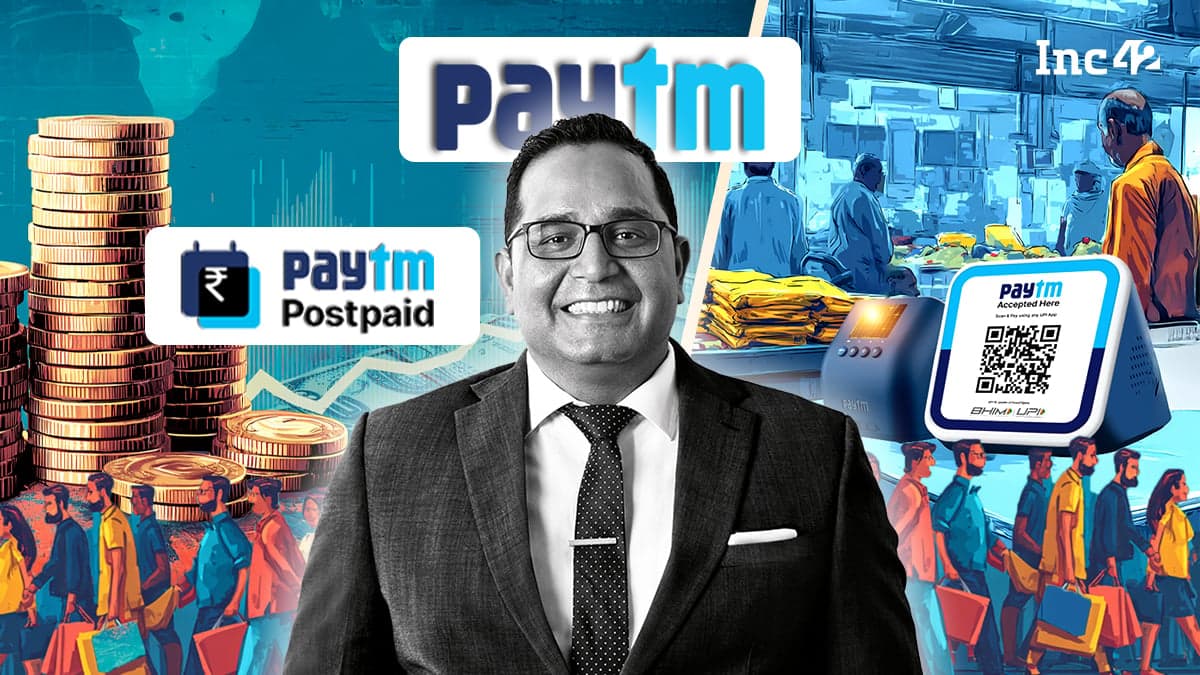
Paytm is shifting from using AI to cut costs toward selling AI as a product. During its Q1 FY27 earnings call, CEO Vijay Shekhar Sharma announced plans to commercialise the AI tools the company built for internal use, offering them to merchants and enterprises. The fintech major also confirmed it has applied to the Reserve Bank of India for a prepaid payment instrument licence, a step toward reviving its wallet business.
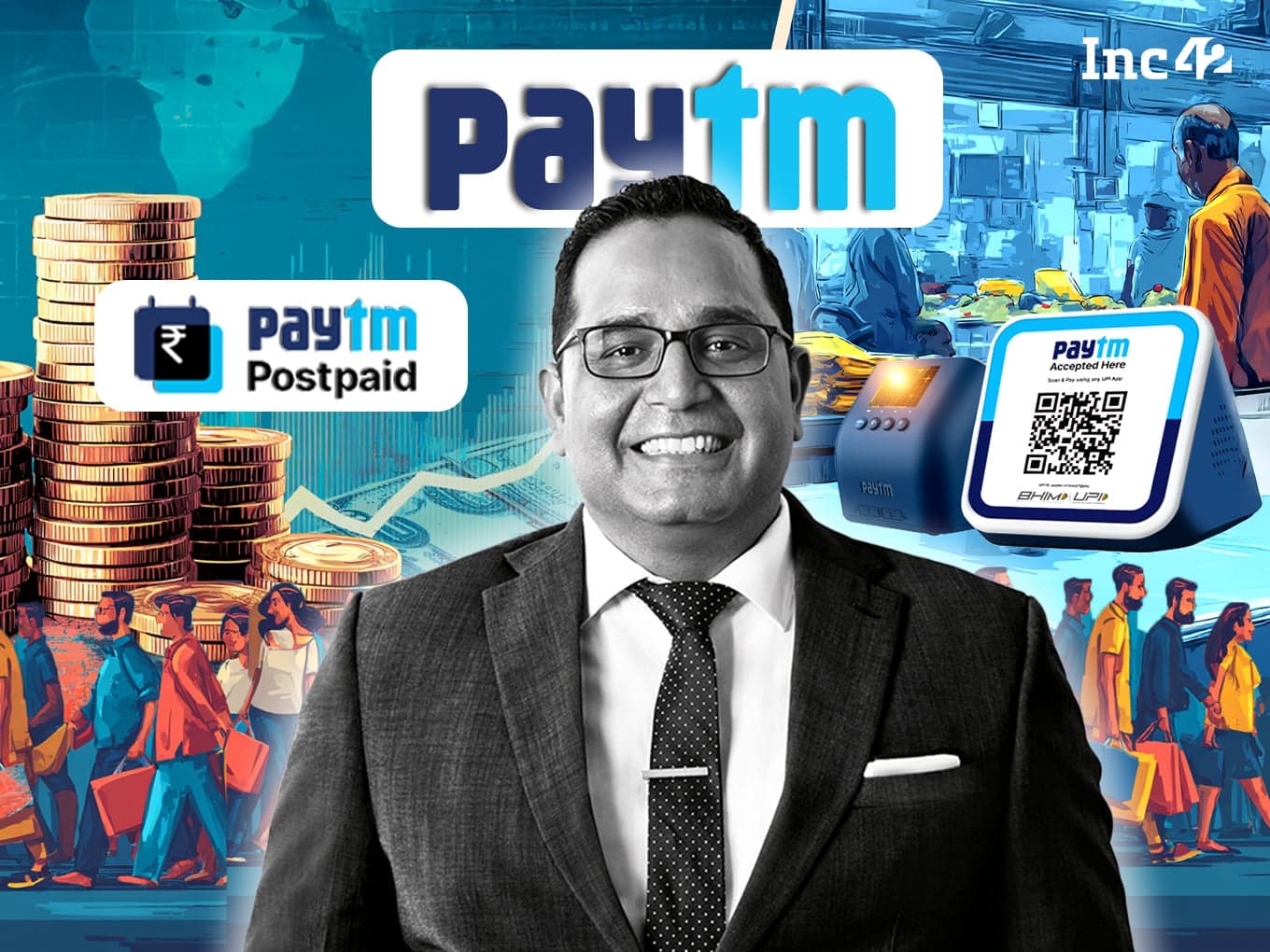
The announcements came alongside strong quarterly numbers. Paytm reported a 78.8% year-on-year increase in net profit to ₹220 Cr in Q1 FY27, while revenue grew 27.6% to ₹2,448 Cr. Management attributed the performance to accelerating merchant payments, stronger consumer payments, and operating leverage unlocked by AI deployment.
What AI products is Paytm planning to sell?
Sharma framed the strategy bluntly: "Once we've done it, we'll sell it to outside people. Why will we not sell it?" The company plans to offer AI solutions across merchant acquisition, customer engagement, collections, customer support, and business automation. Paytm itself remains the first customer for these products before external rollout.
The revenue is modest so far. Sharma said some AI offerings are already generating "a few Lakhs" in revenue. But the ambition is larger. He indicated that AI, combined with high-margin financial services and software products, could push Paytm's EBITDA margins beyond its current long-term guidance of 15% to 20%.
Different merchant segments will receive different products. Smaller merchants and larger enterprises will get AI offerings tailored to their requirements. The company also said AI helps optimise infrastructure by running compressed language models on its own computing stack, reducing dependence on expensive external inference services.
CFO Madhur Deora linked AI directly to long-term profitability, saying the technology enables Paytm to "do more with less." This positions AI not just as a product line but as a margin driver across existing operations.
Where does the wallet revival stand?
Paytm Payments Services Ltd has applied to the RBI for a PPI licence, which would allow it to relaunch wallet services. The RBI's 2024 clampdown on Paytm Payments Bank forced the company to suspend wallet operations, and this application marks its path back.
Management did not provide a timeline or confirm progress on the regulatory process. But they signalled the wallet remains central to consumer strategy. Deora suggested that combining the wallet with Paytm Postpaid, the company's credit-on-UPI product, could strengthen its consumer payments ecosystem.
The wallet itself is unlikely to generate significant revenue directly. Its value lies in user retention and data. A wallet keeps users inside the Paytm ecosystem, enabling cross-sell into lending, wealth management, and other high-margin products.
How financial institutions build consumer trust through education rather than aggressive product pushes
How Paytm's revenue mix is changing
Two years ago, Paytm's revenue depended heavily on transaction fees and lending commissions. The current strategy diversifies into enterprise software, wealth management, and consumer financial products. The Q1 results reflect this shift: management cited merchant loan distribution, equity broking, and wealth products as growth drivers alongside payments.
| Revenue Driver | Q1 FY27 Trend | Margin Profile |
|---|---|---|
| Merchant Payments | Accelerating | Low margin |
| Consumer Payments | Stronger | Low margin |
| Merchant Loan Distribution | Compounding | High margin |
| Wealth Management | Improving monetisation | High margin |
| Enterprise AI (new) | Early revenue (Lakhs) | High margin potential |
The enterprise AI play follows a pattern common among tech companies with large internal tooling investments. Build it for yourself, prove it works, then sell it externally. Amazon did this with AWS. Paytm is attempting a smaller version with merchant-focused AI tools.
What are the risks in this strategy?
Selling AI tools to merchants puts Paytm in competition with established enterprise software players. Companies like Salesforce and Zoho CRM already offer AI-powered merchant and business automation tools. Freshsales targets small and mid-sized businesses with similar capabilities.
Disclosure
Some links in this post are affiliate links — Logicity earns a commission if you sign up, at no extra cost to you. We only link products we have used or actively recommend.
Paytm's advantage is its existing merchant relationships. It already has distribution. The question is whether AI tools built for Paytm's specific operations translate to broader merchant needs. Internal tools often lack the flexibility and support infrastructure required for external customers.
The wallet revival depends entirely on RBI approval. Regulatory timelines are unpredictable. If the licence is delayed or denied, Paytm's consumer strategy loses a key component. Postpaid alone may not retain users who have alternatives like PhonePe and Google Pay.
Logicity's Take
Paytm's enterprise AI play is sensible but unproven. The company has distribution among millions of merchants, a genuine advantage over pure software vendors. But "a few Lakhs" in revenue is trivial against ₹2,448 Cr quarterly revenue. Success depends on whether merchant-focused AI tools can scale beyond Paytm's own operations. For fintech teams watching this, the wallet revival matters more near-term. If RBI grants the PPI licence, Paytm regains a retention tool that competitors lack. If not, the company remains vulnerable in consumer payments while betting heavily on high-margin but still nascent enterprise software.
Frequently Asked Questions
What AI products is Paytm planning to sell externally?
Paytm plans to commercialise AI tools for merchant acquisition, customer engagement, collections, customer support, and business automation. These were originally built for internal use.
Has Paytm received RBI approval for its wallet revival?
No. Paytm Payments Services Ltd has applied for a PPI licence but the company did not provide an update on the regulatory process during the Q1 FY27 earnings call.
How much revenue is Paytm generating from AI products?
CEO Vijay Shekhar Sharma said some AI offerings are generating "a few Lakhs" in revenue, indicating early-stage commercialisation.
What was Paytm's Q1 FY27 financial performance?
Paytm reported net profit of ₹220 Cr (up 78.8% YoY) and revenue of ₹2,448 Cr (up 27.6% YoY) in Q1 FY27.
What EBITDA margins is Paytm targeting?
Current long-term guidance is 15% to 20% EBITDA margins. Sharma indicated AI and high-margin products could eventually push margins beyond this range.
Need Help Implementing This?
If you're building enterprise AI tools or fintech automation, reach out to the Logicity team for coverage or partnerships. Contact us at hello@logicity.in.
Source: Inc42 Media / Lokesh Choudhary
Huma Shazia
Senior AI & Tech Writer
Produced with AI assistance and reviewed by the Logicity editorial team. Learn more in our Editorial Policy.