Key Takeaways
- The Builders Stage features sessions on competing against OpenAI, winning pre-seed rounds without a product, and M&A as an early-stage strategy
- Speakers include Google's VP of Product Robby Stein, Gusto CEO Josh Reeves, and investors from General Catalyst, M13, and True Ventures
- The event runs October 13-15 at San Francisco's Moscone Center with 10,000+ expected attendees
TechCrunch has published the full agenda for its Builders Stage at Disrupt 2026, and the sessions read like a founder anxiety checklist: What happens when OpenAI ships your roadmap? How do you raise pre-seed without a product? When should AI replace a team member? The conference runs October 13-15 at San Francisco's Moscone Center, with early registration discounts of up to $330 available.
The speaker roster mixes operators and investors who have faced these exact problems. Grant Lee, CEO of Gamma, represents the AI-native tools wave. Leah Solivan, who sold TaskRabbit to IKEA, now runs Precedent.vc. Robby Stein oversees product decisions at Google that affect billions of users. These are people who have scaled, exited, or both.
What sessions are on the Builders Stage agenda?
Six sessions have been announced, with more to come. The lineup reflects where founder attention sits in 2026: AI competition, capital efficiency, and the blurring line between human and AI team members.
"How to Win When You're Not Building AI" pairs Baillie Gifford's Shan Shan with General Catalyst's Yuri Sagalov. The premise is direct: most enduring companies won't be selling AI models or agents. The session covers efficient growth, retention, and revenue quality for founders competing in an AI-obsessed market.
"What Happens When OpenAI Ships Your Roadmap" tackles the existential fear keeping AI founders awake. Michel Tricot (Airbyte CEO), Rob Toews (Radical Ventures), and Linda Tong (Webflow CEO) discuss where defensibility exists when your product might become a feature inside ChatGPT next quarter.

"Winning Pre-Seed Without a Product" addresses founders competing for capital before having anything to demo. Puneet Agarwal (True Ventures), Austin Clements (Slauson and Co), and Sandhya Venkatachalam (Axiom Partners) break down how to build credibility on story and founder-market fit alone.
Robby Stein's fireside, "From MVP to Billions of Users," examines how product instincts that work at the MVP stage can break you at scale. He'll share how Google balances speed with trust when every update affects billions.
How are startups rethinking teams with AI?
"Hiring When AI Is a Co-Founder" features Gusto CEO Josh Reeves discussing how AI agents are taking on engineering, support, and operations work. The session explores what humans should own versus what gets delegated, and how to maintain culture when your headcount includes non-humans.
For founders already using AI copilots for development or automation tools like Zapier or Make for operations, the question is shifting from "should we use AI?" to "what should humans still do?" The session promises to address accountability and speed in hybrid teams.
Disclosure
Some links in this post are affiliate links — Logicity earns a commission if you sign up, at no extra cost to you. We only link products we have used or actively recommend.
Why is M&A now an early-stage conversation?
The final announced session, "M&A Is Now an Early-Stage Strategy," brings together M13's Karl Alomar, Coinbase's head of corporate development Aklil Ibssa, and attorney Lindsey Mignano. The argument: smart founders today build with acquisition in mind from day one, not just IPOs.
As exits shift and capital tightens, understanding M&A early has become competitive advantage. The session promises specifics on how to structure for optionality when you don't know whether you're building toward an IPO, an acqui-hire, or a strategic sale.
Who should attend the Builders Stage?
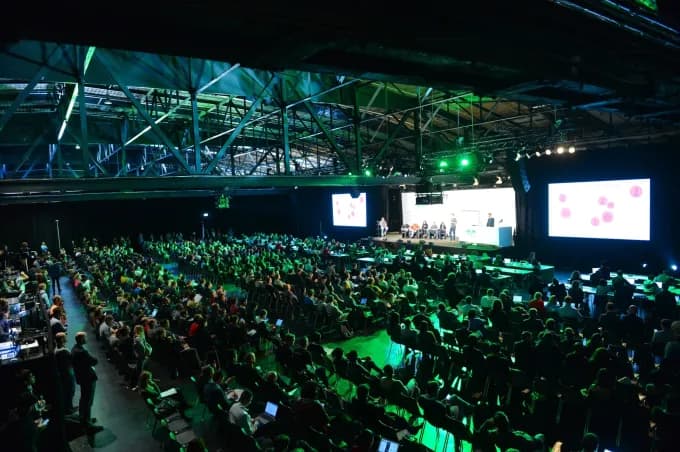
TechCrunch positions this track for "founders who are ready to scale." The sessions assume you've moved past idea validation and into execution challenges: hiring, go-to-market, fundraising mechanics, and operational decisions that compound.
The Builders Stage is one of six industry-focused stages at Disrupt 2026. Previous years have launched companies like Dropbox, Mint, and Yammer through the Startup Battlefield competition. The Builders track focuses on operational substance rather than pitching.
Sessions include live Q&A, giving attendees direct access to speakers. More sessions and speakers will be announced as October approaches.
Logicity's Take
The session lineup reveals what's actually keeping founders up at night in 2026: platform risk from AI giants, the pre-seed credibility problem, and the strange new org chart where some team members are agents, not people. The M&A session is particularly telling. Five years ago, building for acquisition was considered defeatist. Now it's strategic planning. If you're weighing Disrupt against other conferences, the Builders Stage lineup suggests this is for operators past the pitch deck phase who need tactical execution help, not inspiration.
Frequently Asked Questions
When and where is TechCrunch Disrupt 2026?
TechCrunch Disrupt 2026 runs October 13-15 at Moscone Center in San Francisco. Early registration discounts of up to $330 are available before prices increase.
Who are the confirmed Builders Stage speakers?
Confirmed speakers include Robby Stein (Google VP of Product), Josh Reeves (Gusto CEO), Grant Lee (Gamma CEO), Leah Solivan (Precedent.vc), and investors from General Catalyst, M13, True Ventures, Radical Ventures, and Baillie Gifford.
How many people attend TechCrunch Disrupt?
TechCrunch expects more than 10,000 founders, investors, startup operators, and technology leaders to attend Disrupt 2026.
What topics will the Builders Stage cover?
Sessions cover competing against AI giants, raising pre-seed without a product, scaling product decisions, hiring with AI as a co-founder, and M&A as an early-stage strategy.
Is TechCrunch Disrupt worth attending for early-stage founders?
The Builders Stage is specifically designed for founders past the idea stage who face scaling challenges around fundraising, hiring, and go-to-market execution. Sessions include live Q&A with speakers.
Need Help Implementing This?
If you're preparing for fundraising, refining your go-to-market strategy, or figuring out how to structure your team with AI tools, reach out to Logicity's network of operators and advisors who've been through it.
Source: Startups | TechCrunch / TechCrunch Events
Huma Shazia
Senior AI & Tech Writer
Produced with AI assistance and reviewed by the Logicity editorial team. Learn more in our Editorial Policy.