Key Takeaways
- SpaceX raised $85.7 billion in history's largest IPO, surpassing Saudi Aramco
- Shares opened at $150 and closed at $160.95, a 19% first-day gain
- Elon Musk became the world's first trillionaire with an estimated net worth of $1.4 trillion
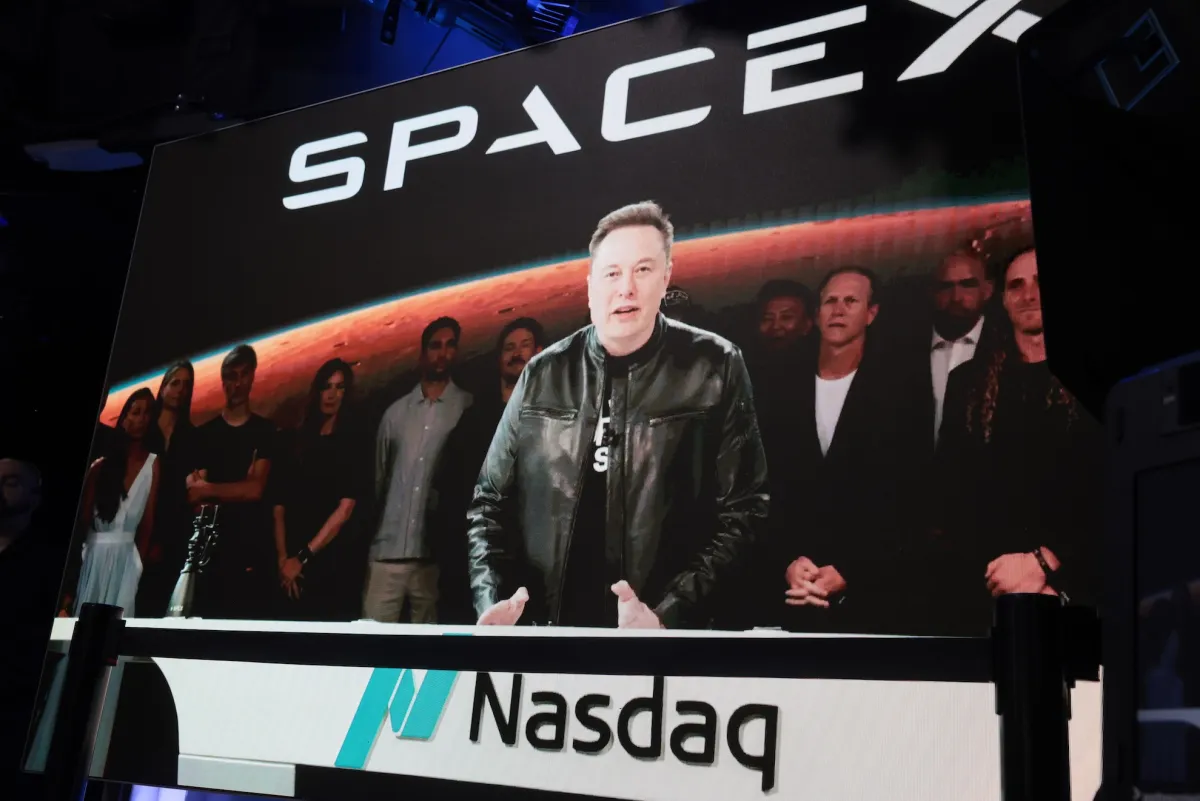
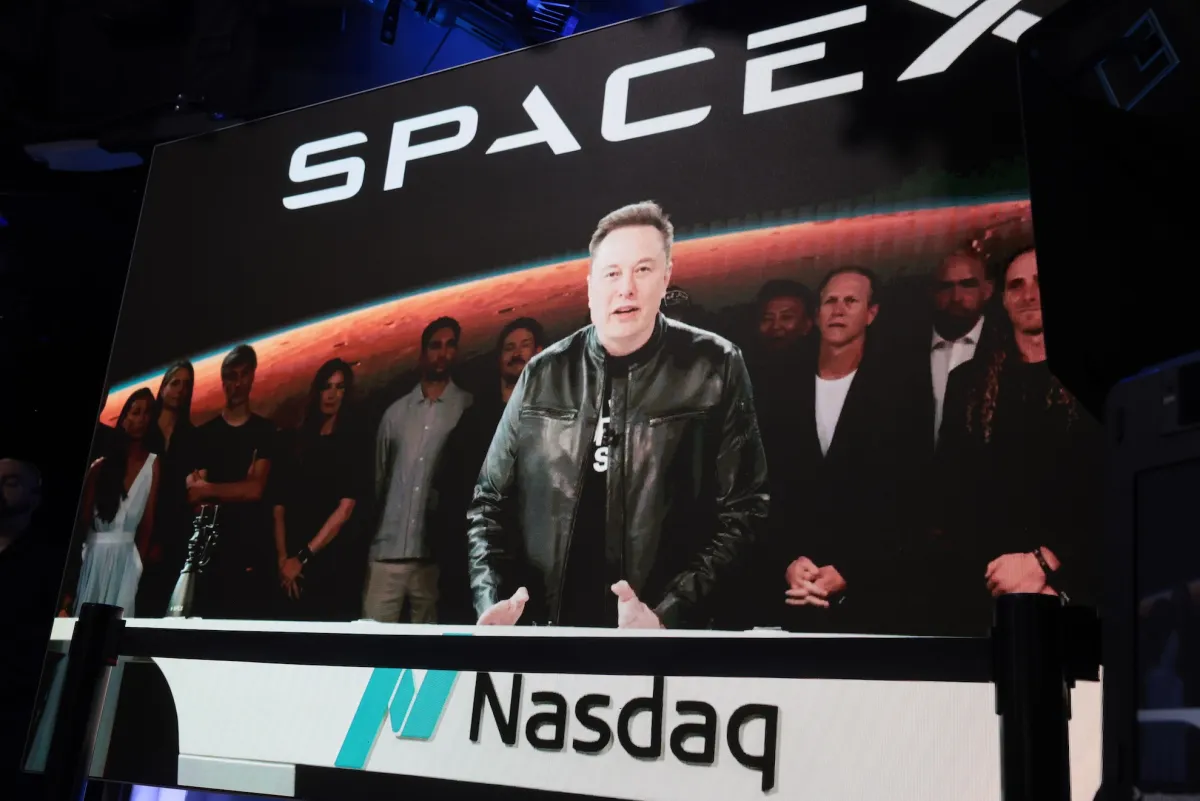
SpaceX is now a public company. On June 12, the aerospace giant debuted on Nasdaq at $150 per share, raised $85.7 billion in the largest IPO in history, and made Elon Musk the world's first trillionaire. The stock closed its first day at $160.95, a 19% jump, and has continued climbing since.
The company priced 555.6 million shares at $135 each, initially targeting $75 billion. Strong demand triggered the green shoe provision, which allows underwriters to sell up to 15% more shares than planned. That pushed the final raise to $85.7 billion, eclipsing Saudi Aramco's 2019 record.
How did the SpaceX IPO perform on day one?
The numbers tell the story. SpaceX opened at $150, an 11% pop from the $135 offering price. By midday, shares had soared 30%. The close at $160.95 represented a 19% gain. Trading volume was so heavy that Robinhood reported record-breaking traffic on its platform in the hours after the debut.
By June 15, the stock had climbed another 20%, pushing SpaceX's valuation past $2.7 trillion. That made it the fifth-most valuable company in the world, passing Amazon. In early trading on June 16, shares rose another 8%.
What's driving the sky-high valuation?
SpaceX is no longer just a rocket company. Starlink, its satellite internet network, now generates 69% of total revenue. In 2025, the company posted $18 billion in revenue. It also lost $4.9 billion that year, part of more than $37 billion in cumulative losses since the 2002 founding. Investors are betting on the future, not the present balance sheet.
That framing explains the premium. SpaceX controls reusable rocket technology no competitor has matched at scale. Starlink provides broadband to remote areas, maritime vessels, and airlines. Government contracts for national security launches add a steady revenue floor. The sum of these parts, in the market's view, justifies a valuation that exceeds most countries' GDP.
Who wins from the SpaceX IPO?
Elon Musk, obviously. His estimated net worth hit $1.4 trillion as of June 16, cementing him as the first trillionaire in history. Musk holds about 85.1% of SpaceX's voting power, giving him near-total control over corporate decisions even as a public company.
SpaceX employees are the other big winners. The New York Times reported that roughly 4,400 employees could become millionaires from their stock holdings. Musk acknowledged this on X, writing, "I love the incredible people of SpaceX beyond words."
Wall Street banks did well too. Goldman Sachs and Morgan Stanley led the underwriting syndicate, and the group collected about $500 million in total fees, according to the Wall Street Journal.
Retail investors got an unusual slice. Thirty percent of IPO shares were allocated to individual investors, a far higher proportion than typical tech offerings. Whether that's a win depends on how the stock performs over the coming months.
What happens next for SpaceX?
The company wasted no time. Days after the IPO, SpaceX announced a $60 billion all-stock acquisition of Cursor, the AI coding startup. That deal signals an intent to use the newly liquid stock as acquisition currency.
“We are just getting started. The goal has never been just to go to space, but to make life multi-planetary, and today provides the capital to accelerate that mission by orders of magnitude.”
— Elon Musk, Founder and CEO of SpaceX
COO Gwynne Shotwell added fuel to speculation in a CNBC interview on June 12. She suggested a "merger between SpaceX and Tesla might make Elon's life a little easier." Tesla shareholders may have opinions about that. No formal proposal exists, but Shotwell's comment landed in a market already frothy with SpaceX enthusiasm.
What are the risks?
SpaceX has never faced quarterly earnings pressure. For 24 years, Musk avoided public markets precisely to sidestep short-term thinking. Now the company must report results, host analyst calls, and justify losses to shareholders who may not share his multi-decade Mars timeline.
Hacker News discussions have fixated on this tension. Some users argue public capital will accelerate innovation. Others predict a slow drift toward incremental goals. Reddit threads in r/investing have drawn comparisons to the dot-com bubble, questioning whether a $2-plus trillion valuation can hold without near-term profitability.
The S-1 filing laid out the financial reality: $37 billion in cumulative losses. The bet is that Starlink turns profitable at scale and that government contracts grow. If either assumption falters, the valuation becomes hard to defend.
How to track SpaceX stock
SpaceX trades on Nasdaq under the ticker. The official Nasdaq listing page shows real-time pricing. For deeper coverage, Bloomberg and CNBC have run liveblogs since the bell ringing and will continue tracking any hiccups in the trading mechanics. Nasdaq also posted video of the SpaceX crew ringing the bell, if you want the ceremonial flavor.
Frequently Asked Questions
How much did SpaceX raise in its IPO?
SpaceX raised $85.7 billion, the largest IPO in history. The company initially priced shares at $135 each, but strong demand triggered the green shoe provision, expanding the total raise.
What is SpaceX's stock ticker?
SpaceX trades on Nasdaq. The official listing page provides real-time price updates and trading volume.
How much is Elon Musk worth after the SpaceX IPO?
Elon Musk's estimated net worth reached $1.4 trillion as of June 16, 2026, making him the world's first trillionaire.
What percentage of SpaceX revenue comes from Starlink?
Starlink generates 69% of SpaceX's total revenue, making the satellite internet network the company's primary business line.
How many SpaceX employees could become millionaires?
According to the New York Times, approximately 4,400 SpaceX employees could become millionaires from their stock holdings following the IPO.
Logicity's Take
The real story here isn't the record-breaking numbers. It's the structural tension SpaceX just inherited. Musk built a company that could afford multi-year failures because no one demanded quarterly results. That freedom produced reusable rockets when competitors said it was impossible. Now SpaceX answers to public shareholders. Musk's 85% voting control insulates him from activist pressure, but it doesn't insulate the stock price from impatient sellers. The next two years will reveal whether public capital accelerates the Mars mission or quietly constrains it.
Another major private company navigating valuation milestones and investor expectations
A look at how infrastructure-focused startups are raising capital in the current market
Need Help Implementing This?
Logicity covers the business and technology trends that matter to founders and operators. Subscribe to our newsletter for daily analysis delivered straight to your inbox, or reach out to our team for sponsored content and partnership opportunities.
Source: TechCrunch / Kirsten Korosec, Russell Brandom
Manaal Khan
Tech & Innovation Writer
Produced with AI assistance and reviewed by the Logicity editorial team. Learn more in our Editorial Policy.




