Key Takeaways
- SpaceX raised $75 billion in the largest IPO in history, surpassing Saudi Aramco's 2019 record
- Shares closed at $160.95 on day one, up 19%, pushing market cap past $2 trillion
- Elon Musk became the world's first trillionaire while retaining 85.1% voting control
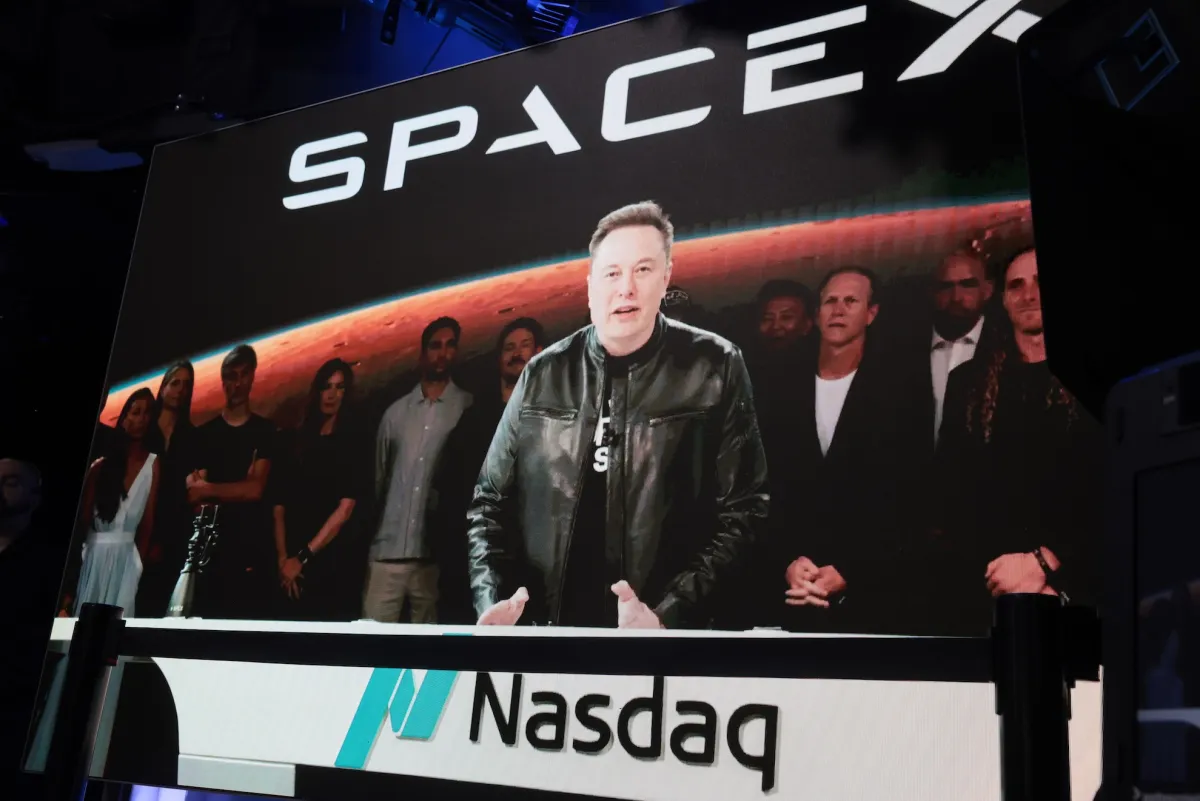
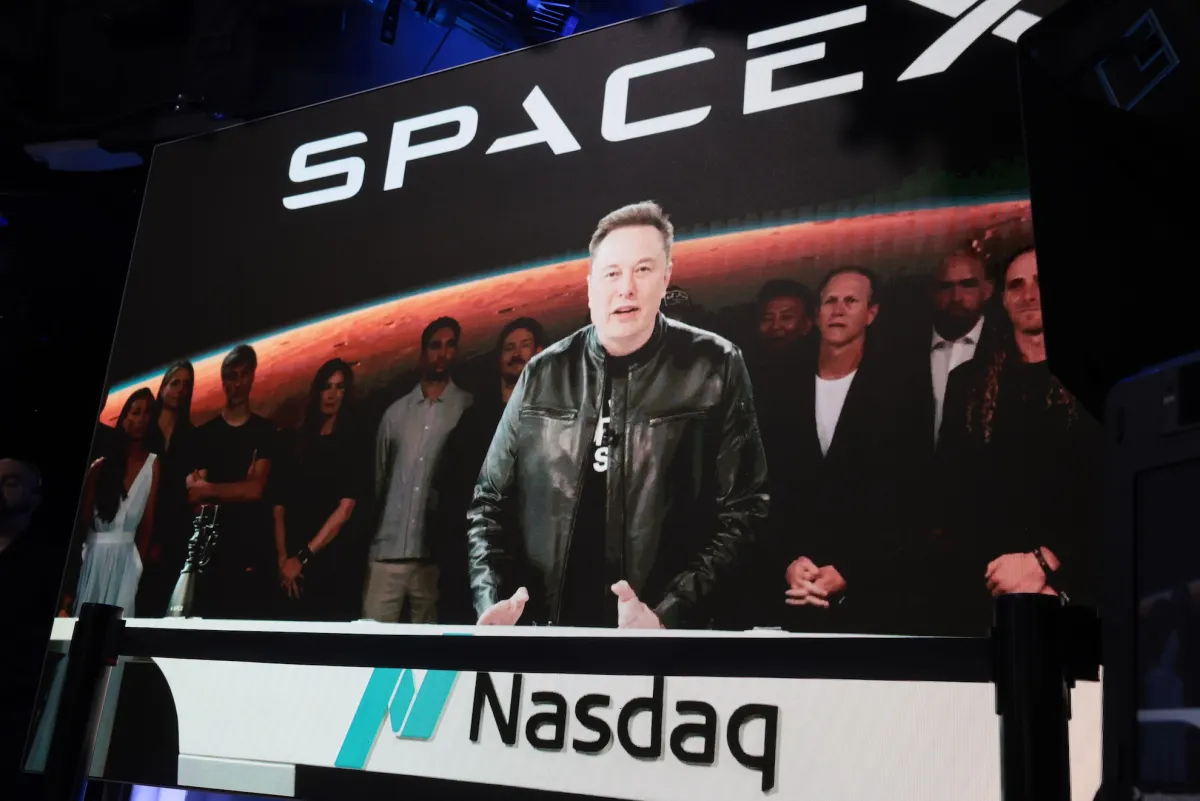
SpaceX went public on June 12, 2026, raising $75 billion and instantly becoming the largest IPO in history. Shares priced at $135, opened at $150, and closed the first day at $160.95. The 19% pop pushed the company's market capitalization past $2 trillion and made Elon Musk the world's first trillionaire.
The offering consolidated SpaceX's launch business, the Starlink satellite network, and the recently acquired xAI into a single public entity. That combination, plus the capital needed for Starship development and planned orbital AI data centers, explains both the size of the raise and investor appetite for a company that lost $4.9 billion on $18 billion in revenue last year.
How did SpaceX stock perform on day one?
Trading opened on the Nasdaq at $150, an 11% premium to the $135 offering price. By midday, shares had soared 30%. The rally cooled slightly into the close, finishing at $160.95 for a 19% first-day gain. Volume was enormous. Robinhood reported "record-breaking traffic" in the hours after the debut.
By the next full trading day, shares pushed higher still. As of 2:30 p.m. ET on June 13, the stock traded at $186.15, up more than 15% from the prior close. That brought the market cap to roughly $2.1 trillion.
Who made money from the SpaceX IPO?
Musk's holdings crossed $1 trillion in paper value. He retains 85.1% of voting power, meaning public shareholders bought economic exposure but not control. That structure mirrors other Musk entities and ensures he can pursue long-term bets without activist pressure.
Around 4,400 SpaceX employees are now paper millionaires, according to The New York Times. Goldman Sachs and Morgan Stanley split the lion's share of roughly $500 million in underwriting fees. Musk posted on X: "I love the incredible people of SpaceX beyond words."
Insiders marked the occasion by wearing green shoes, a nod to the "green shoe option" that lets underwriters sell up to 15% more shares if demand warrants. Given the trading volume, expect that provision to be exercised.
What does the $75B buy?
SpaceX's S-1 filing reveals the capital will fund Starship development, Starlink expansion, and a new initiative: orbital AI data centers. The company projects a constellation of up to 1 million satellites for space-based computing, though engineers on HackerNews have raised questions about latency and cooling logistics.
The filing also shows SpaceX has lost more than $37 billion since inception. That burn rate explains why going public made sense even for a founder who famously resisted it. Musk needs outside capital to pursue Mars ambitions without selling more private stakes at lower valuations.
Could SpaceX merge with Tesla?
COO Gwynne Shotwell raised eyebrows in a CNBC interview when she said a "merger between SpaceX and Tesla might make Elon's life a little easier." She did not elaborate on timing or structure, but the comment sent Tesla shareholders into speculation mode.
A combined entity would be the world's most valuable company by a wide margin, spanning electric vehicles, energy storage, rockets, satellites, and AI. Whether regulators or minority shareholders would approve such a deal is another question entirely.
“Musk has successfully converted the dream of Mars into a liquid, public asset. The market hasn't just bought into a company; they've bought into a trillion-dollar vision.”
— David Chen, Senior Portfolio Manager at Vanguard Capital
What risks should investors watch?
The bull case is obvious: SpaceX dominates commercial launch, Starlink has millions of subscribers, and the AI data center play could be transformative. The bear case is equally clear. The company has never posted an annual profit. Musk's voting control means minority shareholders have limited recourse. And the orbital computing vision remains unproven.
Reddit's r/stocks community is largely celebratory, buoyed by retail investors who received priority access. HackerNews threads are more skeptical, questioning whether space-based compute can compete with terrestrial data centers on cost or latency. Both camps will get their answer over the next few years.
Context on how AI infrastructure bets are reshaping tech valuations
Frequently Asked Questions
What is the SpaceX stock ticker symbol?
SpaceX trades on the Nasdaq under the ticker SPCX.
How much did SpaceX raise in its IPO?
The company raised $75 billion by selling 555.6 million shares at $135 each, making it the largest IPO in history.
What is SpaceX's market cap after the IPO?
SpaceX's market capitalization exceeded $2.1 trillion by the end of its first full trading day.
How much voting control does Elon Musk have?
Musk retains 85.1% of SpaceX's voting power, giving him effective control over major decisions.
Has SpaceX ever been profitable?
No. SpaceX lost $4.9 billion in 2025 and has accumulated over $37 billion in losses since inception.
Logicity's Take
The SpaceX IPO is less a liquidity event than a fundraising mechanism for a company that burns billions annually. Musk kept voting control, so public shareholders are passengers, not drivers. The real test comes when orbital AI data centers need to deliver returns. If they work, this valuation looks cheap. If they don't, investors will learn what it means to fund someone else's Mars dream.
Another high-profile AI infrastructure funding event
Need Help Implementing This?
Looking to understand how space-tech and AI infrastructure investments affect your portfolio or business strategy? Reach out to Logicity's research team for tailored analysis and insights.
Source: TechCrunch / Kirsten Korosec, Russell Brandom
Huma Shazia
Senior AI & Tech Writer
Produced with AI assistance and reviewed by the Logicity editorial team. Learn more in our Editorial Policy.




