Key Takeaways
- Nadella argues companies need 'token capital' — AI capabilities they own and control — alongside human capital
- His tone on AI model commoditization has shifted; he now warns company knowledge could be commoditized instead
- The real test for enterprises: can you swap out your base AI model without losing the knowledge built on top?
Satya Nadella is worried about concentration. In a June 2026 blog post, the Microsoft CEO warned that a handful of AI systems could capture most economic returns from the technology, leaving entire industries with their institutional knowledge stripped away.
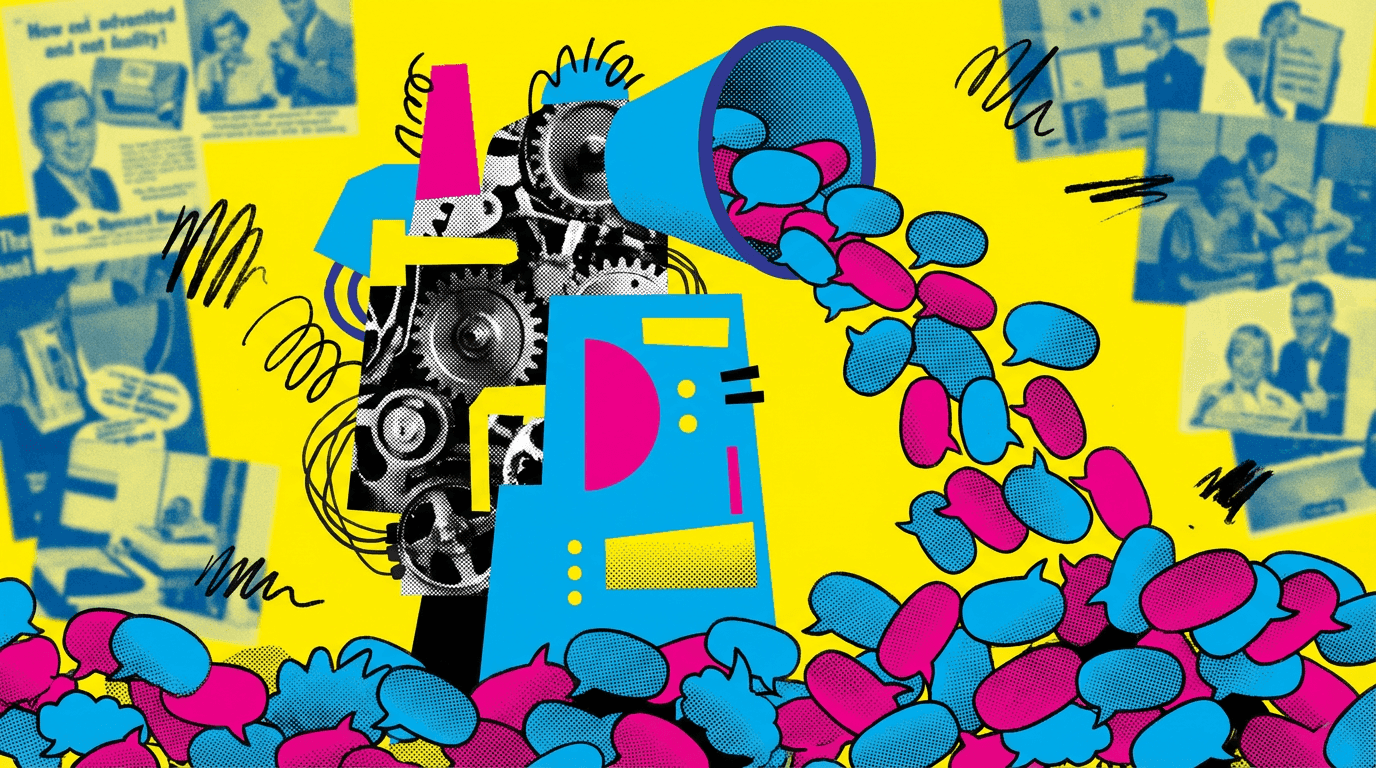
"Let us not bring that dynamic into the AI era, with a small number of AI systems capturing all the economic returns, while entire industries find their knowledge commoditized right out from underneath them," Nadella wrote.
The warning is notable coming from Microsoft. The company has poured billions into OpenAI, runs one of the largest cloud AI platforms, and bundles AI features into Office products that reach hundreds of millions of users. If anyone stands to benefit from AI concentration, it's Microsoft.
What does Nadella mean by 'token capital'?
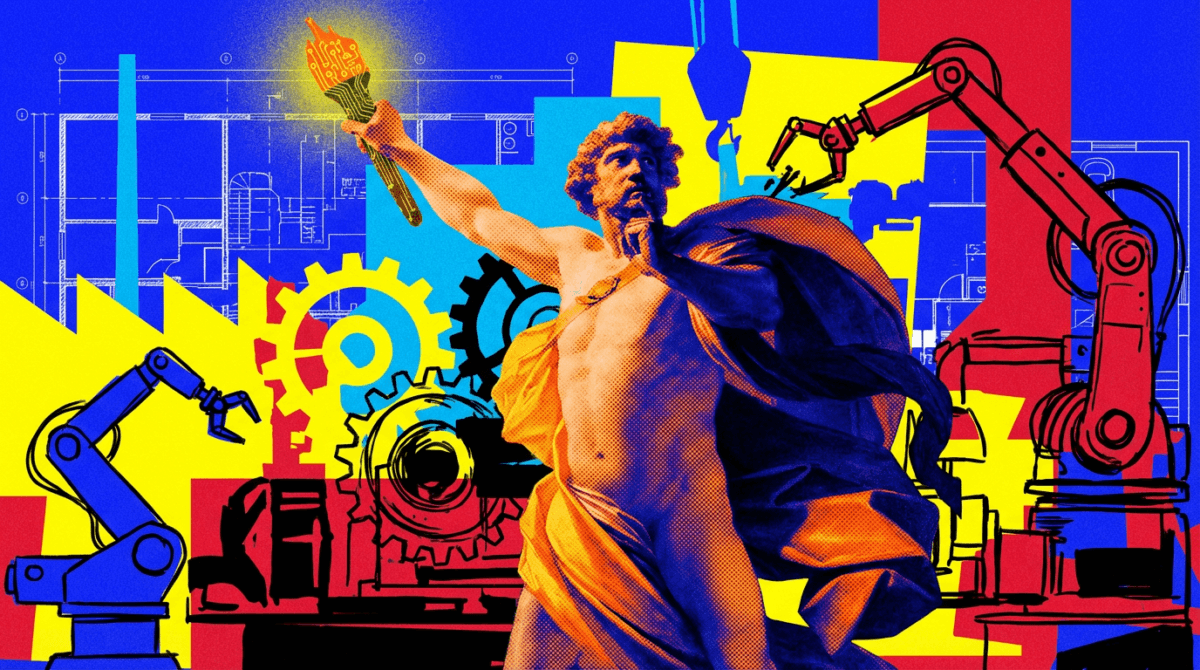
Nadella introduces a new framing for corporate strategy: alongside human capital, companies will need "token capital." That means AI capabilities they own and control, not just rent from a provider.
He gets specific about what this requires. Companies should build proprietary learning systems. Internal evaluations should track whether AI models improve on business-relevant outcomes. Training setups should incorporate real company data. Institutional knowledge should become queryable and reusable.
"The real opportunity is not in picking the best model but instead in building a learning loop on top of models where human capital and token capital compound," Nadella writes. "You can offload a task, or even a job, but you can never offload your learning."
The practical test he proposes: can your company swap out its base AI model without losing the knowledge built on top? If not, you're locked in. And if that lock-in is to a model you don't control, someone else owns your learning.
Why is Nadella's tone shifting now?
This represents a change in position. In March 2025, Nadella said "the models are getting commoditized," with real value living in products and the system stack. Fourteen months later, he sounds less confident about that timeline.
The shift makes sense if you look at the competitive landscape. OpenAI and Anthropic have models that other companies can't easily replicate. Both are building product ecosystems around those models. The line between raw model capability and the "agent" harness keeps blurring. That creates concentration, not commoditization.
Microsoft trains its own AI models, but they lag competitors. The company's strategy has been to lock enterprises into Azure and its tooling stack through bundle deals tied to Office. If models don't commoditize, that strategy gets harder.
“The last thing any of us want is a world where every company across every sector is ceding value to a few models that eat everything they see. If all the value is accrued by only a few models, the political economy will simply not tolerate it.”
— Satya Nadella, CEO of Microsoft
Is Microsoft arguing its own book?
Yes, obviously. Nadella's warning about concentration is also a pitch for Microsoft's enterprise stack. If companies need to build proprietary learning systems on top of models, they need infrastructure. Microsoft sells that infrastructure.
But the self-interest doesn't make the argument wrong. The risk Nadella describes is real. If a few frontier models become the default substrate for all enterprise AI, and if those models learn from the data that flows through them, the model providers gain leverage. Your company's institutional knowledge becomes training data for a system you don't own.
Online discussion has been polarized on this point. Some see Nadella's concern as genuine. Others note the irony of a company deeply invested in AI infrastructure and OpenAI warning about concentration. The truth is probably both: Nadella benefits from selling the solution to a problem he's describing accurately.
What's the macro case Nadella is making?
Nadella frames this in political economy terms. He argues the AI industry needs to prove its worth through macroeconomic metrics, suggesting 10% annual global GDP growth as the bar for AI to qualify as a true Industrial Revolution.
That's a high bar. Current productivity gains from AI remain hard to measure. Many businesses still struggle to see clear returns on their AI investments. If the gains stay concentrated in a few model providers while enterprises see costs but not benefits, the political backlash will be severe.
"There is no societal permission for an AI future that hollows out entire industries," Nadella writes. He's right. The question is whether the future he's warning against is preventable, or whether concentration is the natural outcome of foundation model economics.
What should enterprises actually do?
Nadella's prescription is straightforward, even if execution is hard. Build systems that compound your own learning. Track whether AI actually improves your business outcomes, not just whether it produces plausible outputs. Make your institutional knowledge queryable. And architect for model portability.
That last point matters most. If you build tight integrations with a single model provider, you're betting that provider will always offer the best capability at the best price. History suggests that's a bad bet. The companies that retain leverage will be the ones that can switch.

Logicity's Take
Nadella's framing of "token capital" is useful, but the real insight is buried in his test for model portability. Most enterprises are building on AI without thinking about lock-in, because switching costs seem abstract until you actually try to switch. The companies that treat model selection as a procurement decision rather than an architectural one will discover, painfully, that they've outsourced their learning to someone else's servers.
Frequently Asked Questions
What is token capital according to Satya Nadella?
Token capital refers to AI capabilities a company owns and controls, including proprietary learning systems, internal training setups using real company data, and queryable institutional knowledge.
Why did Nadella's view on AI commoditization change?
In March 2025, Nadella said models were commoditizing. By June 2026, competitors like OpenAI and Anthropic had built difficult-to-replicate models with product ecosystems around them, suggesting commoditization is moving slower than expected.
How can companies avoid AI lock-in?
Nadella suggests building systems where you can swap out the base AI model without losing the knowledge built on top. This requires separating your proprietary learning and data from any single model provider.
What does Nadella mean by AI hollowing out industries?
He warns that a few dominant AI systems could capture most economic returns while companies in other sectors find their institutional knowledge commoditized and absorbed by those systems.
Need Help Implementing This?
Building model-portable AI systems requires careful architectural decisions. Contact our team for guidance on enterprise AI strategy that preserves your optionality and protects your institutional knowledge.
Source: The Decoder / Matthias Bastian
Huma Shazia
Senior AI & Tech Writer
Produced with AI assistance and reviewed by the Logicity editorial team. Learn more in our Editorial Policy.