Key Takeaways
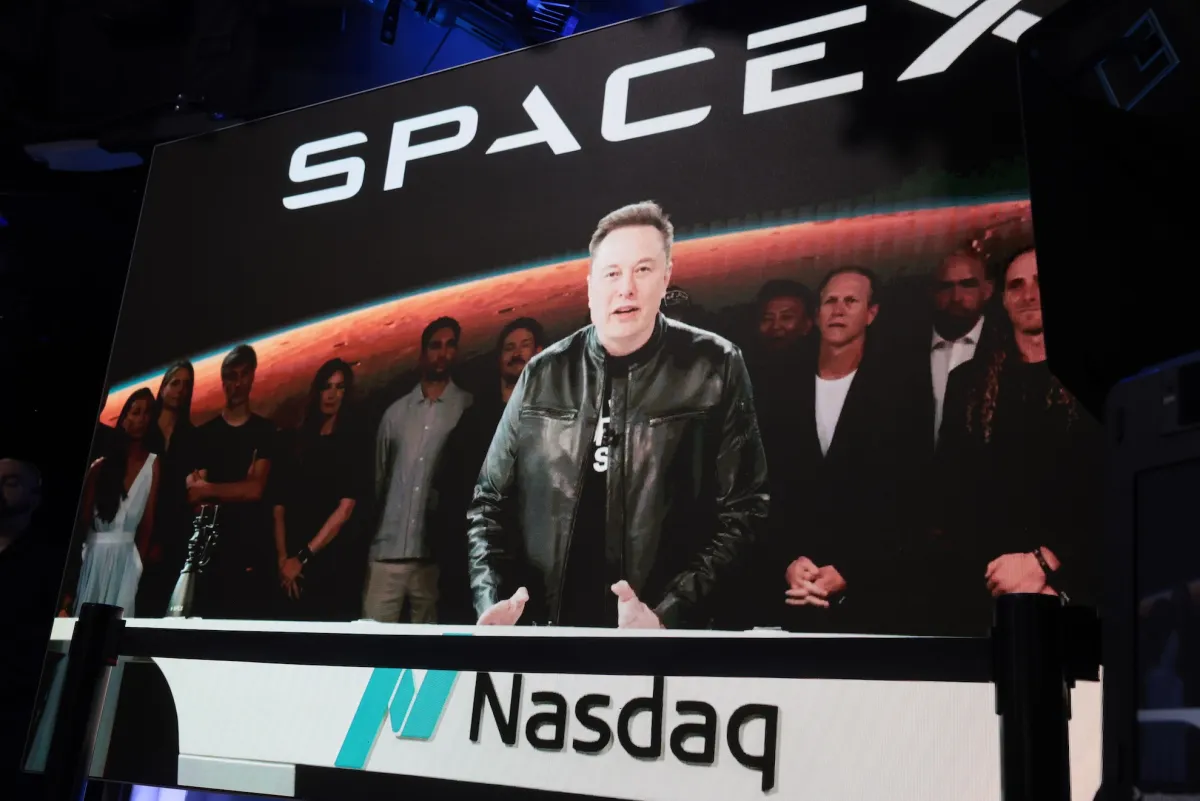
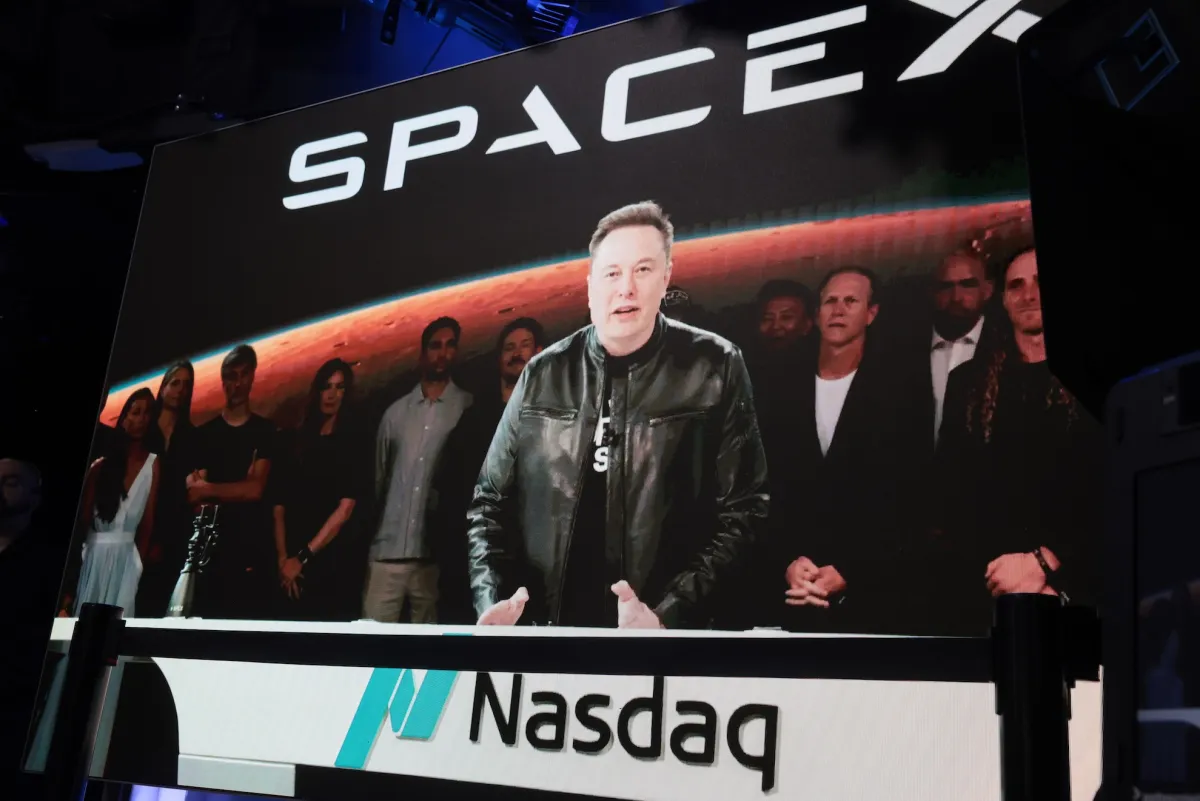
- SpaceX agreed to acquire Cursor for $60 billion in stock, just days after its historic IPO valued the company at over $2 trillion.
- The deal follows SpaceX's merger with Elon Musk's xAI earlier this year as the company races to catch up to leading AI labs.
- Cursor was on track to raise $2 billion at a $50 billion valuation before SpaceX came knocking with a $10 billion break-up fee attached.
SpaceX has agreed to acquire AI coding startup Cursor for $60 billion in stock. The deal comes just days after SpaceX's historic IPO and less than two months after the two companies announced a partnership. The acquisition is set to close in Q3 2026.
This is not a modest bet on AI tooling. SpaceX told investors during its IPO roadshow that it sees a $26 trillion addressable market for AI products, a figure roughly equal to total U.S. GDP. The company's stock jumped 9% in pre-market trading after the announcement.
Why does SpaceX want a coding tool?
The acquisition is part of SpaceX's larger pivot from pure launch provider to AI and space infrastructure platform. Earlier this year, SpaceX merged with Elon Musk's AI company xAI, which operates the Colossus supercomputer cluster. Cursor's AI-assisted coding capabilities will be integrated directly into that infrastructure.
“The integration of Cursor into our Colossus compute infrastructure marks the final step in closing the loop between human intent and orbital execution.”
— Elon Musk, CEO of SpaceX and xAI
Musk's ambition is clear: SpaceX wants to own the full stack from compute to code to orbit. But the AI division has faced problems. It's been restructuring after repeated controversies, including allowing users to generate non-consensual deepfakes of women and children. The Cursor acquisition looks like an attempt to reframe the narrative around productive AI tooling rather than generative content.
What was Cursor's alternative?
Before SpaceX made its offer, Cursor was on the verge of closing a $2 billion funding round. Andreessen Horowitz, Thrive, and Nvidia were all lined up. That round would have valued Cursor at $50 billion.
SpaceX structured the deal to make walking away expensive. In April, ahead of its IPO, the company announced a curious arrangement: acquire Cursor for $60 billion in stock, or pay a $10 billion break-up fee if the deal collapsed. That fee effectively locked Cursor in. Turning down a 20% premium on top of your expected valuation is hard. Turning down $10 billion guaranteed is harder.
“We are effectively turning every engineer into a force multiplier. This isn't just a tool; it's a fundamental shift in how we build the future.”
— Aman Sanger, Co-founder of Cursor
How are developers reacting?
The reaction has been mixed. On one hand, SpaceX stock is up and Musk declared the deal the future of engineering. On the other, skeptics are calling it a sign of AI valuation excess.
George Hotz, founder of Comma.ai and a persistent Musk critic, was blunt on X: "60B? SpaceX has officially entered the era of AI psychosis. Buying a glorified autocomplete at a rocket company's valuation."
Hacker News and Reddit threads are similarly divided. Some developers see the deal as a strategic move to dominate enterprise AI tooling. Others view $60 billion for an AI code assistant as a sign of a massive market bubble. The real question is whether Cursor can deliver value at that price inside SpaceX's high-stakes engineering environment, or whether the lean startup culture will clash with rocket-grade rigor.
Explore how enterprises should structure AI investments beyond individual tools.
What happens next?
The deal is expected to close in Q3 2026. Between now and then, expect regulatory scrutiny. A $60 billion acquisition by a freshly public $2 trillion company will draw attention, particularly given the AI division's controversies.
The integration timeline is unclear. Cursor's "vibe coding" approach, which emphasizes natural language prompts over traditional IDE workflows, will need to mesh with xAI's Colossus infrastructure. Whether that means Cursor becomes a SpaceX-internal tool, a commercial product, or both remains to be seen.
Another example of AI integration reshaping enterprise workflows.
Logicity's Take
The $60 billion price tag is less about Cursor's current revenue and more about SpaceX's desperation to have a credible AI story post-IPO. After the deepfake controversies, Musk needed a clean AI product to point to. Cursor is that product. Whether it's worth $60 billion depends entirely on whether SpaceX can turn AI-assisted coding into a platform play, not just an internal tool. If Cursor becomes the default interface for developers building on SpaceX and Starlink infrastructure, the math might work. If it stays a standalone code editor, this looks like peak 2026 AI froth.
Frequently Asked Questions
How much is SpaceX paying for Cursor?
SpaceX is acquiring Cursor in an all-stock deal valued at $60 billion.
When will the SpaceX Cursor acquisition close?
SpaceX expects the deal to close in Q3 2026.
Why did Cursor accept SpaceX's offer instead of raising from VCs?
Cursor was about to close a $2 billion round at a $50 billion valuation. SpaceX offered a 20% premium plus a $10 billion break-up fee if the deal fell through, making refusal very costly.
How does this fit into SpaceX's AI strategy?
SpaceX merged with Elon Musk's xAI earlier this year. Cursor's AI coding tools will be integrated with xAI's Colossus supercomputer as part of SpaceX's pivot to an AI and space infrastructure platform.
What controversies has SpaceX's AI division faced?
The AI division has been restructuring after allowing users to generate non-consensual deepfakes of women and children, among other issues.
Need Help Implementing This?
Logicity helps technology teams make sense of fast-moving AI and infrastructure deals. Subscribe to our newsletter for analysis that cuts through the noise, or contact our research team for custom briefings on the SpaceX-xAI ecosystem.
Source: TechCrunch / Sean O'Kane
Huma Shazia
Senior AI & Tech Writer
Produced with AI assistance and reviewed by the Logicity editorial team. Learn more in our Editorial Policy.




