Key Takeaways
- Unastella raised $24 million in Series B funding, bringing total capital to $44 million
- The company launched its first rocket, UNA EXPRESS-I, from South Korea in May 2025
- Unastella uses electric motor pumps instead of traditional turbo pumps to reduce cost and complexity
Unastella, a Seoul-based rocket startup, has closed a $24 million Series B round. The investment brings the four-year-old company's total funding to $44 million. Altos Ventures led the round, joined by Korea Development Bank, Strong Ventures, and Hana Ventures.
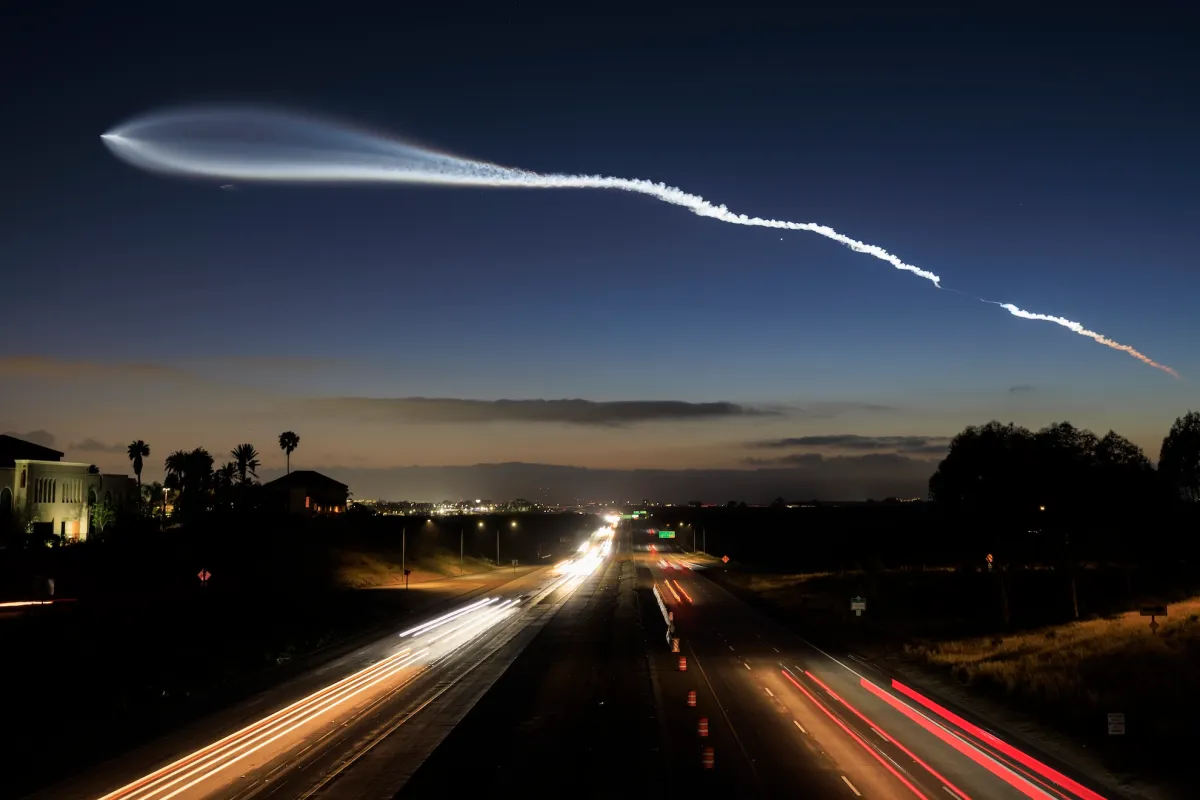
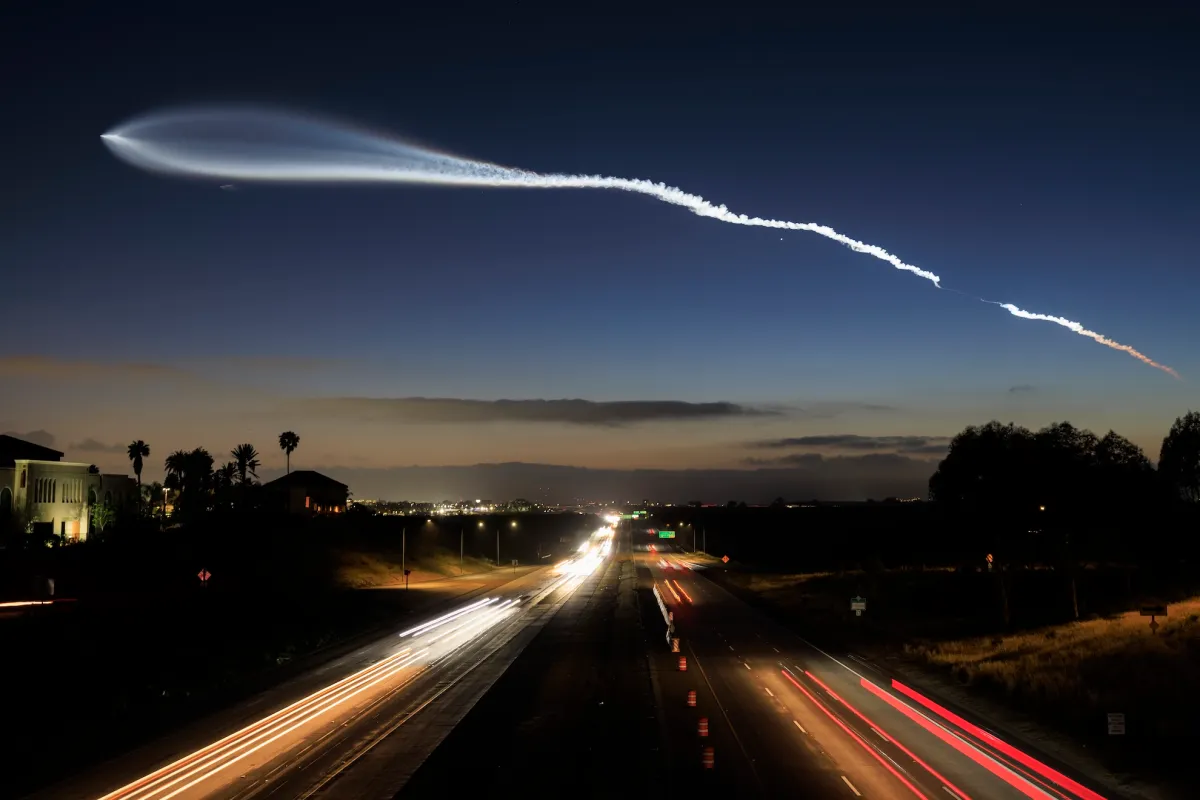
The company launched its first rocket, the UNA EXPRESS-I, from South Korean soil in May 2025. That flight marked the first time a private South Korean company had developed and operated a launch vehicle domestically.
“The successful launch of UNA EXPRESS-I was a turning point, proving that a private South Korean company can develop and operate high-performance aerospace hardware from domestic soil.”
— Jae Park, Founder and CEO of Unastella
Electric Pumps Over Turbo Pumps
Unastella's rockets use kerosene and liquid oxygen propulsion, the same proven combination that powers SpaceX's Falcon series. But the company made a deliberate engineering choice: it swapped traditional turbo pumps for electric motor pumps.
Electric pumps are simpler and cheaper. Rocket Lab already validated this approach with its Rutherford engine. The tradeoff is weight. Electric pumps are heavier, which means less room for satellite payloads.
Park sees this as a feature, not a bug. "We're not an R&D group trying to build the most impressive rocket," he told TechCrunch. "We're a commercial launch company trying to get to market fast."
From Government Labs to Private Venture
Park spent his career in rocket propulsion before founding Unastella. He worked on combustion systems for South Korea's Nuri rocket, the country's first indigenously developed orbital launch vehicle built by the Korea Aerospace Research Institute (KARI).
He later moved to the German Aerospace Center in Berlin to work on European launch vehicle engines. After returning to Korea and joining another rocket startup, he decided to build his own company.
The 22-person startup handles everything in-house: design, manufacturing, ground operations, and flight data. The UNA EXPRESS-I launch was the first end-to-end test of the entire system.
What Comes Next
Unastella is not generating revenue yet. Its near-term focus is validating its technology and business model through orbital launches. Crewed suborbital spaceflight is a longer-term goal.
The company's next major milestone is UNA EXPRESS-II, targeted for later this year. Reaching 100 kilometers altitude would be significant. Park believes it will open doors to partnerships with South Korea's major aerospace and defense firms.
Unastella has already built institutional relationships. South Korea's national space agency flew components on UNA EXPRESS-I, and KARI has transferred technology to the startup.
Asia's Private Space Race
Unastella is part of a broader wave of private space startups across Asia. Companies in Australia, India, Japan, and South Korea are racing to challenge the U.S. and Chinese dominance in launch services.
The timing matters. SpaceX is preparing for what could be the largest IPO in history, signaling strong investor appetite for space ventures. Asian startups want to capture part of the growing small-satellite launch market.
Logicity's Take
Frequently Asked Questions
What does Unastella do?
Unastella is a South Korean startup that develops small satellite launch vehicles and rocket engines. The company launched its first rocket from South Korea in May 2025.
How much funding has Unastella raised?
Unastella has raised $44 million total, including a $24 million Series B led by Altos Ventures in 2026.
What makes Unastella's rockets different?
The company uses electric motor pumps instead of traditional turbo pumps. This approach is simpler and cheaper, though it reduces payload capacity.
When is Unastella's next launch?
UNA EXPRESS-II is targeted for later in 2026, with a goal of reaching 100 kilometers altitude.
Another South Korean tech company expanding into strategic hardware markets
Need Help Implementing This?
Source: TechCrunch / Kate Park
Huma Shazia
Senior AI & Tech Writer
Produced with AI assistance and reviewed by the Logicity editorial team. Learn more in our Editorial Policy.




