Key Takeaways
- The Lytia 910 achieves 100dB dynamic range in a single exposure, matching multi-frame HDR without motion artifacts
- LOFIC technology places capacitors next to each photodiode to prevent highlight clipping
- Mass production begins summer 2025, with flagship smartphones expected to adopt it by Q4
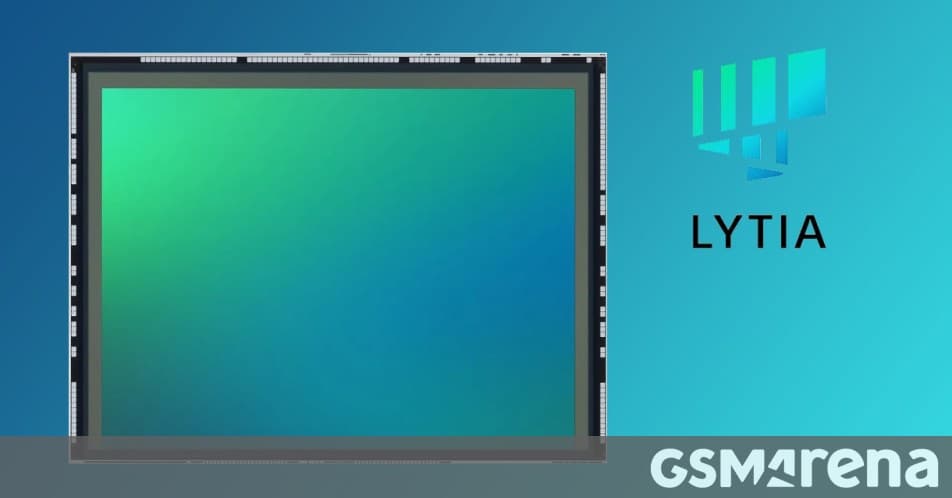
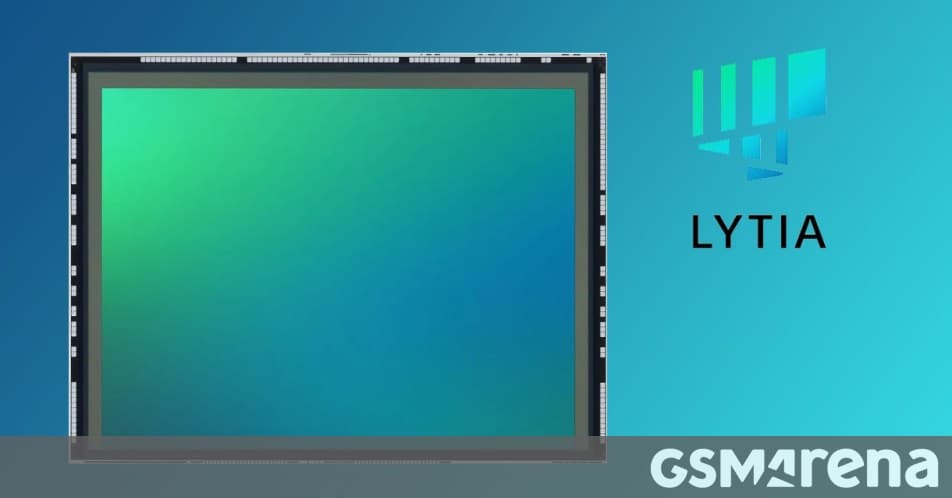
Sony has announced the Lytia 910, its first mobile image sensor with LOFIC (Lateral Overflow Integration Capacitor) technology. The 50MP sensor captures 100dB of dynamic range in a single exposure, matching what previous sensors needed multiple frames to achieve. Mass production starts this summer, putting the 910 on track for flagship smartphones launching in Q4.
The core problem LOFIC solves is photodiode saturation. In bright scenes, standard CMOS pixels fill up and clip highlights. Sony's fix: place a dedicated capacitor alongside each pixel to absorb overflow charge before it's lost. The result is dramatically higher full well capacity per pixel, letting the sensor hold detail in both deep shadows and blown-out highlights simultaneously.
How does the Lytia 910 avoid HDR ghosting?
Traditional multi-frame HDR merges several exposures. If your subject moves between frames, you get ghosting or warping. The Lytia 910 sidesteps this entirely through Triple Conversion Gain (TCG) HDR. Each pixel is read three times at low, mid, and high gain settings during a single exposure. Those three readouts combine into one HDR image. One shot, three gain levels, zero motion artifacts.
This approach matters for video as much as stills. The 910 supports 4K 60fps HDR capture, where multi-frame stacking would be computationally brutal and artifact-prone. LOFIC sensors also handle flickering artificial light better than conventional designs, which is why automotive cameras already use the technology.
What about low-light performance?
High dynamic range often trades off against noise in dim conditions. Sony addresses this with Ultra High Conversion Gain circuits that activate when light is scarce. The company claims these circuits cut random noise by about 30% compared to earlier Lytia sensors. Paired with the 1/1.28-inch optical format and 1.22µm pixels in a Quad Bayer layout, the 910 should handle low-light scenes competently while retaining its HDR advantages.
Sony isn't the first with LOFIC
OmniVision beat Sony to market. The Honor Magic6 Ultimate shipped in 2024 with the 50MP OV50K, and the Xiaomi 17 Ultra uses OmniVision's Light Fusion 1050L. Both employ LOFIC architectures. Sony's entry adds credibility to the technology and signals broader adoption is coming. When the largest mobile sensor supplier commits to a design, component costs drop and OEM interest rises.
Rumors point to the vivo X500 Pro Max as an early adopter of the Lytia 910. Samsung is reportedly developing its own LOFIC sensor, potentially debuting with the Galaxy S27 Ultra. If accurate, the next generation of Android flagships could largely abandon multi-frame HDR in favor of single-shot high dynamic range capture.
Specifications at a glance
- Sensor size: 1/1.28 inch
- Resolution: 50MP with Quad Bayer filter
- Pixel size: 1.22µm × 1.22µm
- Dynamic range: 100dB (single exposure)
- HDR method: Triple Conversion Gain (TCG)
- Video: 4K at 60fps HDR
- Noise reduction: ~30% lower random noise via Ultra High Conversion Gain
Why smartphone photographers should care
The practical upside is visible in backlit scenes, sunset portraits, and any situation where highlights and shadows coexist. Current multi-frame HDR often produces a processed, painterly look as algorithms try to blend exposures. Artifacts like halos around high-contrast edges are common. Single-exposure LOFIC HDR captures the scene as it existed in one instant, reducing computational intervention and preserving natural textures.
For video, the benefits multiply. Shooting a concert, a streetscape at dusk, or a room with windows in frame has always pushed phone cameras toward either clipped highlights or muddy shadows. LOFIC sensors won't eliminate all challenges, but they remove the frame-alignment headache that plagued earlier HDR video implementations.
When will phones with the Lytia 910 ship?
Sony says mass production begins this summer. Flagship smartphones typically take three to four months from sensor availability to retail launch. That puts the first Lytia 910 devices in Q4 2025, likely timed for the holiday buying season. Chinese OEMs like vivo and Xiaomi often lead adoption curves for new Sony sensors, with Samsung and others following a quarter or two later.
The competitive pressure is real. OmniVision's LOFIC sensors are already in premium handsets, and Samsung's rumored entry could arrive by early 2026. For Sony, the Lytia 910 isn't just a technology showcase. It's a market defense.
Frequently Asked Questions
What does LOFIC stand for?
Lateral Overflow Integration Capacitor. It refers to a capacitor placed next to each photodiode to capture excess charge that would otherwise be lost, increasing dynamic range.
How is 100dB dynamic range achieved in one shot?
The Lytia 910 uses Triple Conversion Gain HDR, reading each pixel at three gain levels during a single exposure, then combining them into one image.
Which phones will use the Sony Lytia 910?
The vivo X500 Pro Max is rumored to be the first. Other flagships launching in Q4 2025 and beyond may also adopt the sensor.
Does the Lytia 910 improve low-light photography?
Yes. Ultra High Conversion Gain circuits reduce random noise by about 30% compared to Sony's previous sensors when light is limited.
Is the Lytia 910 the first LOFIC sensor in a phone?
No. OmniVision's OV50K in the Honor Magic6 Ultimate and Light Fusion 1050L in the Xiaomi 17 Ultra both predate it.
Logicity's Take
Sony's LOFIC entry validates the technology but doesn't leapfrog OmniVision's existing implementations. The real question is whether phone makers will leverage single-shot HDR to dial back aggressive computational post-processing. If they do, the Lytia 910 could mark the beginning of a more naturalistic look in smartphone photography. If they don't, 100dB of dynamic range becomes another spec-sheet number rather than a visible improvement.
Another hardware announcement where flagship specs come with trade-offs worth understanding
Need Help Implementing This?
If you're building camera-centric apps or evaluating sensor capabilities for your hardware roadmap, Logicity's research team can help you cut through marketing claims. Contact us for analysis tailored to your product requirements.
Source: GSMArena.com / Peter
Huma Shazia
Senior AI & Tech Writer
Produced with AI assistance and reviewed by the Logicity editorial team. Learn more in our Editorial Policy.