Key Takeaways
Solos AirGo V2 Smart Glasses Review: The Ultimate Screenless AI Assistant!
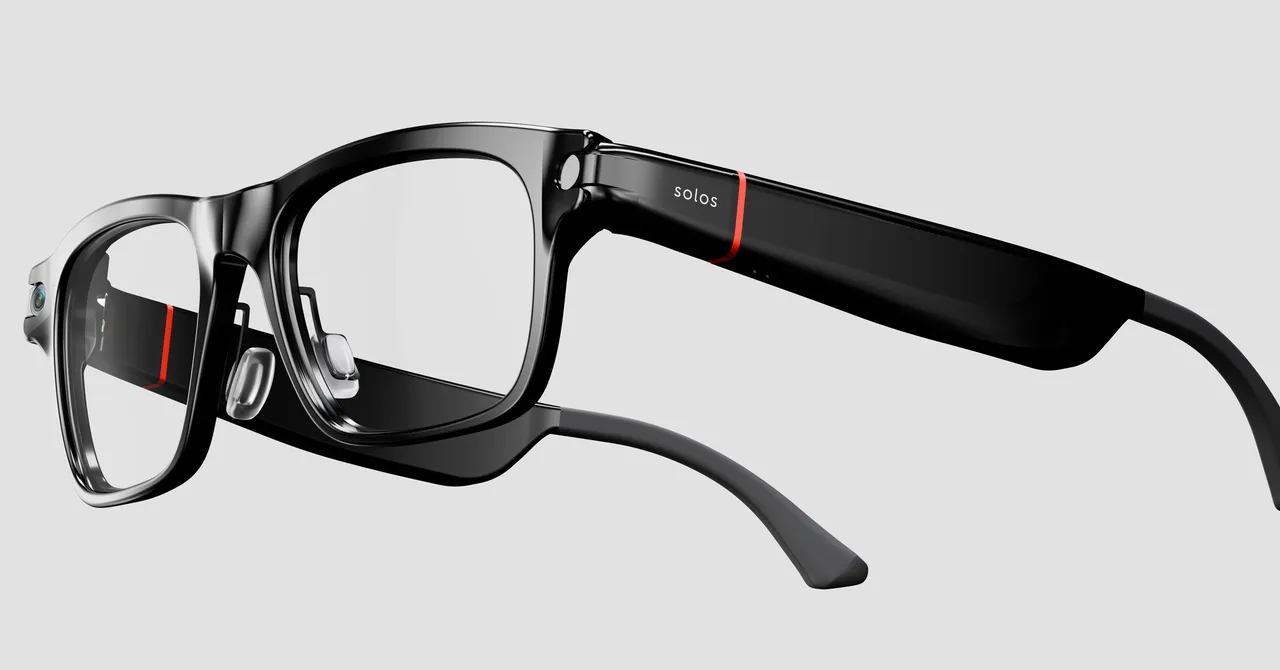
- Solos AirGo V2 matches Meta Ray-Ban's $299 price with AI assistant and 10-12 hour battery life
- A $79 Privacy Kit lets wearers clip-on a camera blocker for audio-only mode
- The modular approach addresses public backlash against camera glasses, though critics question its effectiveness
Solos is betting that the solution to camera glasses creeping people out is a $79 clip-on blocker. The company announced the AirGo V2 on Tuesday, a $299 pair of smart glasses that directly matches Meta Ray-Ban's price and features, but adds one twist: a Privacy Kit that physically covers the cameras when you want to wear them in audio-only mode.
What does the Solos AirGo V2 actually offer?
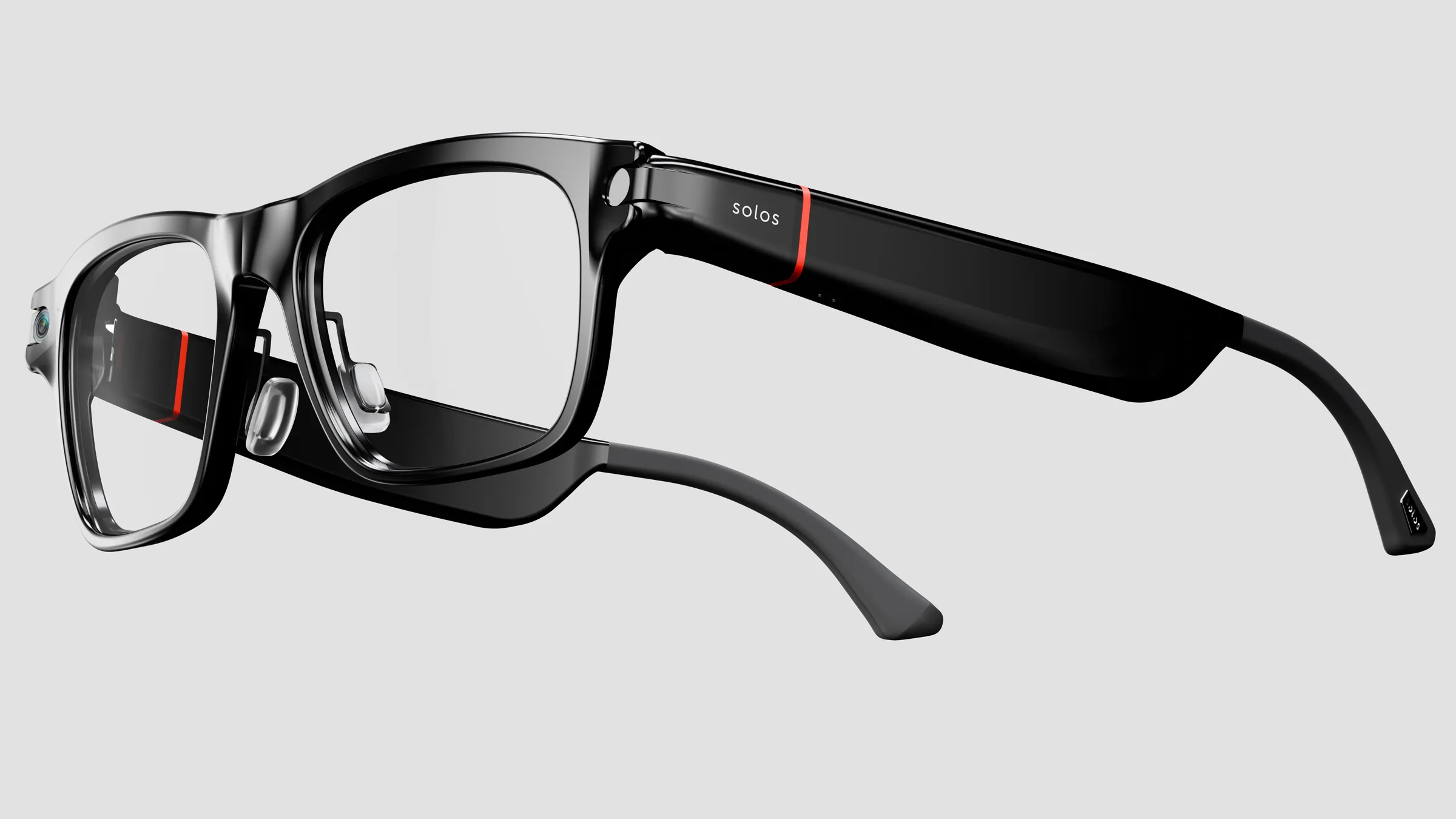
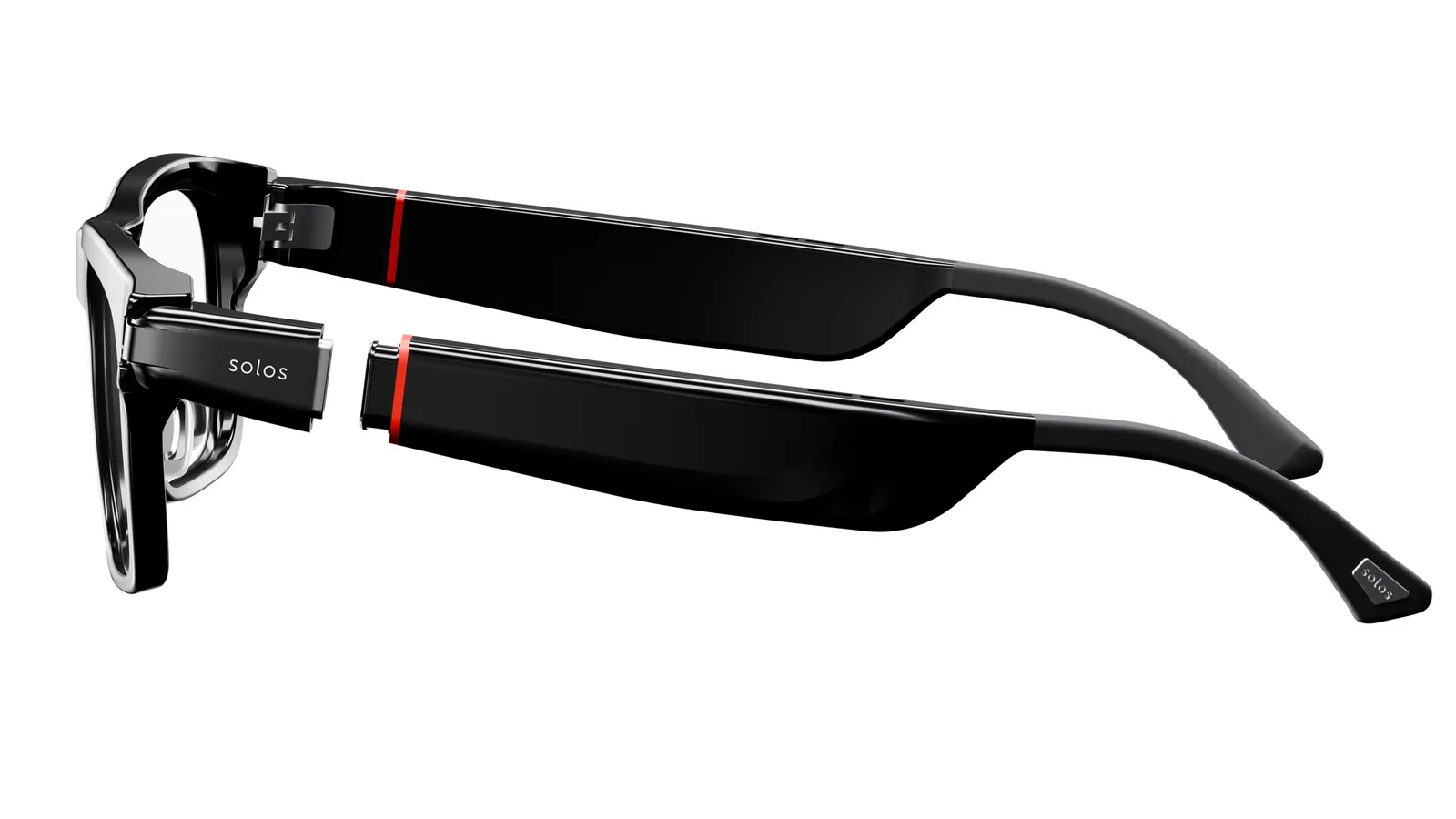
The spec sheet reads like a point-by-point response to Meta. The AirGo V2 captures photos and video, plays music through open-ear speakers, and connects to an AI assistant that can see what you see. Battery life runs 10 to 12 hours. Prescription lenses are an option. All of this at that magic $299 price point where Meta parked its Ray-Ban partnership.
Alongside the camera model, Solos also announced the AirGo A6, an audio-only pair for users who want the smart features without the surveillance baggage. Meta CTO Andrew Bosworth has acknowledged market demand for audio-only smart glasses but hasn't shipped one yet. Solos is moving into that gap.
How does the Privacy Kit work?
The $79 Privacy Kit includes a clip-on shield that physically blocks the cameras from recording anything. There's also a polarized lens attachment. The idea is modular control: wear the glasses with cameras active when you want them, clip on the blocker when you don't.
The problem is obvious. Requiring users to buy a separate accessory, then remember to attach and remove it, adds friction that most people will skip. And nothing stops someone from removing the blocker after entering a space that prohibits recording. A venue might see the privacy shield at the door and wave you through, unaware you'll pocket it five minutes later.
It's a gesture toward privacy more than a solution. But in a market where Meta has faced "pervert glasses" headlines and had to yank facial recognition code after a WIRED report exposed it, even a gesture carries marketing weight.
Can Solos actually compete with Meta?
Track record says no. WIRED put the original Solos AirGo Vision in its "Don't Bother" category, citing middling camera quality, frustrating touch controls, and an app that demanded too many permissions while draining battery. Meta's glasses have sold millions of units since 2021 and benefit from the Ray-Ban brand, a partnership no startup can replicate.
Meta isn't standing still either. Last week it announced that some previously free features on its glasses will now require payment. That's frustrating for existing owners, but it also signals Meta is building a recurring revenue model around its installed base. Solos doesn't have that base to monetize.
The competitive field is getting crowded regardless. Google and Samsung are partnering on Android XR glasses arriving later this year through Warby Parker and Gentle Monster. Apple has reportedly been developing its own smart glasses. Even Realities is chasing the audio-only segment Solos also wants.
Why privacy concerns matter for product adoption
Google Glass died in 2013 partly because nobody wanted to talk to someone with a camera pointed at their face. The term "glasshole" entered the lexicon. A decade later, Meta managed to make camera glasses socially acceptable by disguising them as normal Ray-Bans, but the privacy criticism hasn't disappeared. It's just quieter.
For product teams considering wearables, the Solos approach raises a question: is privacy a feature you can bolt on, or does it need to be designed in from the start? A removable blocker that users control is philosophically different from a hardware kill switch or an LED that's impossible to disable. The former puts the burden on users. The latter bakes trust into the product.
Logicity's Take
Solos is making a smart marketing play rather than a technical one. The Privacy Kit costs $79 on top of the $299 glasses, so a privacy-conscious buyer pays $378 for a product that still has cameras. That's more than Meta's base price for the same capability. For AI builders working on wearable integrations, the real signal here is that privacy theater has commercial value. Competitors like Even Realities are betting that audio-only is the cleaner positioning. If you're building for this market, watch which approach wins user trust. The answer will shape API access and data policies across the entire wearables category.
What this means for smart glasses in 2025
The smart glasses market is fragmenting into three camps: Meta's camera-forward ecosystem, audio-only alternatives from Even Realities and others, and now modular hybrids like the AirGo V2 that try to serve both. None of these has proven dominant outside Meta's install base.
Solos ships a product. That alone puts it ahead of Apple and Google's glasses timelines. Whether anyone wants to buy a clip-on privacy shield to feel better about wearing a face camera remains an open question.
Frequently Asked Questions
How much does the Solos AirGo V2 cost with the Privacy Kit?
The AirGo V2 costs $299 for the glasses alone. The Privacy Kit with the camera blocker and polarized lens is an additional $79, bringing the total to $378.
What's the battery life of the Solos AirGo V2?
Solos rates the AirGo V2 at 10 to 12 hours of battery life, which is competitive with Meta's Ray-Ban Smart Glasses.
Can you get prescription lenses for the Solos AirGo V2?
Yes, the AirGo V2 supports prescription lens fitting, similar to Meta's partnership with Ray-Ban.
Does the Solos AirGo V2 have an AI assistant?
Yes, the glasses include an AI-powered assistant that can see what you see, matching Meta's visual AI features.
What happened to the original Solos smart glasses?
The Solos AirGo Vision launched in 2024 but received poor reviews, with WIRED placing it in its "Don't Bother" category due to mediocre camera quality and frustrating controls.
Cost competition in AI is reshaping who builds the models that power devices like smart glasses
Need Help Implementing This?
Building a product that integrates with wearable AI assistants or navigating the privacy requirements of camera-enabled devices? Logicity's AI consulting team can help you design compliant, user-trusted integrations. Get in touch at consulting@logicity.in.
Source: Feed: Artificial Intelligence Latest / Boone Ashworth
Huma Shazia
Senior AI & Tech Writer
Produced with AI assistance and reviewed by the Logicity editorial team. Learn more in our Editorial Policy.