Key Takeaways
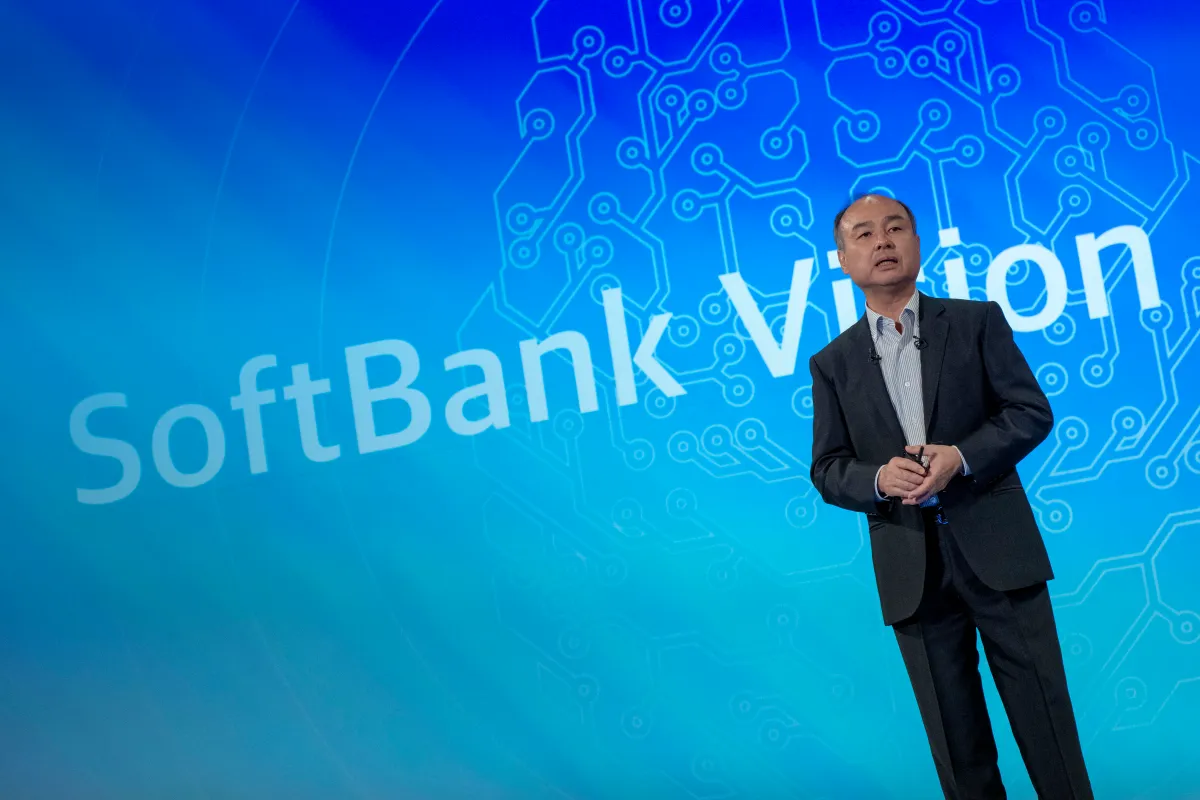
- Masayoshi Son says orbital data centers will take too long to address AI's immediate compute needs
- Critics suggest SpaceX's space data center push primarily benefits its own launch business
- The 'neo-cloud' gold rush has everyone from chipmakers to former shoe companies chasing compute leasing
Masayoshi Son, SoftBank's founder and CEO, has publicly questioned Elon Musk's vision for orbital data centers. At a recent shareholder meeting, Son argued that putting data centers in space won't meaningfully cut costs and will take too long to matter. His core point: the AI infrastructure battle will be won or lost in the next few years, not a decade from now.
The criticism comes as the tech industry scrambles to build compute capacity for AI workloads. Data centers face mounting pressure from power constraints, cooling requirements, and local opposition. Musk has floated space as a solution, free from earthbound red tape and NIMBY resistance. Son isn't buying it.
“In the battle for AI, the next few years will be far more important than what might happen a decade or so from now.”
— Masayoshi Son, Founder & CEO of SoftBank
Why is Son skeptical of orbital data centers?
Son's argument centers on timing. Even if every technical challenge gets solved, and even if the astronomical costs pencil out, space-based data centers remain years away from reality. The AI compute crunch is happening now. Companies need infrastructure this quarter, not in 2035.
TechCrunch's Kirsten Korosec noted the irony: SoftBank has a long history of wild bets. This is the company that poured billions into WeWork. If Son thinks your idea is too speculative, that means something. As Korosec put it, it's "very ironic" that he's playing skeptic here.
The criticism also reflects a broader shift. Just a few years ago, orbital data centers would have been dismissed outright. Now VCs and founders have warmed to the concept. Son's pushback represents a reality check from someone who knows both bold bets and their failure modes.
Does SpaceX benefit either way?
Sean O'Kane, on TechCrunch's Equity podcast, raised the obvious question: who actually benefits from orbital data centers? His answer: SpaceX. Building a constellation of satellites that need replacement every few years guarantees ongoing launch contracts. Musk's vision for space-based compute feeds directly into his rocket business.
SpaceX's launch dominance, commanding 80 to 90 percent of the global market, rests heavily on Starlink. An orbital data center network would extend that dependency. The company isn't just selling a solution to the industry's compute problem. It's creating demand for its own services.
Meanwhile, SpaceX continues signing deals to lease out compute capacity. The company recently closed its first post-IPO agreement to rent compute to a smaller player. Whatever happens with orbital ambitions, the terrestrial cloud business keeps growing.
The 'neo-cloud' gold rush
The broader context matters here. Compute is so constrained that almost anyone with server capacity is pivoting to cloud services. O'Kane described the trend bluntly: "Neo-clouds are the new oil."
The examples border on absurd. Groq, a chipmaker that Nvidia hollowed out competitively, just raised $650 million to lease compute. Allbirds, the shoe company, emerged from bankruptcy as a cloud provider. The pivot makes a certain desperate sense. If you have compute, someone will pay for it.
SpaceX fits this pattern. The company's long-term vision involves an AI platform with an addressable market the size of U.S. GDP. Until that materializes, renting out compute generates revenue. The strategy works in the short term. The question is durability.
What are the real obstacles to space-based compute?
Cooling actually works better in space. No atmosphere means heat dissipates more efficiently. That's one of the few advantages. The problems are everything else.
Latency is brutal. Data traveling to orbit and back adds milliseconds that matter for many AI applications. Maintenance requires launching technicians or, more realistically, launching replacement satellites. Launch costs, while falling thanks to SpaceX, still dwarf terrestrial construction.
And then there's timing. Experts typically cite seven to ten years before space-based data infrastructure reaches viability. Son's point stands: if the AI race is decided in the next few years, orbital data centers are irrelevant to the outcome.
Can terrestrial solutions scale fast enough?
The alternative to space is solving the problems on Earth. Liquid cooling advances are reducing power consumption. Edge computing distributes workloads closer to users. Nuclear energy projects promise dedicated power for data centers. None of these face the physics of orbital mechanics.
The industry's compute constraints are real. So is the pressure to find solutions. But Son's skepticism reflects a pragmatic calculation: the fastest path to more compute runs through proven technology, not speculative engineering.
Logicity's Take
Son's criticism reveals a tension in Musk's pitch. Orbital data centers solve problems that might not exist when they're ready, while creating guaranteed revenue for SpaceX today. For CTOs evaluating infrastructure options, the practical choice remains terrestrial providers. AWS, Google Cloud, and Azure are investing heavily in cooling and power solutions. CoreWeave and Lambda Labs offer GPU-focused alternatives for AI workloads. The space data center story is interesting. The spreadsheet decision is straightforward.
Frequently Asked Questions
What are orbital data centers?
Orbital data centers are proposed computing facilities placed in space, designed to avoid Earth-based constraints like power limitations, cooling challenges, and local opposition to construction.
Why does Masayoshi Son oppose space-based data centers?
Son argues the technology will take too long to develop. He believes the critical years for AI infrastructure are now, not a decade from now when orbital solutions might become viable.
How does SpaceX benefit from orbital data center plans?
SpaceX operates the rockets that would launch satellites for orbital data centers. A constellation requiring regular replacement guarantees ongoing launch contracts for the company.
What is a neo-cloud provider?
Neo-cloud refers to newer entrants in the cloud computing market, often companies pivoting from other businesses to lease out compute capacity during the current AI-driven demand surge.
When could orbital data centers become viable?
Industry experts typically estimate seven to ten years before space-based data infrastructure could reach practical viability, though significant technical and economic challenges remain.
Another bold space-adjacent infrastructure vision facing practical skepticism
Software efficiency gains that reduce the compute infrastructure pressure driving space data center interest
Need Help Implementing This?
Logicity connects technology leaders with the expertise to navigate infrastructure decisions. Whether you're evaluating cloud providers, planning data center strategy, or assessing emerging compute options, contact our advisory team for practical guidance.
Source: TechCrunch / Anthony Ha
Huma Shazia
Senior AI & Tech Writer
Produced with AI assistance and reviewed by the Logicity editorial team. Learn more in our Editorial Policy.




