Key Takeaways

- Major investors sold ₹1,800 crore worth of Delhivery stock over three months as shares recovered toward IPO levels
- Nexus Venture Partners has generated 12-14x returns on its original ₹200-250 crore investment
- SoftBank reduced its stake to 7.6% after selling 14.6 million shares since September 2024
Delhivery's marquee investors are heading for the exits. SoftBank, Nexus Venture Partners, and Alpha Wave Global have collectively sold nearly ₹1,800 crore worth of shares over the past three months as the logistics company's stock price finally approaches its May 2022 IPO level of ₹487.
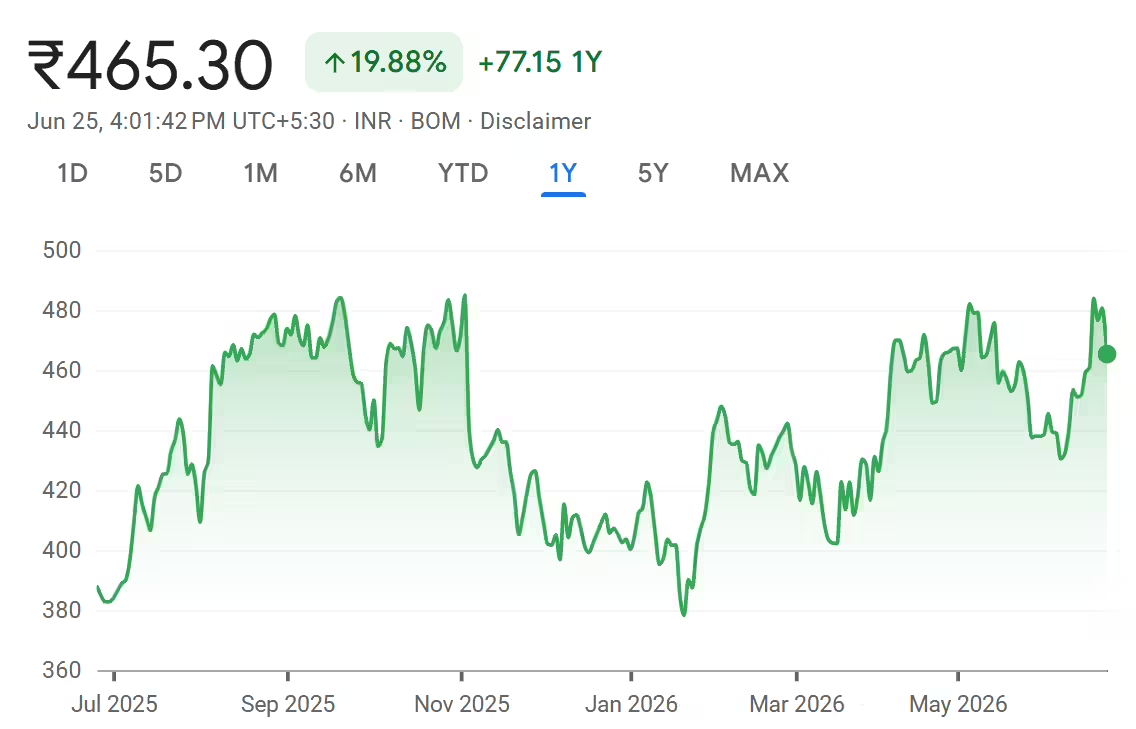
The timing is no coincidence. After three years of post-IPO struggles, Delhivery shares have climbed about 20% over the past year, giving early backers their first real opportunity to exit at prices close to what public market investors originally paid.
Who sold and how much did they pocket?
SoftBank disclosed on Thursday that it sold around 14.6 million shares, roughly a 2% stake, between September 2024 and June 2025. The Japanese investment giant's holding now sits at 7.6% as of June 22. Based on regulatory filings, SoftBank offloaded ₹180-200 crore in shares over the last three months alone.
Nexus Venture Partners has been more aggressive. The VC firm sold 4.3 million shares worth ₹208 crore on Tuesday. That marks its third stake sale in three months. In April, two Nexus entities sold shares worth ₹186 crore and ₹530 crore in separate transactions. Earlier in June, the firm offloaded another ₹460 crore across two tranches.
Alpha Wave Global, which invested in Delhivery in 2021 ahead of the IPO, made a complete exit earlier this week. The firm sold its entire 2% stake for ₹665 crore.
What returns did early investors actually make?
The numbers tell a compelling story about venture capital patience. Nexus Venture Partners, one of Delhivery's earliest institutional backers, invested a total of ₹200-250 crore according to the company's IPO prospectus. Since the listing, Nexus has now realized ₹2,300-2,400 crore in proceeds from stake sales while still holding shares worth about ₹850 crore at current prices.
That translates to an estimated 12-14x return on invested capital. For context, Nexus has also backed Zepto, Snabbit, and Rapido.
SoftBank's math looks different. The firm invested around $390 million in Delhivery and has now realized approximately $420-430 million from stake sales. It still holds shares worth another $280-290 million. If SoftBank were to sell the remaining stake at current prices, the total return would be roughly 1.8x. Respectable, but far from the home runs venture investors typically seek.
Why are investors selling now?
The answer comes down to three factors: lock-up expiries, price recovery, and portfolio management.
Delhivery went public in May 2022 at ₹487 per share. Like many new-age tech companies that listed during the late-pandemic euphoria, the stock struggled in the months that followed. Public market investors who bought at the IPO watched their holdings lose value as profitability concerns mounted and market sentiment toward unprofitable tech companies soured.
The stock closed at ₹465.20 on Thursday, down 3.2% on the day but still within striking distance of that original IPO price. For pre-IPO investors who entered at far lower valuations, this represents an acceptable exit point. For some, like Alpha Wave Global, it was enough to walk away entirely.
Lock-up periods that prevented early investors from selling immediately after the IPO have long since expired. The current selling wave reflects investors finally getting the price levels they were waiting for.
What does this mean for Delhivery's stock?
Heavy selling from major shareholders typically creates downward pressure on stock prices. The 3.2% drop on Thursday, the same day SoftBank disclosed its sales, illustrates this dynamic.
But there is a counterargument. Large block deals often get absorbed by institutional buyers who believe in the company's long-term prospects. The fact that buyers exist for ₹1,800 crore worth of shares suggests meaningful institutional interest in Delhivery at these levels.
Delhivery remains India's largest fully integrated logistics company, serving over 23,000 customers including major e-commerce platforms. The structural story around India's logistics sector and e-commerce growth has not changed, even as early investors rotate out.
How much stake do these investors still hold?
SoftBank retains 7.6% of Delhivery, worth $280-290 million at current prices. Nexus Venture Partners still holds shares worth approximately ₹850 crore. Alpha Wave Global has fully exited.
The overhang from potential future sales will likely persist until these remaining stakes are reduced. Investors watching Delhivery should expect more block deals in coming quarters, particularly if the stock maintains its current trajectory toward IPO levels.
Frequently Asked Questions
How much have Delhivery investors sold in total?
Major investors including SoftBank, Nexus Venture Partners, and Alpha Wave Global have sold nearly ₹1,800 crore worth of Delhivery shares over the past three months through block deals and open market transactions.
What is SoftBank's current stake in Delhivery?
SoftBank holds 7.6% of Delhivery as of June 22, 2025, after selling around 14.6 million shares (approximately 2% stake) since September 2024.
What returns did Nexus Venture Partners make on Delhivery?
Nexus invested ₹200-250 crore and has realized ₹2,300-2,400 crore from sales while still holding ₹850 crore in shares, generating an estimated 12-14x return on investment.
What was Delhivery's IPO price?
Delhivery went public in May 2022 at ₹487 per share. The stock currently trades around ₹465, having recovered close to IPO levels after a difficult post-listing period.
Did Alpha Wave Global fully exit Delhivery?
Yes, Alpha Wave Global sold its entire 2% stake for ₹665 crore earlier this week, completing its exit from the company it invested in ahead of the 2021 IPO.
Logicity's Take
This is textbook late-stage venture capital behavior, not a warning sign about Delhivery's business. Nexus has held Delhivery shares for over a decade. Fund lifecycles typically run 7-10 years. These firms need to return capital to their limited partners, and a stock trading near IPO price offers a clean exit. The more interesting signal is that institutional buyers absorbed ₹1,800 crore in supply without the stock collapsing. That suggests genuine public market demand exists at current valuations. Watch whether management uses this transition to broaden the shareholder base and reduce concentration risk.
Need Help Implementing This?
Whether you are tracking investor movements in Indian tech stocks or building portfolio monitoring systems, Logicity covers the developments that matter. Subscribe to our newsletter for daily updates on startup funding, investor exits, and market moves across India's technology sector.
Source: Tech-Economic Times / ET
Huma Shazia
Senior AI & Tech Writer
Produced with AI assistance and reviewed by the Logicity editorial team. Learn more in our Editorial Policy.




