Key Takeaways
- SK Hynix's iHBM integrates silicon-based cooling elements directly into the HBM die-to-die interface
- The technology reduces thermal resistance by over 30%, preventing throttling under heavy AI workloads
- iHBM will debut in HBM5 products aimed at AI data centers and high-performance computing
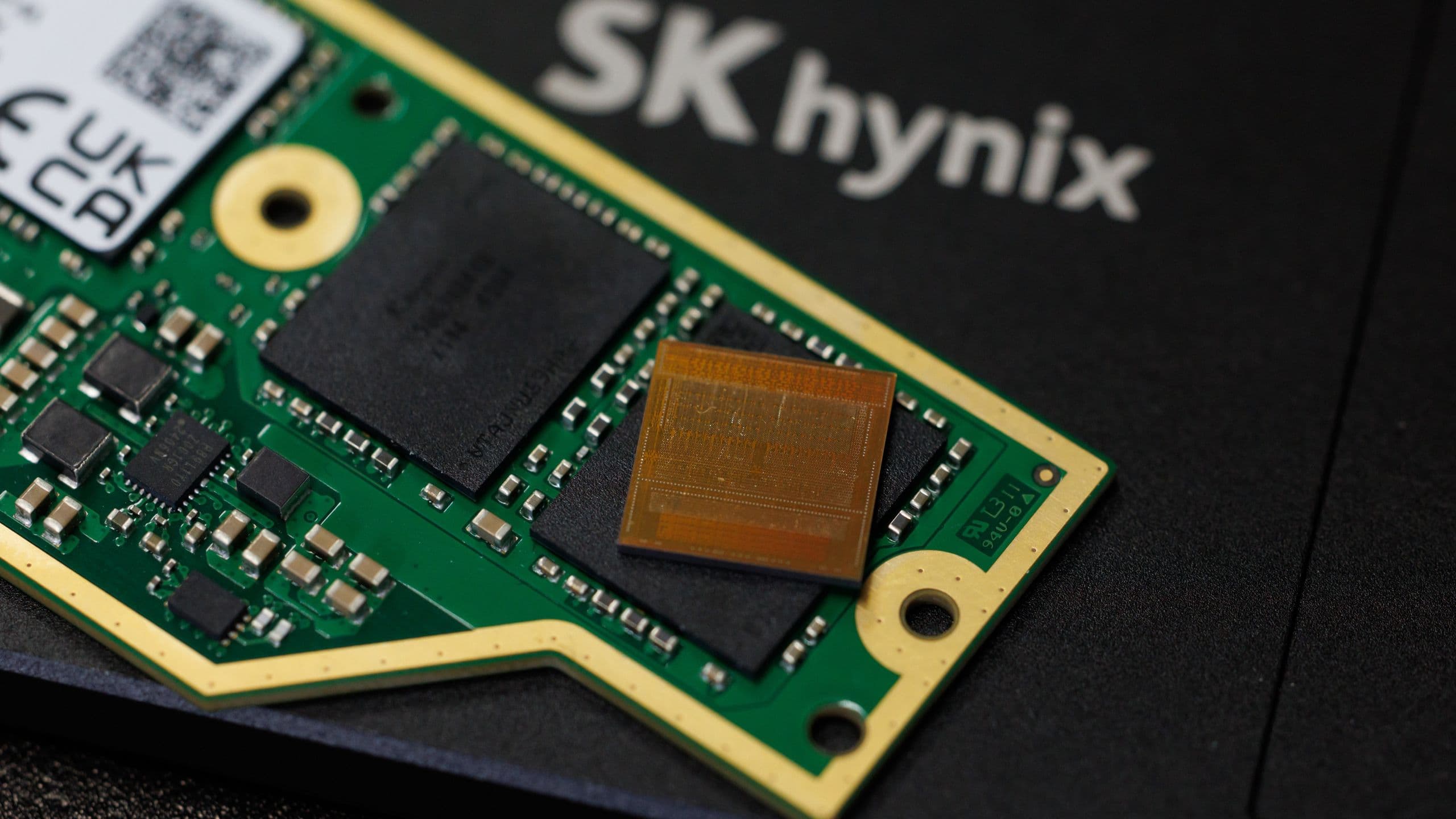
SK Hynix announced iHBM on May 26, a thermal packaging solution that embeds cooling elements directly inside High Bandwidth Memory packages. The company claims the technology reduces thermal resistance by over 30%, addressing one of the biggest obstacles facing AI accelerator performance.
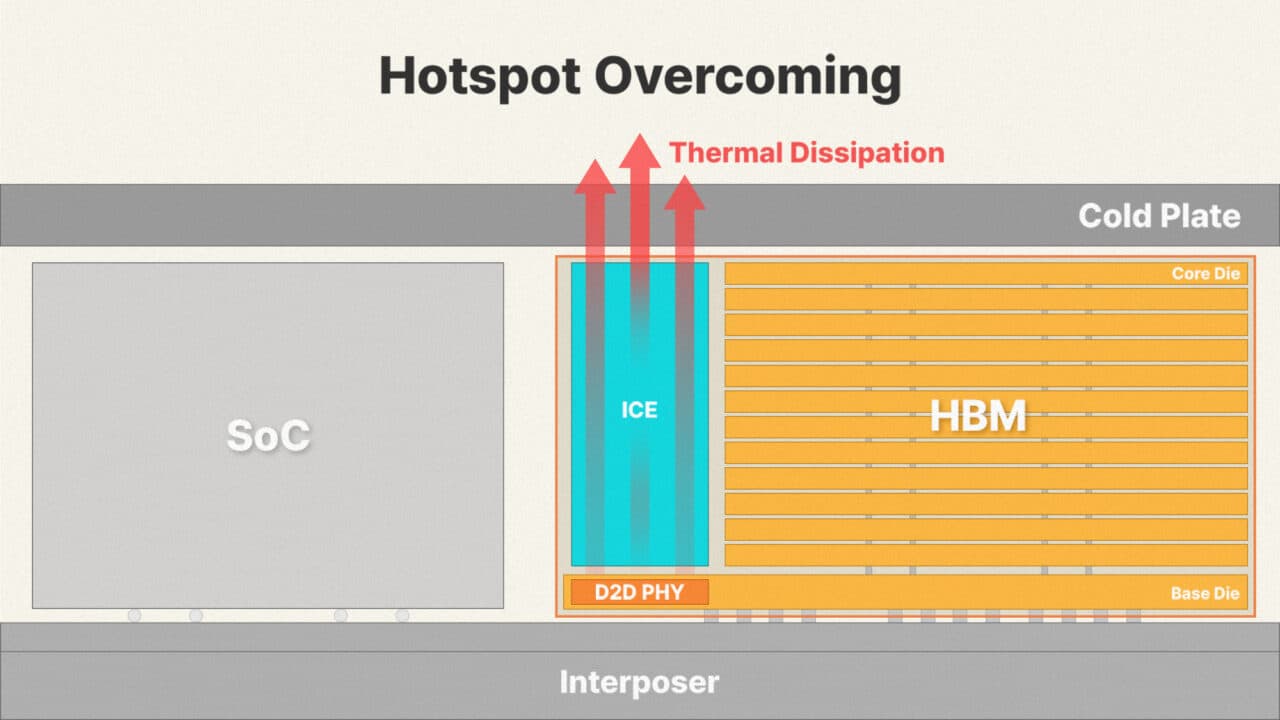
The approach targets the Die-to-Die Physical Layer (D2D PHY), the high-speed connection interface between the HBM base die and the AI processor. This interface is prone to severe temperature spikes during heavy data traffic. By placing non-conductive, silicon-based Integrated Cooling Elements (ICEs) at this hotspot, SK Hynix aims to prevent the thermal throttling that cripples AI systems under load.
Why HBM Heat Is a Problem
High Bandwidth Memory achieves its speed by stacking multiple DRAM dies vertically. This shortens data travel distance and improves power efficiency, but it creates a dense thermal mass. HBM sits extremely close to GPUs and AI accelerators on the same package, connected through a silicon interposer. The proximity minimizes latency but concentrates heat in a small area.
Traditional cooling solutions work from outside the package. iHBM moves the thermal management inside. As one industry analyst put it: "By integrating cooling elements directly into the HBM interface, we are essentially moving the radiator into the engine block of the AI accelerator."
HBM5 and Beyond
SK Hynix plans to apply iHBM starting with HBM5, its next-generation memory product. The company believes the technology will enable higher stack heights and sustained maximum transfer speeds under heavy computational loads.
“iHBM is the optimal solution for minimizing heat generation developed by combining memory design capabilities and advanced packaging technology. We will proactively provide the value customers need in the AI environment and further solidify our leadership in AI memory.”
— Lee Kang-wook, Vice President, SK Hynix
The target markets include high-performance computing, AI data centers, and other environments requiring ultra-high density and bandwidth. These applications push memory systems to their thermal limits, making heat management a primary design constraint rather than an afterthought.
Industry Context
The HBM market is projected to exceed $80 billion by 2027, driven by AI training and inference workloads. As models grow larger and data centers pack more accelerators into racks, thermal management becomes critical to maintaining performance.
Discussion in hardware communities has focused on what this shift means for the industry. The consensus: thermal packaging is becoming a primary design constraint. iHBM moves thermal management responsibility from system integrators to the chipmaker, potentially simplifying data center cooling requirements.
What This Means for HBM Scaling
Current HBM generations already push thermal limits. HBM3E stacks 12 dies. Future generations will likely add more. Each additional layer increases bandwidth but also heat density. Without better thermal solutions, performance gains from stacking hit a ceiling.
SK Hynix's approach tackles this directly. By structurally preventing throttling at the source, the company claims iHBM will allow next-generation memory to scale further without sacrificing sustained performance.
Logicity's Take
Frequently Asked Questions
What is SK Hynix iHBM?
iHBM is a thermal management technology that integrates silicon-based cooling elements directly into HBM packages to reduce heat at the die-to-die interface.
How much does iHBM reduce thermal resistance?
SK Hynix claims iHBM reduces thermal resistance by over 30%, preventing performance throttling during heavy AI workloads.
When will iHBM be available?
SK Hynix plans to apply iHBM technology starting with HBM5, its next-generation high-bandwidth memory product.
Why is HBM heat management important for AI?
HBM stacks multiple memory dies close to AI processors, creating concentrated heat that causes thermal throttling and performance degradation during heavy computational loads.
Display and semiconductor trends shaping hardware markets
Need Help Implementing This?
Source: Latest from Tom's Hardware
Manaal Khan
Tech & Innovation Writer
Produced with AI assistance and reviewed by the Logicity editorial team. Learn more in our Editorial Policy.