Key Takeaways
Tourism Boom: Why Millions Are Flocking To Morocco And Saudi Arabia | WION
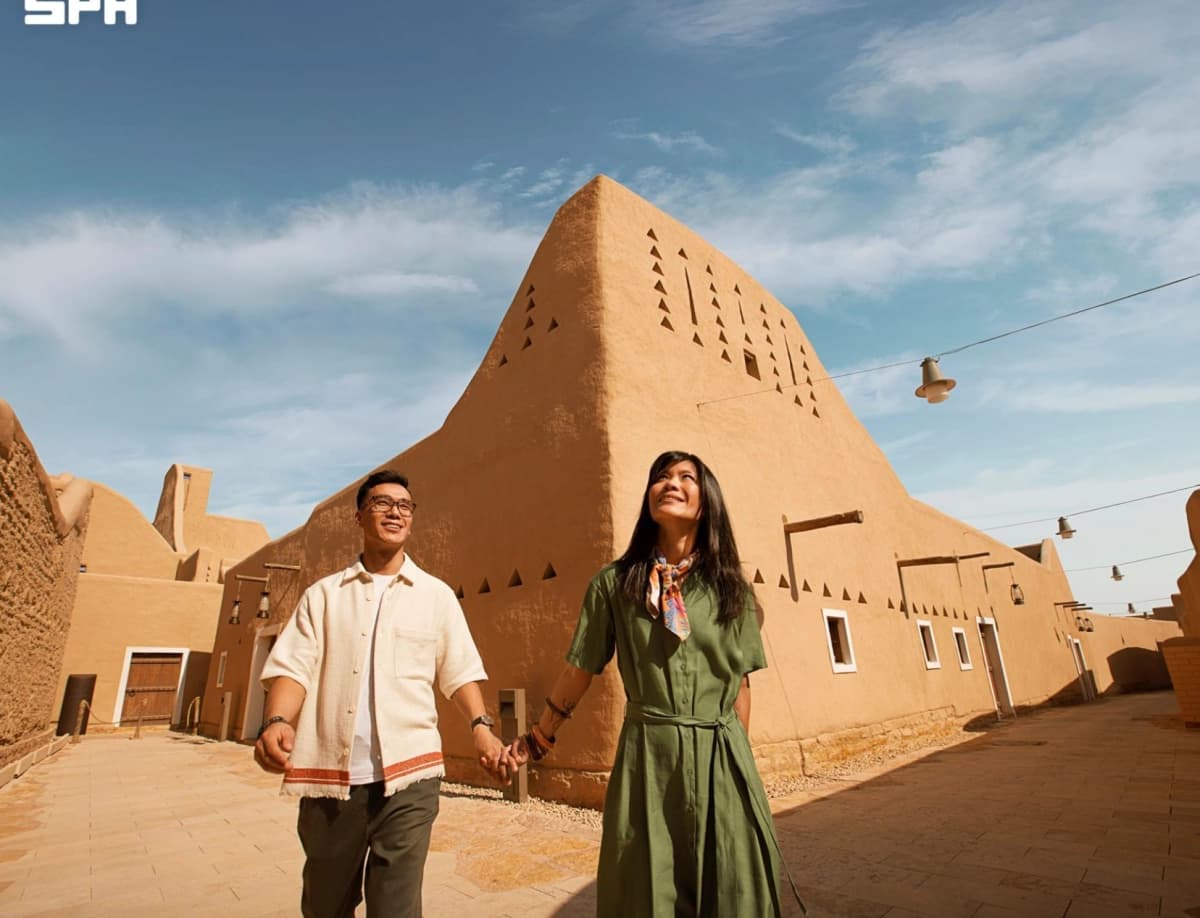
- Saudi Arabia ranked first globally for international tourism revenue growth in Q1 2025
- International tourist arrivals surged 102%, far exceeding the global average of 3%
- The Quality of Life Program contributed SR78 billion to GDP and created 387,000 jobs
Saudi Arabia claimed the top global spot for growth in international tourism receipts during Q1 2025, according to the Kingdom's Quality of Life Program annual report released this week. The program, a cornerstone of Saudi Vision 2030, added SR78 billion (roughly $20.8 billion) to GDP while creating 387,000 jobs across tourism, entertainment, sports, and cultural sectors.
The numbers are striking. International tourist arrivals jumped 102% year-over-year, dwarfing the global growth rate of 3% and the Middle East regional average of 44%. That performance placed Saudi Arabia third globally and second regionally for growth in international tourist arrivals. During summer 2024, the Kingdom welcomed over 32 million domestic and international visitors, a 26% increase from the previous season, with tourism spending reaching SR53.2 billion ($14.2 billion).
What drove the tourism surge?
The report credits a combination of infrastructure investment, entertainment expansion, and strategic positioning. The entertainment sector now operates 954 licensed venues, hosting 40 unique events during the reporting period. Non-government investment from the program totaled SR21.8 billion, while local content ratio hit 44%, surpassing the 37% target.
Cultural initiatives played a role too. The Prince Mohammed bin Salman Global Center for Arabic Calligraphy opened in Madinah, and the Red Sea Museum launched in Historic Jeddah. Cultural event days reached 6,314, more than double the 2025 target of 3,010. Visitable national heritage sites now number 232.
The Foras platform connected 49 government entities with the private sector, offering over 19,000 investment opportunities and generating contract returns exceeding SR9 billion. This public-private coordination reflects a deliberate strategy to attract capital beyond oil revenues.
Urban development and quality of life metrics
The report introduced the Global Quality of Life Index, which has attracted participation from over 90 cities across 35 countries. The United Nations Human Settlements Programme (UN-Habitat) incorporated the index into its strategic plan, a notable external validation.
Citizen satisfaction with municipal services reached 85%, beating the 74% target. The Saudi Architecture Map, launched by Crown Prince Mohammed bin Salman, introduced 19 architectural styles drawn from the Kingdom's geographical and cultural heritage. These initiatives aim to reshape how residents and visitors experience Saudi cities.
Physical activity engagement among adults hit 59.1%, with over 230,000 participants benefiting from the Sports for All platform. The platform now includes more than 9,000 sports groups. More than 42,000 people completed training and development programs across 10 cities, while 33 startups were incubated and 110 businesses received support through financing programs.
Security infrastructure expansion
The report highlighted the inauguration of the Unified Security Operations Center (911) in Madinah, the Kingdom's fourth such facility. The center integrates 28 operations rooms into a unified system serving security, government, and public service agencies. For a country scaling tourism at this pace, integrated security operations become essential infrastructure.
How does this compare to regional competitors?
The 102% growth in international arrivals stands out against the Middle East average of 44%. Dubai and Abu Dhabi have long dominated Gulf tourism, but Saudi Arabia is positioning itself as a direct competitor with massive capital expenditure on hospitality, entertainment, and heritage sites. The Kingdom's size and diversity of landscapes, from Red Sea coastline to historical sites like AlUla, offer differentiation.
The Vision 2030 target of 100 million annual visits by 2030 once seemed ambitious. With current growth rates, it looks increasingly plausible, though sustaining triple-digit percentage growth becomes mathematically harder as the base expands.
For context on how major financial players are reshaping payment infrastructure in emerging markets
What the numbers mean for technology investment
Tourism at this scale requires significant technology infrastructure. Booking platforms, payment systems, visitor management, security integration, and smart city services all demand tech investment. The 19,000 investment opportunities on the Foras platform suggest a market actively seeking tech partners.
The integration of 28 operations rooms into a unified 911 system points to demand for enterprise software, IoT deployments, and AI-driven operations management. Companies building in travel tech, hospitality management, or smart city infrastructure should watch Saudi Arabia's procurement patterns.
Logicity's Take
For AI builders and product teams, Saudi Arabia's tourism numbers signal a market with capital and urgency. The Kingdom is spending aggressively on visitor experience, which means demand for recommendation engines, dynamic pricing systems, multilingual chatbots, and crowd management AI. The 32 million visitors in a single summer season need digital services at scale. Teams building hospitality AI, travel booking infrastructure, or smart city solutions should track Saudi procurement. The Foras platform's 19,000 listed investment opportunities suggests the government is actively seeking partners. Competition will come from established players like Amadeus and Sabre, but the market's growth rate creates room for specialized entrants.
Key metrics from the Quality of Life Report
| Metric | Result | Target/Comparison |
|---|---|---|
| GDP contribution | SR78 billion | N/A |
| Jobs created | 387,000 | N/A |
| Non-government investment | SR21.8 billion | N/A |
| Local content ratio | 44% | 37% target (exceeded) |
| International arrivals growth | 102% | Global avg 3%, ME avg 44% |
| Summer visitors | 32 million+ | 26% increase YoY |
| Tourism spending | SR53.2 billion | 15% increase YoY |
| Cultural event days | 6,314 | 3,010 target (2x exceeded) |
| Citizen satisfaction (municipal) | 85% | 74% target (exceeded) |
| Adult physical activity rate | 59.1% | N/A |
Relevant for teams building AI infrastructure for hospitality and tourism applications
Frequently Asked Questions
What is Saudi Arabia's Quality of Life Program?
The Quality of Life Program is one of the flagship initiatives under Saudi Vision 2030. It focuses on improving urban development, tourism, entertainment, sports, and cultural services across the Kingdom, with a goal of enhancing livability for residents and attractiveness for visitors.
How much did Saudi Arabia's international tourist arrivals grow in 2025?
International tourist arrivals to Saudi Arabia grew by 102% year-over-year, placing the Kingdom third globally for growth in international tourist arrivals and significantly outpacing the global average of 3% and the Middle East average of 44%.
What is the Foras platform in Saudi Arabia?
Foras is a government platform that connects 49 government entities with the private sector by listing investment opportunities. It has offered more than 19,000 investment opportunities, generating contract returns exceeding SR9 billion.
How many jobs did Saudi Arabia's Quality of Life Program create?
The Quality of Life Program created 387,000 jobs across sectors including tourism, entertainment, sports, and cultural services as of its 2025 annual report.
What is Saudi Arabia's 2030 tourism target?
Saudi Vision 2030 aims to attract 100 million annual visits to the Kingdom by 2030, positioning Saudi Arabia as a major global tourism destination beyond its traditional religious tourism base.
Need Help Implementing This?
Building AI solutions for travel, hospitality, or smart city applications? Logicity tracks emerging markets and infrastructure opportunities. Subscribe for analysis on where technology investment is heading.
Source: https://saudigazette.com.sa / Saudi Gazette
Manaal Khan
Tech & Innovation Writer
Produced with AI assistance and reviewed by the Logicity editorial team. Learn more in our Editorial Policy.