Key Takeaways
- Saudi Arabia's 911 centers processed 2,631,374 emergency calls in June 2026 across four regions
- Riyadh led with 1.1 million calls (42.3%), followed by Makkah with 790,294 during peak pilgrimage season
- The unified system routes calls to security and service agencies using automated systems and multilingual staff
Saudi Arabia's National Security Operations Center processed 2,631,374 emergency calls through the unified 911 number in June 2026. The figure, released this week, covers the four regions where the system currently operates: Riyadh, Makkah, Madinah, and the Eastern Province.
That works out to roughly 87,700 calls per day. Riyadh handled the lion's share with 1,112,499 calls, representing 42.3% of the national total. Makkah followed at 790,294, a number likely inflated by the annual surge of religious pilgrims during the Hajj and Umrah seasons.
How does Saudi Arabia's 911 system work?
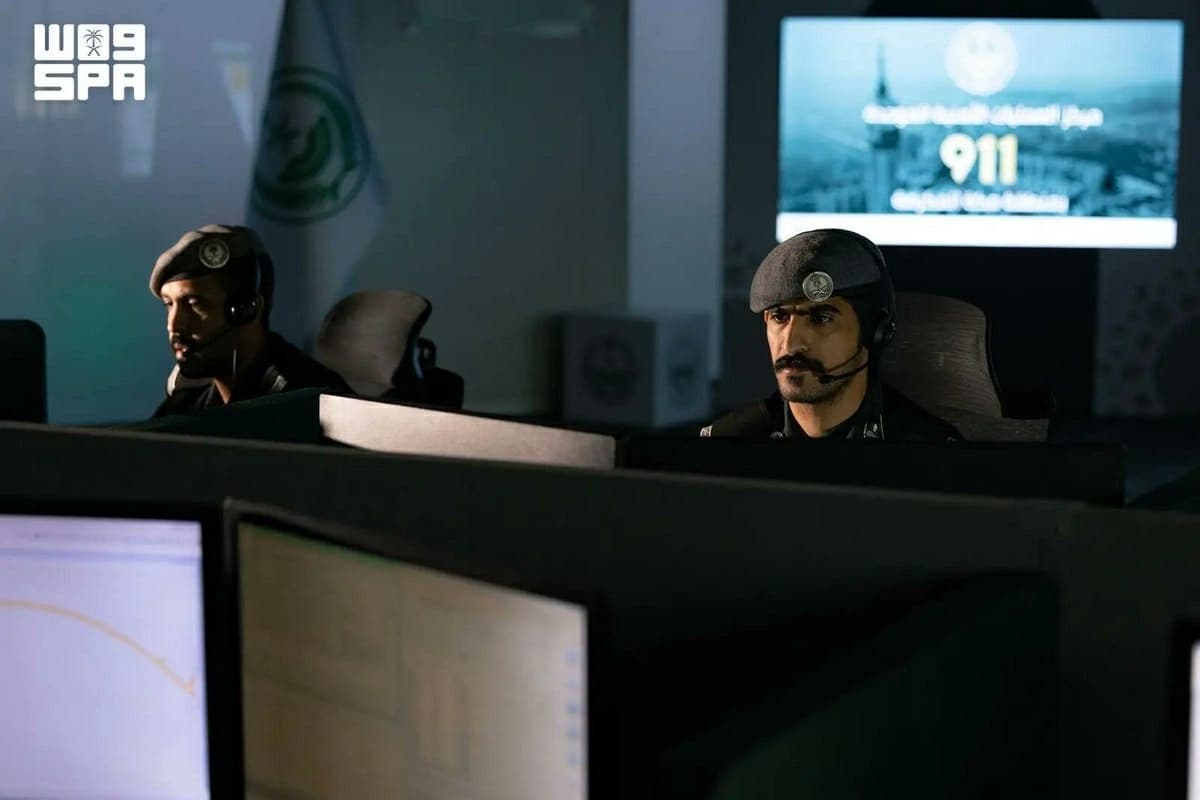
The unified 911 system consolidates what were once separate emergency numbers for police, ambulance, fire, and traffic services. When a caller dials 911, the call reaches one of the regional operations centers staffed 24/7 by multilingual personnel. Automated routing then directs the request to the appropriate agency.
This approach isn't unique to Saudi Arabia. The U.S., Canada, and most European countries have operated unified emergency numbers for decades. But the Kingdom's implementation stands out for its scale and the linguistic complexity involved. Saudi Arabia hosts millions of expatriate workers from South Asia, Southeast Asia, and Africa, plus seasonal influxes of pilgrims from nearly every country on Earth.
The Eastern Province logged 501,635 calls in June, while Madinah recorded the lowest volume at 226,946. Population density explains much of the variation. Riyadh alone has over 7 million residents. The Eastern Province, home to the oil industry hub of Dammam, comes second in both population and call volume.
Why the Makkah numbers matter
June 2026 fell during peak pilgrimage season. Millions of Muslims travel to Makkah and Madinah each year, and the Saudi government has invested heavily in infrastructure to manage crowds that can exceed two million people in a single week.
Emergency services face particular challenges during Hajj. Heat-related illnesses, crowd management incidents, and the sheer logistics of coordinating medical and security responses across a concentrated area all drive call volumes higher. The 790,294 figure for Makkah likely reflects this seasonal pressure.
Saudi authorities have not released comparative data from previous months or years in this announcement, so it's difficult to assess whether June 2026 represents an increase or decrease from historical norms.
The Vision 2030 connection
The unified 911 system forms part of Saudi Arabia's broader Vision 2030 modernization program. The initiative aims to diversify the economy away from oil while upgrading public services and infrastructure. Emergency response consolidation fits the pattern of centralizing government functions and applying technology to improve efficiency.
The operations centers reportedly use AI-powered call routing to match incoming requests with available responders. Details on the specific technology stack remain scarce. Saudi government procurement tends to favor partnerships with major enterprise vendors, though the Kingdom has also invested in domestic tech capabilities.
For context, similar emergency dispatch modernization projects in the U.S. have involved platforms from companies like Motorola Solutions, Hexagon Safety & Infrastructure, and Tyler Technologies. European systems often use locally developed solutions or contracts with firms like Frequentis.
What the numbers don't tell us
Raw call volume says little about response quality. The government release did not include data on average response times, call abandonment rates, or outcomes. These metrics matter far more than total calls when evaluating emergency service performance.
The absence of year-over-year comparisons also limits interpretation. Is 2.6 million calls in one month typical? Rising? Falling? Without historical context, the figure serves more as a status report than a performance indicator.
Saudi Arabia currently operates the unified 911 system in only four regions. The country has 13 administrative regions total. Expansion plans, if they exist, have not been detailed in this release.
Logicity's Take
Emergency dispatch systems represent one of the cleaner use cases for AI and automation in government services. The routing problem is well-defined: match an incoming call's location, language, and nature to the right responder. Saudi Arabia's multilingual requirements make this more complex than most deployments. For tech vendors watching Gulf markets, the 911 modernization signals continued appetite for enterprise-scale public safety tech. But the lack of outcome metrics in government reporting remains a gap. Call volume is vanity; response time and resolution are the numbers that matter.
Frequently Asked Questions
What regions does Saudi Arabia's 911 system cover?
The unified 911 system currently operates in four regions: Riyadh, Makkah, Madinah, and the Eastern Province. Saudi Arabia has 13 administrative regions total.
How many emergency calls does Saudi 911 handle daily?
Based on June 2026 data, the system handles approximately 87,700 calls per day across all four covered regions.
What services does Saudi 911 connect callers to?
The unified number routes calls to police, ambulance, fire, traffic, and other security and service agencies through automated systems operated by multilingual staff.
Why does Makkah have high emergency call volumes?
Makkah hosts millions of religious pilgrims annually during Hajj and Umrah seasons, driving higher demand for emergency services due to crowd density and heat-related incidents.
Need Help Implementing This?
Building or modernizing emergency dispatch systems requires expertise in real-time routing, multilingual support, and high-availability infrastructure. Contact Logicity for guidance on enterprise communication platforms and public safety technology partnerships.
Source: https://saudigazette.com.sa / Saudi Gazette
Manaal Khan
Tech & Innovation Writer
Produced with AI assistance and reviewed by the Logicity editorial team. Learn more in our Editorial Policy.