Key Takeaways
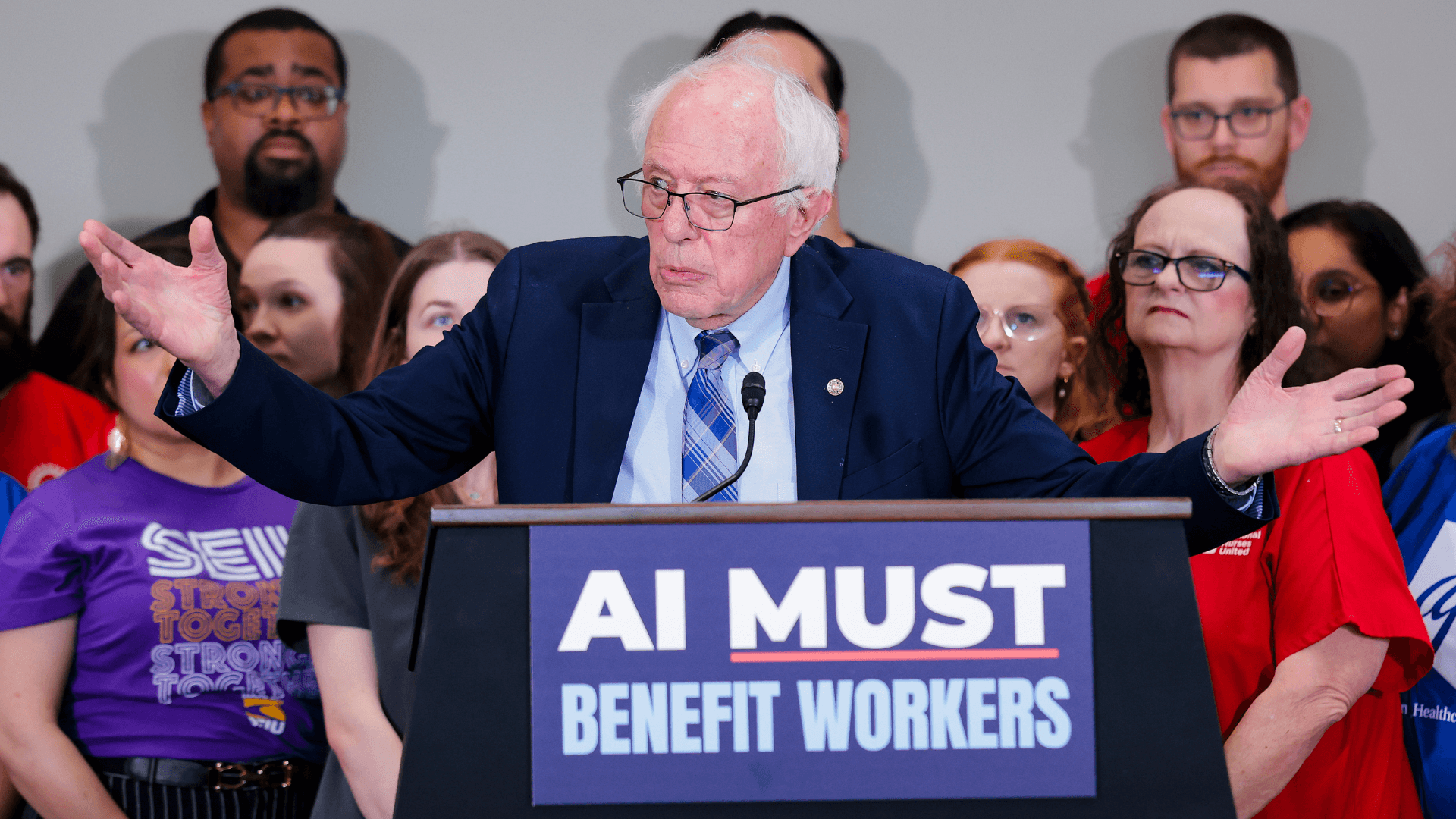
- Sanders' bill would create an Independent Commission controlling 50% voting shares in major US AI firms
- The proposal includes $1,000 annual dividends for every American from a fund valued at an estimated $7 trillion
- VP Vance says Trump supports giving Americans an AI stake but prefers 'pre-distribution' over cash payouts
Senator Bernie Sanders introduced the American AI Sovereign Wealth Fund Act to the U.S. Senate, a bill that would give the public 50% ownership of major AI companies and pay every American a $1,000 annual dividend. The Vermont independent's office estimates the fund would be worth $7 trillion at current valuations. In a surprising twist, Vice President JD Vance says President Trump supports the core idea of public ownership, though not Sanders' cash distribution model.
The bill would create a new body called the Independent Commission for Democratic AI, made up of seven bipartisan members nominated by the President and confirmed by the Senate. This commission would control half the voting shares in American AI companies, giving it power to block decisions deemed harmful to the public and push for policies that benefit ordinary citizens.
How would Sanders' AI ownership plan work?
Sanders' proposal draws on the sovereign wealth fund model used by Norway, which has accumulated over $1.7 trillion from oil revenues for its citizens. The American version would capture value from AI companies rather than natural resources.
The senator's office projects that a 5% annual dividend from the $7 trillion fund would deliver $1,000 to every person in the United States. Beyond direct payments, Sanders envisions the fund supporting healthcare, education, housing, and environmental programs.
"We must ensure that the extraordinary wealth being generated by artificial intelligence is owned by all of the American people, not just a handful of billionaires," Sanders said when introducing the bill. He added: "At a time when the CEOs of the largest AI companies have said that AI will lead to mass unemployment, we must make certain that AI benefits all Americans."
Sanders has been consistently skeptical of AI development. Late last year, he called for a complete halt on all data center construction in the U.S. to ensure the technology benefits everyone, not just the wealthy. That proposal went nowhere. This bill represents a different approach: instead of stopping AI, redirect its profits to the public.
Why does the Trump administration agree on ownership but not dividends?
In an interview on The Diary of a CEO podcast, VP Vance explained the administration's thinking by looking backward. He compared the current AI moment to the Industrial Revolution, arguing that the main problem wasn't mass unemployment but extreme wealth concentration.
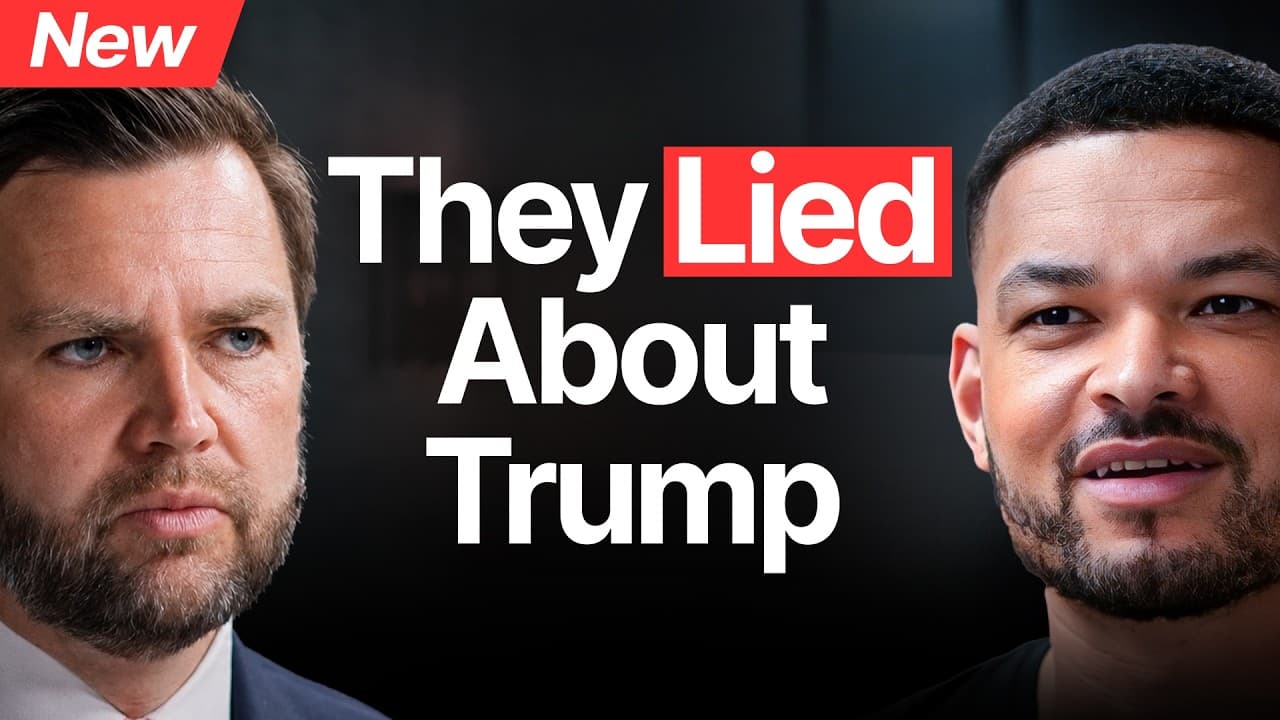
"You go back to the industrial revolution. Was mass joblessness the main consequence of the shift from an agricultural to an industrial economy?" Vance asked host Steven Bartlett. "No. But what did happen? Rich people got way richer. And that led to, in Europe, fascism and communism."
Vance noted that the U.S. and Britain were "pretty much the only two countries that successfully avoided either a fascist or communist revolution in response to the industrial revolution." He wants to avoid repeating Europe's mistakes this time around.
"The average American, the average Brit, the average Western society member has stagnated and people really hate relative poverty," Vance said. "You can give people iPhones, and you can give people the creature comforts of a 21st-century economy, but you make rich people way richer, you are going to have significant problems."
Pre-distribution versus redistribution: What's the difference?
Here's where Sanders and the Trump administration diverge. Sanders wants to redistribute AI wealth through direct cash payments. Vance argues this approach backfires.
"With redistribution, you turn the poor people into effectively subservients of the rich people," Vance said, adding that it "never provided a stable society." His alternative: "pre-distribution," which means giving ordinary people "a seat at the bargaining table" before wealth gets concentrated.
Vance likened this to collective bargaining. One worker cannot negotiate better wages alone, but workers organized together have power. The administration wants to apply this principle to AI governance, not just economics. Vance suggested public ownership could help shape the culture forming around AI, though he didn't specify how.
"The President supports giving the American people a stake in AI companies. We prefer pre-distribution, ownership, over redistribution after the fact," Vance summarized.
What are the bill's chances of passing?
The bill has just been filed and faces a long road. It will go through committee review, debates, and likely significant revisions before any floor vote. Bipartisan support from figures as ideologically different as Sanders and Trump could help, but agreement on principles doesn't mean agreement on details.
The $1,000 dividend provision will draw opposition from Republicans who reject direct cash transfers. The 50% ownership stake will alarm tech companies and investors who see it as government overreach. Even Democrats may split on whether the government should control half the voting shares in private companies.
Senator Ben Ray Luján has co-sponsored the legislation, giving it at least one other vocal supporter in the Senate. But converting unusual ideological agreement into actual law requires bridging the gap between "pre-distribution" and cash dividends, a gap that reflects deeper disagreements about government's role in the economy.
Frequently Asked Questions
How much would Americans receive from the AI sovereign wealth fund?
Sanders' office estimates $1,000 per year for every American, based on a 5% dividend from a fund valued at approximately $7 trillion.
Which AI companies would fall under the public ownership proposal?
The bill would apply to major American AI tech companies, though specific companies and market cap thresholds for inclusion have not been detailed in the initial filing.
Does Donald Trump support Bernie Sanders' AI bill?
VP Vance says Trump supports giving Americans a stake in AI companies but prefers 'pre-distribution' (ownership and bargaining power) over Sanders' cash dividend model.
What is the Independent Commission for Democratic AI?
A proposed seven-member bipartisan body nominated by the President and confirmed by the Senate that would control 50% of voting shares in AI companies and block decisions harmful to the public.
When could the AI sovereign wealth fund become law?
The bill was just introduced and must go through committee debates, revisions, and votes in both chambers. No timeline has been set, and significant changes are expected before any potential passage.
Logicity's Take
The real story here isn't Sanders' bill. It's that Vance articulated a Trump administration position on AI wealth that sounds more like Elizabeth Warren than Milton Friedman. "Pre-distribution" is academic jargon from the progressive left, and Vance's historical argument about the Industrial Revolution causing fascism in Europe is a standard left-wing critique of capitalism. Whether this signals genuine policy direction or just podcast musings remains unclear, but tech executives should pay attention.
Need Help Implementing This?
If your organization is navigating AI policy, governance, or regulatory compliance, Logicity can connect you with experts tracking these developments. Contact us to stay ahead of shifting AI legislation.
Source: Latest from Tom's Hardware
Manaal Khan
Tech & Innovation Writer
Produced with AI assistance and reviewed by the Logicity editorial team. Learn more in our Editorial Policy.