Key Takeaways
- Samsung will supply health data from Galaxy Watches to Alcedis for clinical research use
- The partnership will collect bioelectrical impedance, electrodermal activity, sleep apnea, and AFib data
- Wearables offer a cost-effective way to gather continuous real-world health data for pharmaceutical trials
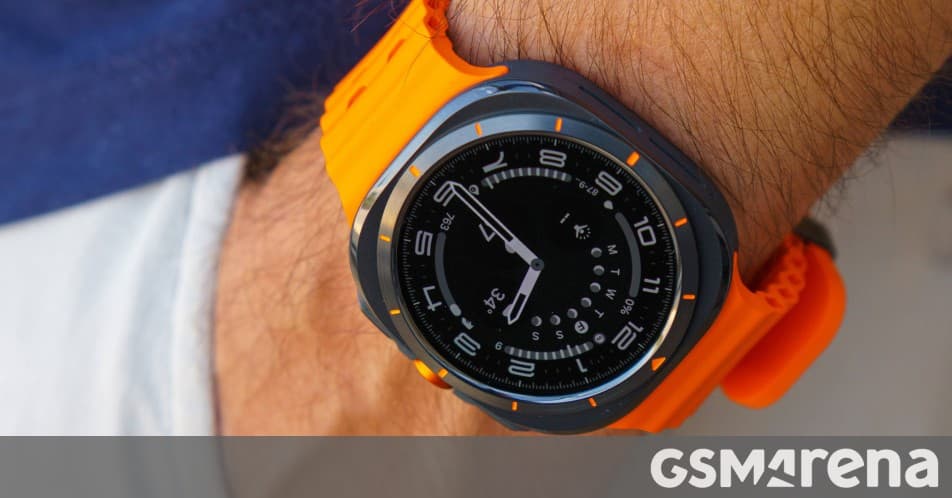
Samsung is partnering with clinical research firm Alcedis to channel health data from its wearable devices into pharmaceutical and clinical trials. The deal positions Samsung's Galaxy Watch lineup as a data source for formal medical research, not just consumer health tracking.
Alcedis, a Germany-based clinical research organization founded in 1998, specializes in oncology trials and decentralized clinical trials. Under the partnership, Alcedis will collect, analyze, and translate biometric data from Samsung wearables into evidence usable in drug development and other clinical studies.
What health data will Samsung provide?
The two companies will focus on clinically validated measurements. Samsung wearables can capture bioelectrical impedance analysis (BIA), which measures body composition including muscle mass and body fat percentage. They also track electrodermal activity (EDA), a measure of sweat gland activity used to assess stress responses.
Beyond those metrics, Samsung devices detect obstructive sleep apnea (OSA) and atrial fibrillation (AFib). Sleep apnea detection became available on certain Galaxy Watch models after receiving FDA clearance in 2024. AFib detection has been available since the Galaxy Watch 3.
These aren't vanity metrics. Sleep apnea affects an estimated 936 million people globally, and AFib increases stroke risk fivefold. Capturing this data passively, 24/7, from people going about their normal lives gives researchers something lab visits cannot: continuous, real-world measurements.
Why clinical research needs wearables
Traditional clinical trials rely on periodic site visits. Patients come to a clinic, get measured, and go home. Researchers see snapshots. They miss what happens between visits. Patient dropout rates in clinical trials run between 70% and 80%, partly because the burden of repeated clinic visits pushes people out.
Wearables flip this model. Patients wear a watch they already own. Data flows continuously. No travel, no appointments. The cost difference is stark: traditional clinical site monitoring runs roughly $1,345 per patient per day. Remote monitoring through wearables slashes that figure.
The challenge is that consumer wearable data isn't automatically useful for clinical purposes. Heart rate data from a fitness tracker might be accurate enough for a morning jog, but pharmaceutical regulators need clinical-grade validation. This is where Alcedis comes in. They specialize in turning raw biometric data into evidence that meets regulatory standards.
Samsung's clinical ambitions
Samsung has been building toward this for years. Its BioActive Sensor, introduced in the Galaxy Watch 4, combines optical heart rate sensing with electrical heart signal measurement and bioelectrical impedance analysis in a single chip. The hardware was always capable of clinical-grade measurement. What Samsung lacked was a pathway into formal clinical research.
The Alcedis partnership provides that pathway. Samsung gets validation for its sensors beyond consumer fitness. Alcedis gets access to a massive installed base of wearable devices. The global clinical trials market is projected to reach $186.7 billion by 2030. Both companies want a piece of that.
For Samsung, there's also competitive pressure. Apple has been running health studies through its Research app since 2019, partnering with institutions like Harvard and the American Heart Association. Google acquired Fitbit partly for its health data capabilities. Samsung needed a research play.
Privacy and consent questions
The announcement raises obvious questions about data privacy. Neither company has detailed how user consent will work or whether Galaxy Watch owners can opt in or out of having their data used for clinical research. Samsung's existing privacy policy allows anonymized data sharing for research purposes, but clinical trials typically require more specific consent.
Alcedis operates under European GDPR regulations, which impose strict requirements on health data processing. Any data flowing from Samsung watches to clinical trials will need compliant consent mechanisms. How that integrates with Samsung's consumer-facing apps remains unclear.
Logicity's Take
This partnership signals a broader shift: consumer wearables are becoming clinical instruments. Samsung is betting that the next competitive moat in smartwatches isn't step counting or notification mirroring. It's becoming a legitimate data source for drug development. Watch for Apple and Google to announce similar clinical research partnerships within the next 12 months.
What this means for Galaxy Watch owners
For existing Galaxy Watch users, nothing changes immediately. The partnership doesn't affect daily device functionality. However, future software updates may introduce research study opt-ins, similar to Apple's Research app.
If you're comfortable contributing anonymized health data to medical research, this could give your daily step counts and heart rate readings a purpose beyond personal fitness tracking. If you're privacy-conscious, watch for updates to Samsung's consent flows.
Frequently Asked Questions
Which Samsung devices will share data with Alcedis?
The announcement doesn't specify models, but devices with BioActive Sensor technology, including Galaxy Watch 4 and later models, have the required BIA and EDA sensors.
Will Samsung sell my health data?
The partnership is for clinical research, not commercial data sales. However, specifics about consent and data handling haven't been disclosed.
What is bioelectrical impedance analysis?
BIA measures body composition by sending a small electrical current through the body. It estimates muscle mass, body fat percentage, and water content.
Can Galaxy Watch detect sleep apnea?
Yes. Select Galaxy Watch models received FDA clearance for sleep apnea detection in 2024, using blood oxygen and movement data during sleep.
When will this partnership take effect?
The companies haven't announced a timeline. Clinical research integrations typically take months to implement due to regulatory requirements.
Need Help Implementing This?
If your organization is exploring wearable data integration for clinical research or enterprise health programs, contact Logicity's advisory team for guidance on vendor selection, privacy compliance, and implementation strategy.
Source: GSMArena.com / Ro
Huma Shazia
Senior AI & Tech Writer
Produced with AI assistance and reviewed by the Logicity editorial team. Learn more in our Editorial Policy.