Key Takeaways
- Samsung is testing One UI 9 (Android 17) for the Galaxy A16 5G, with firmware spotted on European servers
- The budget phone won't receive the stable update until Q4 2026, after flagships and foldables get it first
- This early testing reflects Samsung's six-year OS update commitment for the A16 5G, extending support to 2030
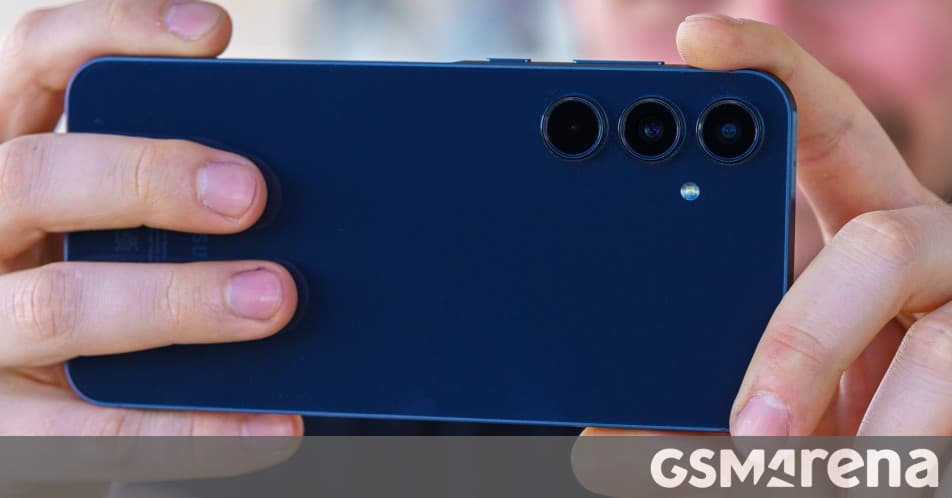
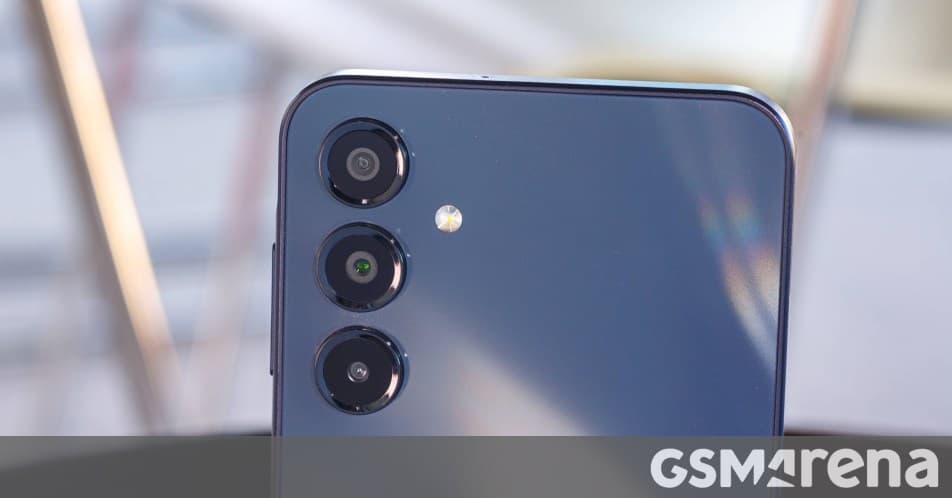
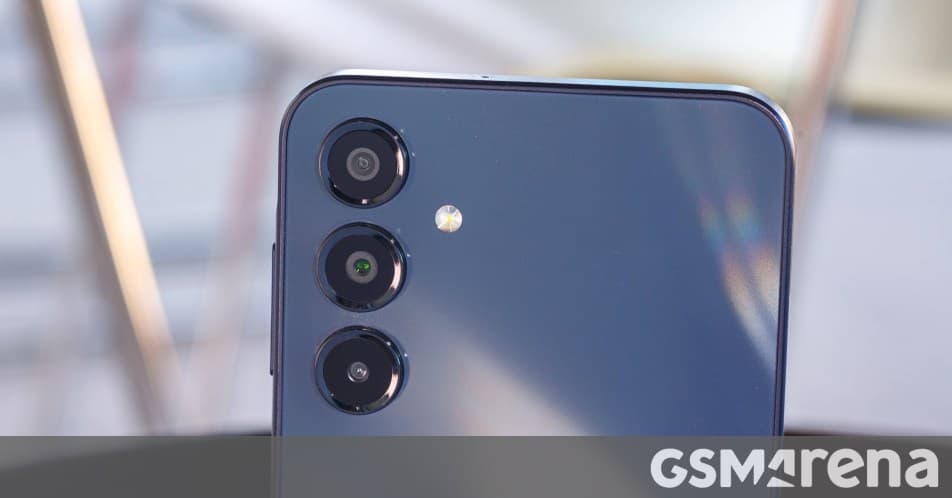
Samsung has started internal testing of One UI 9 for the Galaxy A16 5G, according to firmware spotted on the company's servers. The build, based on Android 17, carries version number A166BXXU8EZF1 and targets the European market. But before budget phone owners get too excited: a stable release is still a year or more away.
The A16 5G just received its stable One UI 8.5 update last month. Finding One UI 9 already in testing this early signals that Samsung's software team is working further ahead than usual on mid-range devices. That's notable for a phone that launched at under $250.
Why the A16 5G won't get One UI 9 anytime soon
Samsung's update hierarchy is predictable. Flagships come first, then foldables, then upper mid-range, then budget devices. One UI 9 beta is already running on the Galaxy S26 series, which will receive the stable version before anyone else.
The company has also confirmed that its upcoming foldables will ship with One UI 9 out of the box. Samsung is expected to unveil three folding phones this year: the Galaxy Z Flip8, Galaxy Z Fold8, and a new Galaxy Z Fold8 Ultra. Rumors point to a July 22 event in London for the announcement.
That timeline pushes the A16 5G's stable update to Q4 2026 at the earliest. The Galaxy S25 series, Galaxy A17 5G, Galaxy A34, Galaxy A57, and the unannounced Galaxy S26 FE are all in the One UI 9 queue ahead of it.
What six years of updates means for a $250 phone
Samsung promised six major OS updates for the Galaxy A16 5G when it launched. That commitment extends software support until 2030, an unusual guarantee for a budget device. Most sub-$300 Android phones get two years of updates at best.
The early One UI 9 testing proves Samsung isn't treating that promise as an afterthought. Building and testing major updates this far in advance requires dedicated engineering resources. It also suggests the company is optimizing One UI 9 specifically for the A16 5G's hardware constraints rather than simply porting the flagship version.
That AI-heavy direction raises questions. Budget phones typically lack the processing power for intensive on-device AI. The A16 5G runs a MediaTek Dimensity 6300 chipset with 4GB of RAM in most variants. Samsung's testing may focus on determining which One UI 9 features can run acceptably on that hardware and which need to be stripped out.
The broader picture for Samsung's software strategy
Samsung sells far more budget phones than flagships. The Galaxy A series accounts for the bulk of the company's smartphone shipments globally. Keeping those devices updated longer serves two purposes: it reduces e-waste complaints from regulators, and it keeps users inside Samsung's ecosystem rather than defecting to competitors.
Apple set the standard here. A five-year-old iPhone still receives iOS updates. Google followed with seven years of updates for Pixels. Samsung matching that commitment across its entire lineup, including budget models, closes a gap that Android manufacturers have historically ignored.
The trade-off is engineering complexity. Supporting dozens of phone models across six years of Android versions requires significant investment. Samsung's early testing approach, getting One UI 9 builds running on budget hardware while the flagship version is still in beta, suggests the company is taking that complexity seriously.
What Galaxy A16 5G owners should expect
Don't wait by your phone for an update notification. The stable One UI 9 release for the A16 5G is roughly 16 to 18 months away. Samsung will roll out the beta to flagship owners first, then ship stable versions to the S26, S25, and foldable lineups before the A-series queue begins.
In the meantime, One UI 8.5 should serve the phone well. Samsung's recent updates have focused on performance optimizations and security patches alongside new features. The A16 5G will continue receiving those monthly security updates through 2030.
Frequently Asked Questions
When will the Galaxy A16 5G get One UI 9?
Based on Samsung's typical update schedule and the current testing phase, expect a stable One UI 9 release for the Galaxy A16 5G in Q4 2026 at the earliest.
Will the Galaxy A16 5G get a One UI 9 beta?
Unlikely. Samsung typically limits beta programs to flagship devices. The A16 5G will probably move directly from One UI 8.5 to the stable One UI 9 release.
How many years of updates does the Galaxy A16 5G get?
Samsung has committed to six years of major OS updates for the Galaxy A16 5G, extending software support until 2030.
What is One UI 9 based on?
One UI 9 is Samsung's custom interface layer built on Android 17, Google's upcoming major Android release.
Which Samsung phones will get One UI 9 first?
The Galaxy S26 series will receive One UI 9 first, followed by the Z Flip8 and Z Fold8 foldables, which will ship with it pre-installed. The S25 series and other flagships follow before mid-range A-series devices.
Logicity's Take
Samsung testing One UI 9 on a $250 phone this early is more significant than it sounds. Budget devices have historically been software afterthoughts, receiving sloppy ports of flagship updates months or years later. By building and testing specifically for the A16 5G's hardware constraints now, Samsung can catch performance issues before they ship. That's how you actually deliver on a six-year update promise instead of just announcing it.
Need Help Implementing This?
Looking to optimize your mobile app for Samsung's One UI ecosystem or Android 17? Our tech team can help you prepare. Contact Logicity at partnerships@logicity.in for enterprise mobile consulting.
Source: GSMArena.com / Sagar
Manaal Khan
Tech & Innovation Writer
Produced with AI assistance and reviewed by the Logicity editorial team. Learn more in our Editorial Policy.