Read in Short
Samsung SmartThings now works with Now Brief to push security alerts, pet monitoring, and family care notifications directly to your Samsung smart TV. For businesses tracking smart home trends, this signals a shift toward ambient, screen-agnostic home automation that requires zero user initiation.
What Is Samsung SmartThings Now Brief Integration?
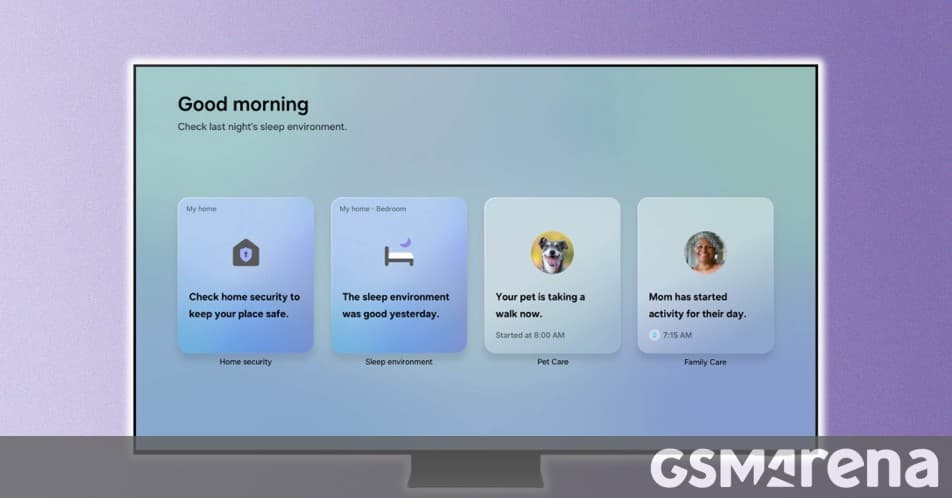
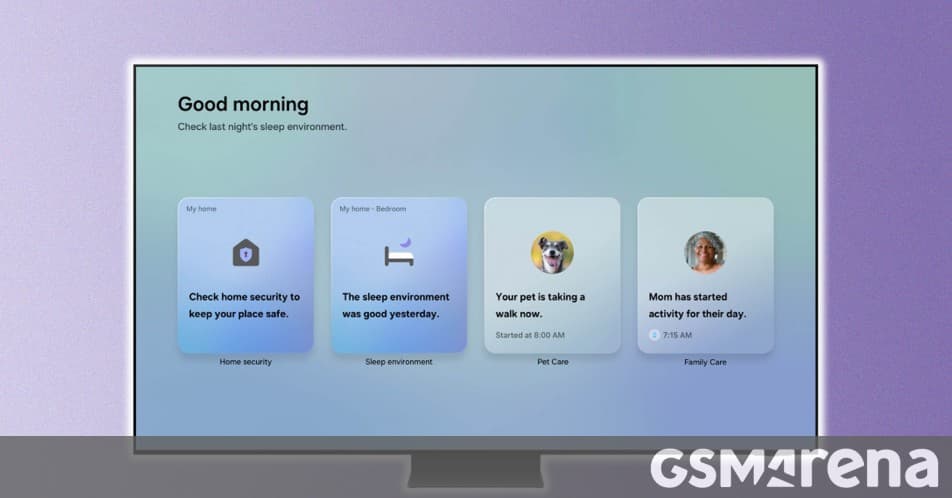
Samsung just connected two of its most important consumer platforms. SmartThings, the company's home automation hub, now feeds data directly into Now Brief, the contextual information system that debuted on Galaxy S25 phones earlier this year.
The practical result? Walk toward your 2024 or newer Samsung smart TV, and it displays cards showing home security camera alerts, pet activity from Pet Care, and family member health data from Family Care. No app opening required. No voice commands. The TV anticipates what you need to know.
Why Should Business Leaders Care About Smart Home Trends?
If you're running a company that touches consumer electronics, insurance, healthcare, or elder care, pay attention. Samsung isn't just adding features. They're building an ecosystem where the TV becomes a passive health and safety dashboard for households.
The Family Care updates are particularly telling. Caregivers now get medication reminders and medical visit notifications. The Care on Call feature displays a family member's daily activity levels during video calls. Samsung's robot vacuums can now detect falls and enable two-way communication with someone who needs help.
Executive Summary
Samsung is positioning SmartThings as a caregiving platform, not just a light switch controller. For insurers, healthcare providers, and senior living companies, this creates partnership and integration opportunities. For smart home competitors, it raises the bar on what 'connected home' means.
How Does Fall Detection Work on Robot Vacuums?
Samsung's Safety Patrol feature uses the camera on compatible SmartThings robot vacuums to monitor your home. The new update adds fall detection. If the vacuum's camera recognizes someone has fallen, it can alert caregivers and open a two-way audio channel through the vacuum's microphone.
This matters because fall detection typically requires wearables or dedicated sensors. Using an existing device that already moves through your home is a clever way to add safety features without additional hardware costs.
✅ Pros
- • No additional hardware needed for fall detection
- • Proactive alerts without user initiation
- • Integrates health monitoring with everyday devices
- • Potential cost savings for elder care monitoring
❌ Cons
- • Requires 2024 or newer Samsung smart TV
- • Limited to Samsung ecosystem devices
- • Privacy concerns with always-on cameras
- • Robot vacuum coverage depends on cleaning schedule
What This Means for the Smart Home Market in 2026
Samsung is betting that the future of smart homes isn't about controlling devices. It's about devices that understand context and surface the right information at the right time. Now Brief integration is their first serious attempt at ambient home intelligence.
For companies evaluating smart building technologies or employee wellness programs, this consumer trend will likely move upstream. Just as clean data practices matter for better business decisions, the same principle applies here: better sensor data enables better automated responses.
Frequently Asked Questions
Frequently Asked Questions
Which Samsung TVs support Now Brief SmartThings integration?
Samsung smart TVs from 2024 or newer support the Now Brief integration with SmartThings. You'll also need compatible SmartThings devices like security cameras or robot vacuums to generate the alerts.
Is Samsung Family Care free to use?
Samsung Family Care is included with compatible Samsung devices at no additional subscription cost. However, you need Samsung hardware throughout the ecosystem to access all features.
Can Samsung robot vacuums replace dedicated fall detection systems?
They can supplement but likely not replace dedicated systems. Robot vacuums only monitor when they're active or positioned correctly. For comprehensive fall detection, medical-grade wearables or ceiling-mounted sensors remain more reliable.
Does this work with non-Samsung smart home devices?
Now Brief integration is limited to SmartThings-compatible devices. While SmartThings supports some third-party devices, the deep integration features like fall detection and Family Care are Samsung-exclusive.
The Bottom Line for Decision-Makers
Samsung SmartThings Now Brief integration isn't a feature announcement. It's a strategic direction. Samsung wants your TV to be your home's ambient dashboard, your robot vacuum to be a safety monitor, and your entire ecosystem to anticipate needs before you articulate them.
For tech leaders evaluating partnerships, investment opportunities, or competitive positioning in the smart home space, this is Samsung drawing a line. The smart home war isn't about device count anymore. It's about contextual intelligence.
Need Help Implementing This?
Evaluating smart home platforms for your business or exploring IoT integration strategies? Logicity helps technology leaders cut through vendor noise and make decisions that actually move the needle. Get in touch for a strategic consultation.
Source: GSMArena.com / Michail
Manaal Khan
Tech & Innovation Writer
Produced with AI assistance and reviewed by the Logicity editorial team. Learn more in our Editorial Policy.