Key Takeaways
- Samsung's 'Jinju' smart glasses will cost $380-$500 and run on Android XR with Google Gemini integration
- The first model won't have a display, but a 2027 follow-up codenamed 'Haean' will include micro-LED at $600-$900
- Expected specs include a 12MP camera, Snapdragon AR1 chip, and bone-conduction speakers
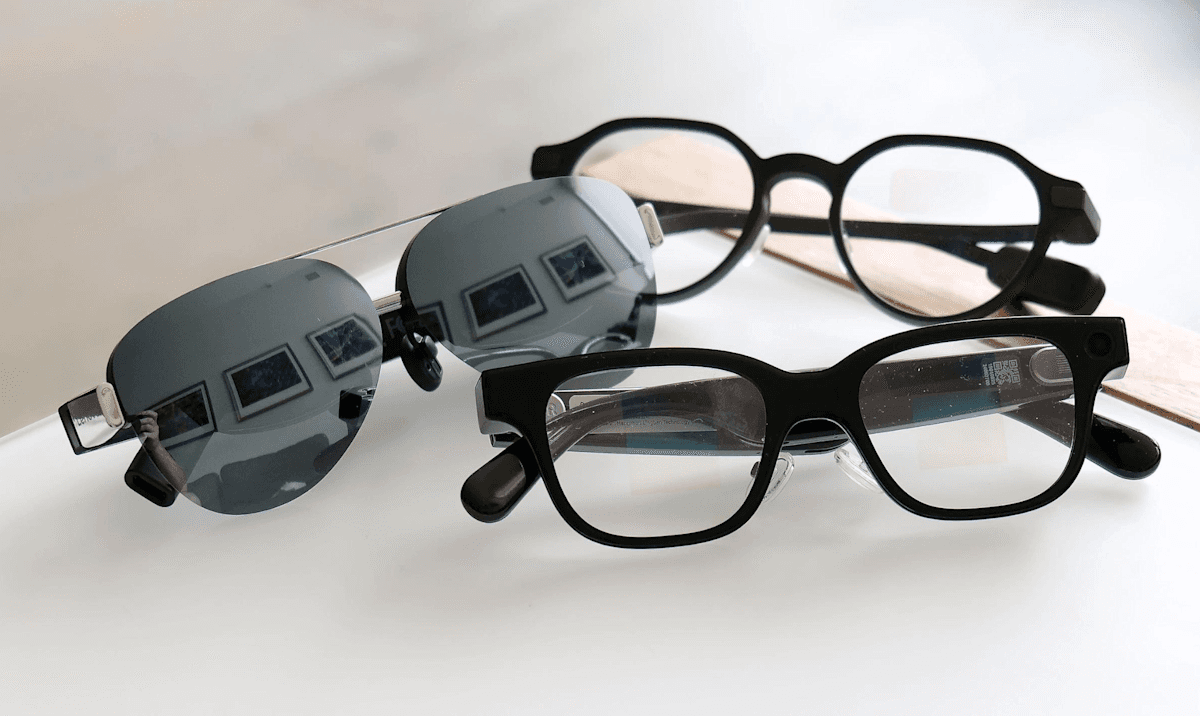
Samsung is entering the smart glasses market. Images and specifications of the company's first AR wearable have leaked, giving us a clear look at what could be a direct competitor to Meta Ray-Bans and Google's upcoming Gemini glasses.
The leak, reported by Android Headlines, shows glasses developed under the codename 'Jinju.' They're expected to cost between $380 and $500, putting them in the same price bracket as Meta's current offerings.
What We Know About Samsung's Smart Glasses
The Jinju glasses will run on Google's Android XR wearables platform. This means tight integration with Google Gemini, the AI assistant that will likely handle voice commands, queries, and contextual information.
According to the leak, the hardware includes a 12MP camera, a Snapdragon AR1 chip, and directional speakers with bone-conduction technology. These specs put Samsung's entry roughly on par with current Meta Ray-Bans, which use a similar Qualcomm chip and offer 12MP cameras.
One notable omission: the first version won't have a display. Users won't see AR overlays or notifications in their field of view. The glasses will focus on camera functionality, audio, and AI assistance through Gemini.
A Display Model Is Coming in 2027
Samsung isn't stopping at camera-only glasses. A second model, codenamed 'Haean,' is reportedly in development for 2027. This version will include a micro-LED display, bringing functionality closer to what Meta showed with its Ray-Ban Display glasses prototype.
The display model will cost more. Leaked pricing puts it between $600 and $900. That's a significant jump, but micro-LED displays in glasses form factors remain expensive to manufacture.
When Will Samsung Launch These Glasses?
No official launch date has been announced, but Samsung has a major Unpacked event scheduled for July. The company could preview the glasses there alongside products like the Galaxy Z Fold 8 and Galaxy Watch 9.
A full launch at Unpacked seems unlikely. Samsung tends to tease new product categories before releasing them. The company did the same thing with its Galaxy XR virtual reality headset last year, announcing it months before actual availability.
Later this year is a reasonable bet for the Jinju glasses. That would give Samsung time to finalize specs and potentially adjust pricing based on market conditions.
Pricing Could Change
The $380-$500 range is a leak, not an official announcement. Final pricing could land higher. Global economic uncertainty and rising costs for RAM and storage have pushed prices up across consumer electronics this year.
Samsung also needs to balance competitiveness with profitability. Meta has been aggressive on pricing, reportedly selling Ray-Bans at or below cost to build market share. Samsung may not be willing to match that strategy.
How Samsung's Glasses Compare to Competitors
| Feature | Samsung Jinju (Leaked) | Meta Ray-Bans | Google Gemini Glasses |
|---|---|---|---|
| Price | $380-$500 | $299-$379 | TBA |
| Camera | 12MP | 12MP | Expected |
| Display | No | No (Display model coming) | Expected |
| AI Assistant | Google Gemini | Meta AI | Google Gemini |
| Platform | Android XR | Meta OS | Android XR |
| Launch | Late 2025 (expected) | Available now | TBA |
The market is getting crowded. Meta has a head start with Ray-Bans already on sale. Google is working on its own Gemini-powered glasses. Samsung enters as a third major player, with the advantage of existing relationships with Android users and the Galaxy ecosystem.
Logicity's Take
What This Means for the Smart Glasses Market
Three major tech companies are now building smart glasses with AI assistants. That's a strong signal the category is maturing beyond early-adopter novelty.
Competition should push prices down and features up. Samsung's entry gives consumers another option and forces Meta to keep improving Ray-Bans. Google's involvement through Android XR creates a platform that multiple manufacturers can build on, similar to how Android phones evolved.
The 2027 timeline for display-equipped glasses suggests the industry sees AR overlays as the next major feature. But battery life, weight, and cost remain challenges. Micro-LED displays are expensive and power-hungry. Getting them into something people will actually wear all day isn't trivial.
Another look at display trade-offs in consumer hardware
Frequently Asked Questions
When will Samsung smart glasses be released?
No official date has been announced. A preview is expected at Samsung's July Unpacked event, with a full launch likely later in 2025.
How much will Samsung smart glasses cost?
Leaked pricing puts the first model (Jinju) at $380-$500. A display-equipped model (Haean) is expected in 2027 at $600-$900.
Will Samsung smart glasses have a display?
The first model will not have a display. A second model with micro-LED display is planned for 2027.
What AI assistant will Samsung smart glasses use?
The glasses will run on Android XR and integrate with Google Gemini for AI assistant features.
How do Samsung smart glasses compare to Meta Ray-Bans?
Both offer 12MP cameras and no display in base models. Samsung uses Google Gemini while Meta uses its own AI. Samsung's pricing is slightly higher based on leaks.
Need Help Implementing This?
Huma Shazia
Senior AI & Tech Writer
Produced with AI assistance and reviewed by the Logicity editorial team. Learn more in our Editorial Policy.