Key Takeaways
- HBM4E delivers 48GB per 12-layer stack, up 33% from HBM4's 36GB
- Per-pin speed hits 14Gbps with a roadmap to 16Gbps
- Energy efficiency improves 16% while thermal resistance drops 14%
What Samsung Announced
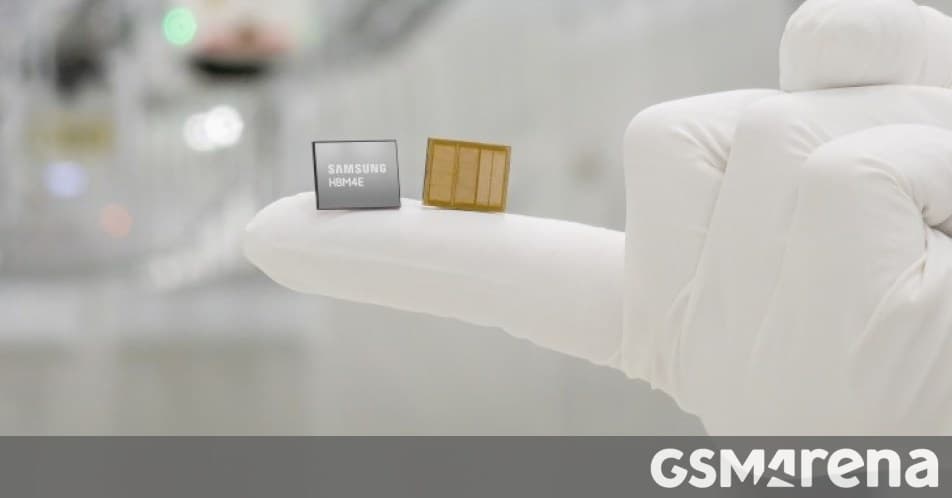
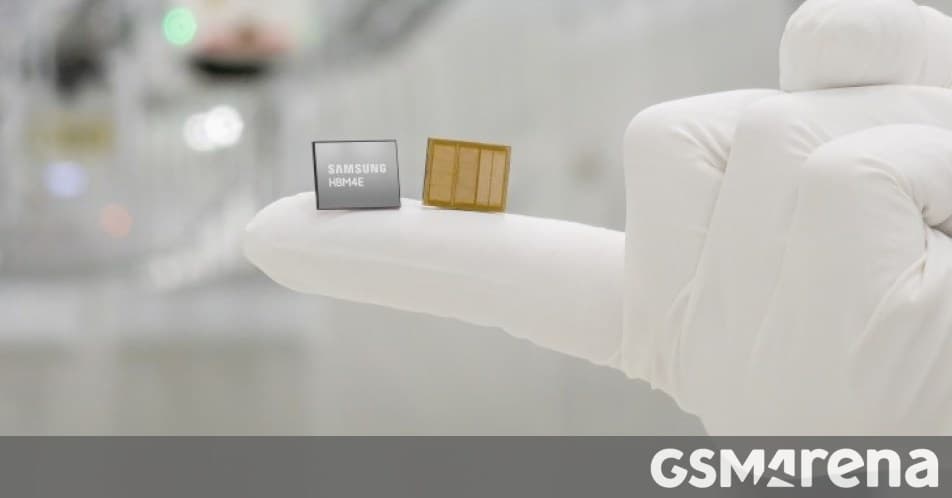
Samsung started shipping HBM4 memory to customers in February 2025, promising HBM4E samples "later this year." That timeline just arrived. The company confirmed it's now sending HBM4E samples to customers, marking the next step in the high-bandwidth memory race that powers AI accelerators.
The standard HBM4E configuration uses a 12-layer design that packs 48GB of capacity. That's a 33% jump from HBM4's 36GB in the same layer count. Samsung is also developing 8-layer (32GB) and 16-layer (64GB) variants to give chipmakers flexibility in their designs.
Speed and Efficiency Gains
HBM4E runs about 20% faster than its predecessor. Per-pin speed climbs to 14Gbps, compared to HBM4's 11.7Gbps. Total bandwidth per stack reaches 3.6 terabytes per second. Samsung says the architecture can scale to 16Gbps in future iterations.
The technology combines Samsung's 6th generation "1c" memory dies (10nm class) with a 4nm logic base die. This pairing delivers 16% better energy efficiency than the previous generation. The memory draws less power and produces less heat as a result.
Thermal management gets a separate upgrade. Samsung reworked the physical design to reduce thermal resistance by at least 14%. That means the heat that is generated escapes more easily, making the memory simpler to cool in dense AI server configurations.
Why HBM Matters for AI
High Bandwidth Memory stacks DRAM vertically, connecting layers with through-silicon vias. This architecture delivers the massive data throughput that modern GPUs need for AI training and inference. As AI models grow from billions to trillions of parameters, memory bandwidth becomes the bottleneck that limits how fast chips can process data.
The industry has accelerated its memory roadmap in response. HBM3E arrived in 2024. HBM4 shipped in early 2025. Now HBM4E is sampling less than a year later. Each generation addresses the "memory wall" problem, where processing power outpaces the ability to feed data to the processor.
“Following the successful mass production of HBM4, Samsung has once again demonstrated its distinct technological edge with HBM4E. Through our advanced manufacturing capabilities and preemptive infrastructure investments, we will continue to drive the growth of the global AI memory market.”
— Sang Joon Hwang, Executive Vice President and Head of Memory Development at Samsung Electronics
Technical Specifications Compared
| Specification | HBM4 | HBM4E |
|---|---|---|
| Capacity (12-layer) | 36GB | 48GB |
| Per-pin speed | 11.7Gbps | 14Gbps |
| Bandwidth per stack | 3.6 TB/s | 3.6 TB/s |
| Logic base die | 4nm | 4nm |
| Energy efficiency | Baseline | +16% |
| Thermal resistance | Baseline | -14% |
Industry Reaction
Hardware communities are tracking whether HBM4E's 14Gbps speed can keep pace with upcoming GPU architectures. Discussion on Reddit's r/hardware has focused on NVIDIA's Blackwell and Rubin roadmaps, questioning if memory bandwidth will still constrain next-generation accelerators.
Technical conversations on Hacker News have zeroed in on the 4nm logic base die. That component handles memory control and I/O functions. A smaller process node there cuts power consumption, but it also creates thermal challenges when stacked under 12 layers of memory dies.
What Comes Next
Samsung says its HBM4 production capacity is expanding. The company positions HBM4E as an accelerator for AI systems rather than a replacement for current-generation products. Both will likely ship in parallel to different market segments.
The 16Gbps bandwidth target suggests a future HBM4E refresh or an HBM5 transition. Samsung hasn't announced timing for that upgrade. For now, the 14Gbps specification represents the fastest HBM memory available for sampling.
More Samsung hardware analysis
Logicity's Take
Frequently Asked Questions
What is the difference between HBM4 and HBM4E?
HBM4E offers 48GB capacity per 12-layer stack versus HBM4's 36GB. It also runs 20% faster at 14Gbps per pin, uses 16% less power, and has 14% lower thermal resistance.
When will HBM4E be available in products?
Samsung is shipping samples now. Mass production timing hasn't been announced, but products using HBM4E would typically arrive 6-12 months after sampling begins.
Which companies will use Samsung HBM4E?
Samsung hasn't named specific customers. HBM buyers typically include NVIDIA, AMD, and other AI accelerator makers, though SK Hynix has been NVIDIA's primary HBM supplier recently.
How does HBM4E improve AI training?
Higher capacity (48GB vs 36GB) lets GPUs store more model parameters locally. Better bandwidth feeds data faster. Lower power consumption and thermal resistance allow denser server configurations.
What is the 4nm logic base die in HBM4E?
The logic base die sits at the bottom of the HBM stack and handles memory control, I/O interfaces, and communication with the GPU. A 4nm process makes it more power efficient than older designs.
Need Help Implementing This?
Source: GSMArena.com / Peter
Huma Shazia
Senior AI & Tech Writer
Produced with AI assistance and reviewed by the Logicity editorial team. Learn more in our Editorial Policy.