Key Takeaways
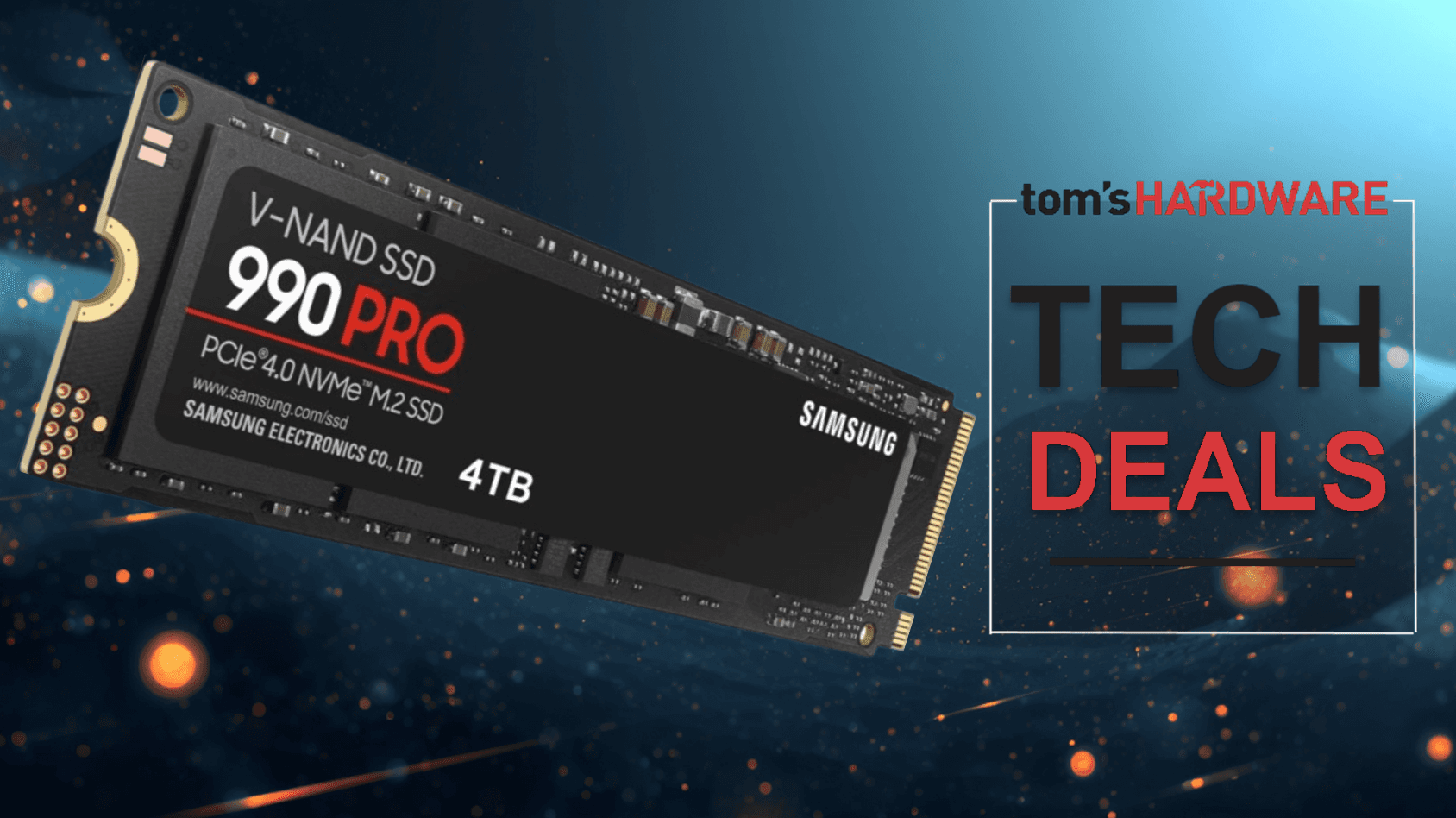
- The 2TB Samsung 990 Pro is now $389.99, down from $639.99, a 39% discount
- Sequential read speeds hit 7,450 MB/s, maxing out the PCIe 4.0 interface
- The drive includes a 5-year warranty and 1,200 TBW endurance rating
If you've been waiting for a price drop on high-end storage, today's your day. The 2TB Samsung 990 Pro is now $389.99 at Newegg, down from $639.99. That's $250 off, a 39% discount, and the lowest price we've seen in months.
The 990 Pro remains one of the fastest PCIe 4.0 SSDs you can buy. It's a solid choice for PC builders, content creators working with large files, and PS5 owners who need more storage. If you're using it in a PlayStation 5, you'll need to add your own heatsink since this model ships without one.
Why the 990 Pro Still Matters
The 990 Pro launched in 2022 as the successor to the popular 980 Pro. Samsung kept the same 2280 form factor but upgraded nearly everything else. It uses the in-house Pascal controller and V7 3-bit 176-layer V-NAND TLC flash. The result is a drive that's both faster and more power-efficient than its predecessor.
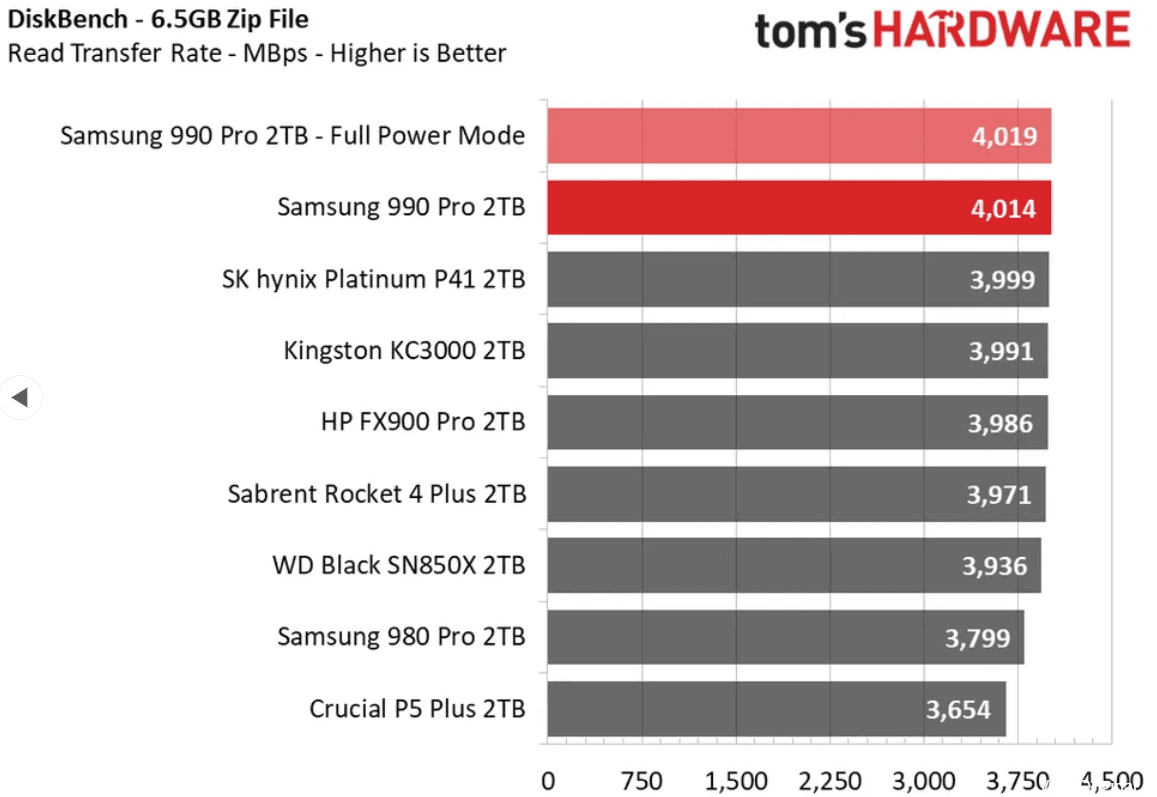
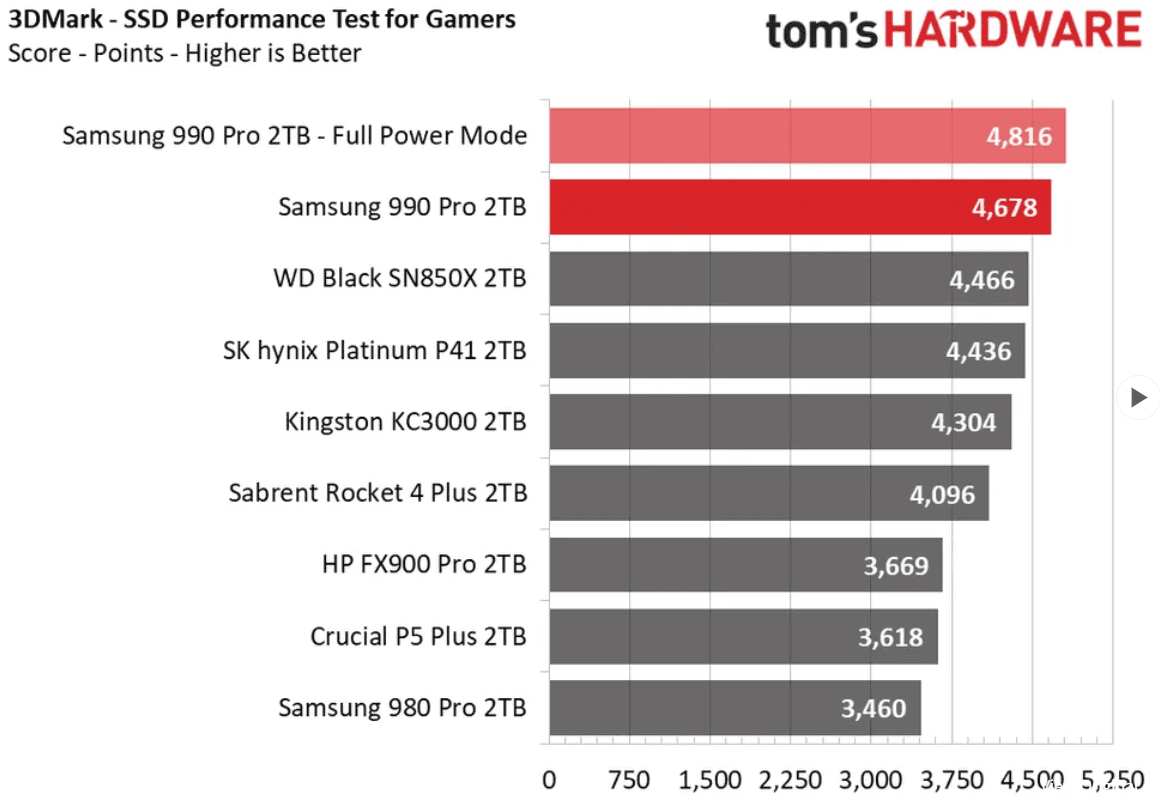
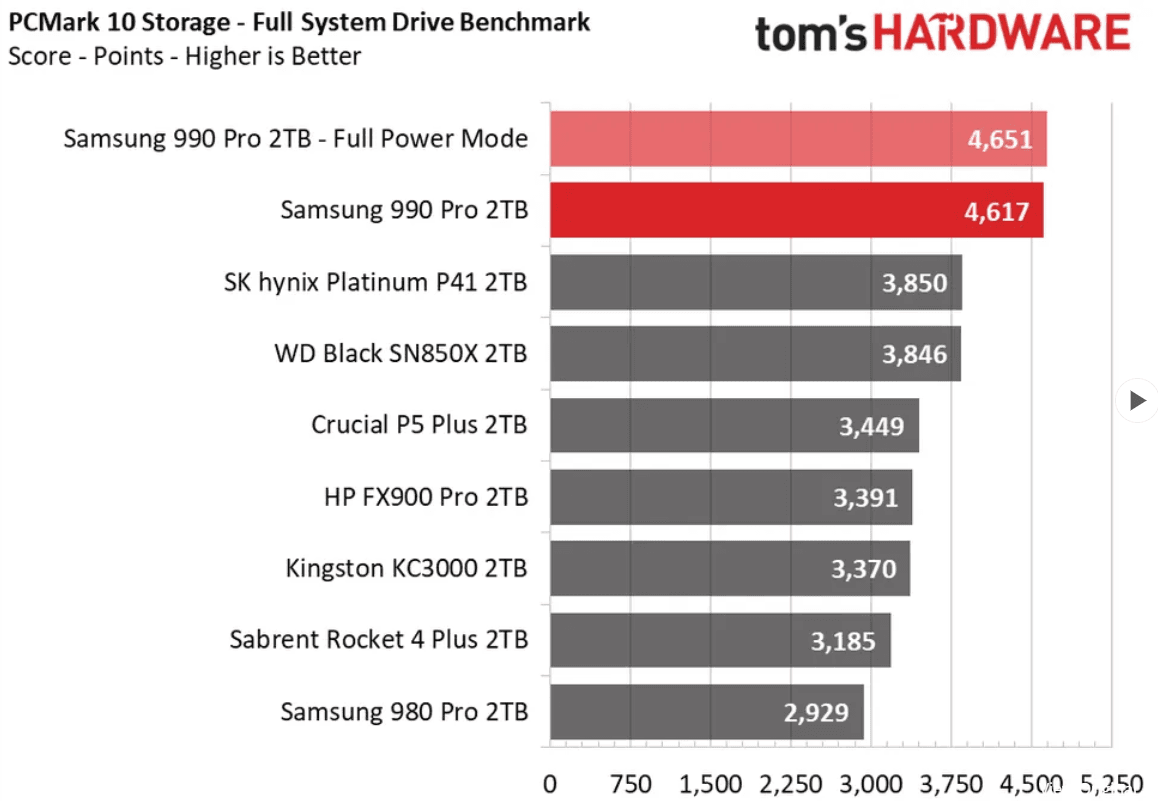
Samsung lists sequential reads at 7,450 MB/s and writes at 6,900 MB/s. Those read speeds essentially max out what PCIe 4.0 can deliver. Random IOPS hit 1.4 million for reads and 1.55 million for writes. In Tom's Hardware's testing, the 2TB model beat a host of competing PCIe 4.0 drives in random read performance.
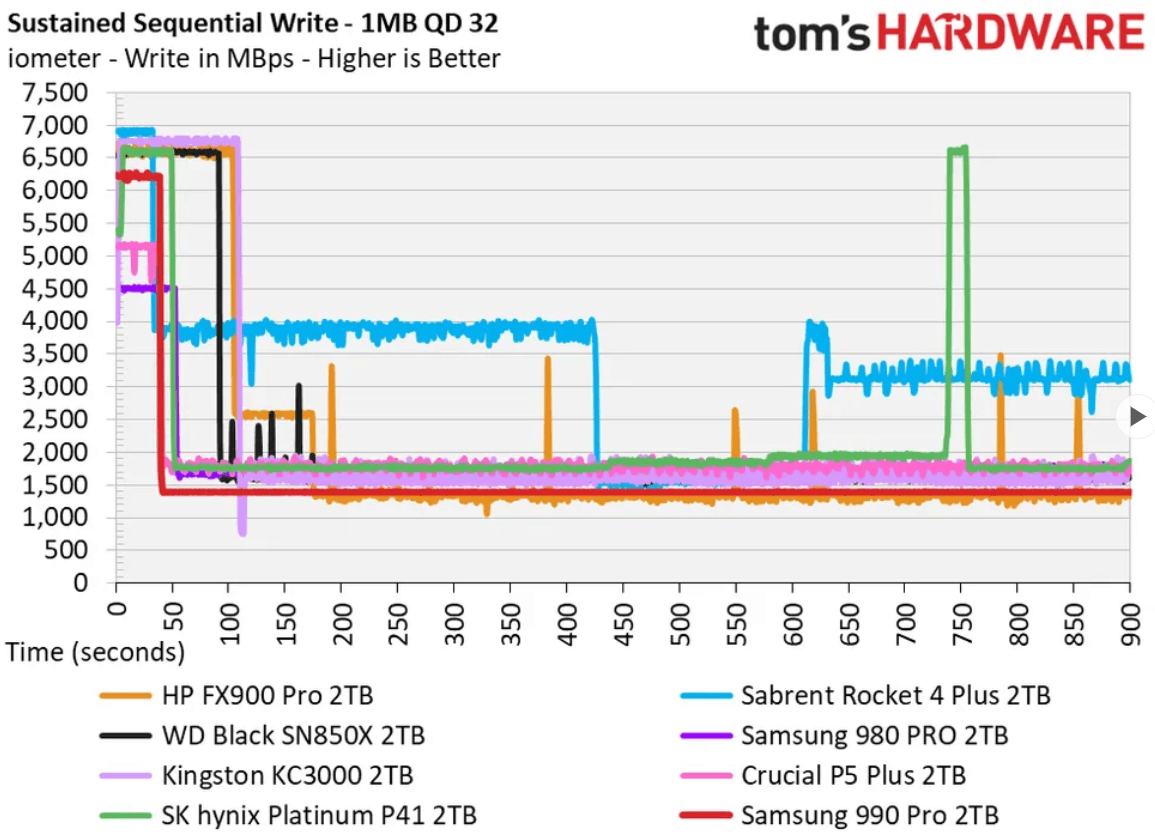
The drive includes 2GB of LPDDR4 DRAM, which acts as a buffer during large file transfers. This helps maintain consistent performance when you're moving video files or game installs. The 2TB model also features a 226GB dynamic SLC cache, allowing it to sustain peak write speeds during massive transfers before dropping to native TLC speeds.
Power Efficiency and Thermals
One of the 990 Pro's quieter strengths is power efficiency. Samsung claims a 50% improvement in performance-per-watt over the 980 Pro. That matters for laptop users who want speed without killing battery life. It also means the drive runs cooler, which is helpful in tight PS5 enclosures or compact PC builds.
Tom's Hardware noted that the drive ran consistently, efficiently, and cool during their review. For dense builds where thermals are a concern, that's a meaningful advantage over some competitors that throttle under sustained loads.
Warranty and Endurance
The 990 Pro comes with a 5-year warranty and a 1,200 TBW endurance rating. That's average for a 2TB drive in this generation, but it's more than enough for most users. You'd need to write gigabytes of data daily to approach that limit within the warranty period.
Samsung Magician software is included for drive management, health monitoring, and firmware updates. The software is generally well-regarded among enthusiasts for its ease of use and feature set.
Pricing Context: A Year of Wild Swings
Storage prices have been volatile. This same 2TB 990 Pro sold for around $140 last year. Then the AI boom hit, driving up demand for NAND and DRAM across the industry. Prices climbed as high as $690 earlier this year.
At $389.99, we're not back to those lows, but prices have stabilized. Tom's Hardware notes there's no sign of further drops soon. If you need high-performance storage now, this is likely as good as it gets for the near term.
Should You Buy PCIe 4.0 in 2024?
PCIe 5.0 drives exist, but they run hotter, cost more, and offer speed that most applications can't actually use. Games don't load meaningfully faster. Most productivity software doesn't benefit. The 990 Pro delivers 7,450 MB/s reads, which exceeds what the vast majority of users will ever need.
Reddit communities like r/buildapc frequently debate this. The consensus: the 990 Pro is overkill for pure gaming builds but remains a strong choice for professional video editors working with 4K or 8K footage. For most users, it's more drive than necessary, but at this price, that's not a bad problem to have.
What About the 1TB Model?
If 2TB is more than you need, the 1TB Samsung 990 Pro is also on sale for $249.99, which is $70 off. You're getting the same performance per gigabyte, just less capacity. For smaller builds or tighter budgets, it's a reasonable alternative.
✅ Pros
- • Maxes out PCIe 4.0 speeds at 7,450 MB/s reads
- • 50% better power efficiency than the 980 Pro
- • Runs cool with consistent performance under load
- • 5-year warranty with 1,200 TBW endurance
- • Excellent Samsung Magician software
❌ Cons
- • No heatsink included; required for PS5 use
- • Still expensive compared to last year's pricing
- • Overkill for basic gaming or office tasks

Logicity's Take
Frequently Asked Questions
Does the Samsung 990 Pro work with PS5?
Yes, but you'll need to add your own heatsink. The standard model doesn't include one. Samsung sells a version with a heatsink (model MZ-V9P2T0CW) if you prefer a complete solution.
Is PCIe 4.0 still worth buying in 2024?
For most users, yes. PCIe 5.0 drives are faster on paper but run hotter and cost more. Real-world gaming and productivity gains are minimal. The 990 Pro's 7,450 MB/s reads exceed what most applications can utilize.
How long will the Samsung 990 Pro last?
The 2TB model has a 1,200 TBW endurance rating and 5-year warranty. Unless you're writing hundreds of gigabytes daily, you won't approach that limit during normal use.
Why are SSD prices higher than last year?
The AI boom increased demand for NAND and DRAM, which are used in both AI training hardware and consumer storage. This pushed prices up across the industry. They've stabilized but haven't returned to 2023 lows.
Should I get the 1TB or 2TB version?
The 1TB is $249.99 and offers identical per-gigabyte performance. Choose based on how much storage you need. For PS5 users with large game libraries or video editors, 2TB is worth the extra cost.
The chip shortage affecting SpaceX mirrors the broader supply constraints driving SSD and DRAM price increases
Need Help Implementing This?
Source: Latest from Tom's Hardware
Manaal Khan
Tech & Innovation Writer
Produced with AI assistance and reviewed by the Logicity editorial team. Learn more in our Editorial Policy.