Key Takeaways
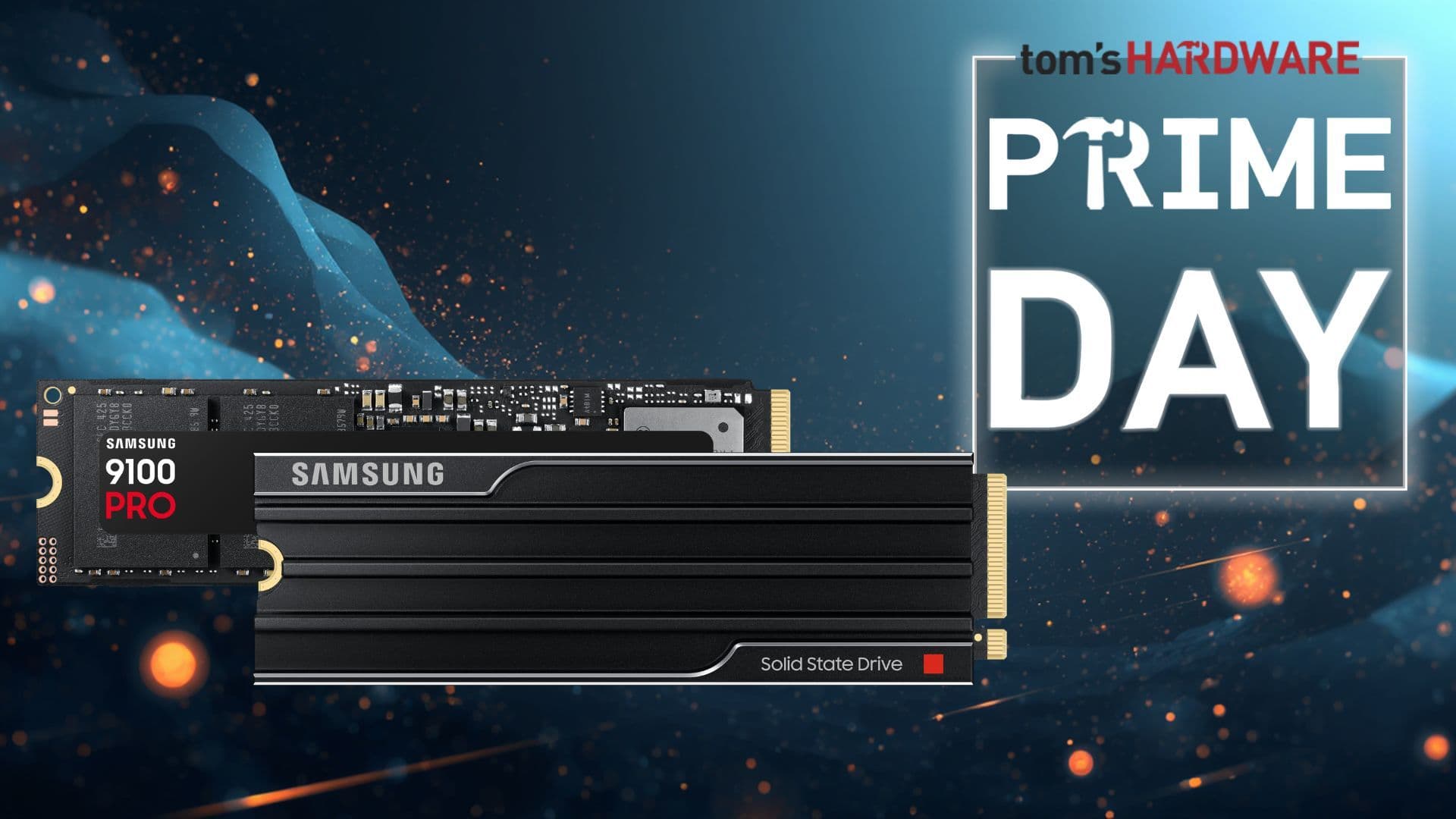
- The Samsung 9100 Pro 1TB now costs $206, down from its typical $400+ price point
- At 14,700 MB/s sequential read speeds, this is among the fastest consumer SSDs available
- SSD prices have climbed significantly over the past year due to AI-driven NAND shortages
Samsung's 9100 Pro SSD, one of the fastest consumer drives on the market, has dropped to $206 for the 1TB model during Amazon Prime Day. That is the lowest price for this Gen 5 drive since February. The 2TB variant is now $349, while the 4TB model sits at $799.
These discounts land at an awkward moment for storage buyers. SSD prices have climbed sharply over the past year, driven by NAND flash shortages as manufacturers prioritize AI infrastructure. A year ago, that same 1TB drive would have cost $126. Today, $206 counts as a deal.
What makes the 9100 Pro worth considering?
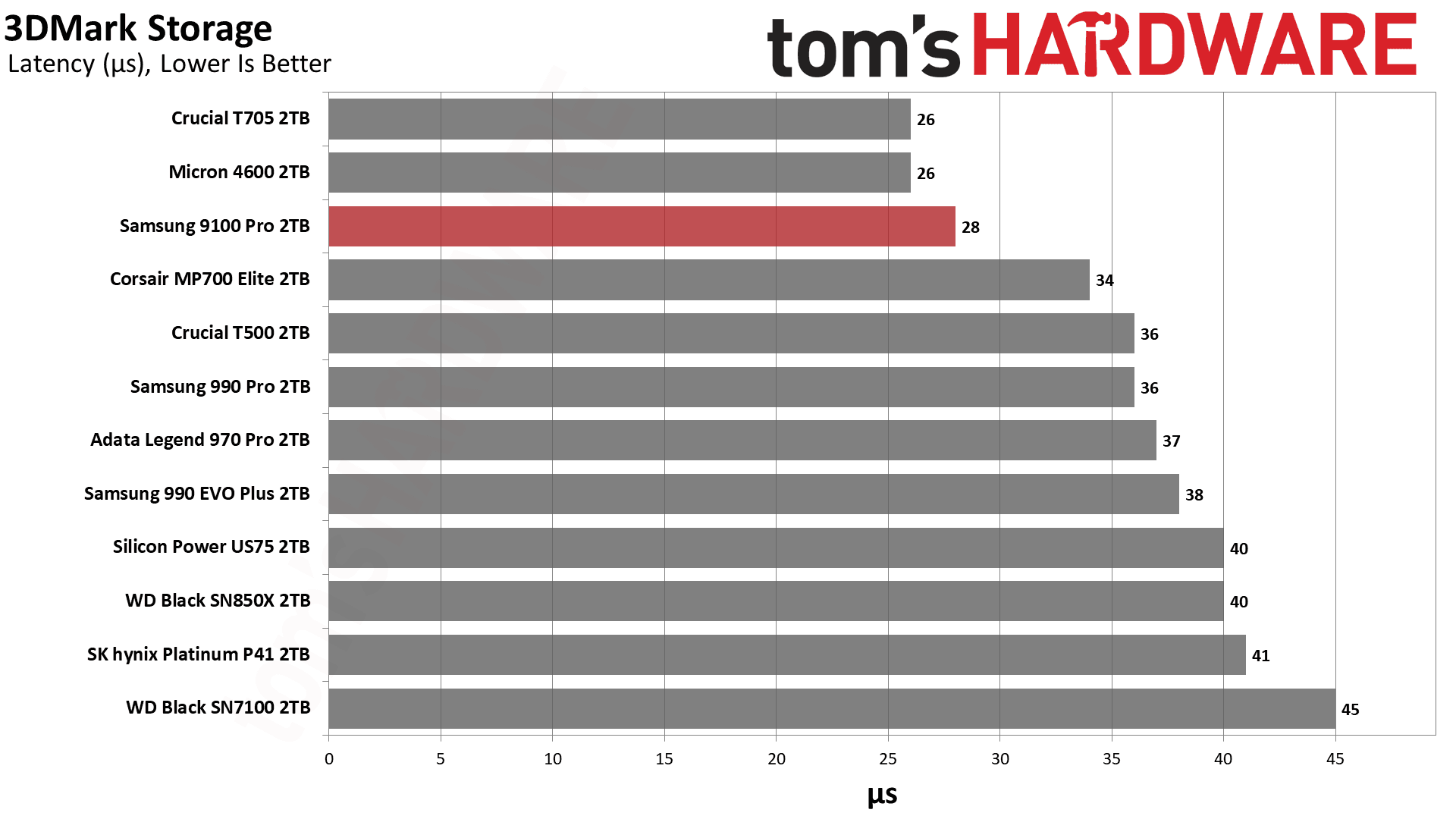
The 9100 Pro is a PCIe Gen 5 drive with sequential read speeds up to 14,700 MB/s. That is roughly double what Gen 4 drives deliver and places it near the top of Tom's Hardware's benchmark charts. In testing, it trails only the Crucial T705 and Micron 4600, both of which typically cost more.
Samsung built this drive around its proprietary Presto controller, which handles PCMark 10 Storage tests better than any other drive in its review batch. For workloads that actually stress the storage subsystem, like video editing, large file transfers, or game asset streaming, the 9100 Pro delivers measurable gains over Gen 4 alternatives.
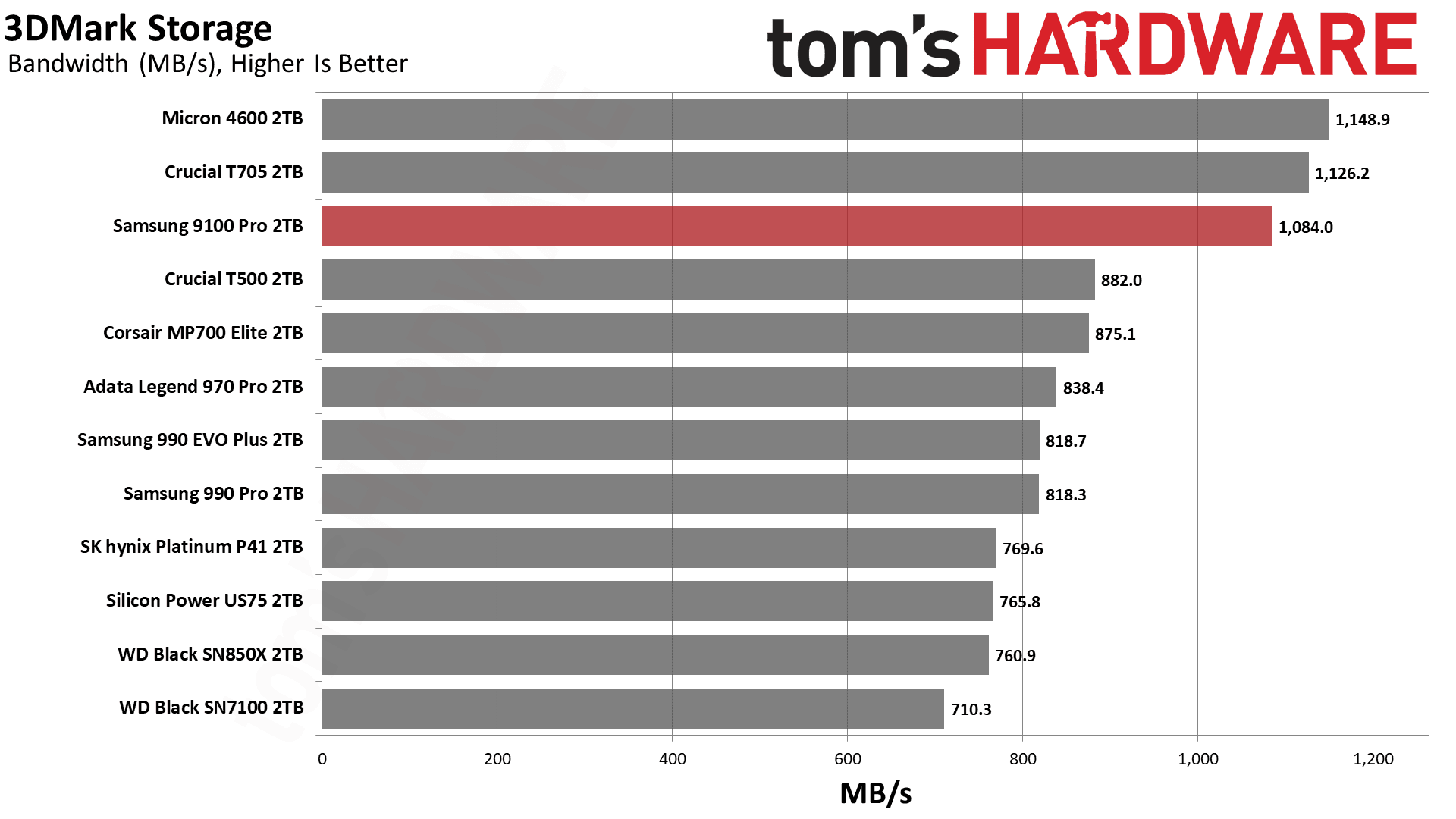
The 9100 Pro now costs less than Samsung's own 990 Pro, a Gen 4 drive. The 990 Pro is slower. If you are choosing between them today, the decision is straightforward.
Is the 4TB model a bad deal?
At $799, the 4TB version costs more than two 2TB drives ($698 combined). You sacrifice some value for the convenience of a single drive. For most users, buying two 2TB units makes more financial sense unless motherboard slots are limited or you specifically need 4TB of contiguous storage for scratch disks or media libraries.
Why are SSD prices climbing?
NAND flash manufacturers have shifted production capacity toward enterprise and AI markets, where margins are higher. Data centers training large language models and running inference workloads consume enormous amounts of high-speed storage. Consumer SSD production has taken a back seat.
The result: retail SSD prices are moving in one direction. Tom's Hardware describes the current pricing environment as "terrible" across the board. If you need a fast drive and have been waiting for prices to drop, waiting longer may not help.
Do you actually need Gen 5 speeds?
Most users will not notice the difference between Gen 4 and Gen 5 in daily tasks. Boot times, application launches, and game loading hit diminishing returns well below 14,700 MB/s. Where Gen 5 matters: professional video editing with 8K footage, large database operations, and workloads that sustain high sequential throughput.
For typical gaming and productivity, a Gen 4 drive at a lower price often makes more sense. But with the 9100 Pro now priced below the 990 Pro, the speed premium has essentially disappeared. You might as well take the faster drive.
Logicity's Take
The real story here is not the discount but what it signals about the storage market. When a flagship Gen 5 SSD costs less than last year's Gen 4 model, something structural has shifted. Samsung is likely clearing inventory or repositioning the 9100 Pro against aggressive competition from Crucial and Micron. Either way, this is probably the new normal: Gen 5 prices will not return to early 2024 levels, but discounts like this may become the baseline.
Frequently Asked Questions
Is the Samsung 9100 Pro compatible with PS5?
The PS5 supports M.2 NVMe SSDs up to Gen 4 speeds. The 9100 Pro will work, but it will not run at its full Gen 5 speed. You would be paying for performance the console cannot use.
Does the 9100 Pro need a heatsink?
Yes. Gen 5 drives run hotter than Gen 4, and the 9100 Pro benefits from active or passive cooling. Many motherboards include M.2 heatsinks, but standalone options exist if yours does not.
How long will these Prime Day prices last?
Amazon typically runs Prime Day deals for 48 hours. These specific prices are marked as day-one deals, so availability may change before the event ends.
Is 1TB enough for a gaming PC?
Modern games can exceed 100GB each. If you play multiple AAA titles, 2TB offers more headroom. For a boot drive with a few key applications, 1TB remains sufficient.
Need Help Implementing This?
Planning a workstation build or server upgrade? Reach out to our team at Logicity.in for guidance on storage configurations that match your workload requirements.
Source: Latest from Tom's Hardware
Manaal Khan
Tech & Innovation Writer
Produced with AI assistance and reviewed by the Logicity editorial team. Learn more in our Editorial Policy.