Key Takeaways
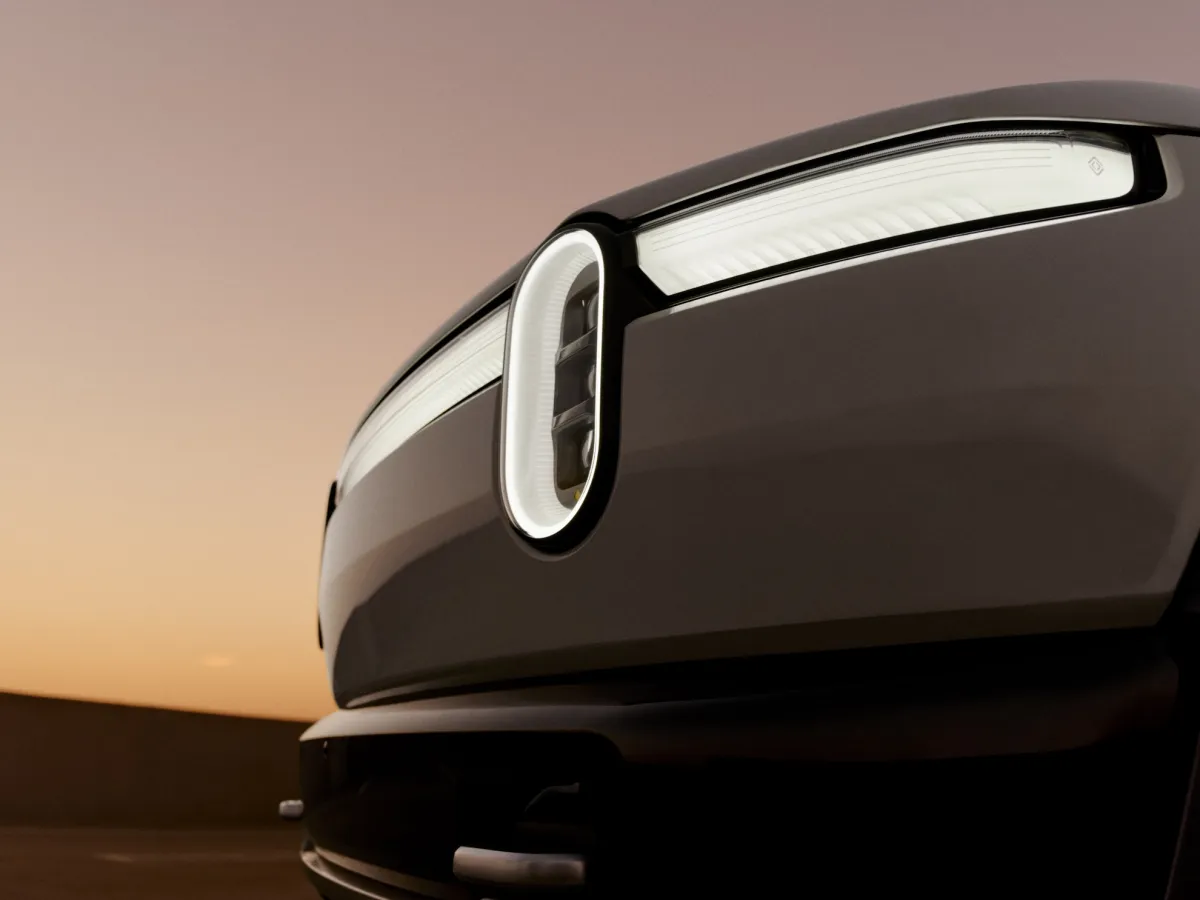
- Rivian now expects to deliver 65,000-70,000 vehicles in 2026, up from its earlier 62,000-67,000 forecast
- Q2 deliveries hit 12,194 units, beating the company's own 9,000-11,000 projection
- The R2 SUV, priced at $58,000, began deliveries in June and could account for 20,000-25,000 units this year
Rivian lifted its 2026 delivery forecast on Thursday, now expecting to ship between 65,000 and 70,000 vehicles. That is up from the 62,000 to 67,000 range the company projected earlier this year. The revision follows a stronger than expected second quarter where Rivian delivered 12,194 vehicles against its own estimate of 9,000 to 11,000.
A 5,000-vehicle bump at the midpoint sounds modest. But for a company that shipped just 42,247 EVs in all of 2025, the new guidance implies year-over-year growth of roughly 55 to 65 percent. That is a notable acceleration in a market where EV sales growth has cooled considerably.
What is driving the upward revision?
Rivian attributed the confidence to what it called "robust growth quarter-over-quarter" across three product lines: the R1 lineup of trucks and SUVs, the EDV electric commercial van, and the newly launched R2 SUV. The company did not break out which line contributed most to the beat.
The R2 is the likely catalyst. Rivian started selling the smaller SUV last month at a starting price around $58,000. That is significantly cheaper than the R1S, which starts above $70,000. CFO Claire McDonough has mentioned a target of 20,000 to 25,000 R2 deliveries for 2026, though it is unclear whether that estimate has increased alongside the new forecast.
Production capacity is scaling up. Rivian expanded its factory in Normal, Illinois, to build R2s and is constructing an entirely new facility in Georgia. The Georgia plant is designed to produce hundreds of thousands of R2 units annually once it reaches full capacity.
Why the EV market headwinds did not stop Rivian
The forecast increase arrives against a tough backdrop. Congress killed the $7,500 federal EV tax credit, removing a major purchase incentive. The Trump administration has also rolled back environmental regulations that encouraged EV production and adoption. Those headwinds have slowed overall EV sales growth across the industry.
Rivian's resilience may come down to customer demographics. Its buyers skew toward higher-income households who are less sensitive to the tax credit loss. The R2, while cheaper than the R1, still targets a premium segment. It competes with vehicles like the Tesla Model Y and upcoming offerings from Lucid, not with $30,000 EVs aimed at mainstream buyers.
Commercial van sales also appear stable. Amazon remains a major customer for the EDV, and commercial fleet buyers make purchasing decisions based on total cost of ownership rather than consumer incentives.
The road to profitability just got longer
More deliveries should help Rivian's finances. The company is still burning through cash and has yet to turn a regular profit. Management had previously targeted 2027 as the year it might reach consistent profitability.
That timeline recently slipped. Rivian is now investing in autonomous driving software, driven partly by a deal to supply self-driving R2 SUVs to Uber. The investment pushes the profit target further out, though management has not provided a new date.
The Uber partnership is a calculated bet. If Rivian can become a hardware supplier for robotaxi fleets, the volume and margin profile changes dramatically. But that is a multi-year play requiring significant R&D spend in the near term.
What comes next for Rivian's production targets
The second half of 2026 will test whether Rivian can maintain momentum. Building 12,613 vehicles in Q2 was a production record, but the company needs to sustain that rate and ideally accelerate it to hit the high end of the new forecast.
Supply chain stability will matter. Rivian struggled with component shortages in prior years, and EV battery supply remains tight across the industry. If the Georgia plant comes online on schedule, capacity constraints should ease. If it slips, the company may leave demand unfilled.
Investors will watch R2 order rates closely. A strong R2 backlog would validate the company's bet on a more affordable price point. A weak reception would raise questions about Rivian's ability to scale beyond its niche of adventure-oriented truck enthusiasts.
Logicity's Take
Rivian's forecast bump is a signal, not a victory. The company is executing well on production, but the R2's true test comes over the next two quarters as deliveries ramp. At $58,000, the R2 undercuts the R1 but still sits above the mass-market sweet spot where Tesla's Model Y dominates. If the Uber autonomy deal pans out, Rivian could shift from selling 70,000 consumer vehicles to supplying hundreds of thousands of robotaxi platforms. That is the real optionality here, though it will require years of R&D investment before generating returns. For now, the near-term story is simple: can Rivian keep its factories running at Q2 pace?
Frequently Asked Questions
How many vehicles does Rivian expect to deliver in 2026?
Rivian raised its 2026 forecast to 65,000-70,000 vehicles, up from the earlier range of 62,000-67,000.
What is the starting price of the Rivian R2 SUV?
The R2 starts at approximately $58,000, making it Rivian's most affordable model compared to the R1 lineup.
When will Rivian become profitable?
Rivian had targeted 2027 for consistent profitability but has pushed that goal back due to investments in autonomous driving software.
Does the $7,500 EV tax credit still apply to Rivian vehicles?
No. Congress eliminated the federal EV tax credit, removing the $7,500 incentive that previously applied to qualifying EV purchases.
How many R2 SUVs does Rivian expect to sell in 2026?
CFO Claire McDonough mentioned a range of 20,000 to 25,000 R2 units for 2026, though this figure may not reflect the latest forecast increase.
Need Help Implementing This?
If you are tracking automotive industry trends for investment or strategic decisions, Logicity covers EV market developments weekly. Subscribe to our newsletter for analysis on production forecasts, regulatory changes, and competitive dynamics across Tesla, Rivian, Lucid, and legacy automakers.
Source: TechCrunch / Sean O'Kane
Huma Shazia
Senior AI & Tech Writer
Produced with AI assistance and reviewed by the Logicity editorial team. Learn more in our Editorial Policy.