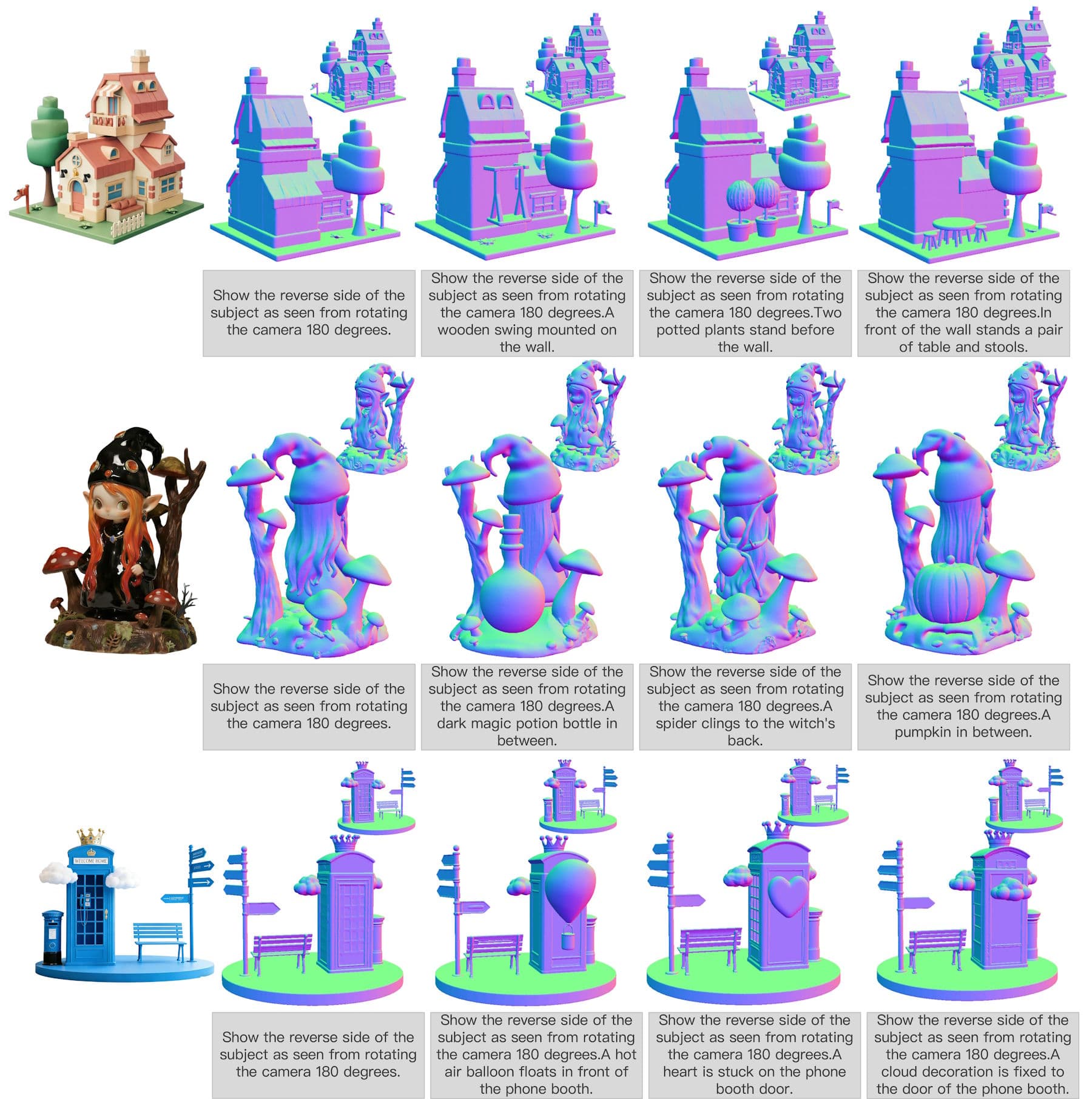
A groundbreaking AI research project, Know3D, enables users to control the hidden back side of 3D objects using text prompts, tackling a fundamental problem in 3D generation. This innovative approach leverages large language models to fill in the gaps, providing unprecedented control over 3D object creation. The potential applications of this technology are vast and exciting.
Key Takeaways
- Know3D allows users to control the hidden back side of 3D objects using text prompts
- The technology leverages large language models to fill in the gaps in 3D generation
- Know3D offers unprecedented control over 3D object creation, with potential applications in various industries
In This Article
- Introduction to Know3D
- The Problem of 3D Generation
- How Know3D Works
- The Advantages of Know3D
- Real-World Applications
- Future Potential
Introduction to Know3D
Imagine being able to create complex 3D objects with ease, using simple text prompts to control the hidden back side of the object. This is now a reality, thanks to the revolutionary AI research project, Know3D. By harnessing the power of large language models, Know3D is tackling a fundamental problem in 3D generation, providing users with unprecedented control over their creations.
- Know3D uses a combination of language models, image generators, and 3D generators to create complex 3D objects
- The technology has the potential to transform industries such as architecture, product design, and gaming
The Problem of 3D Generation
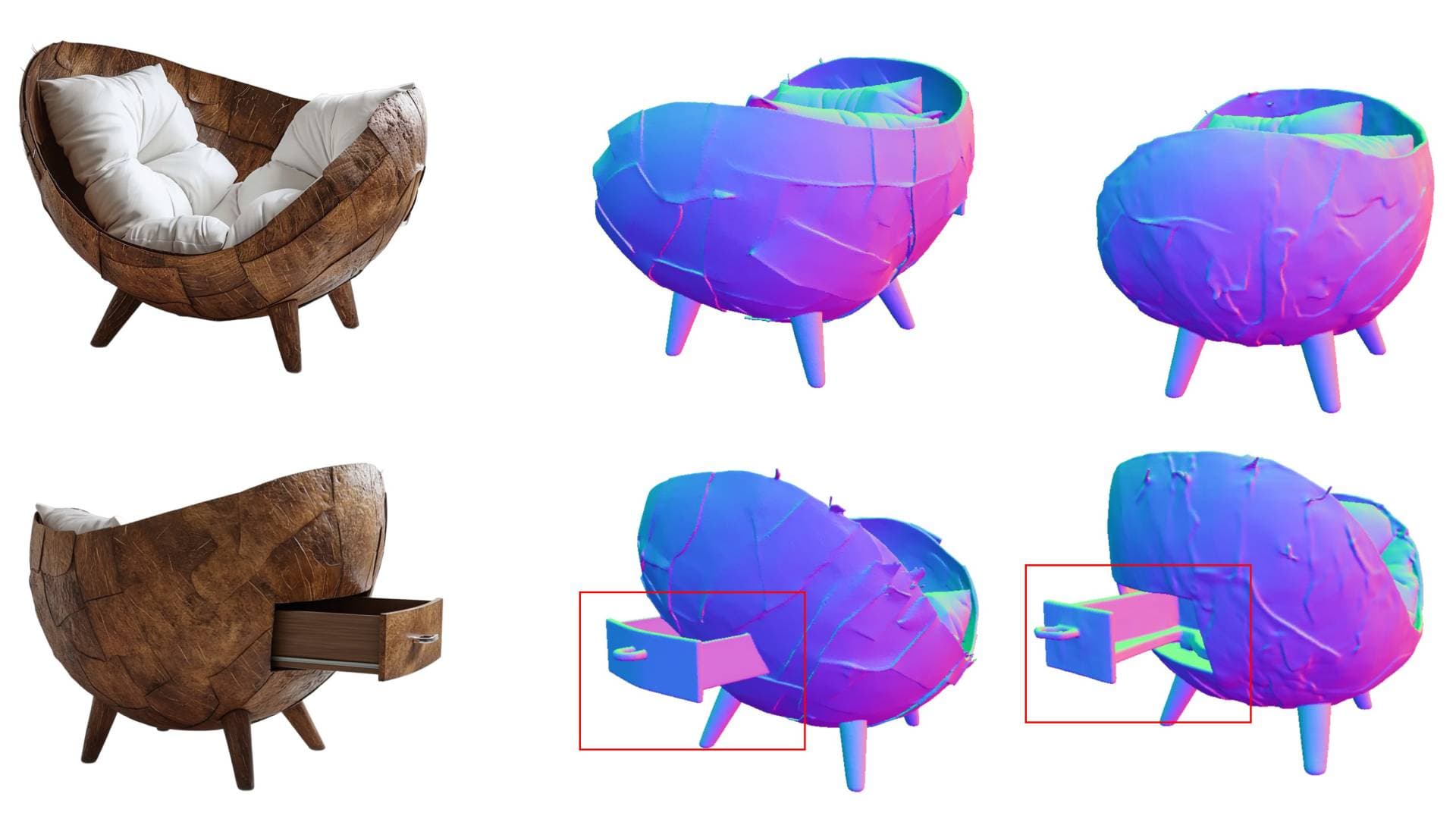
When creating 3D objects from single images, AI models face a significant challenge: the hidden back side of the object. Without sufficient data, these models often produce physically implausible shapes or results that miss the mark. This is where Know3D comes in, using its innovative approach to fill in the gaps and provide a more accurate representation of the object.
- Current 3D generation methods often rely on guesswork, leading to inconsistent results
- Know3D's use of large language models provides a more reliable and efficient solution
How Know3D Works
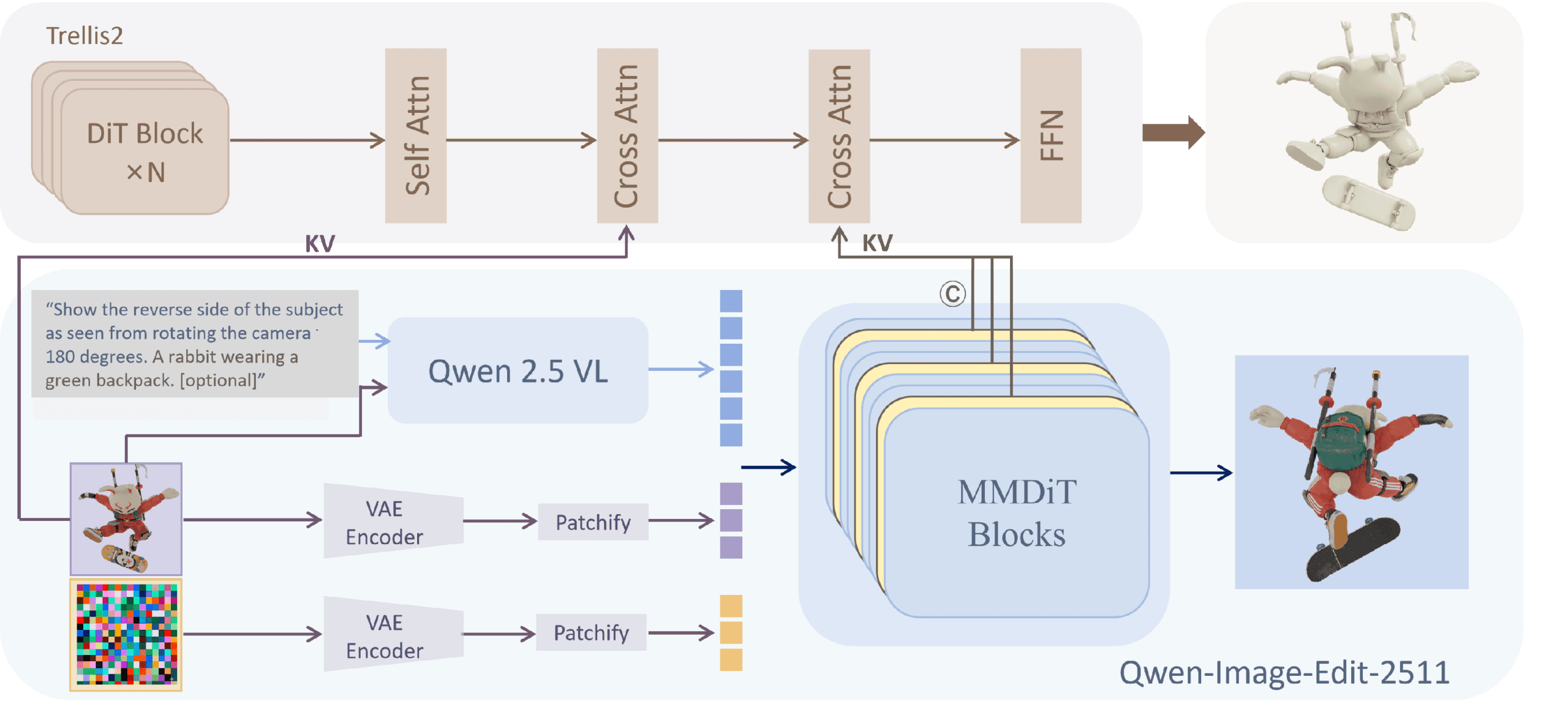
So, how does Know3D achieve its remarkable results? The process involves a combination of language models, image generators, and 3D generators, working together in harmony. The language model analyzes the text prompt and input image, while the image generator translates this understanding into spatial-structural information that guides the 3D generator.
- Know3D uses a detour approach, slotting an image generation model between the language model and the 3D generator
- The image generator acts as a translator, providing the necessary spatial information for the 3D generator
The Advantages of Know3D
Know3D offers a number of significant advantages over existing 3D generation methods. For one, it provides users with a high degree of control over the creation process, allowing for more precise and accurate results. Additionally, the technology has the potential to reduce errors and inconsistencies, resulting in more reliable and efficient 3D object creation.
- Know3D's use of intermediate states from the image generator reduces the risk of errors and inconsistencies
- The technology has the potential to transform industries such as architecture, product design, and gaming
Real-World Applications
The potential applications of Know3D are vast and exciting. From architecture to product design, gaming to education, this technology has the potential to revolutionize the way we create and interact with 3D objects. With its unprecedented control and precision, Know3D is set to open up new possibilities and opportunities for industries and individuals alike.
- Know3D could enable the creation of complex 3D models for architectural projects, reducing the need for manual tweaking
- The technology could also be used to generate realistic 3D environments for gaming and simulation applications
Future Potential
As Know3D continues to evolve and improve, we can expect to see even more exciting developments and applications. With its innovative approach and potential for growth, this technology is set to play a significant role in shaping the future of 3D object creation and beyond.
- Know3D's use of large language models provides a solid foundation for future development and improvement
- The technology has the potential to inspire new innovations and applications, driving progress and advancement in various fields
“The issue comes down to data. Compared to the enormous image and text datasets floating around the internet, 3D training data is still hard to come by.”
— Chen et al.
Final Thoughts
As we look to the future, it's clear that Know3D is set to play a significant role in shaping the world of 3D object creation. With its innovative approach, unprecedented control, and precision, this technology has the potential to transform industries and inspire new innovations. As we continue to explore the possibilities of Know3D, one thing is certain: the future of 3D object creation has never been brighter.
Sources & Credits
Originally reported by The Decoder — Jonathan Kemper
Huma Shazia
Senior AI & Tech Writer
Produced with AI assistance and reviewed by the Logicity editorial team. Learn more in our Editorial Policy.