Key Takeaways

- The Redmi Turbo 5 packs a 7,540mAh battery with 100W fast charging, the largest in its segment
- It shares nearly identical specs with the Poco X8 Pro but costs less and lasts longer on a charge
- Xiaomi promises 4 years of OS updates, addressing a common mid-range smartphone concern
Xiaomi just launched the Redmi Turbo 5 in India, and its headline feature is hard to ignore: a 7,540mAh battery stuffed into a mid-range phone. The device, which debuted in China earlier this year, enters the Indian market at what Xiaomi calls an aggressive price point. It's essentially the Poco X8 Pro with a bigger power cell and different branding.
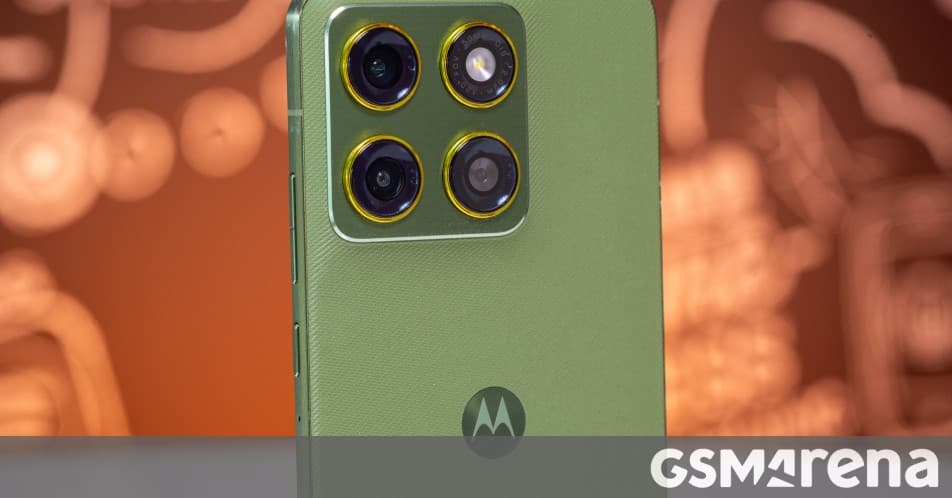
The spec sheet reads like a checklist of what buyers want from a 2025 mid-ranger. You get MediaTek's Dimensity 8500 Ultra chipset, a 6.59-inch 120Hz AMOLED display hitting 3,500 nits peak brightness, 8 or 12GB of RAM, and 100W wired charging alongside 27W reverse charging. The dual-camera setup sits on the back. Nothing surprising there, but nothing obviously missing either.
What makes the Redmi Turbo 5 different from the Poco X8 Pro?
One thing: battery capacity. The Poco X8 Pro shipped with a 6,000mAh cell. The Redmi Turbo 5 stretches that to 7,540mAh, a 25% increase. That's the entire differentiator between the two phones if you set aside logo placement.
This matters more than it sounds. Battery anxiety remains a real concern for smartphone buyers, and mid-range devices often cut corners on endurance to hit price targets. The Turbo 5 goes the opposite direction. With that capacity and the efficient Dimensity 8500 Ultra, you're looking at genuine two-day battery life under typical use.
The 100W charging compensates for the larger cell. Xiaomi claims a full charge takes roughly 45 minutes, though real-world results will vary based on temperature and battery health. The 27W reverse charging is a bonus for topping up earbuds or helping a friend in a pinch.
How does the Dimensity 8500 Ultra perform?
MediaTek's Dimensity 8500 Ultra sits below flagship chips but punches well above budget-tier silicon. The Redmi Turbo 5 scores over 2.3 million on AnTuTu, which puts it in comfortable territory for gaming, multitasking, and anything else you'd throw at it.
For context, that's competitive with flagship phones from two years ago. Most users won't notice meaningful performance gaps in daily tasks. Gaming at high settings works, though you'll want to manage expectations for the most demanding titles at max graphics.
What's in the box, and why does that matter?
Xiaomi includes the 100W charger, a cable, and a protective case. This might seem unremarkable until you remember that Apple, Samsung, and others have stripped accessories from their packaging to cut costs and claim environmental benefits.
For a buyer picking up their first smartphone or upgrading from an older device, a bundled fast charger and case removes two immediate purchases. It's a small thing, but it adds up when you're already stretching a budget.
Software support and long-term value
Xiaomi commits to 4 years of OS updates for the Redmi Turbo 5. Mid-range phones have historically been forgotten after one or two Android versions, so this pledge addresses a legitimate concern. Whether Xiaomi delivers on that promise remains to be seen, but putting it on paper is a step forward.
The device ships with HyperOS, Xiaomi's Android skin. Love it or tolerate it, that's what you get. Customization options are plentiful, though bloatware complaints remain common across Xiaomi's lineup.
The crowded Indian mid-range market
India's mid-range segment is brutal. Realme, Vivo, Samsung, OnePlus, and Xiaomi's own Poco brand all fight for the same buyers. The Redmi Turbo 5 carves out a niche by emphasizing battery life over any other single feature.
Discussion on Reddit and tech forums reflects some skepticism. Some users see the device as a rebranding exercise, questioning why Xiaomi needs both Redmi and Poco offering near-identical hardware. Others are simply excited about the battery capacity and IP68/IP69K water resistance.
That durability angle is worth noting. IP68 and IP69K ratings mean the phone handles submersion and high-pressure water jets. For buyers in monsoon-prone regions or those prone to poolside accidents, that's genuine peace of mind.
Display quality at this price
The 6.59-inch AMOLED panel runs at 1.5K resolution with a 120Hz refresh rate. Peak brightness hits 3,500 nits, which sounds impressive and likely is under direct sunlight. Most competing devices at this price range max out around 1,500 to 2,000 nits.
Color accuracy and viewing angles should be solid given Xiaomi's track record with AMOLED panels. The 120Hz refresh rate is now standard at this tier, so its presence here is expected rather than exceptional.
Should you buy the Redmi Turbo 5?
If battery life tops your priority list, the Redmi Turbo 5 makes a strong case. The 7,540mAh cell is genuinely differentiated in a market where most phones cluster around 5,000 to 6,000mAh. Combined with aggressive pricing and competitive specs, Xiaomi has a compelling package.
The camera system remains an unknown variable. A dual-camera setup suggests compromises compared to triple or quad-camera arrangements on some competitors. Wait for detailed reviews if photography matters to you.
Frequently Asked Questions
What is the Redmi Turbo 5 battery capacity?
The Redmi Turbo 5 packs a 7,540mAh battery, one of the largest in the mid-range segment. It supports 100W fast charging and 27W reverse charging.
How is the Redmi Turbo 5 different from the Poco X8 Pro?
The only significant difference is battery size. The Redmi Turbo 5 has a 7,540mAh battery compared to the Poco X8 Pro's 6,000mAh. All other specs, including the Dimensity 8500 Ultra chip and display, are identical.
Does the Redmi Turbo 5 have water resistance?
Yes, the Redmi Turbo 5 carries IP68 and IP69K ratings, meaning it can handle submersion in water and high-pressure water jets.
How many years of updates will the Redmi Turbo 5 receive?
Xiaomi has committed to 4 years of OS updates for the Redmi Turbo 5, which is above average for mid-range devices.
What processor does the Redmi Turbo 5 use?
The phone runs on MediaTek's Dimensity 8500 Ultra chipset, which delivers AnTuTu scores above 2.3 million.
Logicity's Take
Xiaomi's brand fragmentation between Redmi and Poco creates confusion, but it also allows precise market positioning. The Turbo 5 targets buyers who prioritize endurance over everything else, leaving the Poco X8 Pro for those who prefer a slightly lighter device. This strategy cannibalizes internal sales but ensures Xiaomi captures both customer segments rather than losing them to Realme or Samsung. The 4-year update commitment is the more interesting signal. It suggests Xiaomi is responding to Google's pressure on Android OEMs to extend software support. If they deliver, the Turbo 5 could remain relevant well into 2029.
Need Help Implementing This?
Looking to understand how device choices impact your team's productivity or mobile strategy? Reach out to the Logicity team for insights on enterprise mobility, device selection, and tech procurement guidance.
Source: GSMArena.com
Manaal Khan
Tech & Innovation Writer
Produced with AI assistance and reviewed by the Logicity editorial team. Learn more in our Editorial Policy.