Key Takeaways
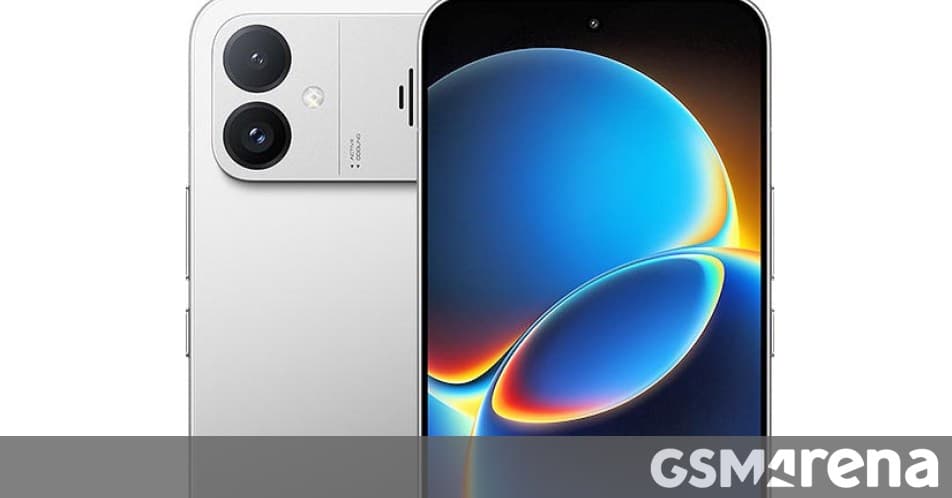
- Redmi K90 Ultra will use a Snapdragon 8 Elite chip with an active cooling fan instead of the newer 8 Elite Gen 5
- Battery capacity reportedly exceeds 8,000 mAh, targeting extended gaming sessions
- Pricing aims below the Redmi K90 Max, competing directly with Honor's Win series
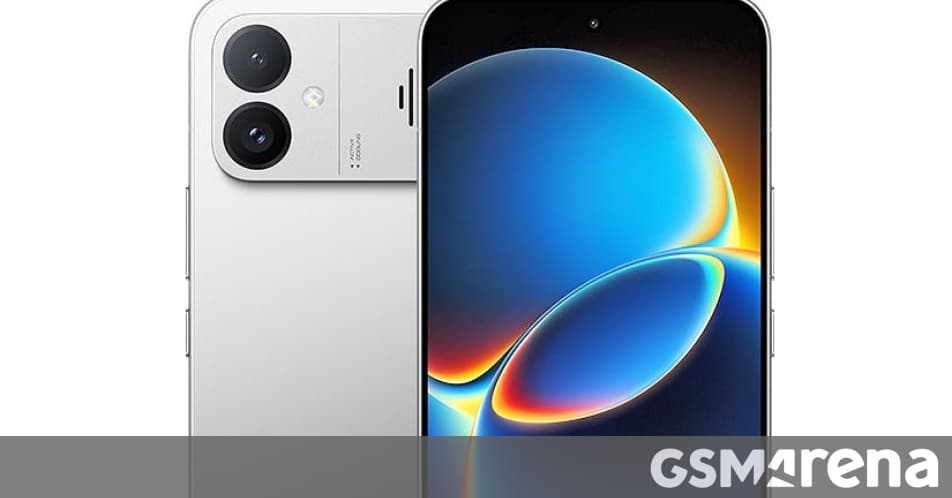
Xiaomi's Redmi sub-brand is taking a counterintuitive approach with its next flagship killer. Instead of chasing the newest silicon, the Redmi K90 Ultra will reportedly pair last generation's Snapdragon 8 Elite with an active cooling fan. The bet: sustained real-world performance matters more than benchmark bragging rights.
The leak comes from Digital Chat Station on Weibo, one of the more reliable sources for Chinese smartphone intel. According to the tipster, this fan-cooled setup will let the K90 Ultra match or exceed the sustained performance of devices running Qualcomm's newer Snapdragon 8 Elite Gen 5, even without the silicon upgrade.
Why bet on cooling over a newer chip?
The logic here is simple, and it is a logic that PC gamers have understood for decades. Raw chip power means nothing if thermal throttling chokes performance after ten minutes of heavy use. Most flagship phones hit their peak benchmark numbers in short bursts, then slow down as heat builds. An active fan changes that equation.
The Snapdragon 8 Elite remains a formidable chip. It powers current-generation flagships from multiple manufacturers and handles demanding games without breaking a sweat, provided thermals are managed. Adding active cooling extends that performance window from minutes to hours.
What else does the K90 Ultra bring?
The cooling fan is the headline, but the spec sheet goes deeper. Digital Chat Station claims the K90 Ultra will pack a battery exceeding 8,000 mAh. Some reports push this figure as high as 8,500 mAh, which would rank among the largest capacities ever fitted in a mainstream smartphone.
The display is expected to be a 1.5K OLED panel with a 165Hz refresh rate. That's faster than the 120Hz standard on most flagships and squarely targets mobile gamers who notice the difference in fast-paced titles. Peripherals and accessory compatibility will reportedly mirror the Redmi K90 Max, which launched in April with gaming-focused add-ons.
Pricing that undercuts the competition
Perhaps the most interesting detail: the K90 Ultra will allegedly cost less than the K90 Max. Early estimates place the price around 3,000 Yuan, roughly $420. At that level, Redmi is aiming directly at Honor's Win and Win RT gaming phones, not at the $1,000+ flagships from Samsung or Apple.
This pricing strategy only works because Redmi is using mature silicon. The Snapdragon 8 Elite Gen 5 commands a premium that would push the K90 Ultra into a higher bracket. By stepping back one generation and investing the savings into cooling hardware and battery capacity, Redmi can deliver a different kind of value proposition.
The tradeoffs worth considering
Active cooling in a smartphone is not without downsides. Fan-equipped phones tend to be thicker and heavier. The ROG Phone series from Asus, which has used active cooling for years, often exceeds 220 grams. Noise is another factor. Fans spin up under load, and while modern designs are quieter than ever, they are not silent.
Durability is a fair question too. Moving parts fail faster than solid-state components. Redmi will need to prove the fan mechanism can survive years of pocket lint and the occasional drop. These are engineering problems, not dealbreakers, but they explain why most manufacturers stick with passive cooling.
How enthusiasts are reacting
Early reactions on Reddit and Chinese enthusiast forums are cautiously optimistic. The consensus: sustained performance beats peak performance for anyone who actually games on their phone. Benchmark warriors might scoff at last-gen silicon, but gamers who play Genshin Impact for two hours straight care more about consistent frame rates than Geekbench scores.
Skeptics point to the weight and noise concerns, and some wonder if the fan will be detachable like the accessories on gaming phones from Asus and Lenovo. Redmi has not clarified whether the cooling is built-in or modular.
Another recent leak focusing on massive battery capacity in mid-range phones
When will it launch?
Redmi has not announced the K90 Ultra officially, and Digital Chat Station did not provide a release timeline. Given that the K90 Max launched in April 2025, a K90 Ultra reveal in Q3 or Q4 seems plausible. Xiaomi's naming conventions have been inconsistent since 2020, so predicting the exact positioning of this model within the K90 lineup remains speculative.
A POCO-branded variant is also possible, following Xiaomi's pattern of rebadging Redmi hardware for international markets. Comments on the original GSMArena report already joke about waiting five years for the POCO version to become a beast. They might not need to wait that long.
Frequently Asked Questions
What chip will the Redmi K90 Ultra use?
The Snapdragon 8 Elite, paired with an active cooling fan. This is the previous-generation flagship chip, not the newer 8 Elite Gen 5.
How big is the K90 Ultra battery?
Reports indicate over 8,000 mAh, with some sources citing 8,500 mAh. This would be significantly larger than typical flagship batteries.
Will the Redmi K90 Ultra be available globally?
Redmi has not confirmed global availability. A POCO-branded version for international markets is possible based on Xiaomi's past strategy.
How much will the K90 Ultra cost?
Leaks suggest around 3,000 Yuan, approximately $420. This positions it below the K90 Max and competes with Honor's Win series.
Does the active cooling fan add noise?
Yes, active fans produce some noise under load. How audible it will be during gaming depends on Redmi's engineering, which remains unconfirmed.
Logicity's Take
Redmi is essentially treating the smartphone like a gaming laptop: maximize sustained performance, accept slightly more bulk, and undercut premium pricing. If the fan keeps the Snapdragon 8 Elite running near peak clocks for extended sessions, this phone could embarrass devices costing twice as much in real-world gaming tests. The gamble is whether mainstream buyers will accept the tradeoffs that enthusiast gamers already embrace.
Need Help Implementing This?
Logicity helps tech teams and product reviewers stay ahead of mobile hardware trends. For briefings, comparisons, or custom research on smartphone thermals and performance, reach out to our editorial team.
Source: GSMArena.com / Vlad
Manaal Khan
Tech & Innovation Writer
Produced with AI assistance and reviewed by the Logicity editorial team. Learn more in our Editorial Policy.